conservation
Kafue National Park: A Conservation Success Story Unfolding
Encounters Africa - 7 min read
Updated on 1 May 2026
Nestled in the heart of Zambia, Kafue National Park stands as a testament to the power of dedicated conservation. As one of Africa's largest national parks, its sheer scale and biodiversity present both immense challenges and incredible opportunities for wildlife protection. For discerning travellers, understanding the intricate web of conservation initiatives at play enhances the safari experience, revealing the profound commitment required to safeguard these irreplaceable ecosystems.
Encounters Africa is deeply invested in promoting responsible tourism that supports such vital work. Our journeys to Kafue offer an intimate glimpse into a wilderness rebounding, where every sighting of a leopard, elephant, or wild dog is a direct result of tireless efforts by rangers, scientists, and local communities. This article delves into the multifaceted approach to Kafue National Park conservation, highlighting the strategies that are securing its future.
The Scale of Kafue: A Conservation Frontier
Kafue National Park spans an astonishing 22,400 square kilometres, making it roughly the size of Wales. This vastness encompasses a diverse array of habitats, from the open plains of the Busanga Swamps in the north to dense miombo woodlands and riverine forests along the Kafue River. Such ecological variety supports an incredible spectrum of wildlife, including over 150 mammal species and more than 500 bird species.
The park's immense size, while a blessing for biodiversity, historically posed significant challenges for protection. Limited resources and vast, often remote areas made effective anti-poaching and monitoring difficult. However, a renewed focus on strategic partnerships and innovative techniques is transforming Kafue into a model for large-scale conservation.
Kafue National Park's sheer scale is both its greatest challenge and its most profound asset, demanding innovative conservation strategies to protect its unparalleled biodiversity.
Anti-Poaching and Law Enforcement: Guardians of the Wild
At the core of any successful conservation strategy is robust anti-poaching. In Kafue, this involves a multi-pronged approach, combining highly trained ranger units with advanced technology and intelligence gathering. The park has seen significant investment in increasing ranger numbers, improving their training, and equipping them with the tools necessary to patrol such a vast area effectively.
Enhanced Patrols and Monitoring
Regular patrols, both on foot and by vehicle, are essential for deterring poachers and removing snares. These patrols are often supported by aerial surveillance, which allows for rapid response to suspicious activity. The use of GPS tracking and satellite imagery helps to map patrol routes, identify poaching hotspots, and monitor wildlife movements.
Community Intelligence Networks
Engaging local communities is crucial for intelligence gathering. By fostering trust and providing incentives, conservation organisations and park authorities can create networks that offer vital information about poaching activities. This collaborative approach not only aids law enforcement but also builds a sense of shared responsibility for wildlife protection.
Community Engagement and Sustainable Livelihoods
True conservation success cannot be achieved without the active involvement and support of the communities living adjacent to the park. These communities often bear the brunt of human-wildlife conflict and may have limited economic alternatives, making them vulnerable to participating in illegal activities. Kafue's conservation efforts prioritise empowering these communities.
Education and Awareness Programs
Educational initiatives play a vital role in fostering an understanding of the value of wildlife and the importance of conservation. Programs in local schools and community centres teach about ecological balance, the benefits of tourism, and sustainable resource management. This cultivates a new generation of conservation advocates.
Alternative Livelihood Opportunities
Providing sustainable economic alternatives reduces reliance on poaching or unsustainable resource extraction. Projects include:
Ecotourism employment: Training locals as safari guides, lodge staff, or craft producers.
Sustainable agriculture: Introducing drought-resistant crops and efficient farming techniques.
Beekeeping and honey production: A low-impact activity that generates income and provides a natural deterrent to elephants, reducing crop raiding.
Conservation farming: Practices that improve soil health and yield, reducing the need to expand agricultural land into protected areas.
Habitat Restoration and Wildlife Management
Beyond protecting animals from direct threats, ensuring a healthy and thriving ecosystem is paramount. Kafue's conservation strategy includes significant efforts in habitat restoration and scientific wildlife management.
Restoring Key Habitats
Years of unsustainable practices can degrade habitats. Restoration projects in Kafue focus on:
Water source rehabilitation: Ensuring perennial water availability, especially in dry seasons.
Grassland management: Controlled burning to promote new growth and prevent destructive wildfires.
Forest regeneration: Planting indigenous trees in deforested areas to restore critical canopy cover.
Wildlife Monitoring and Research
Understanding wildlife populations and their dynamics is crucial for effective management. Researchers in Kafue employ various techniques:
Collaring programs: Tracking key species like lions, elephants, and wild dogs provides data on movement patterns, territory, and population health.
Camera trapping: A non-invasive method to monitor elusive species and estimate population sizes.
Ecological surveys: Regular surveys of vegetation, water quality, and prey species to assess overall ecosystem health.
These efforts are vital for informing conservation decisions and demonstrating the tangible results of investment in Kafue National Park conservation.
The Return of Iconic Species
The success of Kafue's conservation initiatives is evident in the resurgence of its wildlife populations. Travellers to the park are increasingly witnessing the return of species that were once severely threatened.
Lion and Leopard Populations
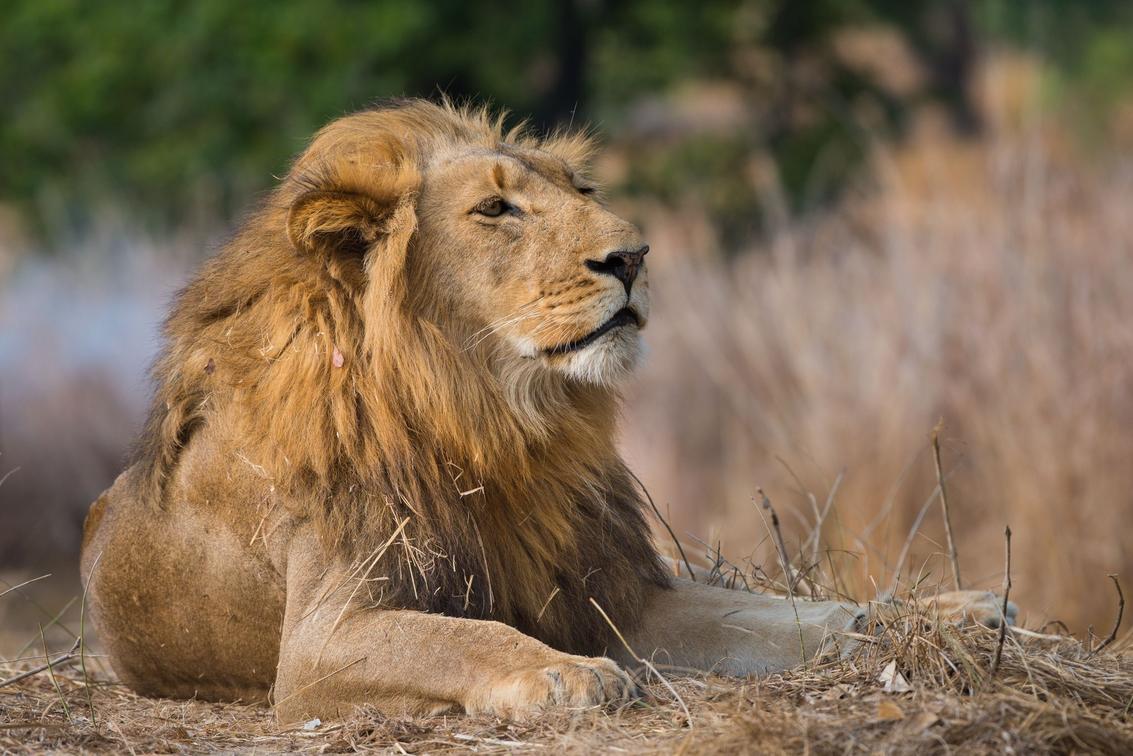
Kafue is now considered one of the best places in Zambia to see lions and leopards. Intensive monitoring and anti-poaching efforts have allowed these apex predators to reclaim their territories, contributing to a healthier ecosystem balance. The Busanga Plains, in particular, are renowned for their lion sightings.
African Wild Dogs
One of Africa's most endangered carnivores, the African wild dog, is thriving in Kafue. The park provides vast, undisturbed habitats crucial for these nomadic hunters. Encounters with wild dog packs are a highlight for many safari-goers, a direct result of dedicated conservation.
Elephant Recovery
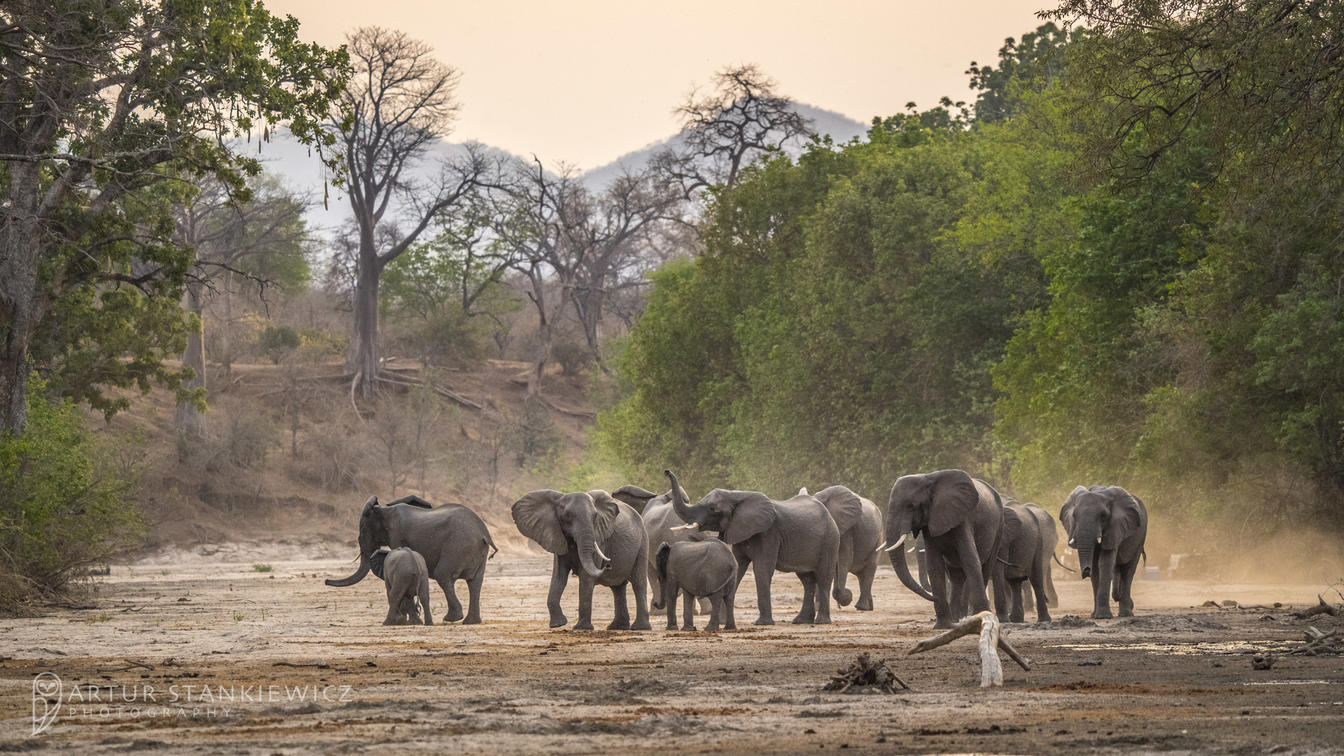
While still facing threats, elephant populations in Kafue are showing encouraging signs of recovery. Stronger anti-poaching measures and international support have helped to curb the ivory trade within the park's boundaries, allowing these magnificent giants to roam more freely.
Sustainable Tourism: A Pillar of Conservation
Responsible tourism plays a pivotal role in funding and supporting conservation efforts in Kafue. By choosing to visit the park, travellers directly contribute to its protection.
Economic Benefits for Local Communities
Tourism generates revenue that can be channelled back into community projects, providing jobs, and supporting local businesses. This creates a direct link between wildlife preservation and economic prosperity, incentivising communities to protect their natural heritage.
Funding for Park Operations
Park fees and concession levies directly support anti-poaching units, ranger training, infrastructure maintenance, and scientific research. Every safari booked contributes to the operational costs of safeguarding Kafue's wilderness.
Conclusion: A Future for Kafue's Wilderness
The story of Kafue National Park conservation is one of hope and resilience. Through strategic partnerships, dedicated anti-poaching efforts, meaningful community engagement, and scientific wildlife management, this vast wilderness is steadily reclaiming its status as one of Africa's premier wildlife destinations. For those seeking an authentic and impactful safari experience, Kafue offers a chance to witness conservation in action and be part of a truly inspiring journey.
Encounters Africa is proud to offer bespoke safaris to Kafue, allowing you to immerse yourself in this incredible landscape while contributing to its ongoing protection. For discerning travellers seeking a private safari beyond our set itineraries, we invite you to contact us directly. We specialise in designing exceptional, tailor-made journeys for individuals, couples, families, and private groups of up to eight guests. Drawing on our handpicked network of distinguished camps and lodges, we curate every detail with precision and care, creating a seamless, deeply personal safari experience shaped entirely around your preferences, pace, and budget.
More like this
conservation
Kariega Game Reserve: A Promise Of Ethical Safari Experiences
conservation
Keepers of the Wild: Kapama Private Game Reserve's Conservation Efforts
Conservation
Leading the Way: Conservation Efforts in Botswana and South Africa
conservation
Lewa Conservancy: The Hope of Conservation in Kenya
conservation
Madikwe Game Reserve: A Promise of Sustainable Safari in Africa
conservation