Conservation
Leading the Way: Conservation Efforts in Botswana and South Africa
Encounters Africa - 7 min read
Updated on 1 May 2026
Africa's wild heart beats strongly in countries like Botswana and South Africa, where the commitment to conservation is not just a policy, but a way of life. These nations are at the forefront of protecting some of the planet's most iconic species and pristine ecosystems, facing unique challenges with innovative solutions. From vast, arid landscapes to lush deltas, their dedication ensures the survival of wildlife for generations to come.
Encounters Africa is proud to highlight the latest conservation efforts in Botswana and South Africa, showcasing how these dynamic countries are safeguarding their natural heritage. Our journeys offer an intimate look at these initiatives, allowing travellers to witness firsthand the impact of dedicated conservation work and contribute to its ongoing success.
Botswana's Progressive Conservation Vision
Botswana has long been celebrated for its low-impact, high-value tourism model, a strategy that directly supports its ambitious conservation goals. The country's vast wilderness areas, such as the Okavango Delta and the Chobe River Front, are testament to its commitment to preserving natural habitats.
One of Botswana's most significant recent achievements is its continued success in anti-poaching operations. The government maintains a strict 'shoot-to-kill' policy against poachers, which, while controversial to some, has been effective in deterring illegal wildlife hunting, particularly for rhinos and elephants. This firm stance underscores the nation's resolve to protect its wildlife.
Botswana's commitment to low-volume, high-value tourism directly fuels its conservation success, ensuring pristine wilderness and thriving wildlife populations.
Rhino Relocation and Protection
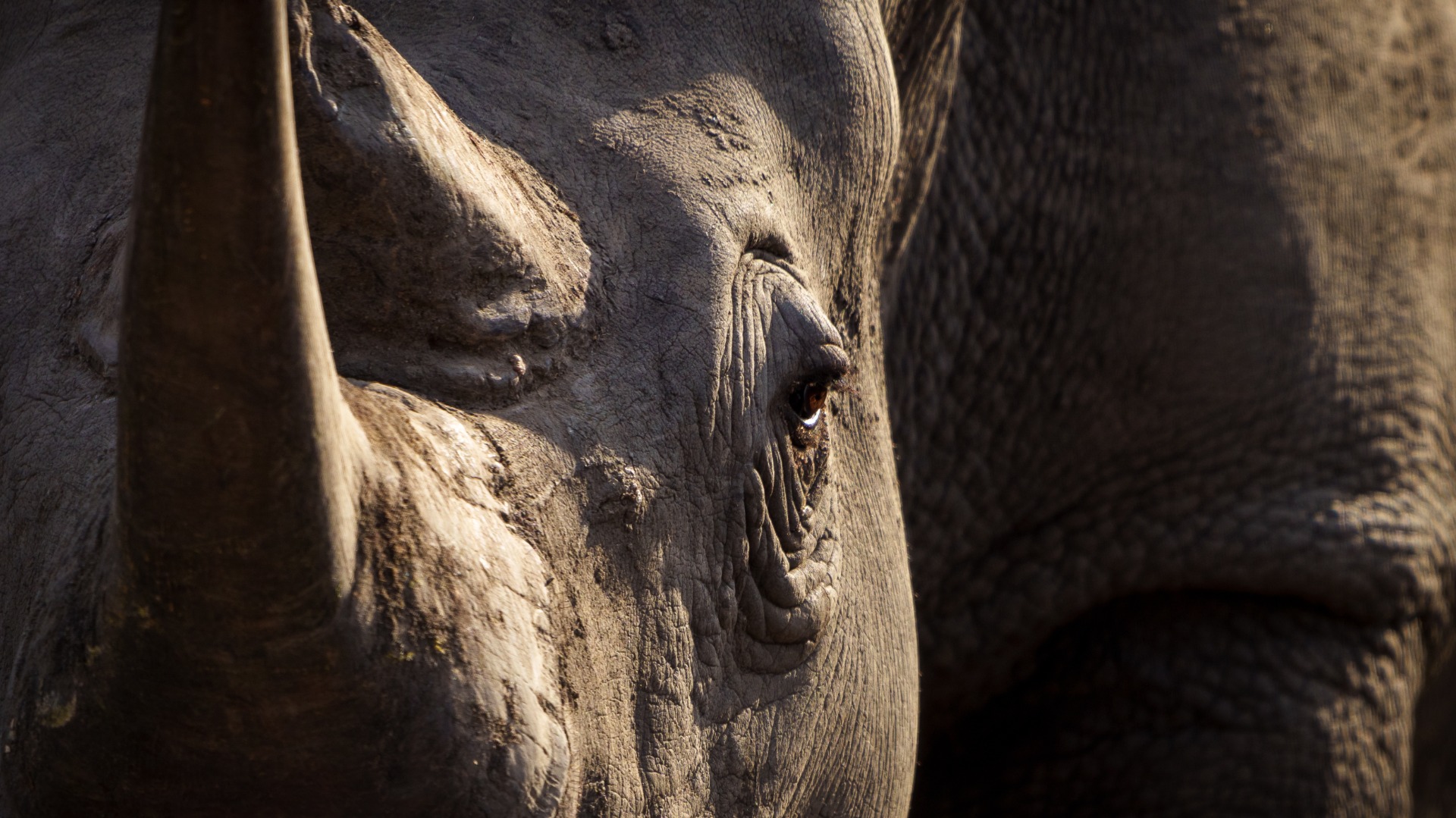
Botswana has become a critical sanctuary for rhinos, both black and white. Facing intense poaching pressure in other regions, significant numbers of rhinos have been translocated to Botswana's secure national parks and private concessions. These efforts are often undertaken in partnership with non-governmental organisations and private safari operators, creating safe havens where populations can recover and grow.
For example, areas within the Okavango Delta, including private reserves like Duba Plains Private Reserve, have seen successful reintroductions and subsequent breeding of rhinos. These projects involve intensive monitoring, advanced tracking technology, and dedicated anti-poaching units, demonstrating a multi-faceted approach to species protection.
Community-Based Conservation Initiatives
A cornerstone of Botswana's conservation philosophy is the involvement of local communities. Initiatives such as those in the Khwai Community Area empower residents to manage and benefit from wildlife resources, fostering a sense of ownership and responsibility. This model ensures that the economic benefits of tourism directly support local livelihoods, creating a powerful incentive for conservation.
These programmes often include employment opportunities in safari lodges, wildlife monitoring, and cultural tourism, providing sustainable alternatives to activities that might otherwise degrade the environment. Education and awareness campaigns also play a crucial role in building long-term support for conservation among younger generations.
South Africa's Diverse Conservation Landscape
South Africa, with its incredible biodiversity, faces a broader spectrum of conservation challenges, from urban encroachment to intensive poaching. However, the nation is equally dedicated, implementing a wide array of strategies across its diverse landscapes, from the iconic Kruger National Park to marine protected areas along its extensive coastline.
One of the most pressing issues in South Africa remains rhino poaching. Despite significant efforts, the country continues to battle organised crime syndicates targeting its rhino populations. However, innovative solutions are emerging, combining technology, community engagement, and international cooperation.
Technological Advancements in Anti-Poaching
South Africa is pioneering the use of technology to combat poaching. This includes advanced surveillance systems, drone technology for monitoring vast areas, and even artificial intelligence to predict poaching hotspots. For instance, in some private reserves bordering Kruger, sophisticated radar systems and thermal imaging cameras are being deployed to detect intruders in real-time, significantly improving response times for anti-poaching units.
The integration of data analytics helps conservationists understand poaching patterns and deploy resources more effectively. This proactive approach is vital in protecting high-value species like rhinos and elephants from increasingly sophisticated poaching methods.
Marine Conservation and Biodiversity
Beyond its terrestrial wildlife, South Africa is a global leader in marine conservation. The country boasts a network of Marine Protected Areas (MPAs) that safeguard critical ocean ecosystems, from kelp forests to coral reefs. These MPAs protect a vast array of marine life, including great white sharks, whales, and numerous fish species.
Recent expansions of MPAs, such as the new zones declared in 2019, have significantly increased the protected ocean territory, demonstrating a strong commitment to preserving marine biodiversity. These areas serve as vital breeding grounds and nurseries, contributing to the health of the broader ocean environment and supporting sustainable fisheries.
Reintroduction Programmes and Habitat Restoration
South Africa has a strong track record of successful reintroduction programmes, bringing back species to areas where they had been extirpated. This includes projects focused on African wild dogs, cheetahs, and even lions in smaller reserves. These initiatives often involve careful ecological assessments, community engagement, and long-term monitoring.
Habitat restoration is another key area, particularly in regions affected by historical agricultural practices or invasive species. Efforts to restore natural grasslands, wetlands, and indigenous forests are crucial for supporting biodiversity and enhancing ecosystem resilience across the country.
The fight for conservation is a collective journey, where every traveller's choice supports the vital work of protecting Africa's irreplaceable wild spaces.
The Role of Sustainable Tourism
Both Botswana and South Africa recognise sustainable tourism as an indispensable tool for conservation. Encounters Africa champions this approach, ensuring that our safari experiences contribute positively to the environments and communities we visit. By choosing responsible travel, you become an active participant in these vital efforts.
Direct Financial Contributions
A significant portion of tourism revenue in both countries is channelled directly into conservation initiatives. This includes funding for anti-poaching units, wildlife monitoring, habitat management, and community development projects. For example, park fees and concession fees paid by lodges and tour operators directly support the operational costs of protected areas.
When you embark on a luxury safari with Encounters Africa, a portion of your investment directly supports these critical activities, making your journey a force for good. This economic model creates a direct link between wildlife preservation and prosperity.
Raising Awareness and Education
Tourism also plays a crucial role in raising global awareness about conservation challenges and successes. Travellers often return home as ambassadors for African wildlife, sharing their experiences and advocating for conservation. Our expert guides provide invaluable insights into the local ecology and conservation efforts, transforming a safari into an educational and inspiring journey.
Through immersive experiences, such as visiting wildlife rehabilitation centres or participating in citizen science projects, travellers gain a deeper understanding of the complexities of conservation and the importance of their role.
Future Outlook and Challenges
While progress is evident, conservation in Botswana and South Africa continues to face significant challenges. Climate change, human-wildlife conflict, and the ongoing threat of poaching remain persistent concerns. However, the dedication of governments, local communities, NGOs, and responsible tourism operators offers a hopeful path forward.
The future of conservation hinges on continued innovation, strong political will, and robust international support. Both nations are actively exploring new avenues, such as carbon credit schemes and sustainable land-use planning, to ensure the long-term viability of their natural resources.
Conclusion
The conservation efforts in Botswana and South Africa are a beacon of hope for global biodiversity. Through visionary policies, technological innovation, and community engagement, these nations are safeguarding their extraordinary natural heritage against immense pressures. Their commitment to protecting wildlife and wild spaces is not just about preserving animals; it's about securing the health of our planet.
Encounters Africa invites you to witness these inspiring efforts firsthand. Join us on a transformative journey that not only offers unparalleled wildlife viewing but also contributes meaningfully to the future of conservation. Explore our Botswana safaris or South Africa itineraries and become part of the solution. Contact us today to plan your bespoke conservation-focused safari.
More like this
conservation
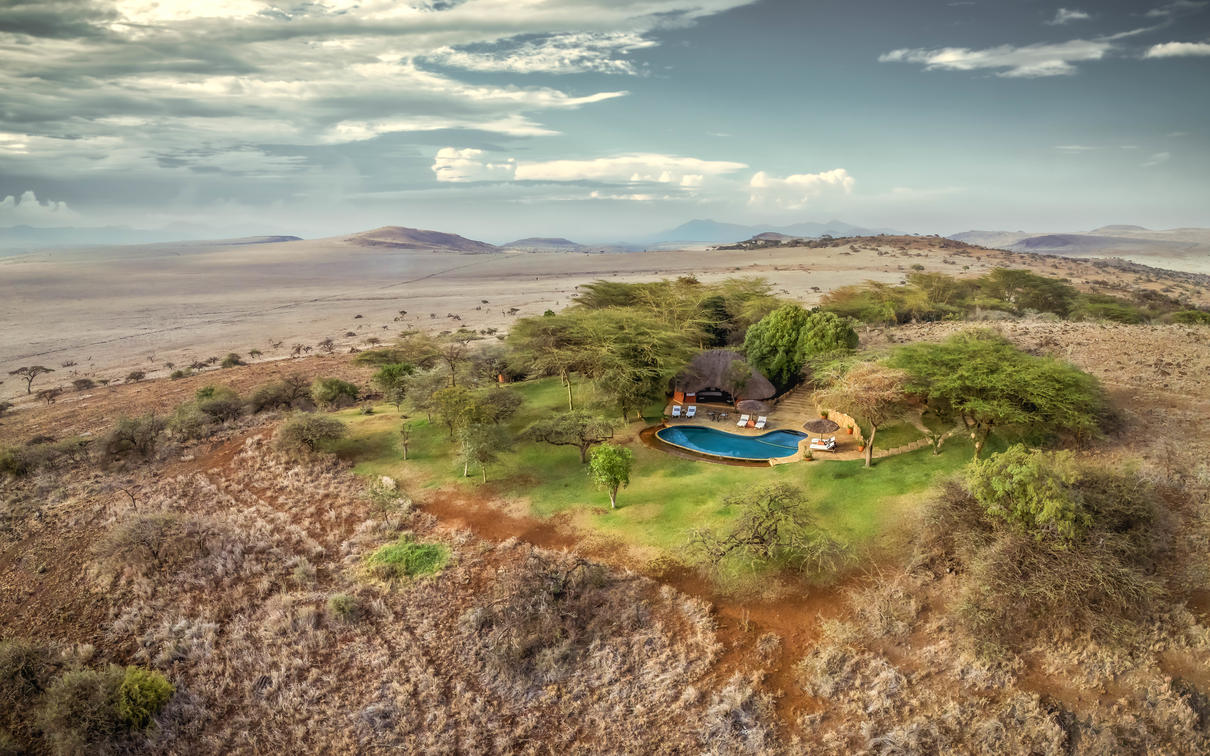
Lewa Conservancy: The Hope of Conservation in Kenya
conservation
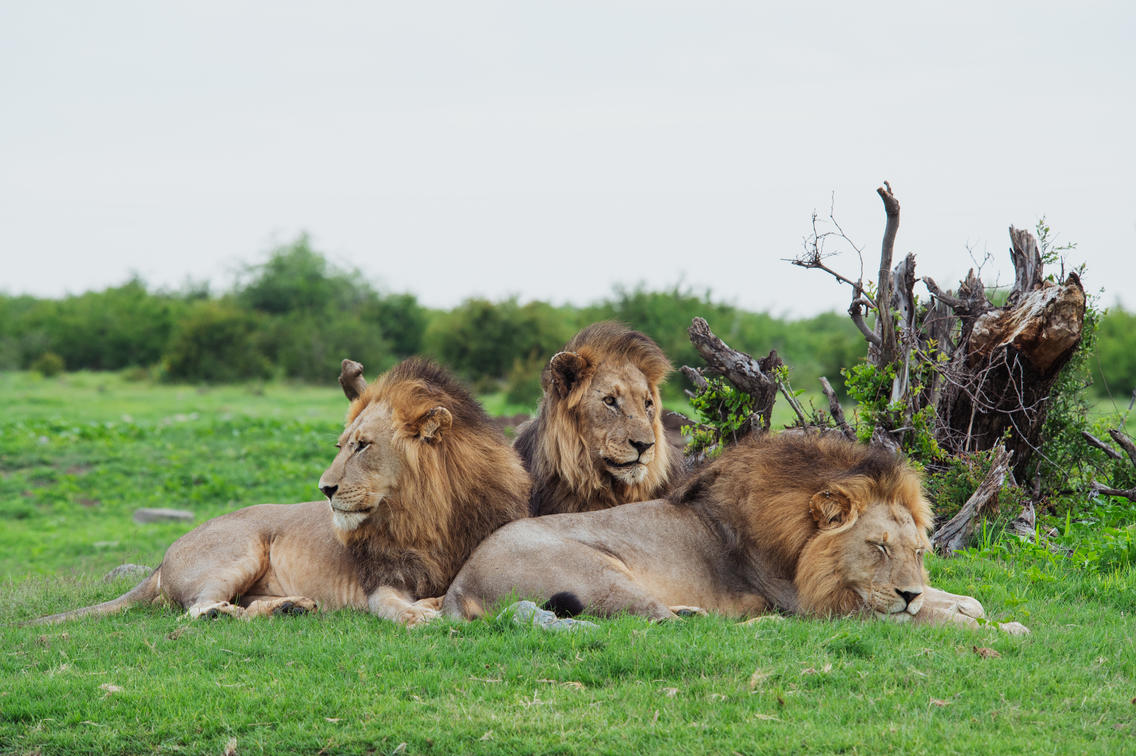
Madikwe Game Reserve: A Promise of Sustainable Safari in Africa
conservation
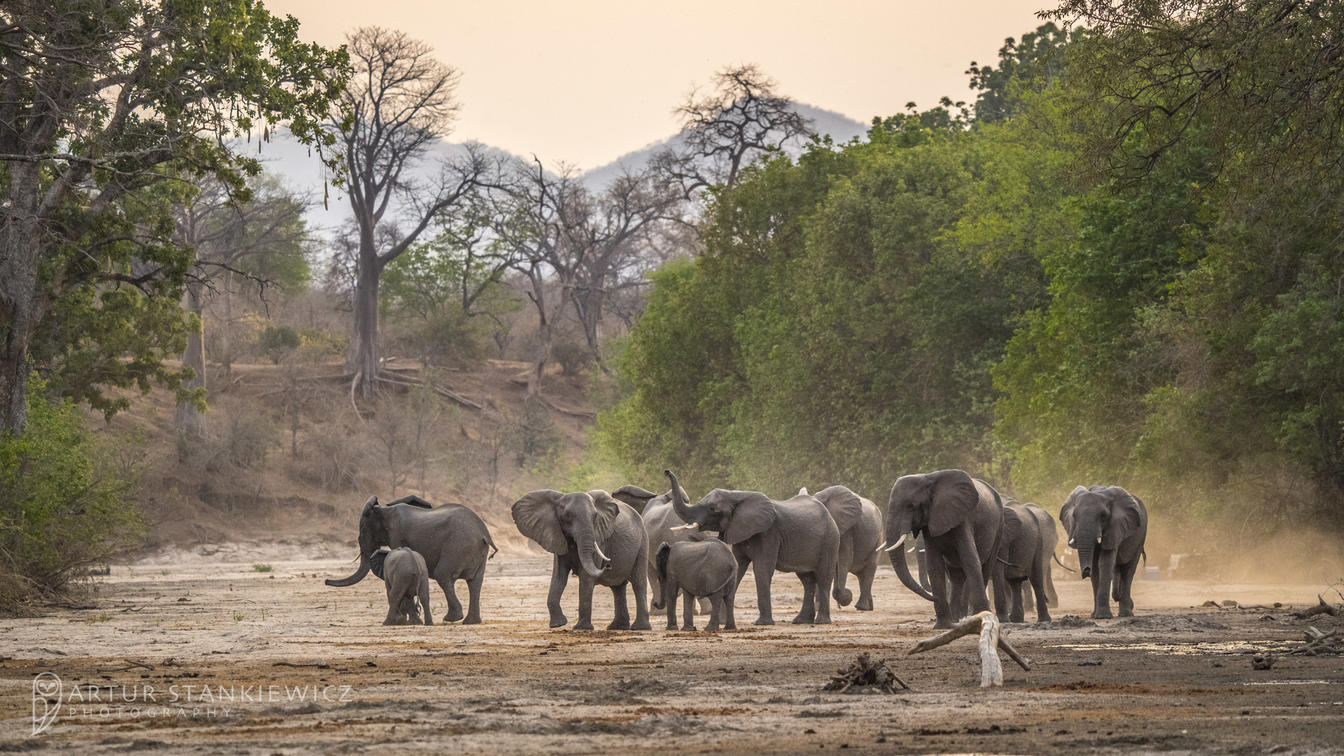
Mana Pools National Park: A Sanctuary of Conservation and Wildlife
conservation
Matetsi Private Game Reserve: A Beacon of Conservation
conservation
Matusadona National Park: A Conservation Success Story
conservation