wildlife
Kruger Wildlife Guide: Iconic Species, Behaviors, and Viewing Seasons
Encounters Africa - 6 min read
Updated on 1 May 2026
In the heart of South Africa, Kruger National Park stands as one of Africa's premier wildlife destinations, home to over 147 mammal species, 507 bird species, and dense populations of the Big Five. Leopards drape kills over fever tree branches, elephant bulls clash in musth along Sabie River, cheetahs pursue impala bursts on granite outcrops. Wildlife in Kruger National Park thrives across 19,485 square kilometres of savannah, bushveld, and riverine forests, where seasonal rhythms dictate dramatic encounters.
This guide explores Kruger's iconic species, their behaviours, and prime viewing seasons, drawing on decades of safari expertise from Encounters Africa. From lion prides at dawn to rhino patrols at dusk, discover how dry months from May to September concentrate action at waterholes, offering unparalleled sightings for discerning travellers.
Iconic Big Five: Kruger's Cornerstone Species
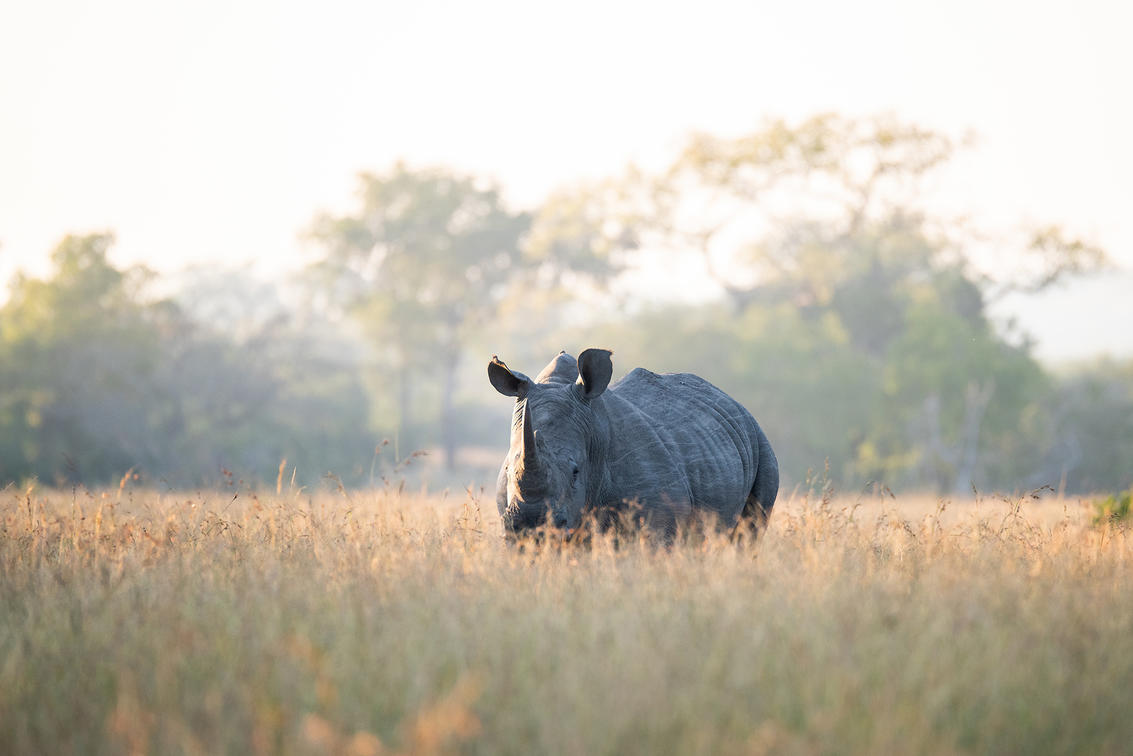
The Big Five—lion, leopard, elephant, buffalo, and rhino—define wildlife in Kruger National Park, with populations that rival any African reserve. Lions, numbering around 1,700, dominate prides along the Sabie and Letaba rivers, where cubs tumble amid acacia shade. Elephants, over 10,000 strong, trumpet through mopane woodlands, their herds reshaping landscapes with every step.
Leopards, the park's elusive masters of stealth, claim over 1,000 individuals who cache prey in fever tree forks, their spotted coats blending into granite kopjes. Cape buffalo form impenetrable herds of up to 1,000 near Shingwedzi, while white rhinos graze open plains in the south, their numbers bolstered by anti-poaching successes exceeding 12,000 nationwide.
In Kruger's wild expanse, the Big Five are not mere checklists but living forces shaping daily dramas at every turn.
Black rhinos, rarer at around 400, hide in thickets near Pretoriuskop, rewarding patient observers with glimpses of their prehistoric profiles against thornveld backdrops.
Predator Dynamics: Lions, Leopards, Cheetahs, and Wild Dogs
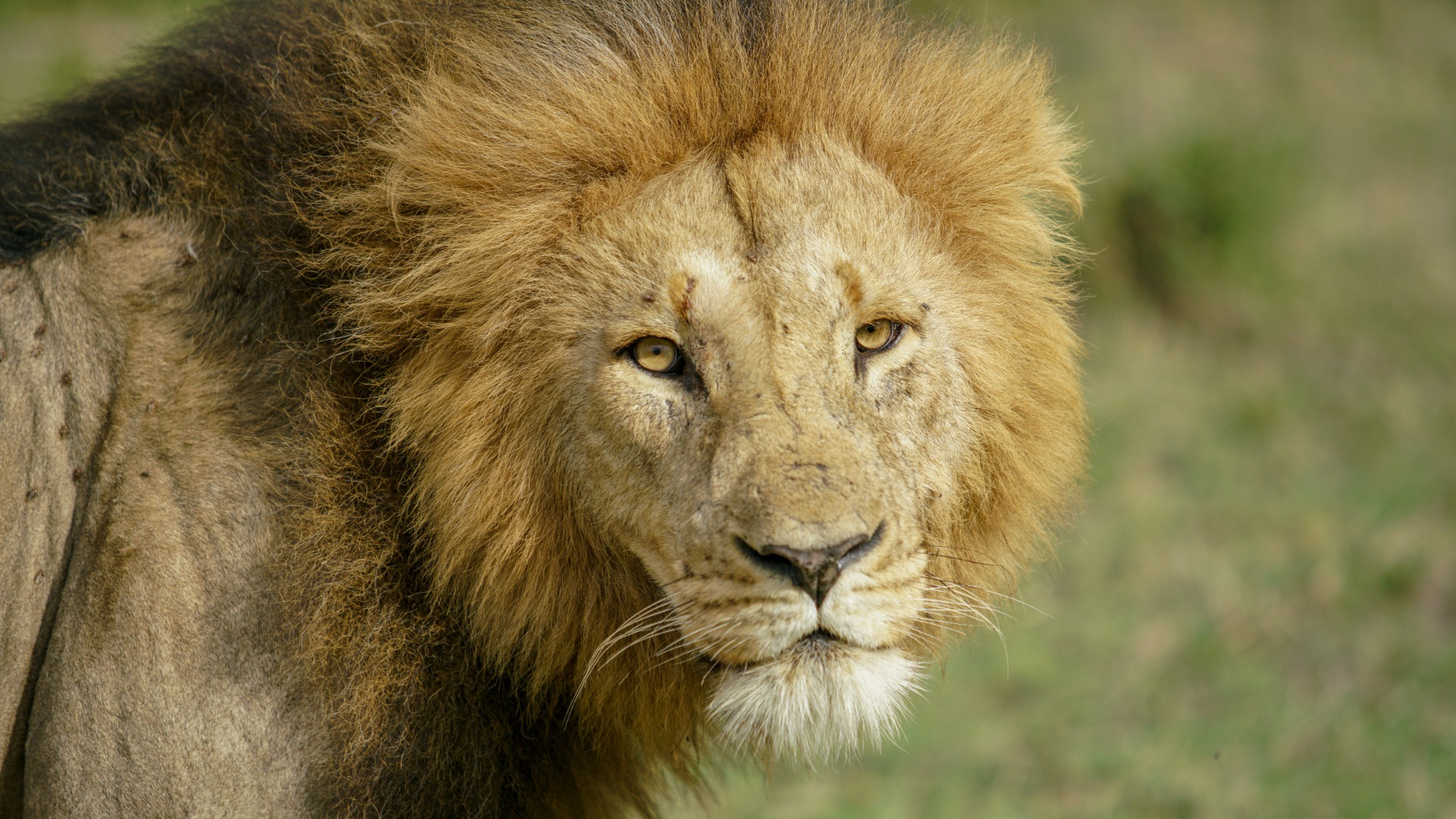
Lions in Kruger exhibit territorial prowess, with males roaring to claim 400-square-kilometre ranges along the South African park's eastern boundary. Prides hunt cooperatively at dusk, targeting buffalo calves near watercourses, their amber eyes glowing in torchlight. Peak activity surges in the dry season, when prey congregates.
Leopard Behaviours and Hotspots
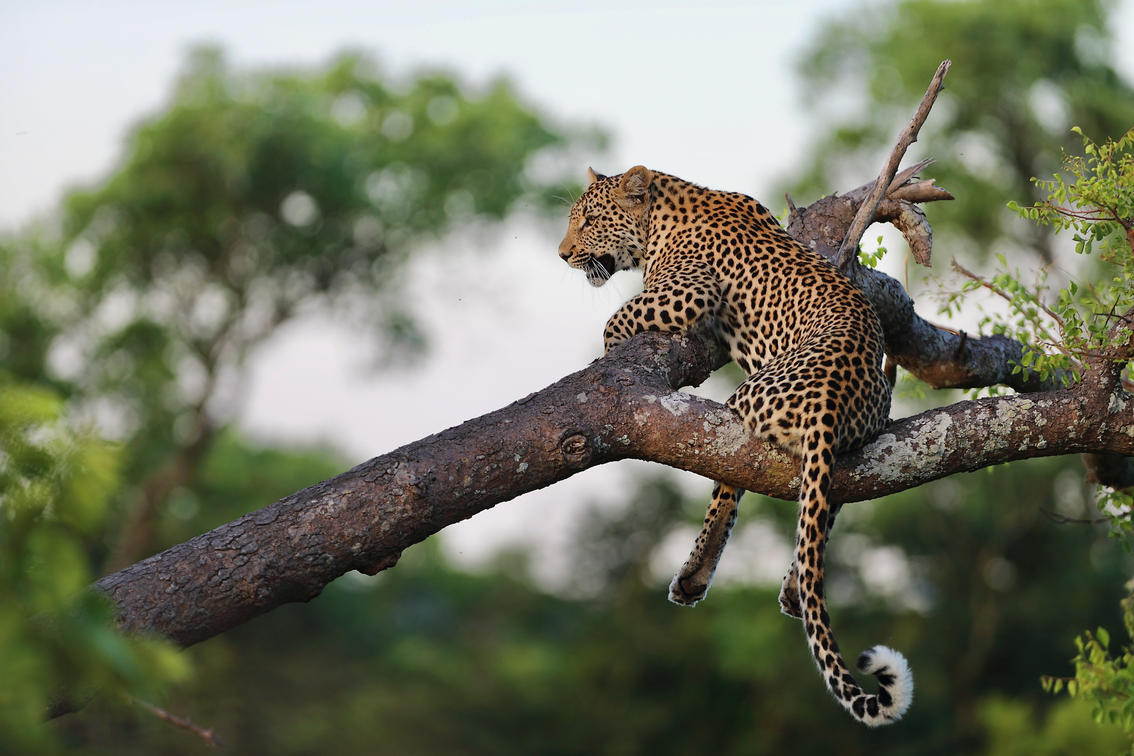
Leopards favour rocky outcrops and riverine thickets, dragging impala kills into trees to evade hyena theft. Along the Sabie River, sightings peak at night, with mothers teaching cubs to climb sycamore figs under starlit skies. Their solitary nature demands quiet game drives for intimate views.
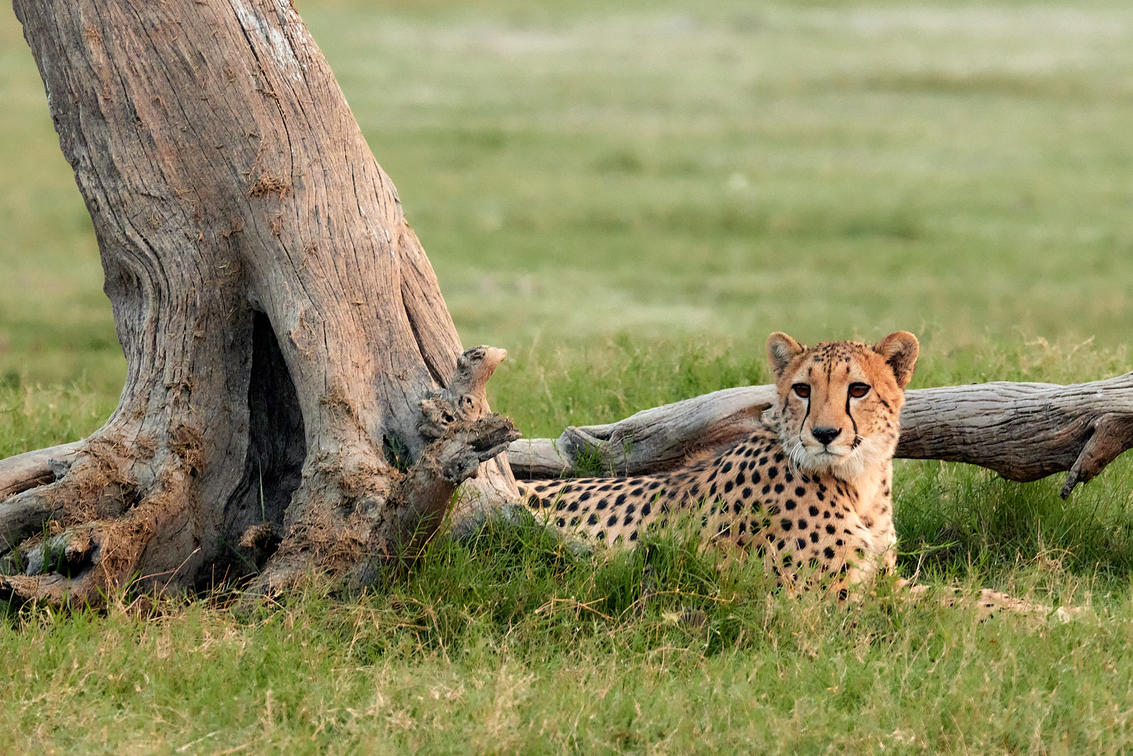
Cheetahs, fewer than 150, sprint across Sabi Sands fringes, using granite boulders as vantage points for impala chases reaching 100 km/h. Wild dogs, critically endangered packs of 300-400, launch dawn raids on mopane flats, their yips echoing as they dismantle herds with relentless precision.
Wild Dog Packs and Conservation Wins
Kruger's wild dogs boast a 80% pup survival rate in protected zones, thanks to ranger-led monitoring. Witness their coordinated hunts near Shingwedzi, where 10-member packs outmanoeuvre zebras in under five minutes.
Best Time to Visit Kruger for Wildlife Viewing
The optimal window for wildlife in Kruger National Park spans May to September, when dry conditions shrink water sources, drawing 90% of animals to rivers and pans. Daytime temperatures hover at 25°C, with crisp mornings ideal for Big Five encounters. This period aligns with southern hemisphere winter, minimising rain for dust-free vistas.
October ushers a green flush, igniting bird migrations and newborn impala, though heat climbs to 35°C. Wet summers from November to April bring lush foliage that conceals animals but bursts riverside life into vivid colour.
May-September dry months in Kruger cluster wildlife action at waterholes, transforming routine drives into front-row seats to survival spectacles.
Seasonal Breakdown for Key Species
May-July: Lions and hyenas skirmish at shrinking pools; rhinos dust-bathe openly on southern plains.
August-September: Elephant bulls in musth clash along Letaba; wild dogs den pups near Malelane.
October-November: Cheetah cubs learn hunts amid first rains; bird counts soar past 300 species.
Encounters Africa recommends tailoring visits to these peaks for maximum immersion, avoiding peak holiday crowds in December.
Elephants, Buffalo, and Hippos: Herbivore Giants of Kruger
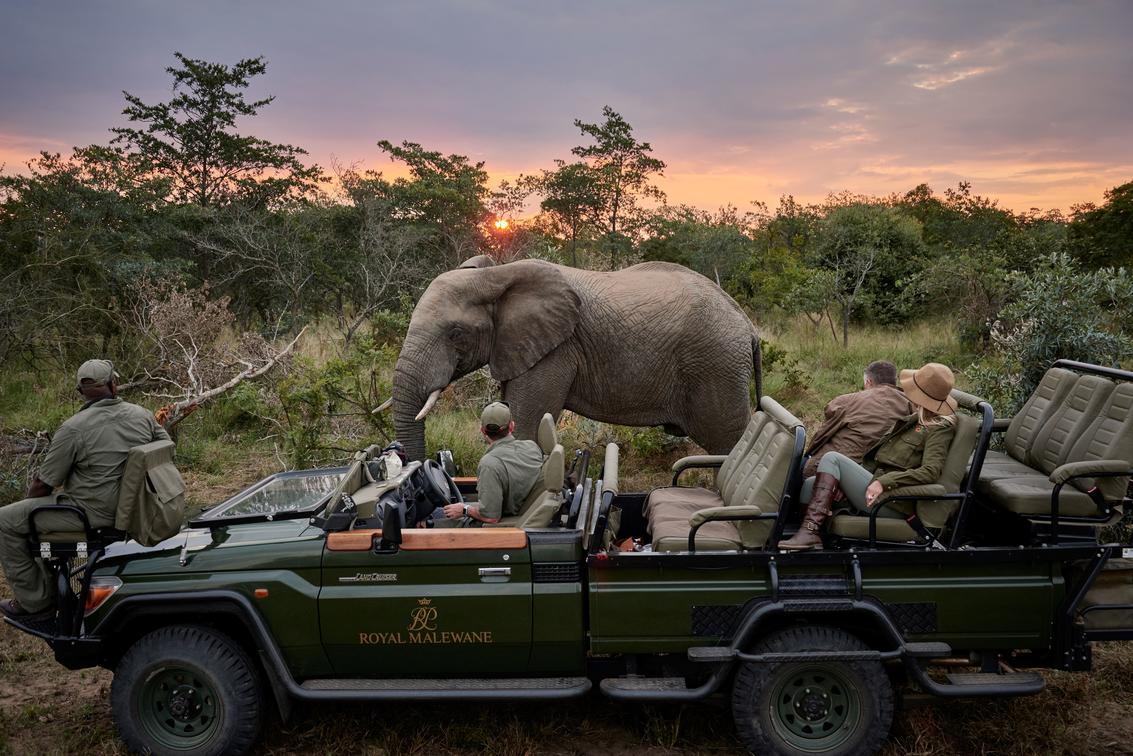
African elephants in Kruger traverse 200 km daily, browsing acacias and uprooting marulas, their matriarchs guiding families to Skukuza's permanent waters. Bulls in musth, identifiable by oozing temporal glands, charge rivals with ears flared like sails. Herds peak at 200 during dry spells near Lower Sabie.
Cape buffalo, dubbed 'black death,' mass in 500-strong phalanxes along Olifants River, grunting defiance at lion scouts. Hippos, over 3,000, submerge by day in St Lucia-linked channels, emerging at dusk to mow grasslands, their yawns revealing sword-like canines under moonlit reeds.
These herbivores fuel predator chases, creating a web of interactions visible from luxury lodges overlooking prime territories.
Birds, Smaller Mammals, and Reptiles: Kruger's Hidden Diversity
Beyond mammals, Kruger's 507 bird species include lilac-breasted rollers flashing iridescent wings over termite mounds and fish eagles calling from fever trees. Raptors like martial eagles snatch monitor lizards mid-stride, while ground hornbills strut in family clans across basaltic flats.
Smaller mammals abound: dwarf mongooses sentinel from termitaria, honey badgers rip apart beehives at dawn, and porcupines forage under nocturnal cover. Reptiles thrive too— Nile crocodiles ambush from Letaba eddies, their 5-metre jaws snapping at drifting impala, while puff adders coil on game trails.
Winter clarity amplifies these sightings, with over 50 raptor species migrating through annually.
Practical Tips for Wildlife Encounters in Kruger
Game Drive Strategies and Safety
Opt for twice-daily drives: dawn patrols catch predators returning from hunts, evening sessions reveal nocturnal stirrings. Position vehicles downwind near waterholes for unalerted approaches. Maintain 20-metre distances from elephants to avoid mock charges.
Pack binoculars (8x42 magnification ideal) and field guides for instant ID.
Visit lesser-known northern sections like Punda Maria for wild dog exclusivity.
Book guided walks with armed rangers for ground-level insights into spoor and dung.
Water is scarce in dry months—carry rehydration salts amid 30°C days.
Plan Your Kruger Wildlife Journey with Encounters Africa
Kruger National Park's wildlife tapestry weaves behaviours and seasons into unforgettable narratives, from leopard feasts in treetops to elephant parades at dawn. Whether chasing wild dogs in the north or Big Five in the south, these encounters linger long after the savannah fades.
For discerning travellers seeking private safaris beyond set itineraries, contact Encounters Africa directly via our contact page. We specialise in designing exceptional, tailor-made journeys for individuals, couples, families, and private groups of up to eight guests. Explore bespoke South Africa safaris through our network of distinguished camps, crafting seamless experiences attuned to your pace and passions.
More like this
wildlife
Leopard Shadows and Elephant Trails: A Week Tracking Zambia's Predators
Wildlife
Mapping Tanzania's Prime Wildlife Corridors for Meaningful Encounters
Wildlife
Mastering Uganda’s Wildlife Signals: Field Skills That Turn Chance Sightings Into Certain Encounters
Wildlife
Mastering Visibility: Field Techniques for Spotting Wildlife in Thick African Bush
wildlife
Month-by-Month: Where the Serengeti Migration Shifts Across Tanzania’s Plains, Corridor and River
Wildlife