Wildlife
Mastering Uganda’s Wildlife Signals: Field Skills That Turn Chance Sightings Into Certain Encounters
Encounters Africa - 10 min read
Updated on 29 July 2026
Mastering Uganda’s wildlife signals transforms every game drive and forest walk from passive observation into active discovery. By learning to interpret the landscape’s quiet language — from bent blades of grass to distant primate calls — travellers can anticipate movements rather than simply react to fleeting glimpses. This approach elevates a Uganda safari from good to unforgettable, revealing the intricate connections that bind predator, prey, and environment across the country’s diverse ecosystems.
Uganda hosts over 500 mammal and bird species within its network of national parks and reserves. From the dense rainforests of Kibale to the open savannahs of Queen Elizabeth and the montane slopes surrounding Bwindi, each habitat offers distinct visual and auditory cues. Understanding these signals allows visitors to position themselves respectfully and ethically, enhancing both the quality of sightings and the protection of fragile habitats.
Why Reading the Landscape Matters in Uganda
Uganda’s equatorial climate and dramatic topography create layered habitats where animals move with seasonal precision. The difference between a quiet drive and an exceptional encounter often lies in recognising the signs minutes or even hours before the animals appear. Experienced rangers and trackers rely on these indicators daily, turning what might seem like random bush into a readable map of recent activity.
The bush never lies if you know how to listen — a single broken twig or shifted leaf can tell an entire story of who passed, when, and why.
Learning these skills also deepens appreciation for the delicate balance that conservationists work to maintain. When travellers understand the signals, they become more conscious participants in wildlife protection rather than mere spectators. This awareness supports the long-term sustainability of Uganda’s protected areas, many of which face increasing pressure from surrounding communities and climate variability.

Decoding Elephant Pathways and Movement Signs
Elephants leave some of the most obvious yet frequently overlooked traces across Uganda’s parks. Fresh pathways through tall grass often appear as flattened corridors roughly two metres wide, with the direction of travel indicated by the way vegetation is bent. In Uganda, particularly around Queen Elizabeth National Park, these paths frequently lead toward water sources during the dry season from June to September.
Look closely at dung piles for freshness — glossy, moist droppings suggest the animals passed within the last few hours. The presence of undigested seeds or specific plants can indicate what the herd has been feeding on and where they might head next. Broken branches at shoulder height, stripped of bark or leaves, provide further confirmation of recent passage.
Subtle Vegetation Changes That Reveal Presence
Beyond obvious paths, elephants alter their surroundings in ways that experienced eyes can detect from vehicles or on foot. Trees with fresh scarring where bark has been rubbed away often indicate rubbing posts used to remove mud or parasites. In forested areas like Kibale, look for circular clearings where family groups have rested, compressing undergrowth into natural platforms.
Guides at lodges such as Crater Safari Lodge- Kibale teach guests to notice these patterns during morning walks. The skill develops quickly with practice, turning what initially appears as uniform bush into a narrative of movement, feeding, and social behaviour. These observations become particularly valuable during the wetter months from March to May when vegetation grows rapidly and signs can be obscured within days.
Interpreting Primate Alarm Calls and Vocalisations
Uganda’s forests resonate with layered sounds that function as an early warning system for those who can decipher them. Vervet monkeys produce distinct calls for different predators — a barking cough for leopards, a high-pitched chatter for snakes, and a specific grunt for eagles. Chimpanzees in Kibale and Budongo forests employ over 30 different vocalisations, each carrying specific information about food sources, danger, or social dynamics.
The key lies in learning which calls indicate immediate presence rather than distant activity. A sudden silence following a burst of alarm calls often means a predator has been spotted and the troop is frozen in place. Conversely, excited whooping from chimpanzees frequently signals a successful hunt or abundant fruiting tree worth investigating.
In the forest, silence can speak louder than any scream — when the usual chorus of birds and monkeys falls quiet, something significant is moving through the undergrowth.
Distinguishing Between Different Monkey Species
Red-tailed monkeys, blue monkeys, and black-and-white colobus each have signature alarm patterns that experienced trackers recognise instantly. Colobus monkeys produce a distinctive roaring call that carries for kilometres, often used to announce territory rather than signal immediate danger. Learning these differences allows visitors to anticipate which larger predators might be nearby, as different primates react differently to lions, leopards, or crowned eagles.
During chimpanzee tracking in Uganda, guides from community partnerships around Kibale explain these vocal nuances while maintaining the required seven-metre distance from habituated groups. The practice not only improves sighting success but fosters greater respect for the complex social structures these primates maintain.
Reading Bird Activity as Wildlife Indicators
Birds serve as some of the most reliable indicators of larger animal presence across Uganda’s varied landscapes. Oxpeckers clinging to buffalo or giraffe create visible movement against the animals’ bodies, while their sharp hissing calls alert to nearby predators. Vultures circling in kettles often signal a recent kill, with different species arriving in predictable succession that reveals how fresh the carcass might be.
In Queen Elizabeth National Park, look for egrets following elephant herds or cattle egrets working alongside buffalo. Their presence indicates large herbivores moving through the area, which in turn attracts predators. Kingfishers and bee-eaters lining the Kazinga Channel suggest productive fishing conditions that might also draw crocodiles and hippos to the same waters.
Understanding Alarm Calls from Avian Species
Certain birds function as the bush’s sentinels. Go-away birds earned their name through their rasping alarm calls that warn of approaching danger, while helmeted guineafowl produce staccato chatter when disturbed by large mammals. Learning to differentiate between general disturbance calls and specific predator alerts takes time but dramatically improves encounter rates.
Professional guides often stop vehicles when they hear specific bird activity, scanning the area for the cause of agitation. This patient approach frequently reveals leopards resting in trees or lions hidden in long grass that less attentive observers would miss entirely. The technique proves especially valuable during the December to February period when many migratory birds join resident species, creating even richer acoustic layers.
Recognising Fresh Tracks and Ground Signs
Uganda’s varied soil types preserve tracks with remarkable clarity, particularly after overnight rains. Lion prints show four toes with visible claw marks absent in most cases, while leopard tracks display more rounded main pads. Elephant footprints in soft ground can measure up to 45 centimetres across, with distinct toenail impressions that indicate the animal’s age and size.
Hyena tracks resemble dog prints but with four toes instead of five, while buffalo leave deep, cloven prints that often appear in muddy wallows. The depth and clarity of prints reveal how recently the animal passed — sharp edges suggest movement within the last few hours, while blurred outlines indicate older signs softened by wind or light rain.
Tracks are the handwriting of the wild — each print tells not just who made it, but when they passed, how quickly they were moving, and often why.
Interpreting Combined Sign for Accurate Predictions
The most skilled observers combine multiple indicators rather than relying on single signs. Fresh dung near clear prints, accompanied by broken vegetation and recent bird activity, creates a comprehensive picture of recent wildlife movements. In Murchison Falls National Park, guides use these combined signals to predict where Nile crocodiles might be basking or when hippo pods will return to the water after nocturnal grazing.
Learning these combinations requires patience and repetition, ideally under the guidance of experienced local trackers. Many community-based lodges near Uganda’s parks now incorporate tracking education into their guest programmes, creating deeper connections between visitors and the landscapes they travel through.

Seasonal Considerations for Optimal Signal Reading
Uganda’s two rainy seasons dramatically affect how visible wildlife signals become. The long rains from March to May can wash away tracks within hours, while the dry season from June to September concentrates animals around remaining water sources, making signs easier to interpret. Understanding these patterns allows travellers to time their visits for maximum learning opportunities.
During drier months, dust on leaves and vegetation can reveal recent passage through otherwise invisible pathways. In contrast, the wet season brings fresh growth that animals browse selectively, leaving distinctive feeding patterns that reveal preferred food sources and likely return times.
Adapting Techniques Across Different Ugandan Parks
Each protected area requires slightly different observational approaches. The dense forests of Bwindi demand greater reliance on auditory cues and broken vegetation, while the open plains of Kidepo Valley allow for longer-range visual scanning of dust clouds and distant herds. Queen Elizabeth’s varied terrain combines both, with the Kazinga Channel offering exceptional opportunities to observe aquatic indicators.
Successful signal reading therefore involves adapting techniques to local conditions while maintaining core principles of patience, silence, and systematic observation. This flexibility forms the foundation of truly rewarding wildlife experiences across the country.
Common Questions About Spotting Wildlife in Uganda
What is the best time to visit Uganda for learning wildlife signals?
The best time to visit Uganda for mastering wildlife signals is during the dry seasons from June to September and December to February. Lower vegetation and concentrated water sources make tracks, pathways, and other indicators more visible and easier to interpret. These periods also see reduced rainfall, which preserves ground signs longer than during the wet months.
Do I need previous tracking experience to read Uganda’s wildlife signals effectively?
No prior experience is necessary. Most visitors develop basic proficiency within the first few days when accompanied by knowledgeable guides. The key lies in learning to notice rather than simply look, with experienced rangers providing context that accelerates the learning process dramatically.
Which Ugandan park offers the greatest variety of readable wildlife signals?
Queen Elizabeth National Park provides exceptional diversity due to its combination of savannah, wetland, and forest habitats. The variety allows observers to practice multiple signal-reading techniques within a single visit, from aquatic indicators along the Kazinga Channel to forest cues in the Maramagambo area.
Conservation Benefits of Skilled Observation
When travellers learn to read wildlife signals accurately, they develop greater appreciation for the complexity of natural systems. This understanding often translates into stronger support for conservation initiatives and more responsible behaviour in sensitive habitats. Many visitors return home as advocates for the protected areas they have come to understand more intimately.
Community-based conservation programmes around Uganda increasingly involve visitors in citizen science projects that utilise these observational skills. Recording specific calls, track measurements, or unusual behaviour contributes valuable data to ongoing research while deepening each participant’s connection to the landscape.
Developing Your Field Skills for Future Journeys
Mastering Uganda’s wildlife signals opens doors to more meaningful encounters across not only this remarkable country but other East African destinations as well. The observational techniques learned here transfer readily to experiences in Kenya or Tanzania, creating a foundation for increasingly sophisticated wildlife appreciation with each subsequent safari.
For discerning travellers seeking a private safari beyond our set itineraries, we invite you to contact us directly. We specialise in designing exceptional, tailor-made journeys for individuals, couples, families, and private groups of up to eight guests. Drawing on our handpicked network of distinguished camps and lodges, we curate every detail with precision and care, creating a seamless, deeply personal safari experience shaped entirely around your preferences, pace, and budget.
Begin your journey toward more meaningful wildlife encounters by reaching out to Encounters Africa today. Our specialists will help craft an experience that builds these field skills while ensuring access to the most knowledgeable local guides and pristine wilderness areas. The wild has stories to tell — we simply help you learn its language.
More like this
Wildlife
Mastering Visibility: Field Techniques for Spotting Wildlife in Thick African Bush
wildlife
Month-by-Month: Where the Serengeti Migration Shifts Across Tanzania’s Plains, Corridor and River
Wildlife
Plan Your Mara River Crossing: Key Dates and Migration Patterns for 2026
Wildlife
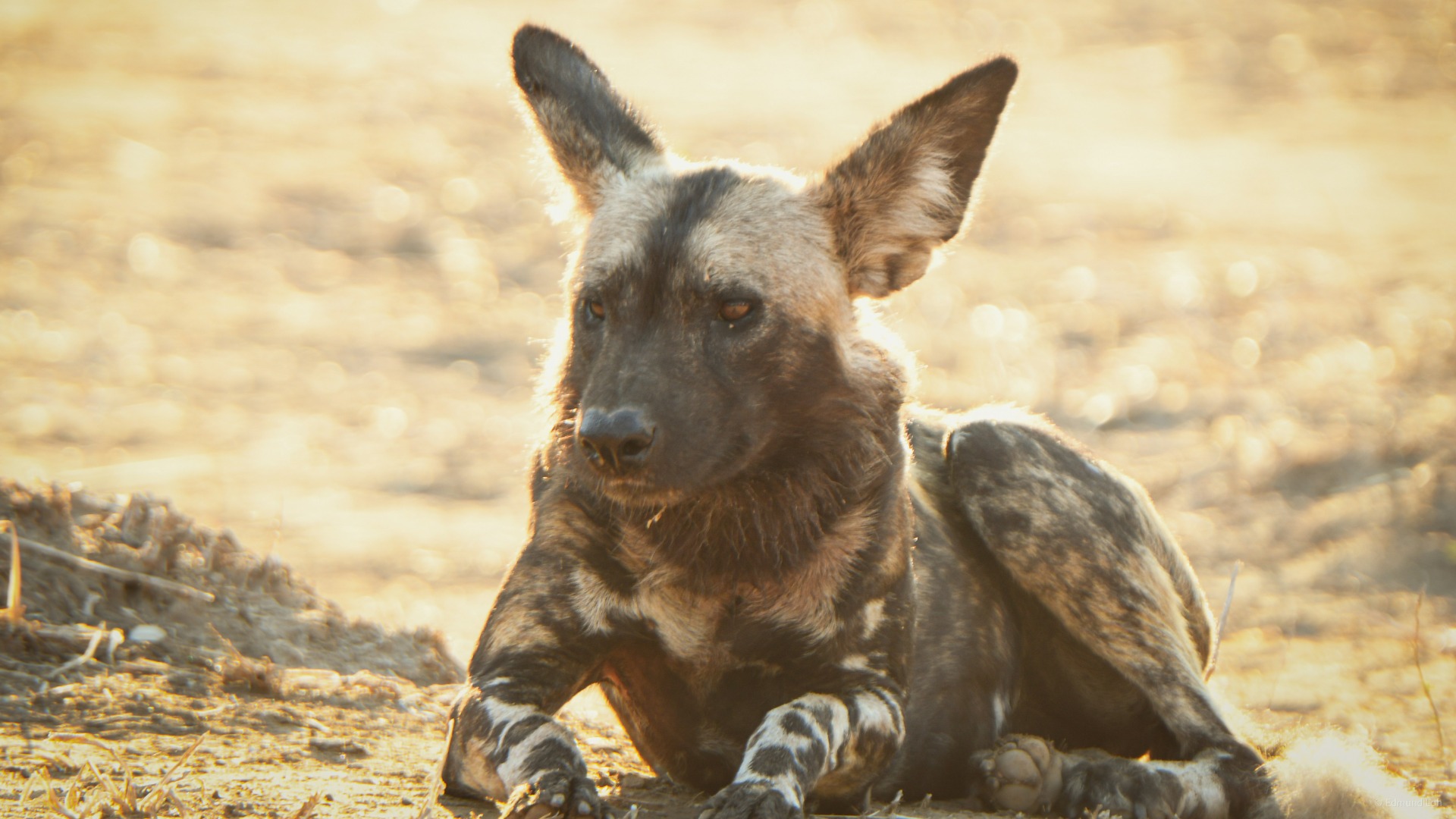
Practical African Destinations Hosting Viable African Wild Dog Populations in 2024
Wildlife
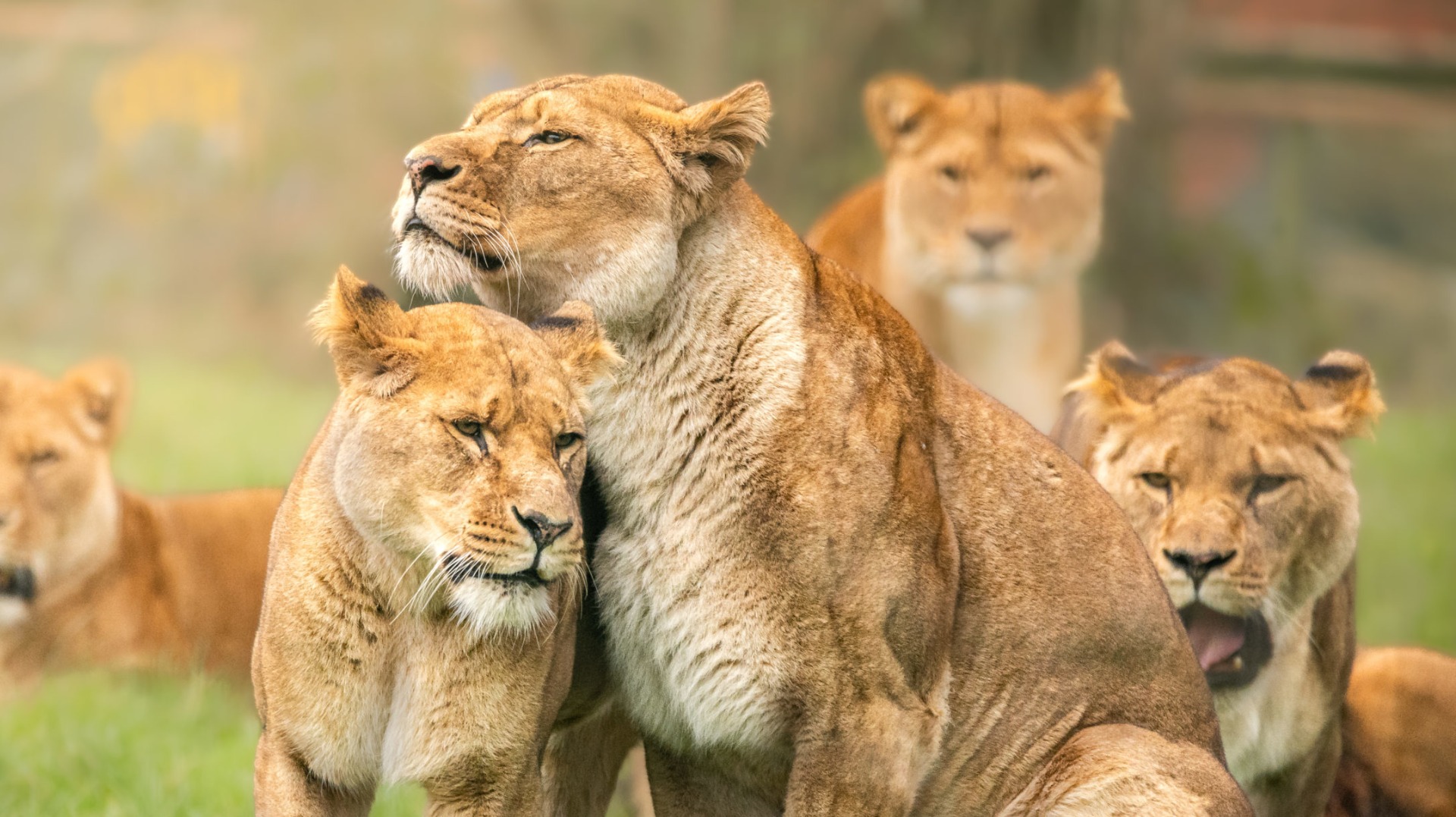
Practical Guide to Spotting Serengeti Wildlife in Tanzania Across Seasons
Wildlife