Wildlife
Mastering Visibility: Field Techniques for Spotting Wildlife in Thick African Bush
Encounters Africa - 10 min read
Updated on 11 August 2026
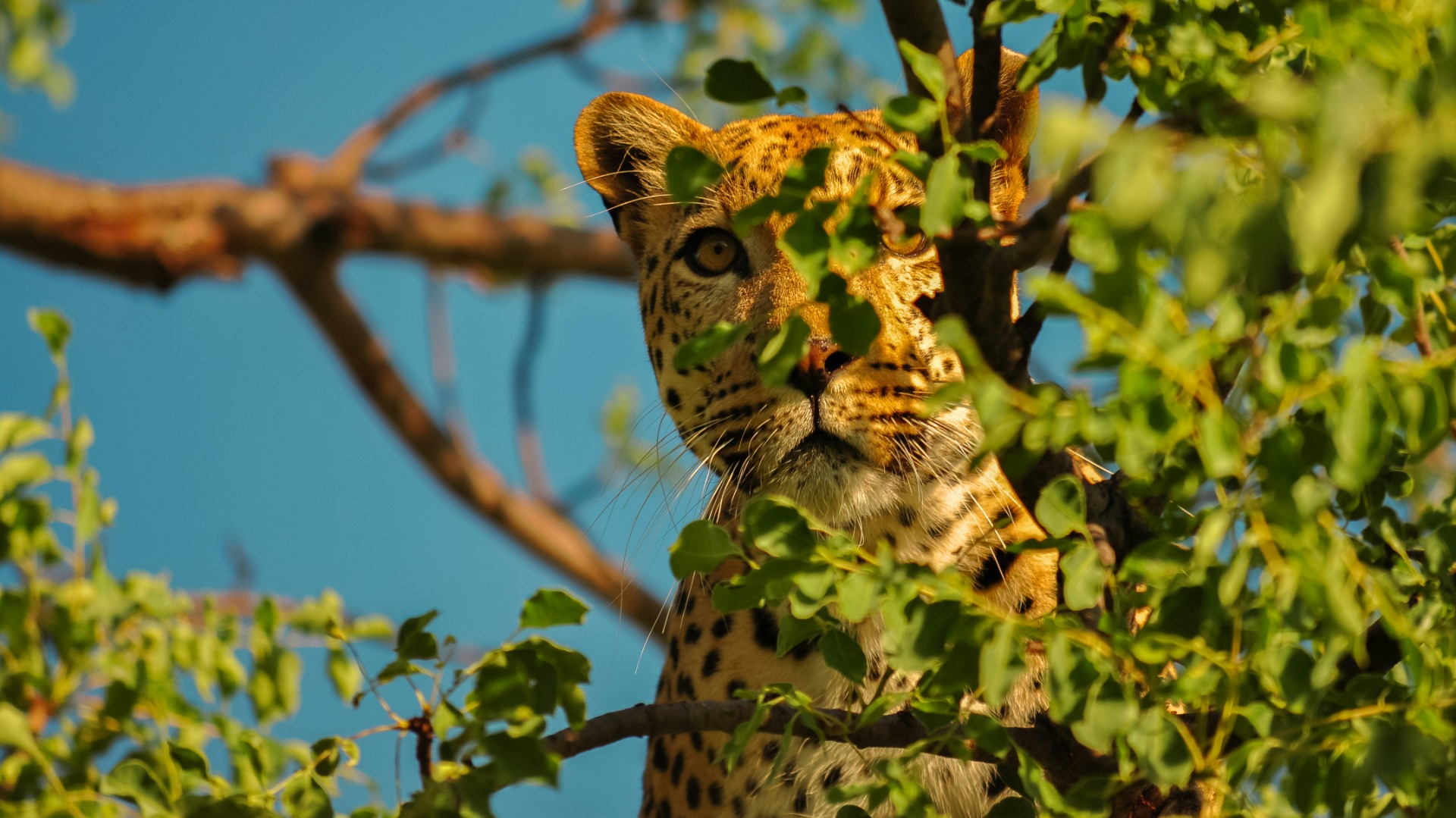
Mastering visibility in thick African bush requires more than sharp eyesight. Experienced travellers learn to interpret the landscape itself, from the whisper of dry grass to the faint imprint left in soft earth, transforming what seems impenetrable into a living map of animal presence. This approach allows intimate encounters with lions resting in dappled shade, elephants threading through mopane thickets, and antelope melting into the foliage, all while causing minimal disturbance in places such as the Okavango Delta and Tanzania's Selous Game Reserve.
The dense vegetation of Africa's premier wildlife areas presents both challenge and reward. By combining patient observation with proven field techniques, you can move beyond casual sightings into deeper understanding of how creatures navigate their environment. Encounters Africa has guided thousands through these environments, emphasising respect and awareness that elevates every game drive into something memorable.

In thick bush, the most revealing stories are told not by what you see first, but by what the surroundings reveal before the animal appears.
Understanding the Challenge of Dense African Vegetation
African bush varies dramatically by region and season. In the Okavango Delta, seasonal floods create corridors of lush papyrus and acacia that conceal movements, while the miombo woodlands of Selous offer tangled undergrowth where visibility rarely exceeds thirty metres. These conditions test even seasoned observers, demanding a shift from wide scanning to focused interpretation of small details.
During the dry months from May to October, vegetation thins slightly yet remains dense enough to hide large mammals until they are surprisingly close. The wet season brings its own difficulties as new growth explodes, turning familiar paths into green tunnels. Recognising these seasonal shifts helps travellers anticipate when animals are most likely to use certain routes or water sources.
Guides at camps like Duba Plains Camp in Botswana stress that visibility is rarely about seeing everything. Instead, it involves learning the language of the bush: how a particular bird's alarm call differs when a leopard is present versus a passing hyena, or how the angle of broken twigs can indicate direction of travel.
Why Thick Bush Demands Different Skills Than Open Plains
Open savannah allows long-distance spotting, but dense thicket requires reading indirect signs. A puff of dust rising above the treeline might signal zebra on the move, while a sudden silence among insects often precedes the appearance of a predator. These subtle cues become second nature with practice.
Reading Subtle Signs in Overgrown Terrain
Wildlife viewing in thick vegetation begins with learning to notice what most overlook. Fresh tracks in damp soil, snapped twigs at specific heights, and compressed grass all tell precise stories about who passed by and when. A knowledgeable guide can determine from droppings not only the species but also how recently it was deposited and what the animal had been eating.
Listen actively. The rustle of leaves might be wind, but a rhythmic pattern often reveals an animal feeding or moving deliberately. Different species produce distinctive sounds: the heavy crunch of an elephant browsing differs markedly from the lighter steps of a kudu. In the Selous, the distinctive bark of bushbuck serves as an early warning system that something significant is nearby.
The bush speaks constantly if you develop the patience to listen rather than simply look.
Interpreting Tracks, Scat, and Broken Vegetation
Track identification reveals far more than species. The depth of an imprint can indicate an animal's weight and speed, while the direction of toe drag shows whether it was relaxed or fleeing. Scat provides information about diet and health, helping predict where that individual might head next for water or minerals.
Pay attention to vegetation disturbance at different levels. Elephants leave high breaks, while smaller antelope create lower pathways. In Selinda Reserve, these overlapping highways create a network that experienced trackers follow like roads on a map.
Optimal Light Angles and Timing Your Observations
Light transforms visibility in dense bush. Early morning and late afternoon offer the most favourable conditions, with low-angle sunlight filtering through leaves to create contrast and depth. Midday glare bounces harshly off foliage, flattening details and making animals harder to distinguish from their surroundings.
Positioning yourself with the sun at your back illuminates subjects while keeping your own shadow from alerting them. When animals face into the light, their eyes catch the glow, making them easier to spot among shadows. Understanding these principles allows you to anticipate better viewing opportunities throughout the day.
In the Okavango during June and July, when temperatures are cooler, animals remain active longer into the morning, extending the window for quality observations. By October, the intense heat drives them into thick shade by mid-morning, requiring different strategies focused on water sources and well-trodden paths.
Using Golden Hour to Your Advantage in Thick Bush
The hour after sunrise and before sunset provides magical conditions. Warm light reveals textures in fur and feathers while creating natural highlights against darker backgrounds. Many predators hunt during these periods, increasing the chance of dynamic encounters.
Mastering Quiet Movement and Positioning
Stealth begins before you leave the vehicle. Clothing in muted earth tones reduces visual impact, while avoiding noisy fabrics prevents unnecessary sound. Movement should be deliberate and slow, with weight transferred carefully to avoid snapping twigs or rustling leaves that announce your presence.
When on foot, guides typically position themselves between guests and potential danger while using hand signals to communicate findings. Stopping frequently to listen and observe allows the bush to settle around you, often revealing animals that were previously hidden. In thick miombo, sitting quietly for ten to fifteen minutes can bring the forest back to life with movement.
Wind direction matters enormously. Animals rely heavily on scent, so approaching from downwind keeps your presence undetected longer. Many camps in Zambia and Botswana incorporate this principle into their walking safari routes, maximising encounters while maintaining safety.
Developing Patience and the Art of Stillness
Stillness is perhaps the most powerful tool in dense vegetation. Animals notice movement instantly but often overlook stationary observers. By remaining motionless, you become part of the landscape, allowing creatures to resume natural behaviours within metres of your position.
Essential Equipment for Dense Bush Wildlife Viewing
While sophisticated cameras have their place, basic optics often prove more valuable in thick bush. Compact binoculars with good low-light performance, such as 8x32 or 10x42 models, offer the ideal balance between magnification and field of view. Larger lenses can become cumbersome when moving through vegetation.
A quality spotting scope on a stable tripod allows detailed observation from a distance when animals remain partially concealed. For those interested in documentation, cameras with fast autofocus and good high-ISO performance help capture moments in dappled light. However, the most important equipment remains your own senses, properly attuned to the environment.
Consider carrying a small notebook or using a phone app to record observations. Noting specific calls, track patterns, and behaviours builds knowledge over time, turning each safari into an educational journey. Many guests at Chobe Game Lodge develop lasting appreciation for these details that extends far beyond their stay.
Clothing and Personal Items That Enhance Visibility
Choose garments with practical features: multiple pockets for quick access to binoculars, muted colours that blend with the environment, and comfortable footwear for occasional walks. A brimmed hat reduces glare while a lightweight scarf can protect against dust or unexpected chill during early morning drives.
Common Mistakes to Avoid When Viewing in Thick Vegetation
Many travellers rush from sighting to sighting, missing the intricate stories unfolding around them. Standing up suddenly in a vehicle, speaking loudly, or wearing bright clothing all reduce your chances of meaningful encounters. Impatience often leads to missed opportunities that patient observers would discover.
Another frequent error involves focusing exclusively on the Big Five while overlooking smaller species that provide crucial context. The alarm call of a starling or the foraging pattern of a dung beetle can signal larger events about to unfold. Developing broader awareness creates richer, more connected experiences.
Respecting distance guidelines protects both you and the animals. In thick bush, where reactions can be unpredictable, maintaining recommended spacing prevents unnecessary stress. Responsible operators like Encounters Africa prioritise ethical viewing that puts animal welfare first.
What to Do When Visibility Seems Impossible
When the bush feels overwhelmingly dense, shift focus to smaller details. Look for movement at the edges of your vision rather than straight ahead. Allow your eyes to relax and take in the whole scene rather than searching for specific shapes. Often the animal reveals itself through what it displaces rather than direct visibility.
Some of the most profound wildlife moments happen not when you finally see the animal, but when you realise it has been watching you all along.
How to Collaborate Effectively with Your Guide and Tracker
The most successful wildlife sightings result from genuine partnership between guests and professional guides. Share what you notice, ask questions about unfamiliar signs, and remain open to learning. Experienced trackers from local communities possess generational knowledge that transforms a standard game drive into an immersive education.
Communication works both ways. If you prefer more time with a particular sighting or wish to focus on birds rather than mammals, expressing this clearly helps guides tailor the experience. Many camps now offer specialised tracking courses where guests learn basic skills alongside professionals, creating deeper appreciation for the craft.
Refer to our related article on practical ways to collaborate effectively with your safari guide for additional insights that enhance every journey. Building this relationship often leads to more frequent and rewarding encounters with elusive species.

Seasonal Considerations for Different African Regions
Each ecosystem presents unique visibility challenges throughout the year. In Botswana's Okavango Delta, the flooding cycle between May and August creates islands of dry land surrounded by water, concentrating animals in predictable areas. The dry season from September to November draws wildlife to remaining water sources, making sightings more frequent though temperatures soar.
Tanzania's Selous experiences a different rhythm, with the long rains from March to May transforming the landscape into lush green that both nourishes and conceals. The dry months bring clearer sightlines along riverbeds where large congregations gather. Understanding these patterns helps travellers choose optimal times for their specific interests.
Our Botswana Okavango Delta safari itineraries are designed around these natural cycles, ensuring guests experience the landscape at its most revealing. Similar attention to seasonal nuance guides our planning across all destinations.
Conclusion
Mastering visibility in dense African bush represents far more than a technical skill. It embodies a respectful approach to wilderness that values understanding over mere collection of sightings. Through patient observation, thoughtful movement, and genuine curiosity, travellers develop connections with the natural world that remain long after returning home.
These field techniques, refined over decades by professional guides and passionate conservationists, open doors to experiences that casual visitors rarely encounter. Whether watching a leopard melt into shadow or witnessing elephants communicate through barely visible gestures, the rewards justify the discipline required.
For discerning travellers seeking a private safari beyond our set itineraries, we invite you to contact us directly. We specialise in designing exceptional, tailor-made journeys for individuals, couples, families, and private groups of up to eight guests. Drawing on our handpicked network of distinguished camps and lodges, we curate every detail with precision and care, creating a seamless, deeply personal safari experience shaped entirely around your preferences, pace, and budget.
Discover more in our article exploring how to minimise your footprint while maximising wildlife encounters across Africa. The wilderness awaits those willing to look beyond the obvious.
More like this
wildlife
Month-by-Month: Where the Serengeti Migration Shifts Across Tanzania’s Plains, Corridor and River
Wildlife
Plan Your Mara River Crossing: Key Dates and Migration Patterns for 2026
Wildlife
Practical African Destinations Hosting Viable African Wild Dog Populations in 2024
Wildlife
Practical Guide to Spotting Serengeti Wildlife in Tanzania Across Seasons
Wildlife
Practical Strategies for Capturing Tanzanian Wildlife Moments on a Luxury Safari
Wildlife