wildlife
Month-by-Month: Where the Serengeti Migration Shifts Across Tanzania’s Plains, Corridor and River
Encounters Africa - 8 min read
Updated on 31 August 2026
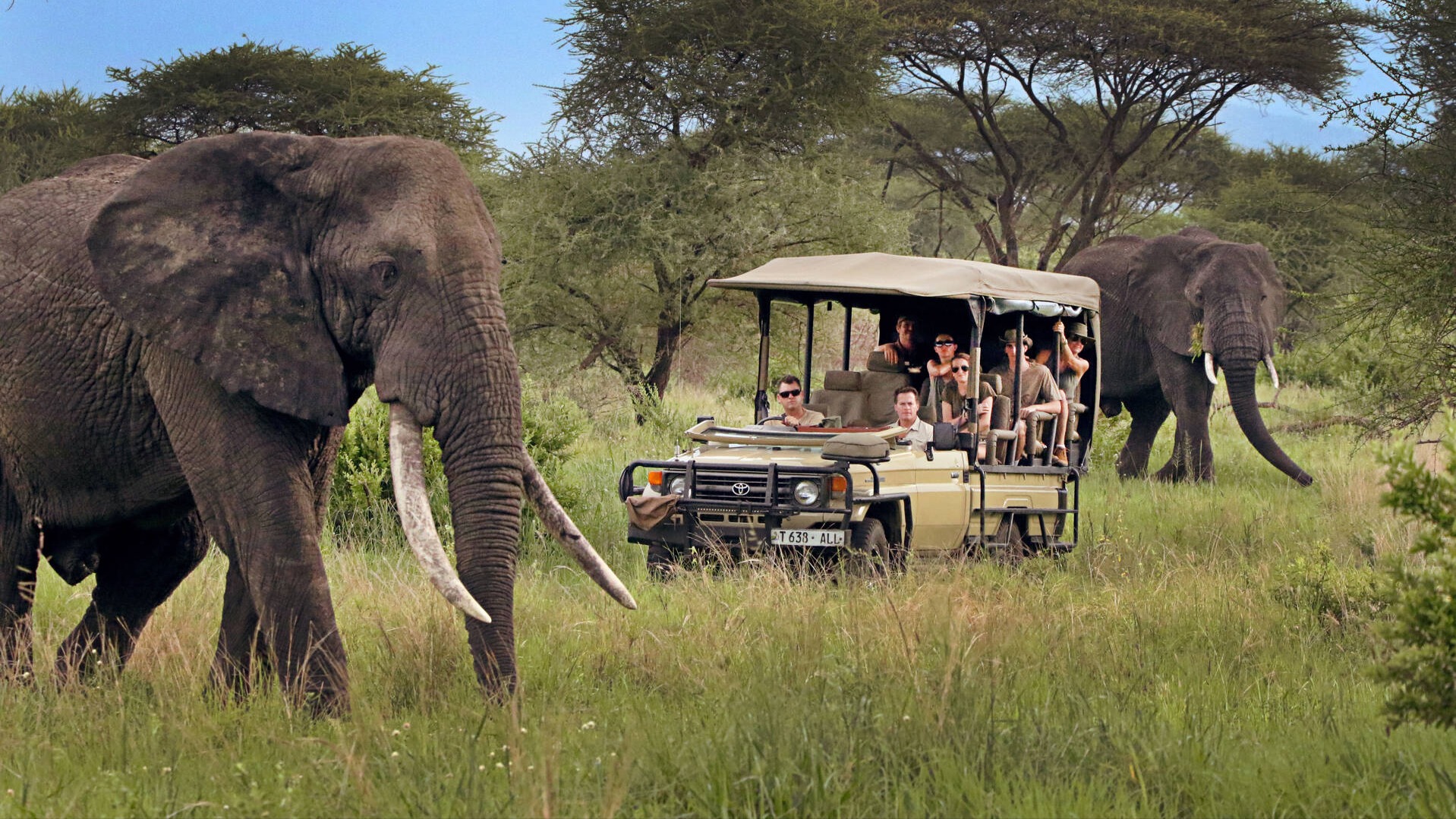
The Serengeti migration remains one of Africa's most mesmerising natural spectacles, with over a million wildebeest, accompanied by zebra and gazelle, tracing an ancient circular route driven by rainfall and fresh grazing. From the nutrient-rich southern short-grass plains where calves drop in their hundreds of thousands to the thunderous crossings of the Mara River, the movement follows a broadly seasonal pattern that seasoned guides have come to anticipate. This month-by-month account draws on decades of observation to help travellers understand where the herds concentrate and what sensory experiences await in each region of the Serengeti and adjacent Masai Mara.
Encounters Africa, the specialist arm of the Secret Namibia group, designs tailor-made safaris across eight countries by booking directly with camps and lodges rather than through layers of agents. With three decades of combined experience and 81 published itineraries that can all be reshaped, the Cape Town-based team creates deeply personal journeys for individuals, couples, families and private groups of up to eight guests. Compare landscapes in our guide Namibia safari versus Tanzania safari and explore an ultra-luxury private fly-in itinerary at 12-day ultra-luxury private fly-in safari.
The Calving Season on the Southern Plains
Between January and March the short-grass plains south of Seronera transform into a vast nursery. Pregnant wildebeest arrive in their hundreds of thousands to give birth on these lime-green expanses where lions, cheetahs and hyenas prowl the edges. The air carries the sweet scent of fresh grass mixed with the metallic tang of afterbirth, while the constant bleating of newborns creates an unbroken soundtrack that carries for kilometres.
Predator action reaches fever pitch as big cats capitalise on the vulnerable calves. A single cheetah may take several young in one morning, yet the sheer volume of births ensures the herds replenish rapidly. This is also prime time for photography, with golden light bathing the plains and dramatic storm clouds building on the horizon in the late afternoons.
The sheer scale of life renewing itself on these southern plains leaves every traveller with an indelible memory of nature's raw abundance.
April's Westward Push into the Central Serengeti
As the rains taper off, the herds begin their gradual movement westward. By mid-April the plains empty as columns of wildebeest several kilometres long stream towards the central Serengeti and the Western Corridor. The grass has been cropped short, and the animals now seek longer, more nutritious blades that follow the retreating moisture.
This transitional period offers excellent game viewing in areas around Seronera, where the concentration of predators remains high. Riverine thickets and granite kopjes provide vantage points for lions, while the open country allows clear sightlines across vast distances. Dust rises in plumes as the migration gathers momentum.
Practical Considerations for April Travel
Roads can become slippery after late showers, so experienced guides choose their routes carefully. Many travellers combine central Serengeti lodges with mobile camps that move in sync with the herds, ensuring proximity without sacrificing comfort.
May and the Western Corridor Experience
During May the bulk of the migration funnels into the Western Corridor, a narrow strip of land between the Serengeti’s main park and Lake Victoria. Here the Grumeti River presents the first serious water obstacle of the year. Although less famous than the Mara crossings, these encounters still deliver heart-stopping moments as crocodiles lunge from the murky water.
The landscape changes character with denser woodland and taller grass. Birdlife explodes with colourful rollers and bee-eaters hawking insects stirred up by the passing hooves. This remains one of the quieter months for visitors, allowing for more intimate encounters with the herds.
Far from the crowded riverbanks further north, the Western Corridor offers a raw, less photographed chapter in the migration story that rewards those who time their journey thoughtfully.
June Crossings and the Approach to the North
By early June the leading groups reach the northern Serengeti. The herds spread out across the rolling hills, feeding intensively before the next major barrier. June often sees the first tentative attempts at crossing smaller tributaries, giving travellers a preview of the drama to come.
Vegetation is still relatively lush, and the animals move in smaller, more manageable groups. This creates opportunities for walking safaris in certain concessions where guides can interpret the fresh tracks and dung that tell the story of the migration’s progress.
July to October: The Mara River Crossings and Kenyan Phase
The period from July through October marks the migration’s most celebrated phase. The herds mass along the Mara River in their tens of thousands, waiting for the right moment to plunge into the crocodile-infested waters. Each crossing is different - some pass with relative calm while others descend into chaotic, splashing pandemonium that can last for hours.
Once across, the wildebeest disperse into Kenya’s Masai Mara, where they find rich grazing on the open grasslands. August and September typically see the highest concentrations around the Mara River, with almost daily crossings in both directions as the animals move back and forth seeking the best pasture.
Predators follow every step. Lions position themselves at known crossing points, while hyenas patrol the banks looking for exhausted survivors. The sensory overload is complete: the bellowing of wildebeest, the roar of big cats, and the constant movement across golden plains create an experience that stays with travellers for years.
Why Crossings Cannot Be Guaranteed to the Day
Despite the broad seasonal pattern, exact timing depends on rainfall, which varies each year. A dry spell may delay the herds by a week or more, while unseasonal showers can trigger earlier movement. Professional guides monitor conditions daily and adjust camp locations accordingly.
Where is the Great Migration in each month of the year?
The Great Migration follows a cyclical but variable pattern shaped by rainfall. In January-March the herds gather on the southern short-grass plains for calving, with over 80 percent of births occurring in February. April sees them streaming westward into the central and western corridor as they follow the rains. By May and June they move through the Western Corridor and into the northern Serengeti. From July to October the majority concentrate along the Mara River and in Kenya’s Masai Mara, with dramatic river crossings peaking between late July and mid-September. November brings the return journey south through the central Serengeti, and by December the herds have largely regrouped on the southern plains ready to begin the cycle again. Exact locations shift with annual rainfall variation, so flexible itineraries deliver the best results.
November and December: The Long Return South
As the short rains begin in the south, the migration reverses direction. November sees the herds streaming back across the Mara River and heading towards the central Serengeti once more. The grass is fresh and green, creating ideal conditions for photography with dramatic storm light.
By December the majority have returned to the southern plains, though scattered groups may still linger in the north. This period offers a quieter experience in the northern sectors while the south begins to fill with anticipation of the coming calving season.
Understanding these seasonal shifts allows travellers to align their safari with the chapter of the migration that speaks most strongly to them, whether that is the tender sight of newborn calves or the raw power of a river crossing.
Planning Your Serengeti Migration Safari
Because the migration never adheres to a rigid timetable, the most rewarding journeys remain flexible. Mobile camps that move with the herds offer distinct advantages, while well-positioned permanent lodges in key sectors provide consistent access to different phases. Combining the Serengeti with neighbouring Tanzania regions or a stay at a private conservancy in the Masai Mara creates richer context and often better value.
Our close relationships with distinguished camps such as Elewana Serengeti Pioneer Camp and mobile operators allow us to adjust plans at short notice when the herds behave unpredictably. Whether you wish to witness the calving spectacle or the adrenaline of river crossings, a thoughtfully structured itinerary makes all the difference.
For discerning travellers seeking a private safari beyond our set itineraries, we invite you to contact us directly. We specialise in designing exceptional, tailor-made journeys for individuals, couples, families, and private groups of up to eight guests. Drawing on our handpicked network of distinguished camps and lodges, we curate every detail with precision and care, creating a seamless, deeply personal safari experience shaped entirely around your preferences, pace, and budget.
Begin the conversation today by visiting our enquiry form and allow Encounters Africa to craft your own Serengeti story.
More like this
Wildlife
Plan Your Mara River Crossing: Key Dates and Migration Patterns for 2026
Wildlife
Practical African Destinations Hosting Viable African Wild Dog Populations in 2024
Wildlife
Practical Guide to Spotting Serengeti Wildlife in Tanzania Across Seasons
Wildlife
Practical Strategies for Capturing Tanzanian Wildlife Moments on a Luxury Safari
Wildlife
Practical Ways to Witness Ugandan Animals and Wildlife on Your Next Safari
Wildlife