Wildlife
Mapping Tanzania's Prime Wildlife Corridors for Meaningful Encounters
Encounters Africa - 9 min read
Updated on 29 July 2026
The phrase Tanzanian wildlife hotspots and moments carries a particular resonance for those who have followed the great herds across the plains or waited in silence as a predator makes its calculated approach. Tanzania's prime wildlife corridors form living arteries that connect vast ecosystems, guiding the seasonal rhythms of elephants, wildebeest, and their followers in patterns that have endured for millennia. These pathways not only sustain remarkable concentrations of animals but also create opportunities for travellers to witness intimate, respectful encounters that linger long after the dust has settled.
Mapping Tanzania's prime wildlife corridors reveals how the movement of water, grass, and prey dictates where and when meaningful sightings occur. From the Baobab-dotted landscapes of Tarangire to the dramatic caldera of Ngorongoro, these routes allow for close-range observations conducted with care and guided expertise. The best time to visit these corridors is typically during the dry season from June to October, when animals concentrate around permanent water sources, or the short rains of November to December that trigger fresh migrations.
Understanding these corridors transforms a safari from a search for sightings into a deeper appreciation of the intricate web that binds every creature to its landscape.
The Great Migration Corridor: Serengeti to Ndutu
The annual journey of nearly two million wildebeest and zebra across the Serengeti-Mara ecosystem remains one of the planet's most impressive wildlife spectacles. In Tanzania, this movement follows well-established routes from the central Serengeti plains towards the Ndutu area near the Ngorongoro Conservation Area between December and March. During this period, over 500,000 calves are born within a six-week window, creating a brief but intense window of abundance for predators.
Experienced guides position vehicles at known crossing points along the Masek and Ndutu lakes, where the light is often soft and the animals approach with natural caution. Early morning and late afternoon drives prove most rewarding, as the herds move in long, undulating columns that stretch to the horizon. These moments reward patience rather than haste, allowing travellers to absorb the scale and sound of the migration without intrusion.
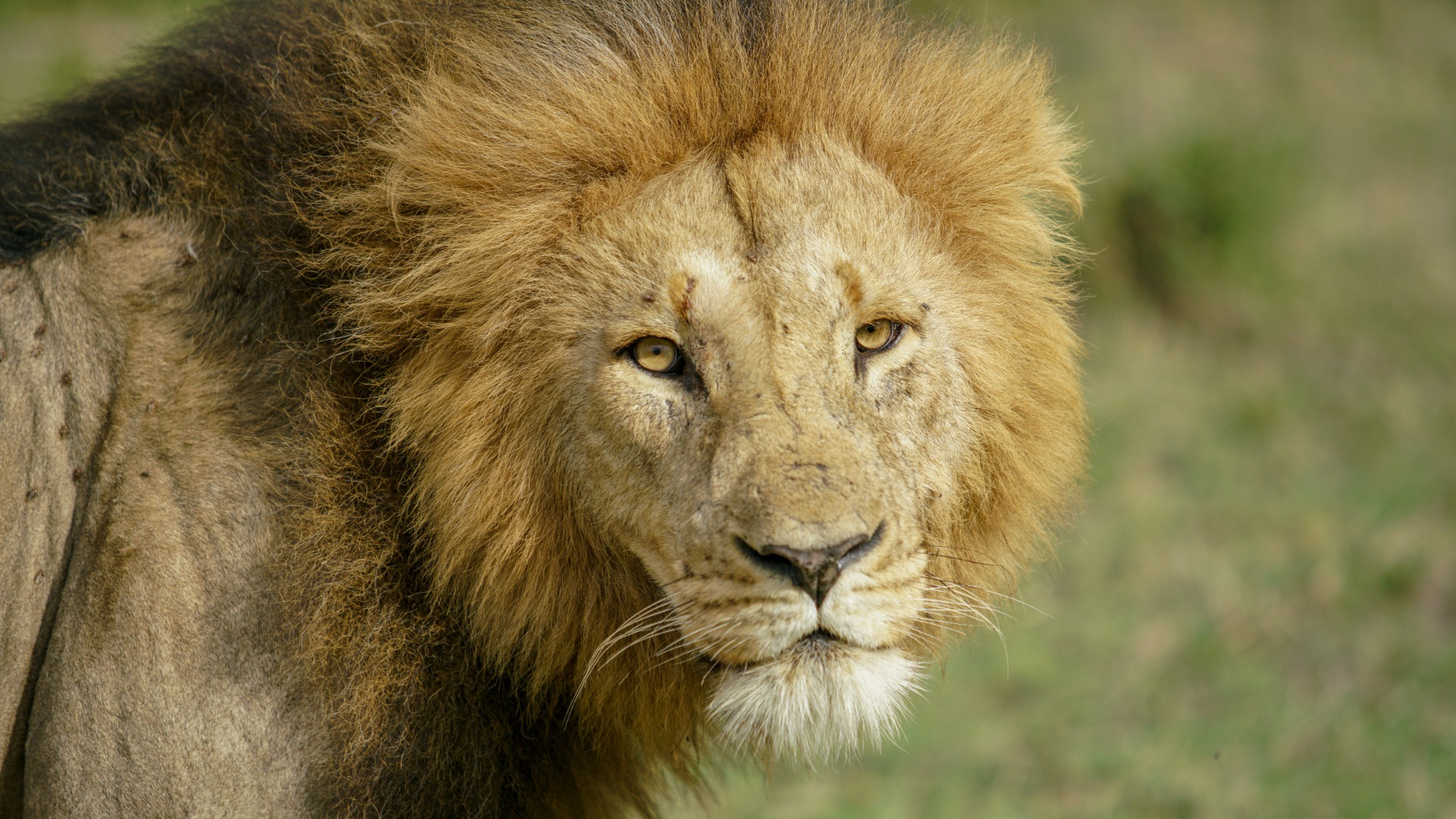
Recent surveys conducted in 2023 recorded healthy population increases, with lion numbers in the Serengeti rising by approximately 12 percent over the past decade thanks to sustained conservation efforts. This stability creates reliable opportunities to observe prides following the herds at a respectful distance.
Positioning for Respectful Observations
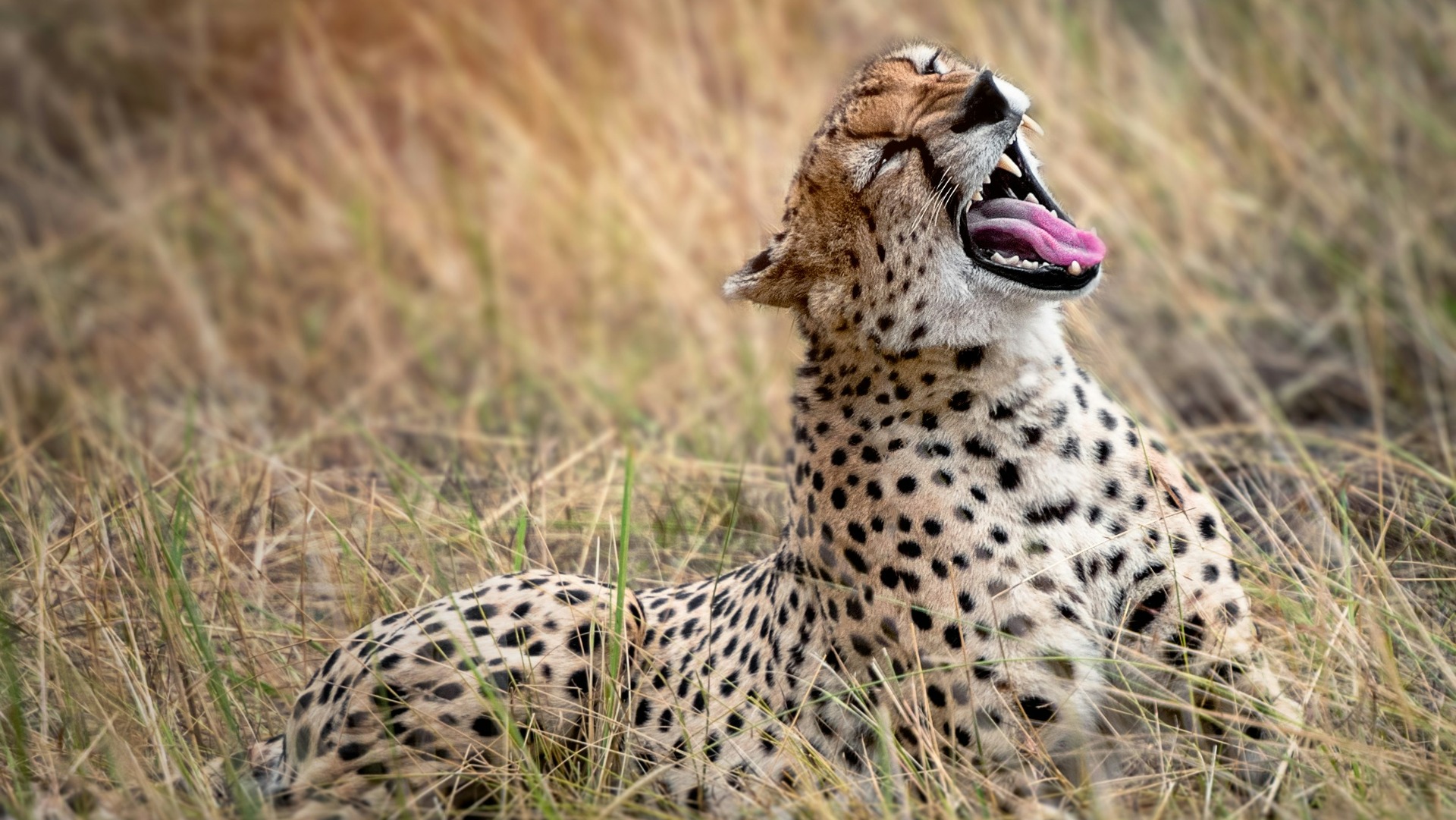
Guides trained in behavioural cues know when to switch off engines and allow the wildlife to determine the encounter. By reading wind direction, terrain contours, and herd dynamics, they ensure vehicles remain outside the animals' primary flight zones. Such practices preserve natural patterns while offering travellers the chance to witness unscripted interactions, from a cheetah mother teaching her cubs to hunt to a bachelor herd of elephants moving purposefully towards the next waterhole.
The most memorable Tanzanian wildlife moments often arrive not with drama but in the quiet intervals when animals accept your presence as part of the landscape.
Tarangire to Manyara: The Elephant Highway
Linking the Tarangire Treetops region to Lake Manyara, this vital corridor supports one of East Africa's largest elephant populations, estimated at over 3,000 individuals. The movement intensifies between July and October when the Tarangire River becomes a lifeline during the dry months. Ancient pathways carved by generations of elephants cut through acacia woodlands and volcanic soils, creating natural funnels where sightings become almost guaranteed.
At Tarangire Treetops, elevated viewing decks allow guests to watch family groups passing beneath ancient baobabs at dawn, their rumbling communications vibrating through the morning air. These encounters emphasise the matriarchal knowledge that guides each herd along routes unchanged for centuries, offering a powerful illustration of cultural transmission in the wild.
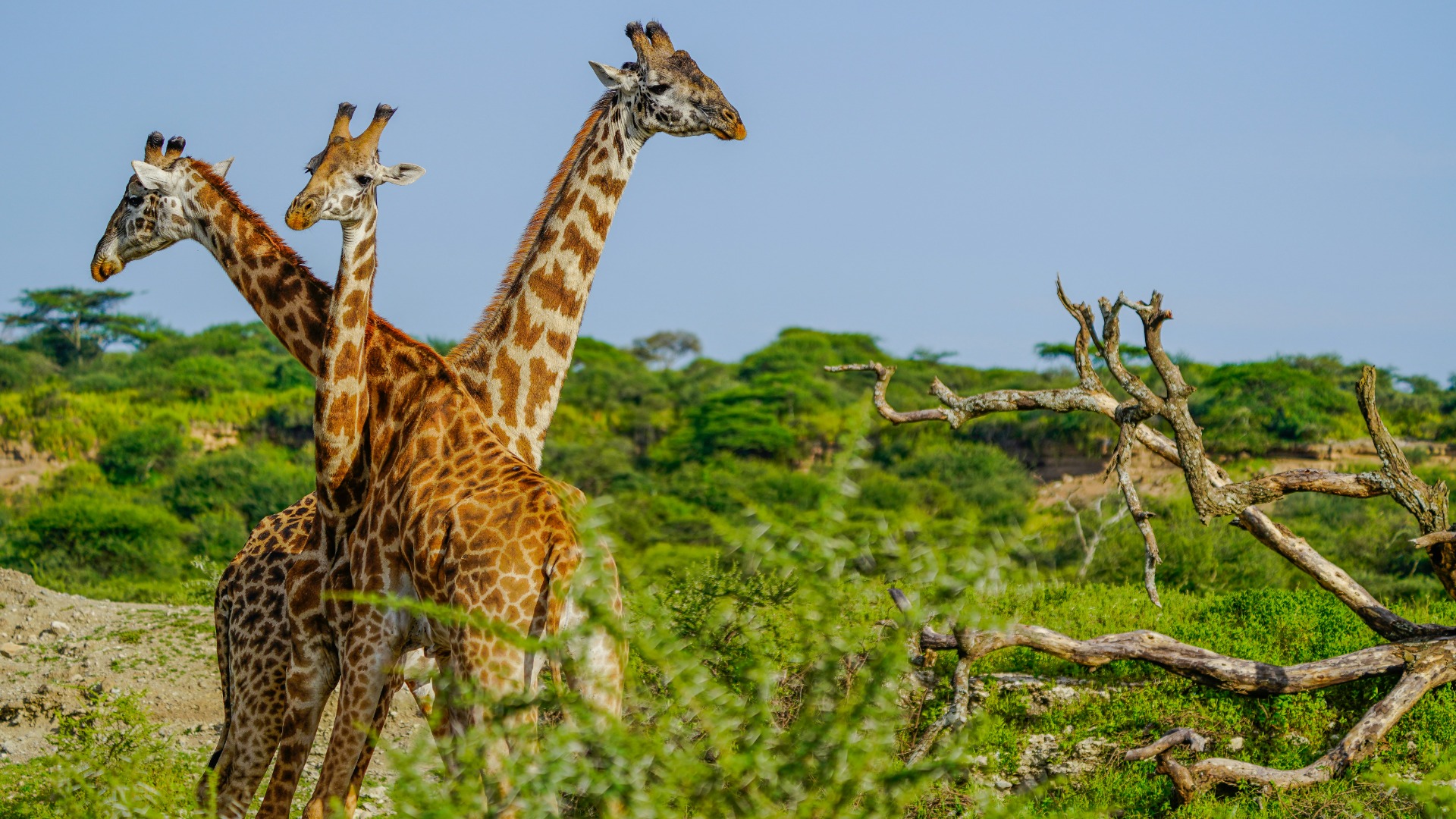
The corridor also supports healthy populations of buffalo, giraffe, and various antelope species, creating layered viewing opportunities throughout the day. Birdlife adds another dimension, with over 500 recorded species including vivid lilac-breasted rollers and majestic martial eagles.
Seasonal Influences on Sightings
Rainfall patterns dramatically affect visibility and animal distribution along this route. The long rains from March to May can make certain tracks impassable but bring forth lush vegetation that supports calving seasons for impala and gazelle. By contrast, the dry season concentrates wildlife along the river system, making it easier to predict movements and plan strategic game drives.

Ngorongoro Crater: A Self-Contained Ecosystem
Though not strictly a corridor, the Ngorongoro Crater functions as a critical node in Tanzania's wildlife network, connected to the Serengeti through the surrounding conservation area. This 260-square-kilometre caldera supports approximately 25,000 large mammals in a remarkably contained environment. The crater floor hosts resident lion prides, black rhino, and large herds of zebra and wildebeest that rarely leave its boundaries.
Descending the steep crater walls at first light reveals a scene of almost theatrical proportions, with pink flamingos often fringing the soda lake and golden jackals patrolling the short grass plains. The density of predators here creates frequent dramatic interactions, particularly during the drier months when resources become more contested.
Conservation efforts have seen the black rhino population within the crater increase from just 15 individuals in the early 1990s to over 50 today, representing one of Africa's most successful recovery stories. This recovery allows for increasingly regular sightings of these critically endangered animals in their natural habitat.
Ethical Viewing Practices in Confined Spaces
Because the crater's geography naturally concentrates animals, maintaining respectful distances becomes even more important. Professional guides limit viewing time at each sighting to prevent overcrowding and use established tracks to minimise disturbance to the fragile grasslands. This disciplined approach ensures that each encounter remains authentic and that the animals' natural behaviours continue uninterrupted.
In the Ngorongoro Crater, the absence of fences creates an illusion of wilderness while the reality of careful management reminds us that every meaningful encounter carries responsibility.
The Selous-Nyerere Corridor: Southern Tanzania's Hidden Artery
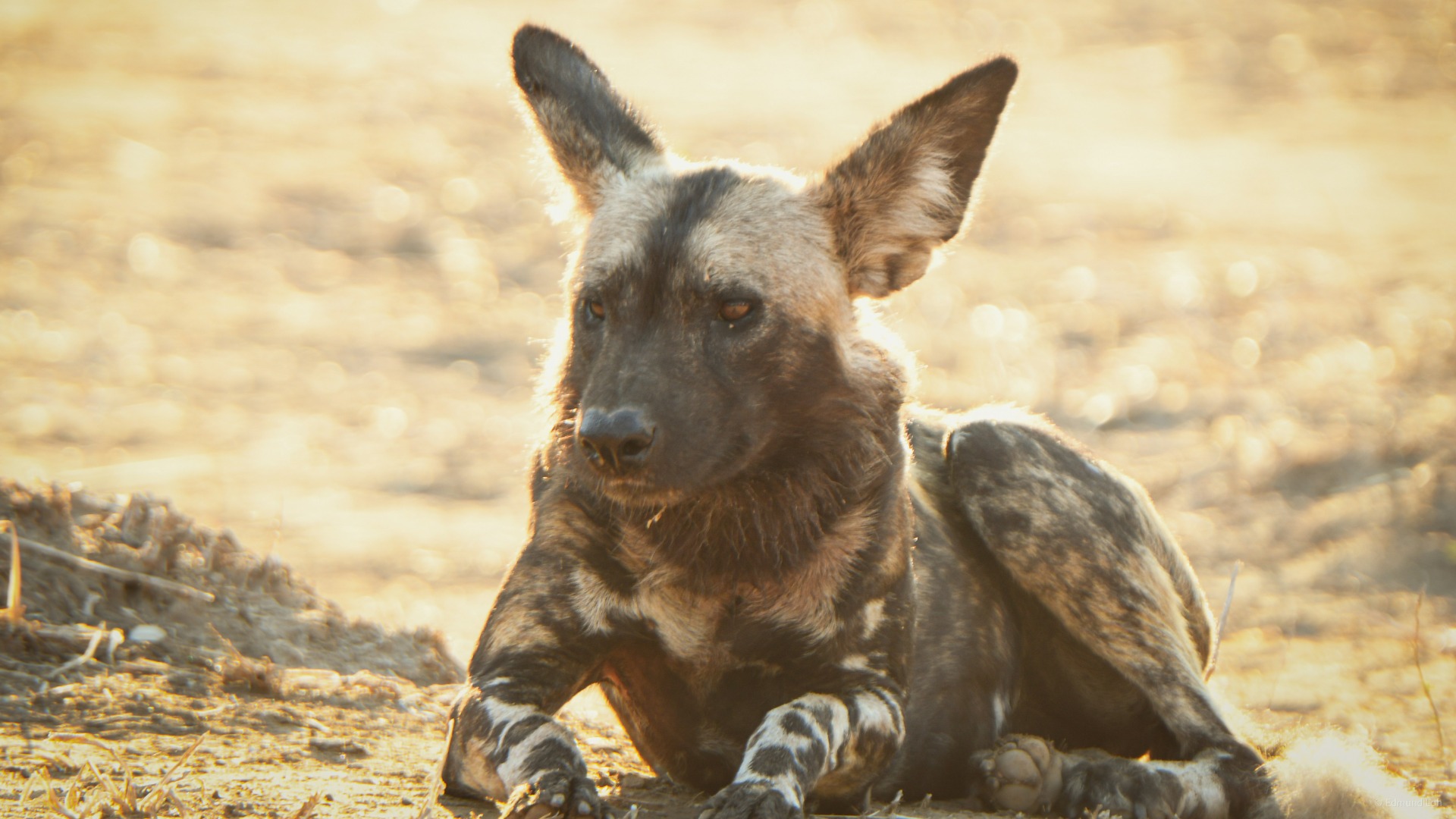
Far from the better-known northern circuits, the vast Nyerere National Park connects with the Selous Game Reserve through a network of river systems and miombo woodlands. This southern corridor supports Tanzania's largest population of African wild dogs, with packs numbering up to 20 individuals hunting across territories that can exceed 1,000 square kilometres. The Rufiji River serves as both boundary and lifeline, concentrating game during the dry season from June to October.
Boat safaris along the river offer unique perspectives, allowing travellers to drift silently past basking crocodiles and pods of hippopotamus while scanning the banks for leopard and elephant. The relative remoteness of this region means sightings often feel more exclusive, with fewer vehicles competing for views.
Recent anti-poaching initiatives have helped stabilise elephant numbers here, with estimates suggesting the greater Selous ecosystem still holds around 15,000 individuals despite historical pressures. This recovery creates opportunities to witness large breeding herds moving along traditional corridors between seasonal feeding grounds.
Understanding Corridor Conservation
Tanzania's forward-thinking approach to wildlife management recognises that protecting isolated parks is no longer sufficient. The creation of wildlife corridors between protected areas allows for genetic exchange and seasonal movement, particularly crucial in the face of climate variability. Community conservancies bordering these corridors play an essential role, with revenue from responsible tourism helping to fund education and alternative livelihoods that reduce pressure on natural resources.
Organisations working alongside the Tanzanian government have mapped over 12 critical corridors using GPS collar data from elephants and wildebeest. This scientific approach has informed land-use planning that balances the needs of wildlife with those of growing human populations.
What Makes a Meaningful Encounter?
Asked by many travellers planning their first safari, this question has a clear answer grounded in respect and preparation. Meaningful encounters occur when animals remain unaware or undisturbed by your presence, continuing their natural behaviours whether feeding, resting, or interacting with their young. Professional guides from reputable operators ensure this by following strict codes of conduct, including never off-road driving in sensitive areas and maintaining minimum viewing distances of 25 metres for most species.
The most rewarding moments often happen during walking safaris in less-visited areas, where the absence of engine noise allows travellers to experience the bush through all their senses. The scent of rain on dry earth, the alarm call of a francolin, and the distant rumble of elephants combine to create memories that transcend simple observation.

Planning Your Tanzanian Wildlife Journey
Selecting the right time and location requires balancing personal interests with seasonal realities. Those seeking the drama of the wildebeest migration should target the southern Serengeti between January and March, while elephant enthusiasts may prefer Tarangire from July to October. Combining different regions creates the richest possible experience, allowing travellers to follow the natural flow of the seasons across connected ecosystems.
Working with a specialist operator ensures access to the most exclusive camps situated directly on these corridors. Properties such as Entamanu Ngorongoro and those within the Singita Grumeti Reserve offer privileged positioning and exceptional guiding that enhances every sighting.
For discerning travellers seeking a private safari beyond our set itineraries, we invite you to contact us directly. We specialise in designing exceptional, tailor-made journeys for individuals, couples, families, and private groups of up to eight guests. Drawing on our handpicked network of distinguished camps and lodges, we curate every detail with precision and care, creating a seamless, deeply personal safari experience shaped entirely around your preferences, pace, and budget.
Whether your interest lies in documenting subtle behavioural interactions or simply absorbing the profound silence between heartbeats of the African wild, Tanzania's wildlife corridors offer unparalleled opportunities. By choosing to travel thoughtfully, each of us becomes part of the solution that ensures these ancient pathways remain open for generations to come.
At Encounters Africa, our deep understanding of these dynamic systems allows us to craft journeys that honour both the wildlife and the communities who share their landscapes. We encourage you to reach out through our enquiry form to begin planning an experience that aligns with your values and ignites your sense of wonder. The corridors await, carrying stories written in tracks, dust, and the golden light of an African afternoon.
More like this
Wildlife
Mastering Uganda’s Wildlife Signals: Field Skills That Turn Chance Sightings Into Certain Encounters
Wildlife
Mastering Visibility: Field Techniques for Spotting Wildlife in Thick African Bush
wildlife
Month-by-Month: Where the Serengeti Migration Shifts Across Tanzania’s Plains, Corridor and River
Wildlife
Plan Your Mara River Crossing: Key Dates and Migration Patterns for 2026
Wildlife
Practical African Destinations Hosting Viable African Wild Dog Populations in 2024
Wildlife