Photography
Golden Hour in the Drakensberg: Field-Proven Camera Settings for Dramatic Landscapes
Encounters Africa - 10 min read
Updated on 21 July 2026
South Africa’s shifting light demands more than instinct when chasing dramatic landscapes with a camera. In the Drakensberg, mastering golden hour means understanding how morning mist rises from the valleys at first light, selecting the precise aperture to freeze fast-moving antelope against basalt cliffs, and timing the fleeting moments when Table Mountain’s rock faces ignite in warm tones at dusk. These field-proven camera settings transform ordinary frames into images that capture the soul of the landscape.
Whether you are framing the Amphitheatre’s sheer rock walls bathed in soft alpenglow or capturing the subtle play of light across rolling grasslands, the Drakensberg rewards those who arrive prepared. Encounters Africa has guided countless photographers through these mountains, helping them translate the region’s unique light into compelling visual stories that linger long after the memory fades.
Why Golden Hour Matters in the Drakensberg
The Drakensberg’s dramatic topography creates a theatre of light unlike anywhere else in South Africa. Towering sandstone formations and deep gorges mean the sun’s low angle produces elongated shadows and rich colour saturation that simply do not exist at midday. Golden hour here lasts roughly 35 minutes at dawn and 45 minutes at dusk during the drier months, giving photographers a narrow but intensely rewarding window.
Morning light tends to be cooler and softer, often filtered through mist that clings to the valleys until 8am in winter. Evening light, by contrast, warms rapidly as the sun drops behind the escarpment, painting the rock faces in hues of amber, rose and deep gold. Understanding these patterns allows you to anticipate rather than react to the changing conditions.
The Drakensberg does not simply offer beautiful light; it sculpts it across ancient rock faces in ways that reveal new textures and depths with every passing minute.
Reading the Light Before You Arrive
Successful Drakensberg photography begins the night before. Check the exact sunrise and sunset times for your specific location, noting that they can differ by up to 20 minutes between the foothills and the high berg. Apps that show sun position relative to terrain features prove invaluable for planning compositions in advance.
Pay particular attention to weather forecasts that mention mist or low cloud. In the Cathedral Peak area, mist often forms predictably in the river valleys between April and September, creating ethereal conditions that soften harsh contrasts while adding atmospheric depth to wide-angle shots.

Essential Camera Settings for Drakensberg Golden Hour
Golden hour photography in the Drakensberg requires settings that balance the rapidly changing light while preserving detail in both highlights and shadows. The following configurations have been tested across multiple seasons and locations, delivering consistent results for landscape and wildlife combinations.
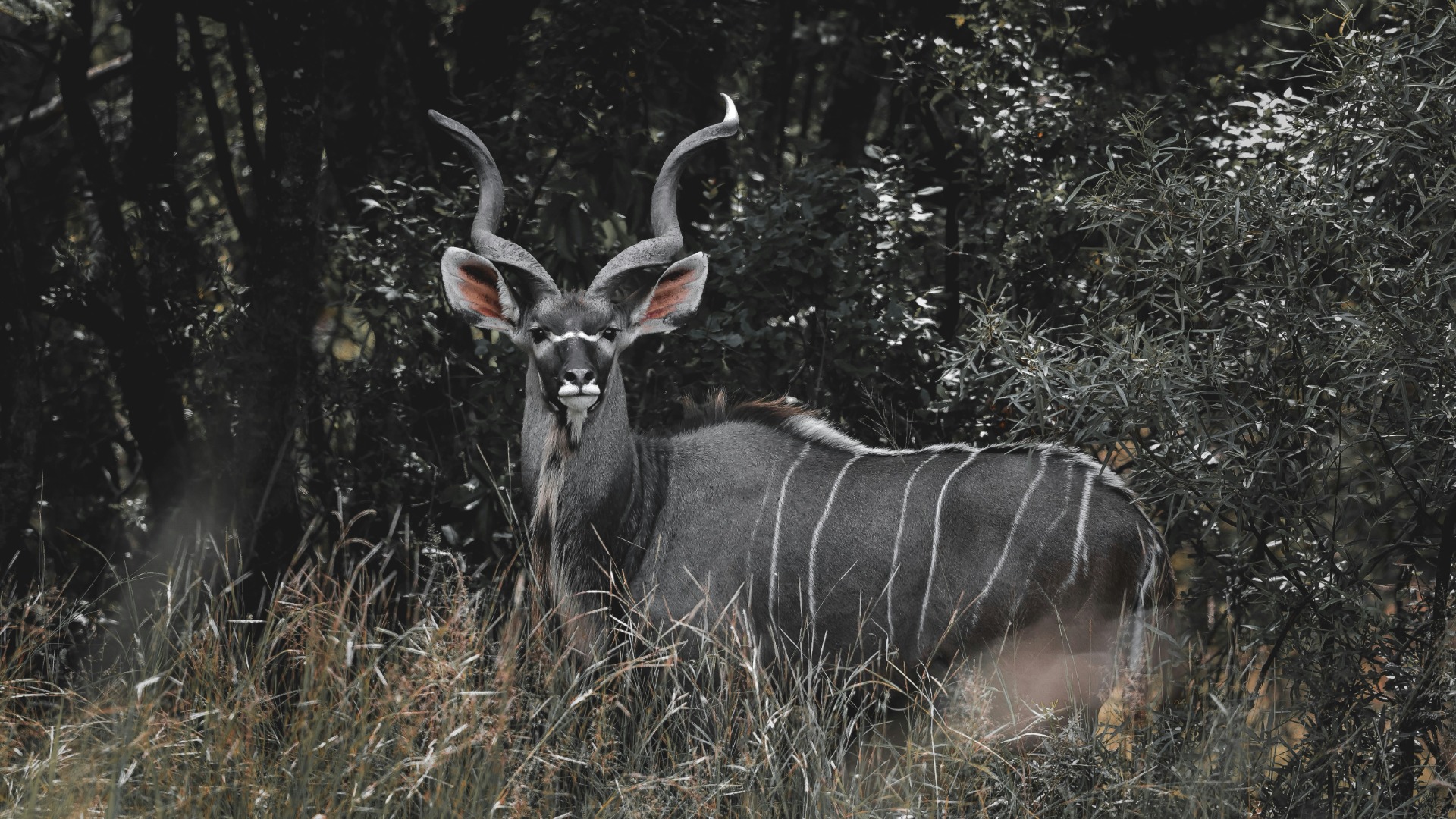
Begin with aperture priority mode for landscapes, typically f/8 to f/11 to maintain sharpness across the frame. For scenes including moving wildlife such as eland or baboons crossing ridges, switch to shutter priority at 1/500th second or faster. ISO should remain as low as possible, rarely exceeding 400 during golden hour to preserve the rich colour fidelity these conditions provide.
Setting your white balance to daylight rather than auto preserves the warm tones that make Drakensberg golden hour images so distinctive.
Recommended Settings for Different Scenarios
For sweeping landscape compositions featuring the iconic Sentinel or Amphitheatre at sunrise, use these baseline settings: aperture f/9, shutter speed 1/60th second (with tripod), ISO 100, and exposure compensation of -0.3 to retain detail in the brightest sky areas. A circular polariser helps manage reflections on distant water features while intensifying the sky’s natural colour.
When including wildlife in the frame, such as rhebok silhouetted against glowing peaks, increase shutter speed to 1/1000th second and open the aperture to f/5.6. This combination freezes movement while creating pleasing subject separation from the background. Bracket your exposures by one stop in both directions to ensure you capture the full dynamic range of these high-contrast scenes.
Use a sturdy tripod for any shutter speeds slower than 1/125th second
Enable mirror lock-up or electronic shutter to minimise vibration
Shoot in RAW to allow extensive post-processing latitude
Carry a lens cloth as condensation can form quickly in the cool morning air
Mastering Composition in Drakensberg Light
The region’s layered landscapes offer endless compositional opportunities during golden hour. Leading lines created by ancient rock strata draw the eye naturally toward distant peaks, while foreground elements like proteas or grasses catch the low light beautifully. The key lies in positioning yourself so that the warm light skims across these elements rather than striking them directly.
Consider the rule of thirds but remain willing to break it when the light dictates otherwise. During evening golden hour, the warmest light often falls on the upper portions of cliffs, making it advantageous to place your horizon lower in the frame to emphasise this dramatic illumination.
Working with Mist and Atmospheric Conditions
Mist transforms ordinary scenes into something ethereal, particularly in the Royal Natal National Park area. Arrive at least 45 minutes before sunrise to capture the transition as the first light begins to burn through the vapour. Settings here shift toward wider apertures (f/4 to f/5.6) to emphasise the soft, dreamlike quality while maintaining focus on key landscape elements.
Backlighting through mist creates striking rim lighting on grasses and shrubs. Expose for the brighter background and allow foreground elements to fall into partial silhouette, adding depth and mystery to your images. This technique works particularly well when photographing the Tugela River gorge as the sun crests the horizon.

Field Techniques for Capturing Dramatic Drakensberg Landscapes
Beyond technical settings, certain field techniques consistently elevate Drakensberg photography. The most important involves understanding how different rock faces reflect light throughout the day. The sandstone of the Little Berg catches and holds warm tones longer than the darker basalt of the high escarpment, creating opportunities for layered compositions with contrasting temperatures.
Patience proves essential. The light changes so rapidly that many photographers capture only the first promising composition they see. Instead, identify three potential frames before the light arrives, then methodically work through them as conditions evolve. This systematic approach prevents missing the peak moment while the sun continues its swift journey.
In the Drakensberg, the difference between an adequate photograph and an exceptional one often comes down to waiting ten minutes longer than feels comfortable.
Combining Wildlife and Landscape Elements
The Drakensberg supports diverse wildlife that becomes particularly active during golden hour. Bearded vultures soaring against glowing cliffs, mountain reedbuck moving across sunlit slopes, and chacma baboons silhouetted on rocky outcrops all offer compelling subjects that add life to landscape images.
Use a telephoto zoom (70-200mm or 100-400mm) to compress perspective and bring distant animals into meaningful relationship with the landscape. The settings mentioned earlier for wildlife apply here, with particular attention to maintaining fast enough shutter speeds to freeze wing movement or sudden directional changes by antelope.
Seasonal Considerations for Drakensberg Photography
Each season in the Drakensberg offers distinct photographic advantages during golden hour. Summer (November to March) brings lush vegetation and dramatic storm light, though afternoon thunderstorms can obscure the evening window. Winter (May to August) provides clearer skies, more frequent mist in the valleys, and the possibility of dramatic hoarfrost on high ground after cold fronts.
The transitional months of April and September often deliver the most reliable golden hour conditions, with moderate temperatures and a balance between clear skies and atmospheric interest. During these shoulder seasons, the sun’s lower trajectory creates longer shadows that accentuate the landscape’s dramatic contours.
Equipment Recommendations for Mountain Conditions
The Drakensberg’s altitude and rapidly changing weather demand thoughtful equipment choices. A weather-sealed camera body paired with lenses offering similar protection minimises the risk of moisture damage. A versatile zoom range from 24mm to 200mm covers most situations, though dedicated wide-angle and telephoto primes can expand creative options.
Consider bringing a lightweight carbon fibre tripod that fits comfortably in a daypack, along with a remote release. A polarising filter and graduated neutral density filters help manage the extreme contrast between bright skies and darker valleys that characterises many golden hour scenes in this region.
Post-Processing Approaches for Golden Hour Images
The rich raw data captured during Drakensberg golden hour rewards careful post-processing. Begin by adjusting white balance to enhance rather than alter the natural warmth, typically moving the temperature slider toward 5500-5800K. Subtle contrast adjustments help define the layered rock formations while preserving the soft quality of the light.
Selective dodging and burning can emphasise key elements that the light naturally highlights. Increase clarity slightly in the mid-tones to reveal texture in the rock faces without creating an artificial appearance. The goal remains honouring the extraordinary light rather than manufacturing drama that wasn’t present in the field.
Post-processing should feel like a conversation with the landscape rather than an imposition upon it.
Common Mistakes to Avoid in Drakensberg Golden Hour Photography
Many visitors arrive with ambitious plans but underestimate how quickly the light changes in these mountains. Arriving at your location just as the sun appears means missing the subtle build-up that often produces the most evocative images. Instead, plan to be in position at least 30 minutes before the calculated sunrise or sunset.
Another frequent error involves becoming fixated on one composition. When the light shifts unexpectedly, flexibility allows you to discover new opportunities that may prove more powerful than your original vision. Trust your instincts and be prepared to move quickly when the conditions suggest a different approach.
Respecting the Environment While Photographing
As you chase perfect light across the Drakensberg, remember that these landscapes require protection. Stay on established trails to prevent erosion, particularly in sensitive alpine areas. The fragile grasslands recover slowly from disturbance, and your images will mean more if captured responsibly.
Consider supporting conservation initiatives that help preserve these remarkable mountains for future generations of photographers. Local communities play a vital role in protecting the Drakensberg, and respectful engagement with them enriches both your experience and your images.
Bringing the Drakensberg Home Through Your Lens
The Drakensberg offers more than spectacular scenery for photographers. It provides a masterclass in reading and responding to natural light, teaching lessons that transfer to landscapes across South Africa and beyond. Those who master its golden hour rhythms return with images that capture not just the appearance of these mountains but something of their ancient spirit.
Whether you join one of our photography-focused safaris in South Africa or arrange a private journey tailored to your vision, the Encounters Africa team stands ready to help you make the most of every golden moment. Our deep knowledge of the region’s light patterns and access to exclusive photography locations ensures you spend less time searching and more time creating.
For discerning travellers seeking a private safari beyond our set itineraries, we invite you to contact us directly. We specialise in designing exceptional, tailor-made journeys for individuals, couples, families, and private groups of up to eight guests. Drawing on our handpicked network of distinguished camps and lodges, we curate every detail with precision and care, creating a seamless, deeply personal safari experience shaped entirely around your preferences, pace, and budget.
Begin planning your Drakensberg photography adventure by visiting our enquiry form today. Share your vision with us, and together we will craft an experience that captures the golden essence of these extraordinary mountains.
More like this
Photography
Mastering Light and Composition for Kenya’s Big Five on Camera

Photography
Mastering Light and Composition for South African Wildlife Photography
Photography
Mastering Light and Composition for Wildlife Shots in Southern Africa
photography
Light and Ethics: Field Techniques for Photographing Tanzania’s Endangered Wildlife
Photography
Mastering Light and Ethics While Photographing Tanzania's Conservation Landscapes
Photography