Tips & Advice
Practical Rwanda Safari Advice: Spotting Gorillas and Avoiding Peak Crowds
Encounters Africa - 10 min read
Updated on 31 July 2026
Rwanda wildlife and travel stories come alive in misty volcanic forests and rolling savannahs where encounters feel intimate and profound. This practical guide offers Rwanda safari advice for spotting mountain gorillas while sidestepping the busiest periods, helping you plan a journey that balances wonder with respect for these remarkable landscapes.
The best time to visit Rwanda for gorilla trekking is during the dry seasons from June to September and December to February, when trails are firmer and gorilla groups more predictable. Permits for Volcanoes National Park are limited to 192 per day across 12 habituated groups, making advance booking essential up to 12 months ahead for peak months. Beyond the famous silverbacks, Rwanda supports thriving populations of golden monkeys, chimpanzees in Nyungwe Forest, and over 670 bird species across varied habitats.
Understanding Rwanda's Premier Wildlife Destinations
Volcanoes National Park remains the heart of primate tourism, protecting one third of the world's remaining mountain gorillas within its 160 square kilometres of bamboo and montane forest. Trekkers here follow strict protocols developed over decades of habituation work that began in the 1960s with pioneering conservationists. The experience of sitting quietly among a family group as infants play and adults forage creates memories that linger long after the journey ends.
The mountain gorilla's calm gaze reminds us that true wilderness encounters happen when we move quietly and observe without demanding attention.
Further south, Nyungwe Forest National Park shelters 13 primate species including habituated chimpanzee troops that move through ancient canopy sometimes exceeding 200 years in age. The park's 1,076 square kilometres also harbour more than 300 bird species, making it a premier destination for those seeking depth beyond the gorilla experience. Meanwhile, Akagera National Park in the east has seen remarkable recovery since 2010, with reintroduced lions, black rhinos, and over 500 elephant individuals now roaming its 1,200 square kilometres of acacia savannah and wetland.
Choosing the Right Park for Your Interests
Each protected area offers distinct advantages depending on your priorities. Volcanoes National Park suits those drawn to primate behaviour and highland hiking, while Nyungwe appeals to birdwatchers and forest enthusiasts willing to navigate steep terrain. Akagera provides more traditional game viewing with open landscapes that allow for relaxed morning and evening drives. Understanding these differences helps tailor your itinerary to avoid repeating the same activities across multiple sites.

Securing Gorilla Trekking Permits Without the Crowds
Practical Rwanda safari advice begins with understanding the permit system managed by the Rwanda Development Board. Each of the 12 habituated groups accepts eight visitors daily, creating those 96 morning and 96 afternoon slots that disappear quickly during European summer holidays. Booking directly through official channels or trusted operators six to nine months ahead for June to September secures your preferred dates while allowing flexibility to adjust based on weather patterns.
Shoulder seasons in March, April, May, October and November offer significant advantages for travellers seeking solitude. Although short rains may occur, these months see dramatically fewer international visitors, with permit availability often extending into the week before travel. The vegetation grows lush during these periods, creating more immersive forest experiences, and the misty atmosphere adds atmospheric depth to photographs without significantly hindering visibility.
Choosing November over July might mean trading dry trails for occasional showers, yet the reward comes in having an entire gorilla family to yourself rather than sharing the moment with multiple groups.
Consider combining your gorilla trek with a chimpanzee habituation experience in Nyungwe, where smaller visitor numbers create even more exclusive encounters. These permits, limited to six people per group, rarely sell out more than three months in advance, offering last-minute opportunities that complement a Volcanoes visit beautifully.
Budgeting for Permits and Associated Costs
Gorilla permits currently cost $1,500 per person for non-residents, with golden monkey permits at $100 and chimpanzee trekking at $150. These fees directly support conservation and community projects, including school construction and healthcare facilities for families living near the park boundaries. When calculating your overall budget, factor in international flights, accommodation, and transfers, remembering that staying at lodges that employ local guides and trackers further amplifies your positive impact.
Responsible Wildlife Viewing Etiquette in Rwanda
Successful Rwanda wildlife encounters depend on following established guidelines that protect both animals and visitors. Maintain a seven-metre distance from gorillas at all times, avoid direct eye contact that might be interpreted as a challenge, and speak only in whispers during your one-hour visit. These rules, refined through decades of research, minimise stress on habituated groups while maximising the natural behaviour you witness.
Porters and guides assigned to each trekking group possess intimate knowledge of their assigned gorilla families, often having worked with the same individuals for years. Their expertise helps interpret subtle signals, from chest-beating displays to gentle grunts that maintain group cohesion. Listening attentively to their briefings before setting out ensures you contribute to rather than detract from ongoing conservation success.
Photography during encounters requires preparation. Disable your flash, use silent shutter mode if available, and resist the temptation to pursue perfect angles that might disturb resting animals. The most memorable images often capture quiet moments of interaction rather than dramatic action, reflecting the peaceful reality of mountain gorilla family life.
Supporting Conservation Through Your Visit
Every traveller can contribute meaningfully to Rwanda's conservation efforts. Choosing lodges that partner with local communities ensures your spending directly benefits those living alongside wildlife corridors. Many properties support initiatives ranging from beekeeping cooperatives to women's craft collectives, creating economic alternatives to practices that once threatened forest habitats.
Simple actions during your stay make a difference. Following designated trails, carrying out all litter, and respecting quiet hours at camps near forest edges all help maintain the peaceful environment these sensitive species require. Your guide will explain additional park-specific protocols that reflect decades of learning about each habituated group's unique personality and needs.
Exploring Rwanda's Lesser-Known Wildlife Areas
While Volcanoes National Park draws the majority of visitors, venturing beyond its borders reveals equally compelling experiences with far fewer companions. Nyungwe Forest offers the chance to track chimpanzees through 1,000-year-old trees, where troops of up to 80 individuals move through territories exceeding 30 square kilometres. The experience of hearing their distinctive pant-hoots echoing through the canopy creates a wild symphony impossible to replicate in more visited areas.
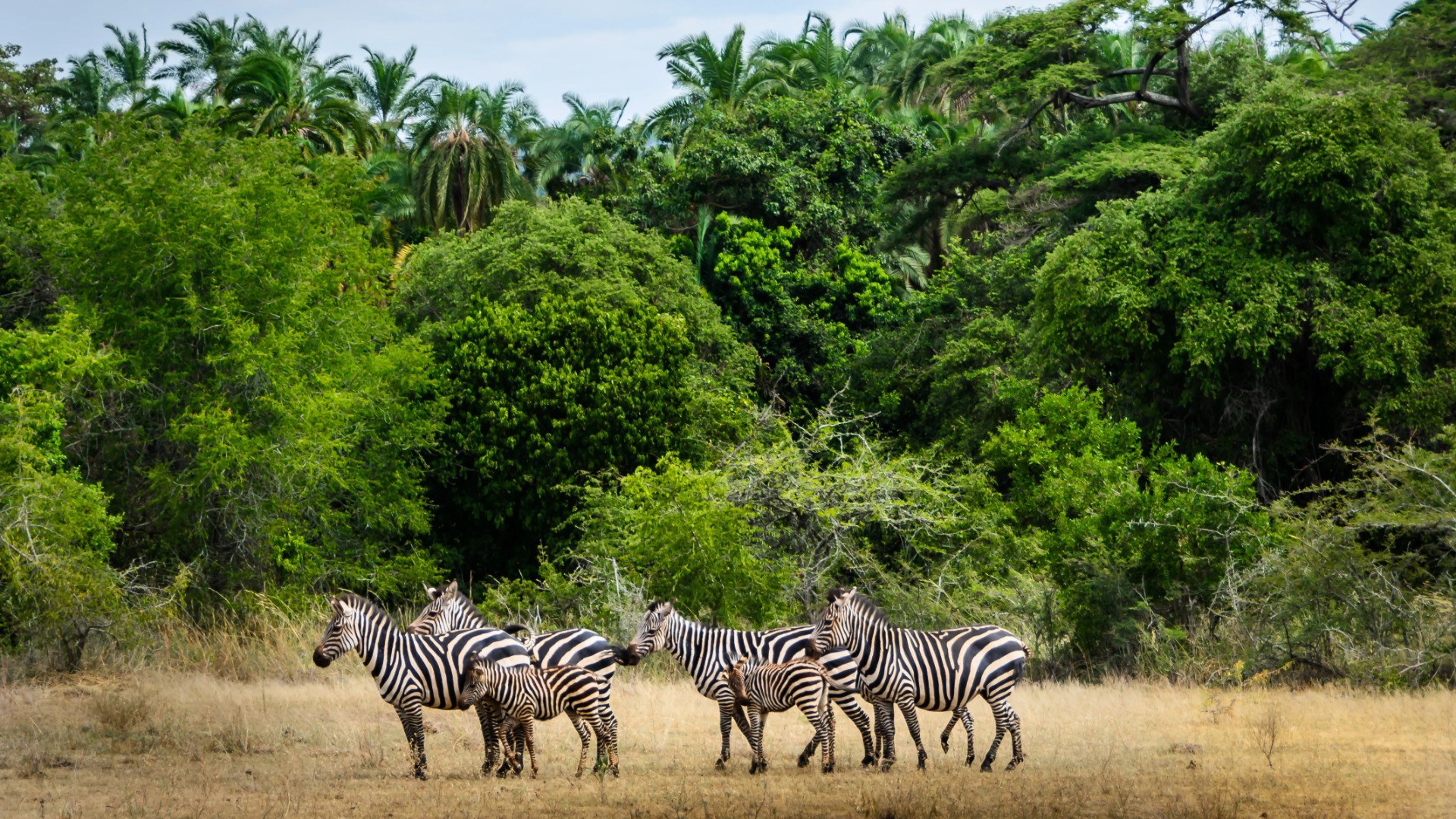
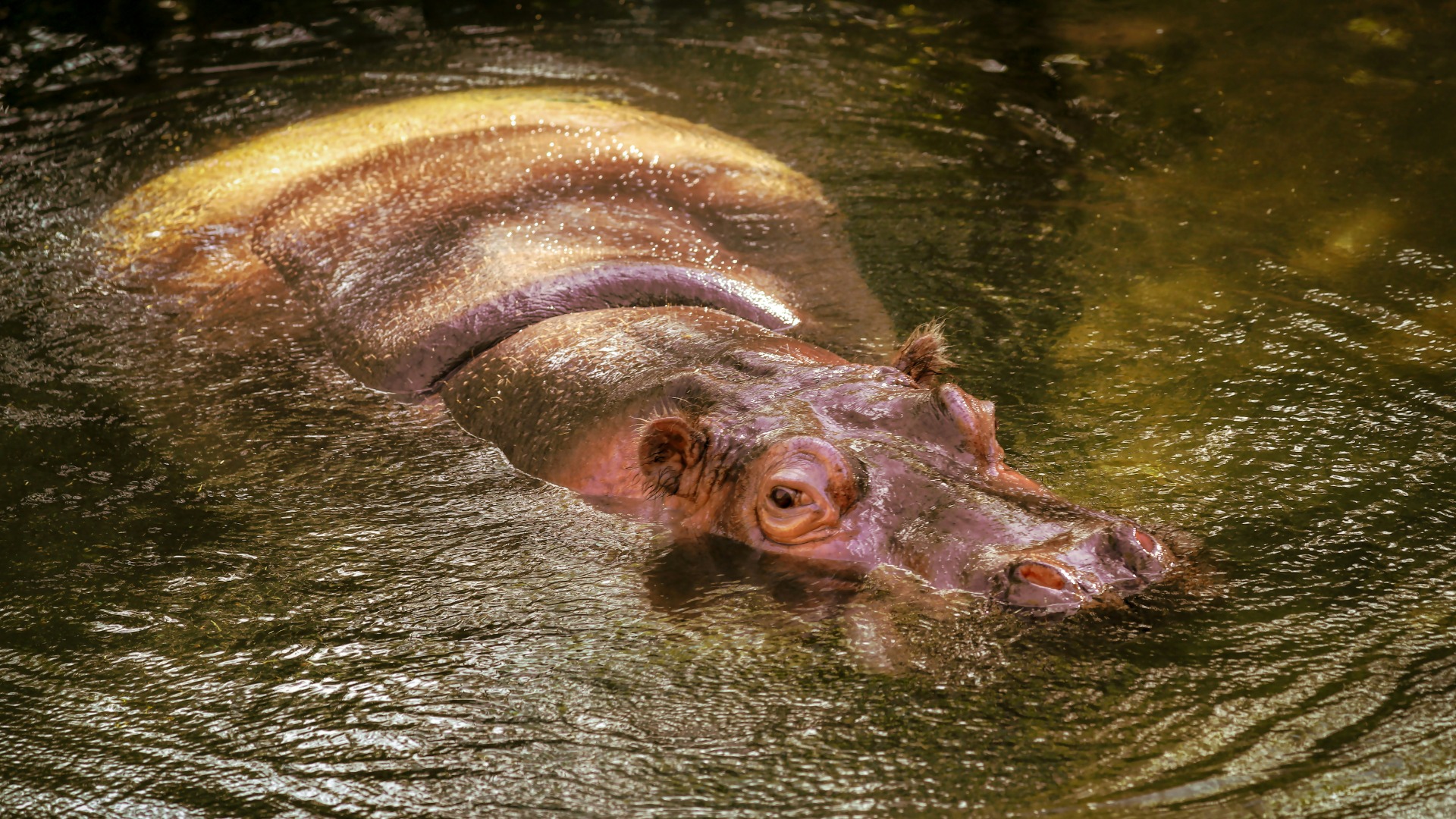
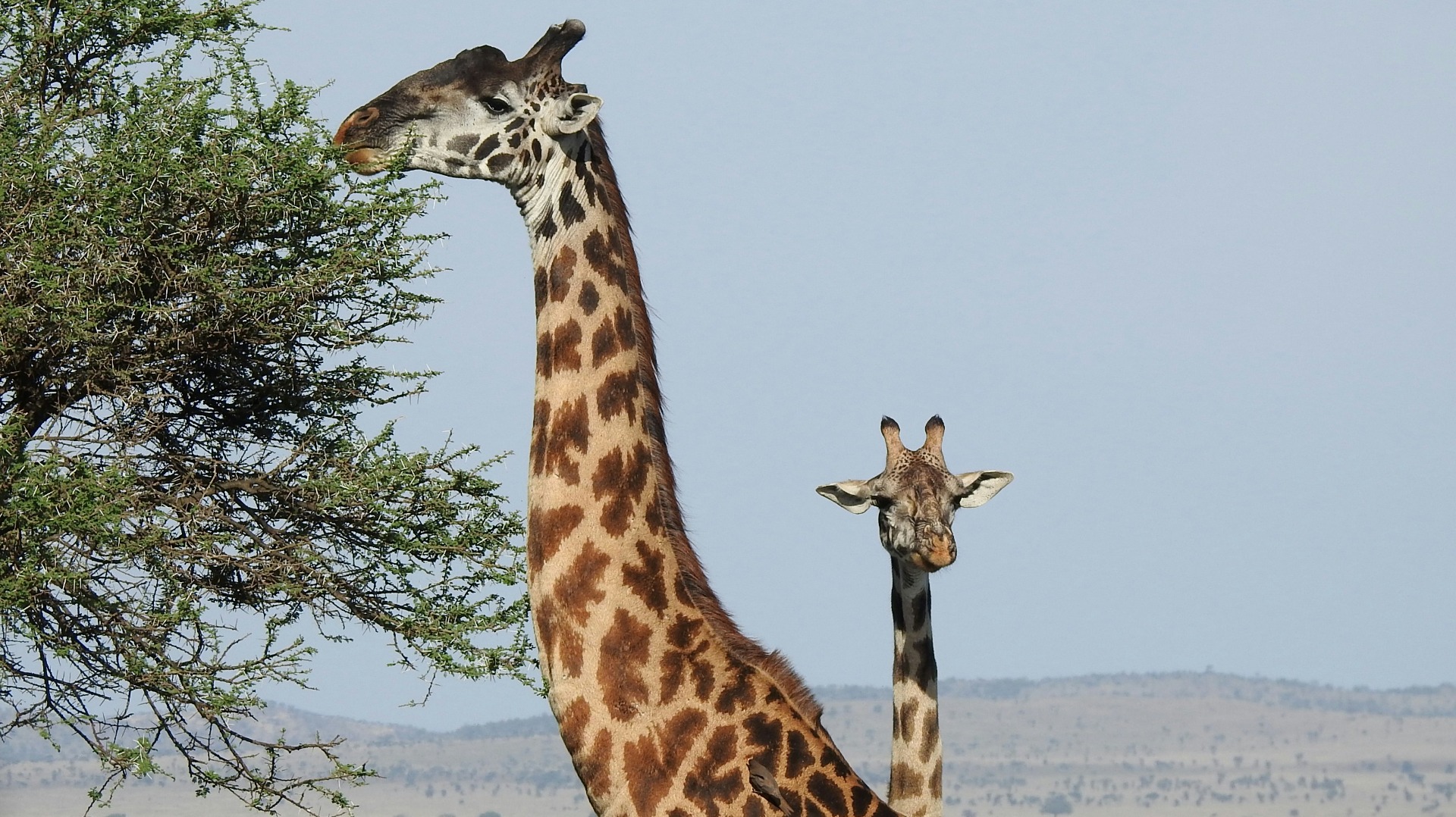
Akagera National Park tells a remarkable recovery story. Since African Parks assumed management in 2010, the protected area has reintroduced 20 black rhinos, 18 lions, and numerous other species, transforming former cattle grazing lands into thriving habitat. Game drives here often yield sightings of zebra, giraffe, and hippo in relative seclusion, especially when timed for the drier months when animals concentrate around water sources.
Rwanda's quieter parks prove that meaningful wildlife encounters rarely require sharing the experience with dozens of vehicles or competing for viewing space.
Consider combining these destinations into a 10 to 14-day itinerary that balances primate trekking with more traditional safari activities. This approach prevents fatigue from repeated steep hikes while offering contrasting landscapes that showcase Rwanda's remarkable biodiversity within a compact geographical area.
Seasonal Considerations for Multi-Park Travel
The best time to visit multiple parks requires understanding regional weather variations. While Volcanoes experiences cooler highland temperatures year-round, Nyungwe's lower elevation brings warmer conditions and different rainfall patterns. Coordinating your itinerary around these microclimates ensures comfortable travel between destinations and optimal viewing conditions in each location.
Preparing for Rwanda's Variable High-Altitude Climate
Successful Rwanda safari planning includes appropriate clothing and equipment for dramatic elevation changes. Volcanoes National Park sits between 2,400 and 4,500 metres above sea level, where temperatures can drop to single digits at dawn despite equatorial location. Layering becomes essential, with quick-drying base layers, warm mid-layers, and waterproof outer shells providing versatility across different trekking conditions.
Footwear deserves particular attention. Sturdy hiking boots with good ankle support prove invaluable on muddy trails, while gaiters help keep out biting ants and vegetation debris. Many experienced travellers bring two pairs to allow drying time between treks, especially important during wetter months when paths transform into streams.
Malaria prophylaxis remains advisable for lower elevations, though risk decreases significantly above 2,000 metres. Consult your travel health specialist at least six weeks before departure to ensure all necessary vaccinations and medications align with your specific itinerary and medical history.
Packing Essentials for Forest and Savanna
Beyond clothing, include binoculars with good low-light performance for spotting birds in dense canopy, a small daypack for carrying water and rain gear, and a lightweight rain poncho that fits easily in your pocket. Insect repellent with high DEET content protects against mosquitoes and tsetse flies in certain areas, while a head torch with spare batteries proves useful for early morning departures and navigating camps after dark.

Cultural Connections and Community Experiences
Rwanda's conservation success stems largely from strong community involvement, making cultural engagement an essential part of any responsible visit. Many lodges arrange visits to nearby villages where travellers can learn traditional basket weaving, participate in milk-drinking ceremonies, or simply share stories with families whose lives intertwine with the national parks. These interactions provide context for the conservation challenges and celebrate the genuine partnerships that protect these landscapes.
Learning basic greetings in Kinyarwanda demonstrates respect and often elicits warm responses from local staff and community members. Simple phrases like "Muraho" (hello) and "Murakoze" (thank you) help bridge cultural gaps and acknowledge the human element behind every successful wildlife encounter.
The story of Rwanda's remarkable recovery extends far beyond its wildlife. Understanding this context enriches every moment spent in its protected areas, transforming a standard safari into a journey of deeper appreciation for both natural and human resilience.
Planning Your Rwanda Wildlife Journey
Creating a seamless Rwanda safari requires balancing wildlife priorities with practical considerations around timing, permits, and personal comfort. Whether focusing primarily on gorilla trekking or seeking a broader primate and birding experience, thoughtful preparation ensures your time in this remarkable country creates lasting memories while supporting ongoing conservation efforts.
Encounters Africa specialises in designing exceptional, tailor-made journeys for individuals, couples, families, and private groups of up to eight guests. Drawing on our handpicked network of distinguished camps and lodges, we curate every detail with precision and care, creating a seamless, deeply personal safari experience shaped entirely around your preferences, pace, and budget.
For those looking for a private safari beyond our set itineraries, we would be delighted to hear from you directly. We specialise in creating beautifully tailored journeys for solo travellers, couples, families, and private groups of up to eight guests. Through our trusted network of carefully selected camps and lodges, we craft each safari around your individual interests, preferred pace, and budget, ensuring a seamless and deeply personal experience from beginning to end.
Begin planning your Rwanda adventure by visiting our enquiry form to share your vision. Our team of Africa specialists will craft a journey that reveals the country's wildlife wonders while honouring the communities that protect them. Whether seeking intimate gorilla encounters or exploring lesser-known forest trails, your Rwanda safari awaits.
More like this
Tips & Advice
Practical Rwanda Travel Advice That Shapes Smoother Journeys
Tips & Advice
Practical Steps Every Tourist Can Take to Protect African Wildlife on Safari
Tips & Advice
Some of The Best Ways to Observe Tanzania's Big Five Without Disturbing Their Natural Patterns
Tips & Advice
Important Steps Travelers Can Take to Bolster Zimbabwe's Wildlife Protection Efforts
Tips & Advice
Practical Strategies for Choosing and Booking Luxury Lodges in Tanzania
Tips & Advice