Tips & Advice
Practical Rwanda Travel Advice That Shapes Smoother Journeys
Encounters Africa - 10 min read
Updated on 19 June 2026
Touring Rwanda opens doors to some of the continent's most intimate wildlife encounters, where misty volcanic slopes shelter critically endangered mountain gorillas and golden monkeys move through dense bamboo. Practical Rwanda travel advice, when applied thoughtfully, transforms these experiences from logistical challenges into deeply rewarding moments that linger long after departure. Whether tracking primates in Volcanoes National Park or exploring the cultural heritage around Twin Lakes Burera & Ruhondo, preparation shapes everything from permit acquisition to daily comfort in high-altitude terrain.
The best time to visit for Rwandan safaris falls between June and September when drier conditions improve hiking trails, though December to February offers another window of clearer skies. This guidance draws from years of crafting seamless journeys across the country, ensuring travellers arrive equipped for elevation changes that range from 1,500 to over 4,000 metres above sea level.
Understanding Rwandan Safaris: What Sets Them Apart
Rwandan safaris distinguish themselves through their focus on primate encounters rather than traditional big game drives. The country's compact size, just 26,338 square kilometres, allows travellers to combine gorilla tracking with golden monkey visits and community experiences within a single week. This accessibility creates opportunities for meaningful depth that larger safari destinations sometimes lack.
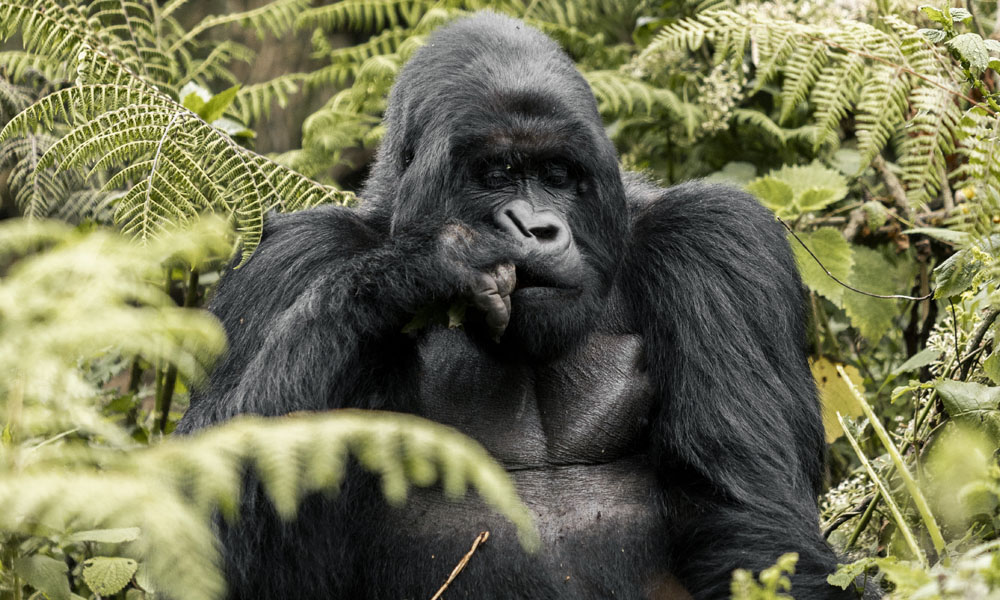
Conservation lies at the heart of every experience. Revenue from gorilla permits, priced at $1,500 per person for one hour with a habituated group, directly funds habitat protection and community development projects. These funds have helped increase the mountain gorilla population from approximately 250 individuals in the 1980s to over 1,000 today across the Virunga massif.
The quiet intensity of watching a silverback gorilla observe his family offers a perspective on wild intelligence that reshapes how we understand our place in the natural world.
Successful journeys balance wildlife viewing with cultural immersion. Many operators now integrate visits to local cooperatives where travellers can learn traditional basket weaving or coffee processing, creating connections that extend beyond the national parks. This holistic approach reflects the country's commitment to tourism that benefits both ecosystems and communities.
Securing Permits and Booking Your Rwandan Safari Experience
Permit availability forms the cornerstone of any successful plan for touring Rwanda. Gorilla tracking permits for Volcanoes National Park should be secured at least six to nine months in advance, particularly for travel between June and September. The Rwanda Development Board releases a limited number daily, making early commitment essential for preferred dates.
Golden monkey permits, at $100 each, face less pressure but still benefit from forward planning. These smaller primates move quickly through bamboo forests, requiring reasonable fitness levels for the two to three hour treks that typically begin at 7am. Booking through a specialist operator ensures coordination between activities and accommodation.
Consider combining your primate experiences with time at Volcanoes National Park lodges that offer private guiding teams. Properties like Clouds Mountain Gorilla Lodge provide direct access to trailheads while supporting community initiatives that enhance local livelihoods.
Working with Specialist Operators for Seamless Planning
Experienced operators understand the nuances of permit allocation and can navigate last-minute changes when weather affects trekking conditions. They also coordinate with park authorities to ensure travellers receive English-speaking guides with extensive primate knowledge. This expertise proves invaluable when adjusting itineraries around individual fitness levels or unexpected gorilla group movements.
For those seeking private experiences, custom journeys allow for flexible pacing and personalised interpretations of both wildlife and cultural encounters. Encounters Africa specialises in designing such tailored Rwandan safaris for small groups who value depth over rigid schedules.
Essential Packing Tips and Advice for Rwanda's Varied Terrain
High-altitude trekking demands thoughtful preparation. Daytime temperatures in Volcanoes National Park hover between 10°C and 20°C, dropping significantly after sunset. Layering becomes essential, with moisture-wicking base layers, insulating mid-layers, and waterproof outer shells forming the foundation of any successful packing list.
Footwear choices can dramatically affect comfort on muddy trails. Sturdy hiking boots with good ankle support and aggressive tread prove essential, particularly during the rainy seasons when paths become slick. Gaiters protect against stinging nettles that grow abundantly in the undergrowth, while two pairs of trekking socks prevent blisters during longer hikes.
Weather patterns shift rapidly in the Virunga Mountains. Even during drier months, afternoon downpours remain possible, making quick-drying clothing and a reliable rain jacket non-negotiable. A lightweight daypack should accommodate rain covers, binoculars, and sufficient water for treks that can extend up to seven hours depending on gorilla locations.
Proper preparation for Rwanda's trails doesn't just ensure comfort; it allows travellers to remain fully present during those extraordinary moments when a gorilla family accepts your quiet presence among them.
Health and Safety Considerations for High Altitude
Altitude awareness matters when ascending to 3,000 metres and beyond. Gradual acclimatisation through time spent in Kigali or at mid-elevation lodges helps minimise symptoms. Portable altitude sickness medication should form part of every medical kit, alongside standard travel medicines for stomach upsets and headaches.
Malaria remains a consideration below 1,800 metres, particularly around the Twin Lakes Burera & Ruhondo region. Consult travel health professionals at least six weeks before departure to ensure appropriate prophylaxis and vaccinations are current. Yellow fever certification is required for entry from infected countries.
Mastering the Art of Gorilla Trekking: What to Expect
Each gorilla trekking experience follows a structured yet flexible pattern. After a comprehensive briefing at the park headquarters, groups of up to eight travellers depart with their guide and trackers by 7am. The search can last anywhere from thirty minutes to several hours, depending on where the chosen gorilla family spent the night.
Once located, visitors maintain a respectful seven-metre distance while spending precisely one hour observing the group's dynamics. Silverbacks command respect through their sheer presence, while playful juveniles often provide the most engaging moments. Photography requires preparation, as light conditions vary dramatically beneath the forest canopy.
Behavioural guidelines protect both primates and people. Avoid direct eye contact with silverbacks, move slowly, and speak only in whispers. These protocols, developed through decades of habituation work, ensure the animals remain undisturbed by human presence.
Golden Monkey Encounters and Other Primate Experiences
Golden monkey trekking offers a completely different energy. These agile primates bound through bamboo stands with remarkable speed, creating opportunities for dynamic photography that contrasts with the more sedentary gorilla observations. Their bright facial markings and constant movement make for engaging viewing, though following them requires good cardiovascular fitness.
Many travellers combine both experiences over consecutive days, allowing time to process the profound differences between these two endangered primate species. The contrast between the measured dignity of gorillas and the exuberant playfulness of golden monkeys creates lasting memories of Rwanda's remarkable biodiversity.
Cultural Connections: Beyond the National Parks
Rwanda's cultural landscape extends far beyond its protected areas. Community visits near Volcanoes National Park introduce travellers to traditional practices while supporting local economies. These experiences range from learning Iby'Iwacu cultural performances to participating in conservation education programmes that highlight the link between community wellbeing and wildlife protection.
The Rwandan safaris that resonate most deeply often include time spent understanding the country's complex history. Genocide memorial sites in Kigali provide sobering context that enriches appreciation for the nation's remarkable recovery and current focus on sustainable development.
Local cuisine offers another avenue for cultural connection. Traditional dishes like isombe, made from cassava leaves, or brochettes enjoyed with local Primus beer provide opportunities to engage with Rwandan hospitality. Many lodges incorporate these flavours into their menus, bridging the gap between wilderness and culture.
True appreciation for Rwanda emerges not just from wildlife encounters but from understanding how communities, conservation, and culture intertwine across this remarkable landscape.
Practical Rwanda Travel Advice: Transportation and Timing
Internal transfers in Rwanda benefit from the country's excellent road network. The drive from Kigali to Volcanoes National Park takes approximately two and a half hours, while journeys to Nyungwe Forest in the southwest require about five hours. Domestic flights operated by RwandAir provide quicker alternatives for those maximising their time in country.
Timing your visit requires balancing multiple factors. The drier months from June to September coincide with peak gorilla trekking conditions, though this period also sees higher demand for permits. Shoulder seasons in March, April, October and November bring fewer crowds and lower rates at many properties, though rain becomes more frequent.
Consider how weather patterns affect different activities. While rain might make forest trails more challenging, it often brings clearer air and more active primate behaviour. Experienced guides can adjust daily plans based on real-time conditions to maximise each day's potential.
Choosing the Right Accommodation for Your Interests
Accommodation choices significantly influence the quality of your Rwandan safari. Properties positioned close to park boundaries reduce transfer times and allow for more flexible departure schedules. Many also maintain strong relationships with local communities, ensuring that tourism benefits extend beyond the national park boundaries.
For those combining Rwanda with other East African destinations, consider how experiences in Uganda or Kenya complement rather than duplicate your primate encounters. Each country offers distinct approaches to conservation and community involvement that enrich the overall journey.
Conservation Impact: How Your Visit Makes a Difference
Every visitor to Rwanda contributes directly to conservation efforts that extend far beyond their week-long stay. The mountain gorilla population has more than quadrupled since the 1980s, thanks largely to tourism-funded protection. Similar success stories exist for golden monkeys and various bird species that benefit from habitat preservation.
Many lodges participate in reforestation programmes and support education initiatives that teach local children about wildlife value. Some properties have established veterinary units that provide critical care for injured animals, while others fund research projects that continue expanding our understanding of primate behaviour and ecology.
Responsible travel practices amplify this positive impact. Following park regulations, supporting community enterprises, and maintaining appropriate distances from wildlife ensure that tourism remains a force for conservation rather than a threat to it.
Creating Your Own Rwandan Safari Story
The most memorable journeys through Rwanda combine careful planning with openness to unexpected moments. Whether watching a mother gorilla gently discipline her youngster or sharing laughter with community members over traditional dances, these experiences create connections that transcend typical travel narratives.
Practical Rwanda travel advice serves not as a rigid checklist but as a foundation that allows travellers to engage more fully with this remarkable destination. By understanding the rhythms of the landscape, the importance of conservation, and the value of cultural exchange, visitors become active participants in Rwanda's story of renewal and hope.
For discerning travellers seeking a private safari beyond our set itineraries, we invite you to contact us directly. We specialise in designing exceptional, tailor-made journeys for individuals, couples, families, and private groups of up to eight guests. Drawing on our handpicked network of distinguished camps and lodges, we curate every detail with precision and care, creating a seamless, deeply personal safari experience shaped entirely around your preferences, pace, and budget.
Explore our dedicated Rwanda safari collection or read our recent feature on understanding gorilla trekking etiquette to deepen your preparation. When you're ready to transform these insights into reality, our team stands ready to craft your perfect Rwandan journey. Visit our enquiry form to begin the conversation.
More like this
Tips & Advice
Practical Steps Every Tourist Can Take to Protect African Wildlife on Safari
Tips & Advice
Some of The Best Ways to Observe Tanzania's Big Five Without Disturbing Their Natural Patterns
Tips & Advice
Important Steps Travelers Can Take to Bolster Zimbabwe's Wildlife Protection Efforts
Tips & Advice
Practical Strategies for Choosing and Booking Luxury Lodges in Tanzania
Tips & Advice
Practical Ways to Collaborate Effectively with Your Safari Guide
Tips & Advice