Photography
Practical Photography Opportunities Across Uganda's Diverse Landscapes
Encounters Africa - 9 min read
Updated on 17 June 2026
Uganda offers exceptional photography opportunities for those drawn to intimate wildlife encounters and striking natural backdrops. From the mist-shrouded forests where mountain gorillas roam to the expansive wetlands sheltering rare birds, this East African nation delivers layered images that go far beyond standard safari snapshots. The best time to visit for Ugandan photography opportunities is during the drier months from June to September and December to February, when clearer skies and more predictable animal behaviour enhance visibility and light quality.
Encounters Africa has guided countless photographers through these varied terrains, helping them capture moments that resonate long after the journey ends. With its combination of primates, avian life, and dramatic landscapes, Uganda rewards those who approach each scene with patience and technical preparation.
Why Uganda Delivers Distinctive Images for Serious Photographers
The country's position along the Albertine Rift creates a remarkable range of ecosystems within relatively short distances. Photographers can transition from dense montane forest to open savanna and papyrus-fringed lakes in a single day. This diversity translates into varied compositional possibilities that keep even seasoned lens users engaged throughout their stay.
Local knowledge of seasonal patterns plays a crucial role. Understanding how morning mist lifts from the Virunga volcanoes or how afternoon light filters through acacia trees allows for more considered framing. Many of our travellers return with portfolios that reflect both technical skill and a deeper appreciation for the rhythms of Ugandan landscapes.
The true skill lies not in simply pressing the shutter but in learning to anticipate the precise instant when an animal's gaze meets yours through the foliage.
Photographing Mountain Gorillas in Volcanoes National Park and Bwindi
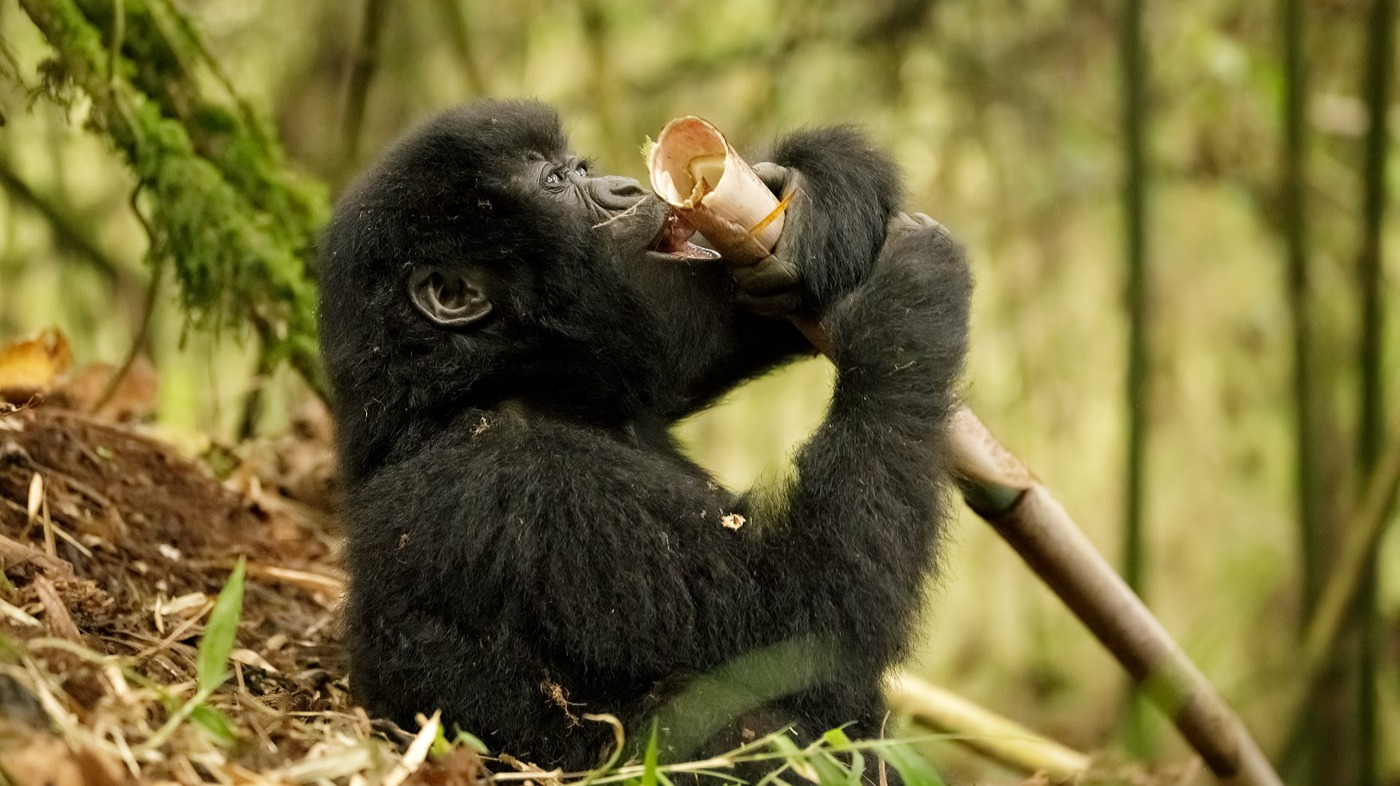
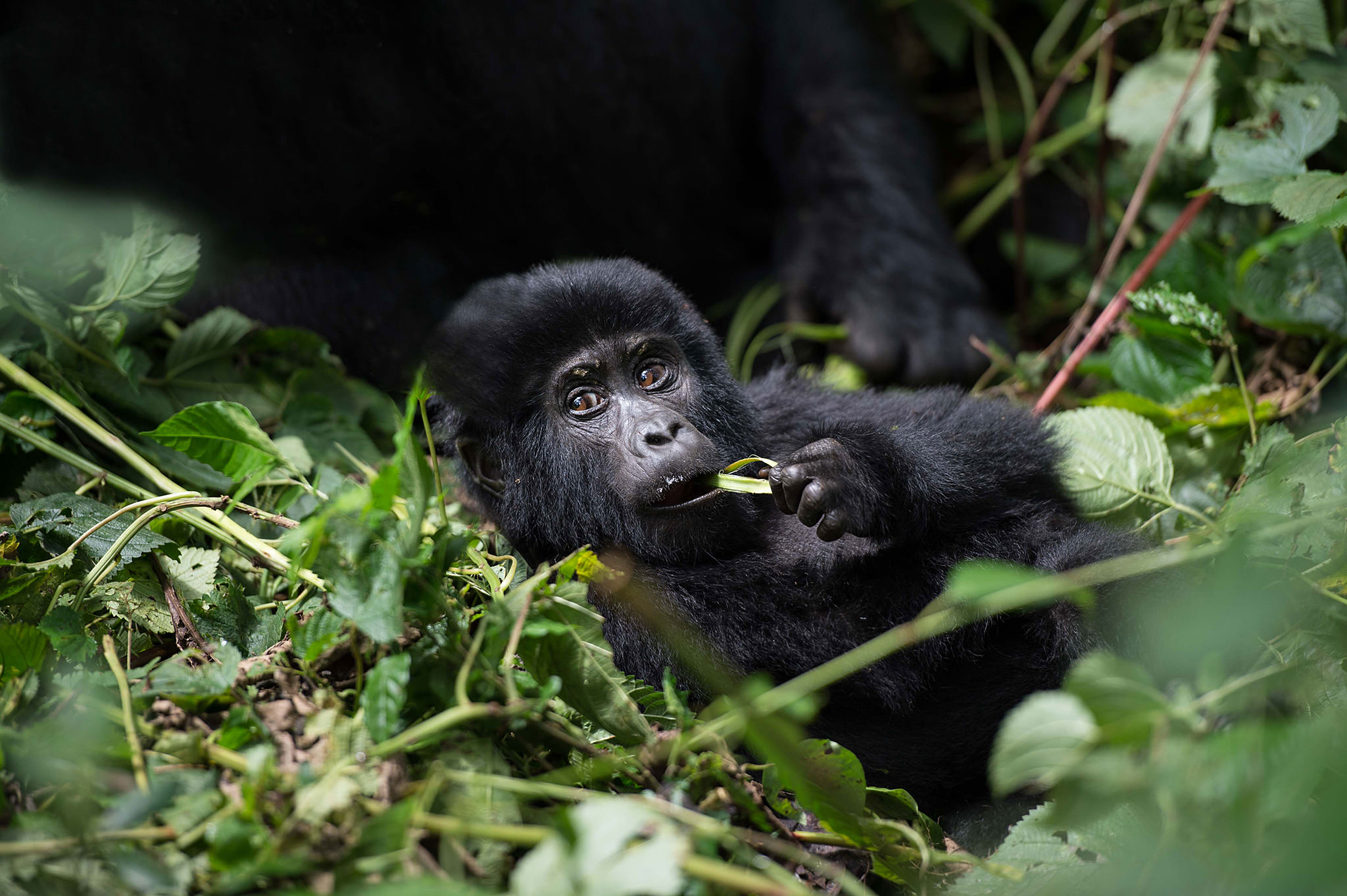
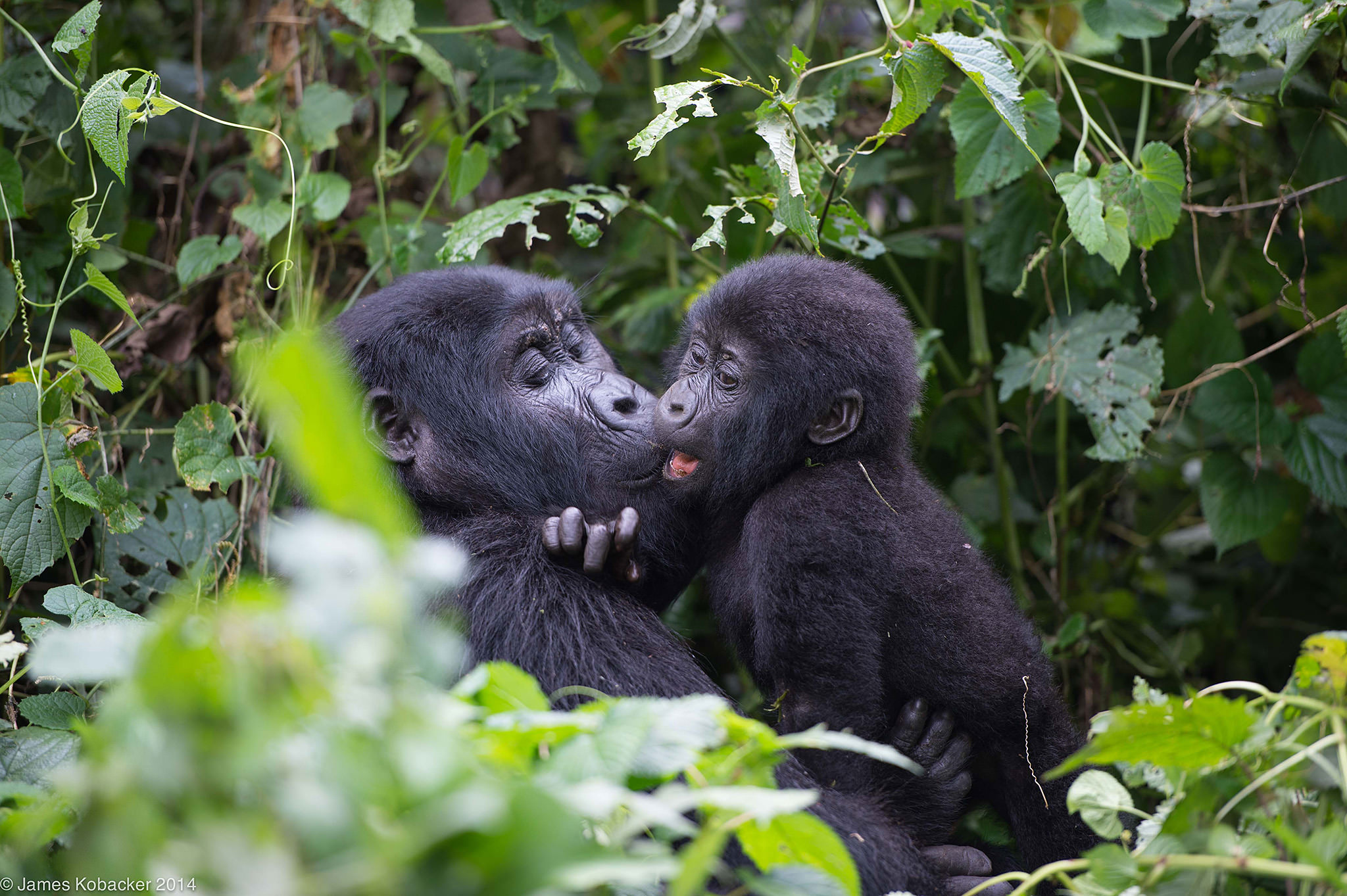
The opportunity to spend an hour with habituated gorilla families remains one of Africa's most profound wildlife experiences. In Rwanda's Volcanoes National Park and Uganda's Bwindi Impenetrable National Park, silverbacks move with surprising grace while youngsters tumble through the undergrowth. The key is maintaining a respectful distance of at least seven metres while positioning yourself to capture natural behaviours rather than forced portraits.
Early morning light often creates soft illumination through the canopy, ideal for highlighting the texture of dark fur against vibrant green leaves. A 70-200mm lens with image stabilisation proves most versatile here, allowing photographers to work within the permitted group size of eight visitors per gorilla family. Success depends on reading subtle body language and being ready when a curious juvenile approaches the group.
At Bwindi Lodge, guests benefit from experienced trackers who understand individual gorilla personalities, helping photographers anticipate where each family might emerge from the dense vegetation. The resulting images frequently capture not just physical presence but something of the emotional connection between these remarkable primates and their human observers.
Technical Considerations for Low-Light Forest Conditions
Forest photography demands faster lenses and higher ISO settings than open savanna work. Many professionals recommend a 24-70mm f/2.8 for environmental portraits and a 300mm f/2.8 for detailed behavioural shots. Monopods offer stability without damaging sensitive vegetation, while weather-sealed bodies protect equipment from sudden downpours common even during drier periods.
Capturing Uganda's Avian Diversity: Shoebills and Beyond
Uganda hosts over 1,000 bird species, creating endless possibilities for dedicated avian photographers. The iconic shoebill stork, with its prehistoric features and deliberate hunting style, draws many visitors to the remote swamps of Mabamba Bay and Semliki Wildlife Reserve. These solitary birds stand nearly 1.5 metres tall, offering striking silhouettes against the papyrus when positioned correctly at dawn.
Patience is essential when waiting for the precise moment a shoebill strikes at its prey. Guides from local communities often know the favoured perches and can position boats to take advantage of the best light angles. A 500mm or 600mm lens with a sturdy tripod becomes invaluable for isolating these birds against their wetland habitat.
In the quiet hours before the heat builds, the wetlands reveal their secrets to those willing to wait in silence.
Prime Locations for Bird Photography Across Uganda
Beyond the shoebill, Lake Mburo National Park offers excellent opportunities to photograph kingfishers, bee-eaters and various raptors. The park's 260 recorded bird species make it particularly rewarding for those seeking variety rather than single-species focus. Meanwhile, Murchison Falls National Park combines riverine forest with open plains, allowing photographers to capture both waterbirds and savanna species in one location.
During the wetter months from March to May, migratory species arrive, swelling populations and creating busier scenes. However, the drier periods still provide ample subjects, with better trail access and fewer insects to contend with while setting up equipment.
Landscape Photography in Uganda's Varied Terrain
Uganda's photography opportunities extend well beyond wildlife. The country's dramatic topography includes the snow-capped Rwenzori Mountains, numerous crater lakes, and the thunderous Murchison Falls where the Nile forces its way through a narrow gorge. These features create powerful landscape compositions when captured at the right time of day.
Golden hour light transforms the terraced hillsides around Kisoro into patterns of rich earth tones, while mist rising from the Semliki River at first light offers ethereal conditions for atmospheric images. Wide-angle lenses from 16-35mm help convey the scale of these environments, particularly when including foreground elements such as traditional fishing boats or grazing cattle.
Mastering Light in Uganda's Changing Conditions
The equatorial position means the sun rises and sets quickly, demanding efficient setup and pre-planned compositions. Many photographers rise well before dawn to reach elevated viewpoints before the light changes. Neutral density filters prove useful for creating silky water effects at Murchison Falls, while polarising filters help manage reflections on the numerous lakes and rivers.
At Gorilla Safari Lodge, the elevated position provides sweeping views across the forest canopy, perfect for capturing the transition from night to day. Such lodges serve as ideal bases for photographers who want to maximise their time in the field rather than travelling between distant locations.
Wildlife Photography in Savannah and Wetland Ecosystems
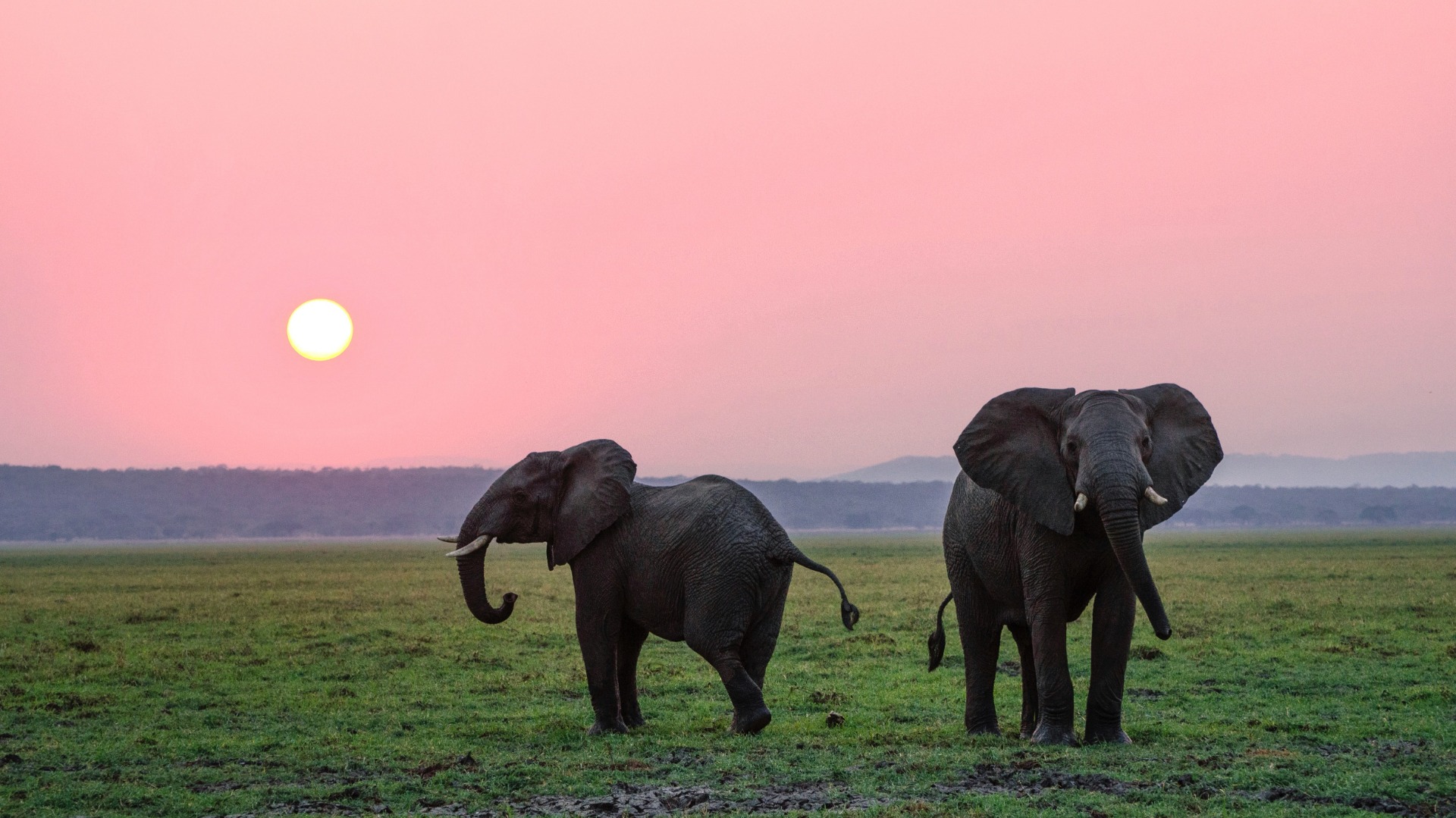
While Uganda is renowned for its primates, the country also supports healthy populations of elephant, buffalo, lion and leopard. Queen Elizabeth National Park, with its 2,000 square kilometres of varied habitat, offers particularly good sightings of tree-climbing lions in the Ishasha sector. The combination of wetland, savanna and woodland here creates opportunities for contextual wildlife photography that tells more complete ecological stories.
Kidepo Valley National Park in the remote northeast presents some of Uganda's most dramatic landscapes, where vast plains meet rugged mountains. The park's 1,500-metre elevation creates unique light conditions, with long shadows and golden illumination that can transform standard wildlife scenes into something more cinematic. The low tourist numbers mean animals remain relatively undisturbed, allowing for more natural behaviour to unfold before the camera.
Here, the vastness of the African sky meets the grounded reality of wildlife struggling to survive in an increasingly fragmented landscape.
Equipment Recommendations for Ugandan Conditions
Successful Ugandan photography opportunities require thoughtful gear selection. A robust camera body with good high-ISO performance is essential for forest work, while at least two telephoto lenses (one in the 70-200mm range and another 400mm or longer) cover most eventualities. Dust and humidity protection through proper storage and lens cleaning routines help maintain equipment performance throughout extended journeys.
Consider bringing a lightweight carbon fibre tripod that can double as a walking stick on uneven terrain. Memory cards with fast write speeds prevent buffer issues during rapid action sequences, such as when chimpanzees move through the canopy or hippos engage in territorial displays.
Ethical Approaches to Photography in Uganda
Responsible photography goes beyond technical excellence. Supporting community-based lodges and conservation projects ensures that images captured today help protect the subjects for future generations. Many of Uganda's photography opportunities are enhanced by working with local guides whose knowledge of animal behaviour proves invaluable for both safety and image quality.
Always follow park regulations regarding drone use, flash photography near primates, and maintaining appropriate distances from wildlife. The most compelling images often result from quiet observation rather than aggressive pursuit of the perfect shot.
Common Questions About Photography in Uganda
What is the best time to visit Uganda for photography? The drier seasons from June to September and December to February generally offer better visibility, fewer insects, and more predictable animal movements. However, the greener landscapes during the shoulder months can provide more vibrant colours for landscape work.
Do I need a special permit for gorilla photography? Yes, gorilla trekking permits are required and should be booked well in advance, particularly during peak seasons. These permits, which currently cost $700 in Uganda, include the guided forest experience and one hour with the gorillas.
What lens do most professionals recommend for Uganda? A versatile 100-400mm zoom combined with a fast 24-70mm proves popular. Those focusing primarily on birds may prefer a 500mm prime lens with a 1.4x converter for additional reach without excessive weight.
Is Uganda suitable for beginner wildlife photographers? Absolutely. Many lodges offer dedicated photography guides who can provide technical advice while ensuring guests enjoy the broader safari experience. Starting with more open environments like Queen Elizabeth National Park before tackling the challenges of forest photography can build confidence.
Planning Your Ugandan Photography Experience
Uganda's photography opportunities reward those who combine technical preparation with genuine curiosity about the ecosystems and communities they encounter. Whether seeking the intense gaze of a mountain gorilla or the prehistoric profile of a shoebill against golden wetlands, the country offers experiences that deepen one's appreciation for Africa's natural heritage.
For discerning travellers seeking a private safari beyond our set itineraries, we invite you to contact us directly. We specialise in designing exceptional, tailor-made journeys for individuals, couples, families, and private groups of up to eight guests. Drawing on our handpicked network of distinguished camps and lodges, we curate every detail with precision and care, creating a seamless, deeply personal safari experience shaped entirely around your preferences, pace, and budget.
Consider exploring our Uganda safari itineraries or reading our recent piece on Ugandan community life to better understand the human element that enriches every photographic journey. The images you capture will likely become treasured reminders of encounters that change how you see the natural world.
Reach out to Encounters Africa today to begin planning your own Ugandan photography adventure. Our team looks forward to helping you create images that truly reflect the spirit of this remarkable destination.
More like this
Photography
Practical Steps for Photographing Indigenous Communities with Respect Across Africa
Photography
Practical Ways to Photograph African Wildlife Without Disturbing Natural Behaviors
Photography
Pro Techniques for Capturing African Wildlife and Portraits on Safari
Photography
Seychelles Photography Tips: Ten Techniques for Capturing Granitic Shores and Turquoise Waters
Photography
Ten Camera Adjustments That Transform Beginner Wildlife Shots in Africa
photography