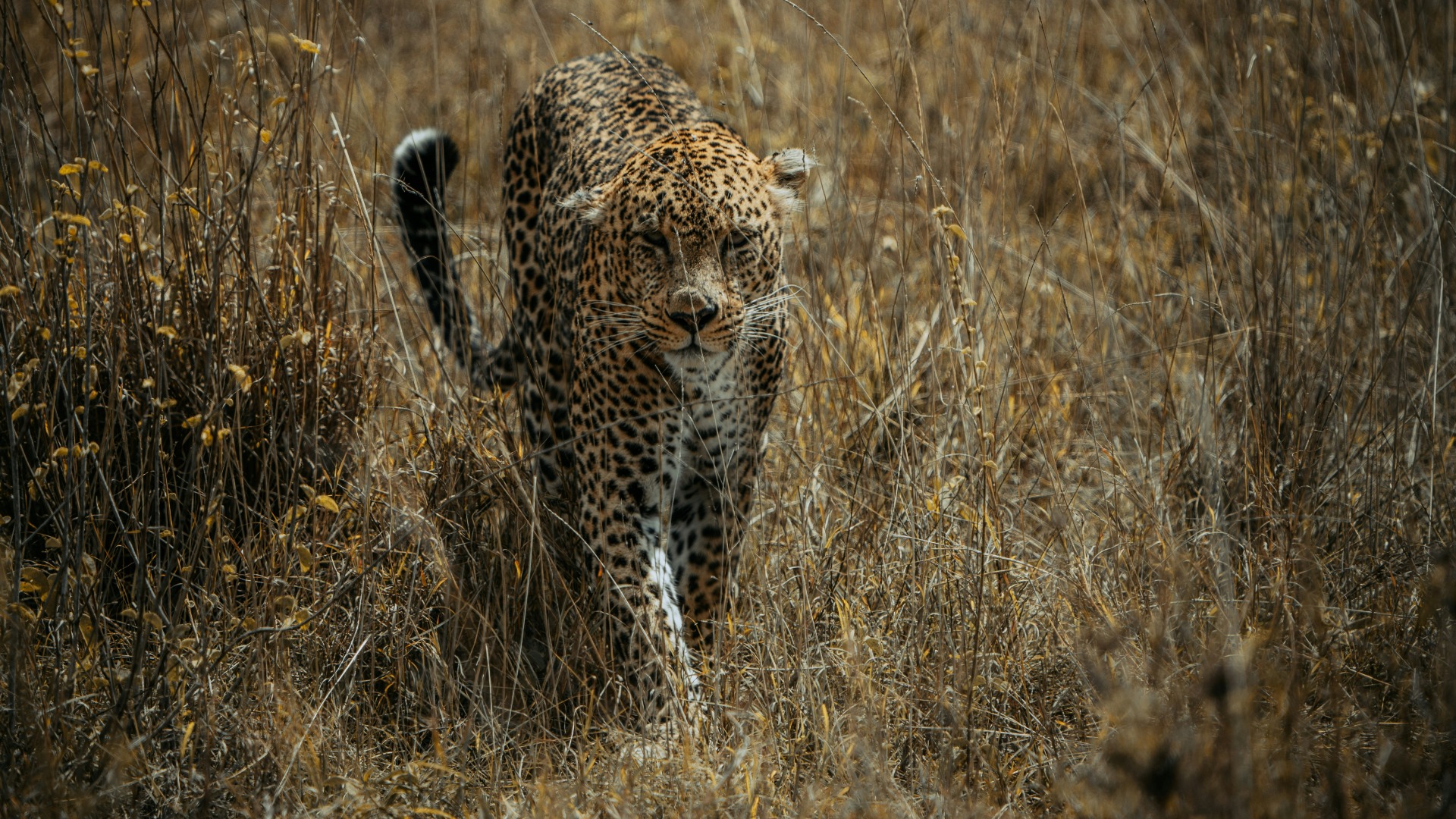
Photography
Practical Kenyan Photography Techniques for Capturing Wildlife in Motion
Encounters Africa - 10 min read
Updated on 23 July 2026
Practical Kenyan photography techniques for capturing wildlife in motion open up an entirely new dimension to your safari experience. Kenya’s dramatic landscapes, from the sweeping plains of the Masai Mara to the dramatic backdrop of Kilimanjaro at Amboseli National Park, provide unparalleled opportunities for dynamic wildlife imagery. Whether you are tracking a cheetah in full sprint or documenting a herd of elephants crossing dusty terrain at golden hour, mastering the right techniques transforms fleeting moments into lasting visual stories.
Kenya’s variable light conditions and rich biodiversity demand specific approaches that account for fast-moving subjects, changing weather, and ethical field practices. The best time to visit for photography is typically during the dry seasons from June to October and January to March, when animals congregate around water sources and vegetation is thinner, improving visibility. Expect early morning game drives starting before dawn and late afternoon sessions that stretch into the vivid colours of sunset. This guide shares field-proven methods that help travellers seize decisive moments while working alongside experienced local guides who understand animal behaviour intimately.
The difference between a good wildlife photograph and a memorable one often lies in a single second of anticipation, when patience, technical skill and local knowledge converge.
Understanding Kenya’s Light and Its Impact on Motion Photography
Kenya’s equatorial light changes rapidly throughout the day, creating distinct challenges and opportunities for capturing movement. Dawn brings soft, diffused illumination perfect for freezing action without harsh shadows, while midday sun can produce high contrast that complicates exposure. Golden hour, occurring roughly an hour after sunrise and before sunset, bathes the landscape in warm tones that add depth and emotion to images of moving wildlife.
During the dry season, dust kicked up by running animals creates atmospheric backlighting effects that can be harnessed with careful exposure compensation. In contrast, the short rains around November often produce dramatic storm light that adds mood to action shots. Learning to read these conditions allows photographers to adjust settings instinctively rather than fumbling with controls while the moment passes.
Local guides play an essential role here. Many have spent decades observing specific prides and herds, enabling them to predict when a lioness might begin a hunt or when zebras will break into a gallop. Their cues give you those vital extra seconds to prepare your camera.
Recommended Camera Settings for Variable Kenyan Light
Start with aperture priority or manual mode depending on your experience level. For most motion work, a shutter speed of at least 1/1000th of a second is necessary to freeze running animals, though 1/2000th or faster produces sharper results with cheetahs reaching speeds of 100 kilometres per hour. Keep your aperture between f/5.6 and f/8 to maintain sharpness across a moving subject while allowing enough light to reach the sensor.
ISO should remain as low as possible during bright conditions, typically between 100 and 400, but be prepared to push it to 1600 or higher during early morning or late evening when light fades quickly. Modern mirrorless cameras handle higher ISO values with remarkable cleanliness, preserving detail in both highlights and shadows. Use continuous autofocus with dynamic area mode to track subjects as they move across the frame.

In the Kenyan bush, your camera must become an extension of your senses rather than a distraction from the experience unfolding around you.
Essential Techniques for Capturing Wildlife in Motion
Panning is one of the most effective methods for conveying speed and energy in Kenyan wildlife photography. By tracking a moving animal with your camera while using a slower shutter speed, typically between 1/30th and 1/125th of a second, you create a sharp subject against a blurred background that suggests motion. This technique works particularly well with giraffes loping across the plains or wildebeest during the annual migration.
Pre-focusing on a spot where you anticipate action, such as a river crossing or known hunting ground, allows you to fire the shutter at precisely the right instant. Many professional wildlife photographers in Kenya use burst mode combined with predictive autofocus to capture sequences that tell a complete story, from the initial stalk to the final leap.
Positioning is equally critical. Work with your guide to choose locations that offer clean backgrounds and good sightlines without disturbing the animals. In Masai Mara National Reserve, experienced drivers know exactly where to position the vehicle so that the light falls favourably on your subject while maintaining a respectful distance that never interferes with natural behaviour.
Working with Local Guides to Anticipate Behaviour
Kenyan guides possess an almost intuitive understanding of wildlife patterns that can dramatically improve your hit rate. They recognise subtle signs, such as a slight ear twitch in a lioness or the way impala suddenly become alert, that signal impending movement. Building a rapport with your guide and communicating your photographic goals early in the journey allows them to position you optimally and provide timely warnings.
Many guides in areas like the Ol Pejeta Conservancy have worked with photographers for years and understand the value of patience. They will often suggest waiting quietly at a waterhole rather than constantly driving in search of new subjects, knowing that the best action often unfolds when animals feel unobserved.
Equipment Choices Tailored to Kenyan Conditions
A versatile telephoto zoom, such as a 100-400mm or 200-500mm lens, offers flexibility when animals are moving unpredictably. Prime lenses like a 400mm f/2.8 or 600mm f/4 deliver exceptional sharpness and low-light performance but require more careful planning and physical positioning. Many travellers now favour mirrorless systems for their lighter weight and silent shutter, which is particularly valuable when photographing skittish species like leopards.
Support your lens with a bean bag rather than a tripod in most safari vehicles, as it provides stability while allowing quick adjustments. A monopod can be useful during walking safaris in areas where they are permitted, such as certain conservancies around Laikipia. Always carry a lens cloth to deal with inevitable dust, and consider a UV filter to protect your investment from the harsh African sun.
Bring at least two camera bodies if possible, keeping one fitted with a wide-angle lens for environmental portraits and landscapes that give context to your wildlife images. This setup prevents frantic lens changes when a herd of elephants suddenly appears close to your vehicle.
Advanced Techniques for Different Kenyan Landscapes
In the acacia-dotted plains of the Mara, use leading lines created by the grass or animal tracks to draw the viewer’s eye toward your moving subject. At Amboseli, the dust and occasional mist create beautiful atmospheric conditions that soften harsh light and add dimension to images of elephants in motion. Adjust your white balance manually to preserve the warm tones rather than letting the camera’s automatic setting neutralise them.
For birds in flight around lakes and wetlands, switch to electronic shutter mode to eliminate vibration and use subject tracking that follows erratic movement patterns. A shutter speed of 1/2000th of a second or faster is usually required to freeze wing motion while maintaining detail in feathers.
Common Questions About Kenyan Wildlife Photography
What is the best camera setting for photographing running animals in Kenya? For most situations, use shutter priority mode with a minimum speed of 1/1250th of a second, continuous autofocus, and burst mode. Adjust ISO automatically between 200 and 1600 depending on available light. These settings have been field-tested across multiple Kenyan reserves and consistently deliver sharp results even with fast-moving subjects like cheetahs and gazelles.
How close can you ethically photograph wildlife in Kenya? Maintain at least 25 metres from big cats and elephants, and never position your vehicle between a mother and her young. Responsible operators and guides enforce these distances to ensure animals remain undisturbed, allowing for more natural behaviour and better long-term photographic opportunities.
Should I use a drone for Kenyan safari photography? Drone use is heavily restricted or prohibited in most national parks and conservancies. Always check current regulations with your operator before travelling, as fines can be substantial and the disturbance to wildlife significant.
Photography on safari is not simply about pressing the shutter at the right moment, but about developing a deeper connection with the landscape and its inhabitants through patient observation.
Ethical Considerations and Conservation Through Photography
Responsible wildlife photography in Kenya goes far beyond technical excellence. By choosing operators committed to ethical practices, travellers directly support conservation efforts that protect the very subjects they wish to photograph. Many lodges contribute a percentage of their revenue to anti-poaching initiatives and community development programmes that help secure vital wildlife corridors.
Avoid using call-up sounds or baiting animals for photographs, practices that alter natural behaviour and can prove harmful in the long term. Instead, focus on capturing authentic moments that reflect the true rhythms of the African bush. When shared thoughtfully on social media or through exhibitions, these images raise awareness about the challenges facing Kenya’s wildlife and the importance of preserving their habitats.
Consider participating in citizen science projects where your photographs can contribute valuable data to research organisations monitoring population trends and movement patterns. Several conservancies in Kenya welcome such contributions from visiting photographers.

Post-Processing Tips for Kenyan Wildlife Images
Raw files from Kenyan safaris often benefit from subtle adjustments that enhance the natural beauty of the light without creating an artificial look. Recover highlights in dusty scenes where the sun creates blown-out areas, and lift shadows carefully to reveal detail in animals partially obscured by vegetation. Maintain a light touch with saturation, particularly with the rich reds and golds that dominate many Kenyan landscapes.
Crop thoughtfully to strengthen composition, but avoid excessive cropping that reduces image quality. Many award-winning Kenyan wildlife photographs succeed because of their environmental context rather than tight portraiture alone. When preparing images for print or online sharing, ensure metadata includes location details that can help promote the specific conservancies and national parks where photographs were taken.
Creating Lasting Memories Through Kenyan Photography
The techniques outlined here represent years of collective experience from professional photographers and seasoned guides working across Kenya’s varied ecosystems. Yet the most important element remains patience and respect for the natural world you have come to document. When you combine technical skill with genuine curiosity and ethical awareness, your images become more than photographs; they become powerful records of moments that might otherwise be lost to time.
For discerning travellers seeking a private safari beyond our set itineraries, we invite you to contact us directly. We specialise in designing exceptional, tailor-made journeys for individuals, couples, families, and private groups of up to eight guests. Drawing on our handpicked network of distinguished camps and lodges, we curate every detail with precision and care, creating a seamless, deeply personal safari experience shaped entirely around your preferences, pace, and budget.
Whether you wish to focus intensively on photography with specialist guides or combine image-making with broader wildlife experiences, Encounters Africa can craft an itinerary that meets your exact requirements. Our deep knowledge of Kenya’s photographic opportunities, from the predator-rich plains of the Mara to the elephant herds of Laikipia, allows us to create journeys that deliver both exceptional images and meaningful connections with the landscapes and communities that sustain them.
Begin planning your Kenyan photography safari today by reaching out to our team. The images you capture will not only enrich your own collection but contribute to a greater appreciation and protection of Kenya’s extraordinary natural heritage.
More like this
photography
Practical Night Photography Techniques That Keep You Safe in African Bushveld
Photography
Practical Photography Opportunities Across Uganda's Diverse Landscapes
Photography
Practical Steps for Photographing Indigenous Communities with Respect Across Africa
Photography
Practical Ways to Photograph African Wildlife Without Disturbing Natural Behaviors
Photography
Pro Techniques for Capturing African Wildlife and Portraits on Safari
Photography