photography
Practical Night Photography Techniques That Keep You Safe in African Bushveld
Encounters Africa - 10 min read
Updated on 19 August 2026
Practical night photography techniques that keep you safe in African bushveld open a window into a world few travellers witness. When the sun slips below the acacia line and darkness claims the savanna, nocturnal predators emerge with silent purpose. For those joining Encounters Africa on a night drive or guided bush walk, mastering low-light capture without disturbing the animals or risking personal security transforms an already profound experience into something truly memorable.
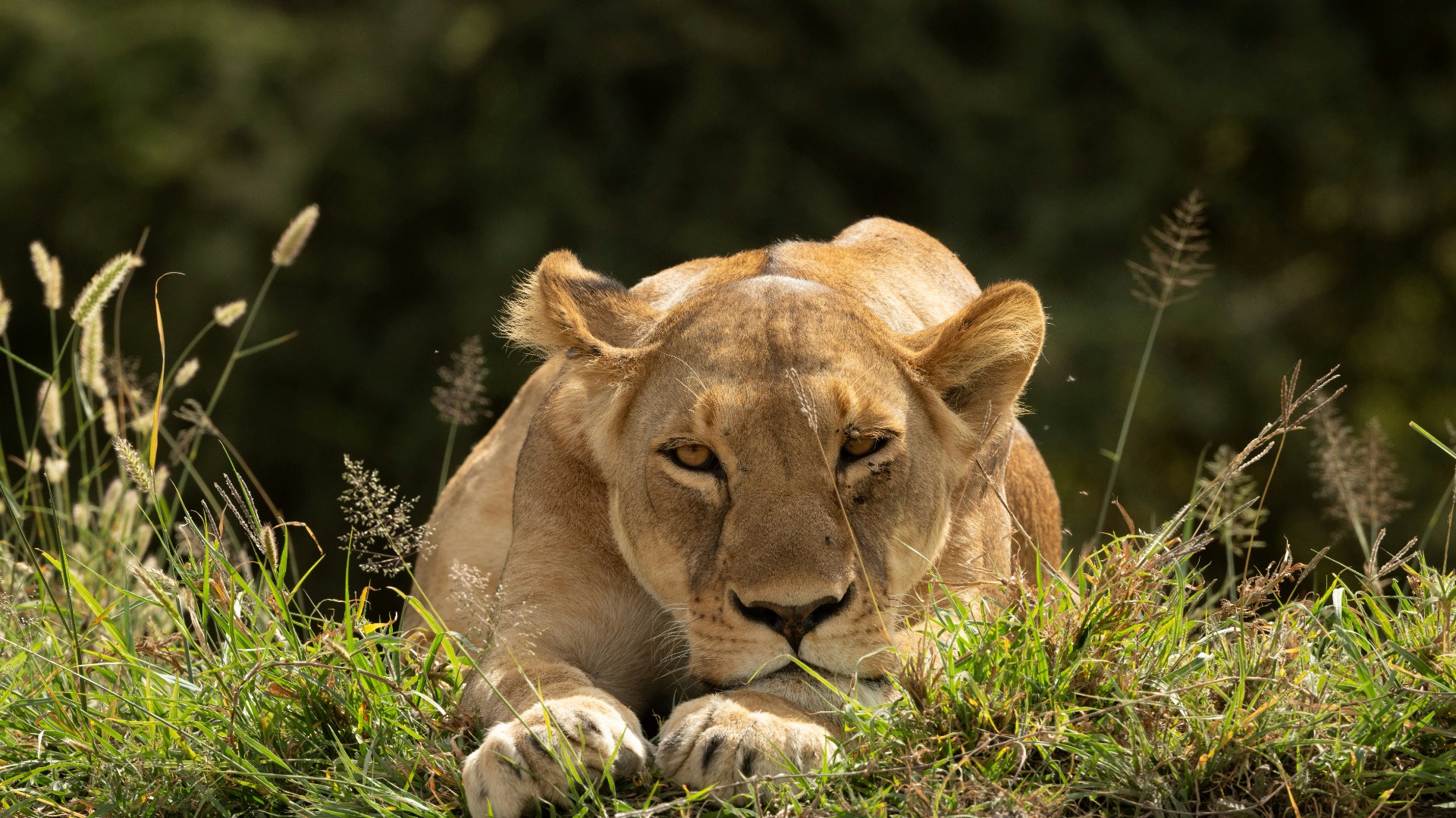
The African bushveld after sunset pulses with life that remains invisible by day. Lions move like shadows across open plains, leopards melt into tree canopies, and hyenas patrol with their distinctive rolling gait. A factual summary for those planning their first nocturnal photography session: successful night photography in reserves such as the Masai Mara or Okavango Delta requires balancing technical precision, ethical awareness, and rigorous safety measures. With the right preparation, you can document these moments while honouring both the wildlife and your own wellbeing.

Understanding the Nocturnal Bushveld Environment
The transition from daylight to full darkness in Southern and East Africa happens with remarkable speed. Civil twilight often lasts less than thirty minutes, after which ambient light drops dramatically. Temperatures can fall by ten degrees Celsius within an hour, affecting both equipment performance and human comfort. Recognising these rapid changes helps photographers anticipate challenges before they arise.
Wildlife behaviour shifts completely once darkness settles. Many species that appear relaxed during golden hour become more alert and potentially unpredictable at night. Predators rely on superior night vision and acute hearing, meaning any sudden movement or bright light from your position can alter their natural patterns or, in rare cases, provoke defensive reactions.
The African night is not empty. It is a theatre of calculated movement where every sound and flicker of light carries consequence.
Common Nocturnal Subjects and Their Patterns
Lions frequently hunt in coordinated groups between midnight and dawn, using darkness to mask their approach. Leopards, solitary and territorial, often drag kills into trees shortly after sunset. Smaller carnivores such as servals and genets display incredible agility under starlight, while large herbivores remain constantly vigilant against ambush.
Understanding these rhythms allows you to position yourself thoughtfully. Experienced guides from Encounters Africa know the habitual routes and water sources favoured by different species during specific seasons. The dry months from June to October generally offer clearer skies and more concentrated wildlife around remaining water points, creating better opportunities for night photography.
Essential Camera Settings for African Night Photography
Mastering your camera’s low-light capabilities forms the foundation of safe and effective nocturnal wildlife photography. The goal remains capturing sharp, well-exposed images while minimising any artificial light that might disturb animals. Modern mirrorless bodies with excellent high-ISO performance have revolutionised what is possible after dark.
Optimal Exposure Triangle Adjustments
Begin by setting your ISO between 3200 and 12800 depending on available ambient light and your camera’s noise characteristics. A wide aperture between f/2.8 and f/4 allows maximum light intake while maintaining acceptable depth of field for animal portraits. Shutter speeds should generally stay above 1/60th of a second to reduce motion blur from either the subject or slight vehicle movement, though creative motion blur can sometimes tell a compelling story.
Raw capture remains non-negotiable. The additional data in shadow areas and highlights gives crucial flexibility during post-processing. Enable long exposure noise reduction and high ISO noise reduction, but test these settings beforehand as they can slow down your shooting rate during fleeting encounters.
Technical excellence means nothing if it comes at the expense of the animal’s natural behaviour or your personal safety.
Autofocus and Stabilisation Techniques
Modern mirrorless cameras with animal eye detection perform remarkably well under low light, but manual focus with peaking or magnification often proves more reliable when contrast is minimal. Pre-focus on a specific area where you anticipate action, such as a known game trail or waterhole edge.
Image stabilisation becomes your greatest ally. Whether using a bean bag on a vehicle door or a sturdy monopod on foot, eliminating camera shake allows slower shutter speeds without compromising sharpness. For extended sessions, consider a lightweight carbon fibre tripod that packs efficiently into safari luggage.
Safe Lighting Strategies That Respect Wildlife
Artificial light represents both your greatest tool and potential hazard during night photography in the bush. The key lies in using the minimum intensity necessary while directing it carefully to avoid startling animals or affecting their vision.
Choosing the Right Light Source
Red light torches and vehicle-mounted red spotlights disturb wildlife far less than white light. Many reserves now mandate red lighting for night drives precisely because it interferes minimally with animals’ night vision. A powerful but dimmable red headlamp leaves both hands free for camera operation while maintaining situational awareness.
Avoid constant illumination. Brief, controlled bursts of light for focusing and composition followed by darkness allow animals to resume natural behaviour quickly. Some advanced photographers use infrared illuminators paired with modified cameras, though these require specialised equipment and permits in many protected areas.
Vehicle Positioning and Light Discipline
Experienced guides position vehicles at respectful distances, typically thirty to fifty metres from subjects depending on species and individual temperament. Always follow your guide’s instructions regarding engine use, door opening, and light direction. The vehicle itself acts as both a hide and a safety barrier.
When working from a stationary vehicle, drape a dark cloth over the window frame to reduce reflections and muffle any equipment noise. Keep movements slow and deliberate. A sudden lens change or dropped lens cap can shatter the delicate balance of a nocturnal encounter.
Safety Protocols Every Photographer Must Follow
No photograph justifies compromising personal safety or that of your guide and fellow travellers. The African bush at night presents genuine hazards beyond the obvious large mammals. Understanding and respecting these risks allows for confident, focused photography.
Working with Professional Guides
Encounters Africa partners exclusively with camps and operators whose guides possess exceptional bushcraft and wildlife knowledge. These professionals maintain constant vigilance while you concentrate on composition. Their ability to read subtle behavioural cues often prevents uncomfortable situations before they develop.
Never leave the vehicle without explicit permission and proper armed escort. Even seemingly calm situations can change rapidly when a territorial male or protective mother appears unexpectedly. Your guide’s primary responsibility remains your safety, not your portfolio.
True mastery in the African night comes from knowing when to raise the camera and, more importantly, when to simply observe in respectful silence.
Essential Night Bush Safety Checklist
Always carry a fully charged headlamp with fresh spare batteries
Wear muted colours that blend with the environment rather than bright whites or reflective materials
Maintain complete silence during approaches to avoid advertising your presence
Keep hands inside the vehicle until your guide confirms it is safe
Stay hydrated and dress in layers as temperatures drop sharply after sunset
Carry a personal first aid kit including basic snakebite treatment information
Follow all instructions regarding movement and lighting without exception
Ethical Considerations for Nocturnal Wildlife Photography
The responsibility of documenting Africa’s predators at night extends beyond personal safety to the welfare of the animals themselves. Every decision made in the field should prioritise minimal disturbance to natural behaviour.
Recognising Signs of Stress
Experienced observers can detect subtle indicators that an animal feels pressured by human presence. Repeated yawning in big cats, excessive tail flicking, or deliberate avoidance all suggest the need to increase distance or extinguish lights immediately. Knowing when to withdraw preserves both the moment and future photographic opportunities for others.
Resist the temptation to follow animals that are clearly moving away. The most rewarding images often come from patience rather than pursuit. A relaxed leopard draped along a branch in starlight creates a far more powerful image than a stressed animal caught in harsh torch beams.
Supporting Conservation Through Responsible Practice
By choosing operators committed to genuine conservation, photographers contribute positively to the landscapes they document. Many Chobe Game Lodge style properties support anti-poaching initiatives and community education programmes that directly benefit the wildlife appearing in your frames.
Consider joining one of Encounters Africa’s specialist photography departures where professional wildlife photographers accompany small groups. These journeys combine technical instruction with deeper understanding of conservation challenges facing nocturnal species across the continent.

Recommended Equipment for Safe Night Safari Photography
Successful low-light wildlife photography requires thoughtful gear selection that balances capability with practicality. The African bush demands equipment that can withstand dust, temperature swings, and occasional unexpected rain showers.
Core Camera and Lens Combinations
A full-frame mirrorless body paired with a 70-200mm f/2.8 lens covers most nocturnal encounters while remaining relatively lightweight. For tighter portraits or smaller subjects, a 400mm f/2.8 or 600mm f/4 with a high-quality teleconverter provides reach without requiring dangerously close approaches.
Fast prime lenses such as the 35mm or 50mm f/1.4 prove invaluable for atmospheric wider scenes that include both wildlife and the broader night environment. A sturdy monopod or beanbag remains essential, as tripods can be cumbersome in vehicles and potentially hazardous on foot.
Supporting Accessories That Enhance Safety
Beyond camera equipment, certain items specifically improve both image quality and personal security. A high-lumen but fully dimmable red torch helps locate dropped items without disturbing animals. Remote shutter releases reduce camera shake and allow you to remain still during critical moments.
Consider a small LED panel with adjustable colour temperature for those rare instances when supplementary light becomes necessary. Modern versions weigh under 200 grams and can be powered by the same batteries as your camera, reducing overall luggage weight.
Common Questions About Night Photography in the African Bush
What is the best time to attempt night photography in African reserves? The dry season between May and October generally provides the most reliable conditions across East and Southern Africa. Clearer skies improve ambient starlight while concentrated water sources increase wildlife activity. However, the green season offers dramatic storm clouds and lush vegetation that can create equally compelling nocturnal images with proper technique.
Is flash photography permitted on night drives? Most reputable operators and national parks prohibit white flash photography as it disrupts animals’ natural hunting and resting patterns. Red light or infrared alternatives are increasingly encouraged. Always confirm specific regulations with your chosen camp or reserve before departure.
How close can you safely photograph lions at night? Distance requirements vary by individual animal, location, and vehicle type, but professional guides generally maintain at least thirty metres from lions. This distance allows comfortable photography with a 200mm or 400mm lens while keeping all occupants safely within the vehicle. Never pressure your guide to move closer for a shot.
Bringing the African Night Home Responsibly
The images captured during nocturnal safaris often become the most treasured in any collection. They represent rare moments of connection with a wild Africa that operates beyond our normal rhythms of day and night. Yet these photographs carry with them an implicit contract to have caused no harm in their creation.
By following the practical night photography techniques outlined here, travellers can return with powerful visual stories while knowing they have respected the delicate balance of the bushveld. The knowledge that your images may inspire others to support conservation efforts adds another meaningful layer to the experience.
For discerning travellers seeking a private safari beyond our set itineraries, we invite you to contact us directly. We specialise in designing exceptional, tailor-made journeys for individuals, couples, families, and private groups of up to eight guests. Drawing on our handpicked network of distinguished camps and lodges, we curate every detail with precision and care, creating a seamless, deeply personal safari experience shaped entirely around your preferences, pace, and budget.
Whether you wish to focus specifically on night photography or simply include evening game drives as part of a broader wildlife journey, reach out to Encounters Africa to begin planning. Our team understands both the technical demands of low-light capture and the profound responsibility that comes with documenting Africa’s predators after dark. The bushveld awaits, wrapped in its velvet darkness and filled with stories waiting to be told through your lens.
More like this
Photography
Practical Photography Opportunities Across Uganda's Diverse Landscapes
Photography
Practical Steps for Photographing Indigenous Communities with Respect Across Africa
Photography
Practical Ways to Photograph African Wildlife Without Disturbing Natural Behaviors
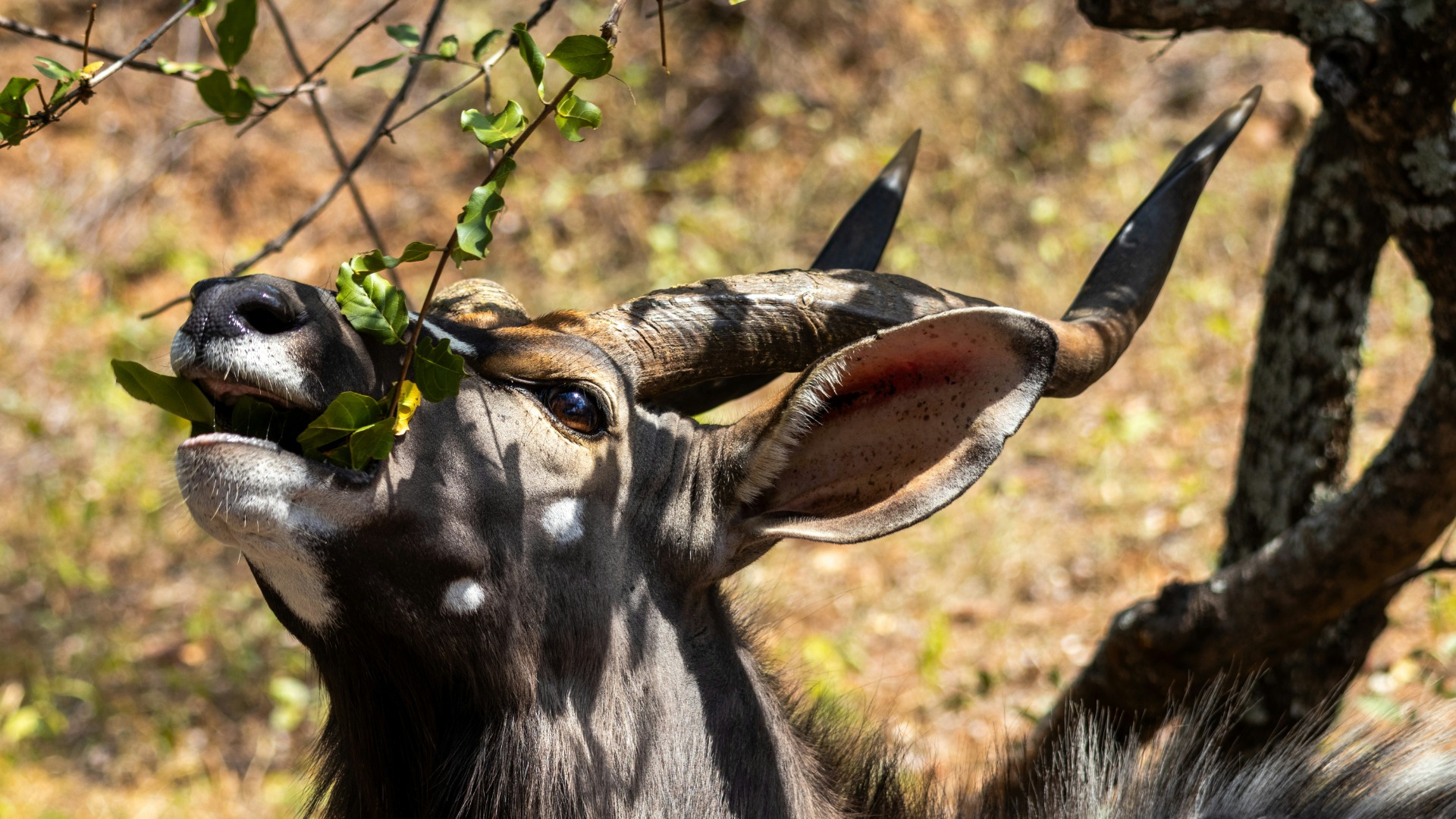
Photography
Pro Techniques for Capturing African Wildlife and Portraits on Safari
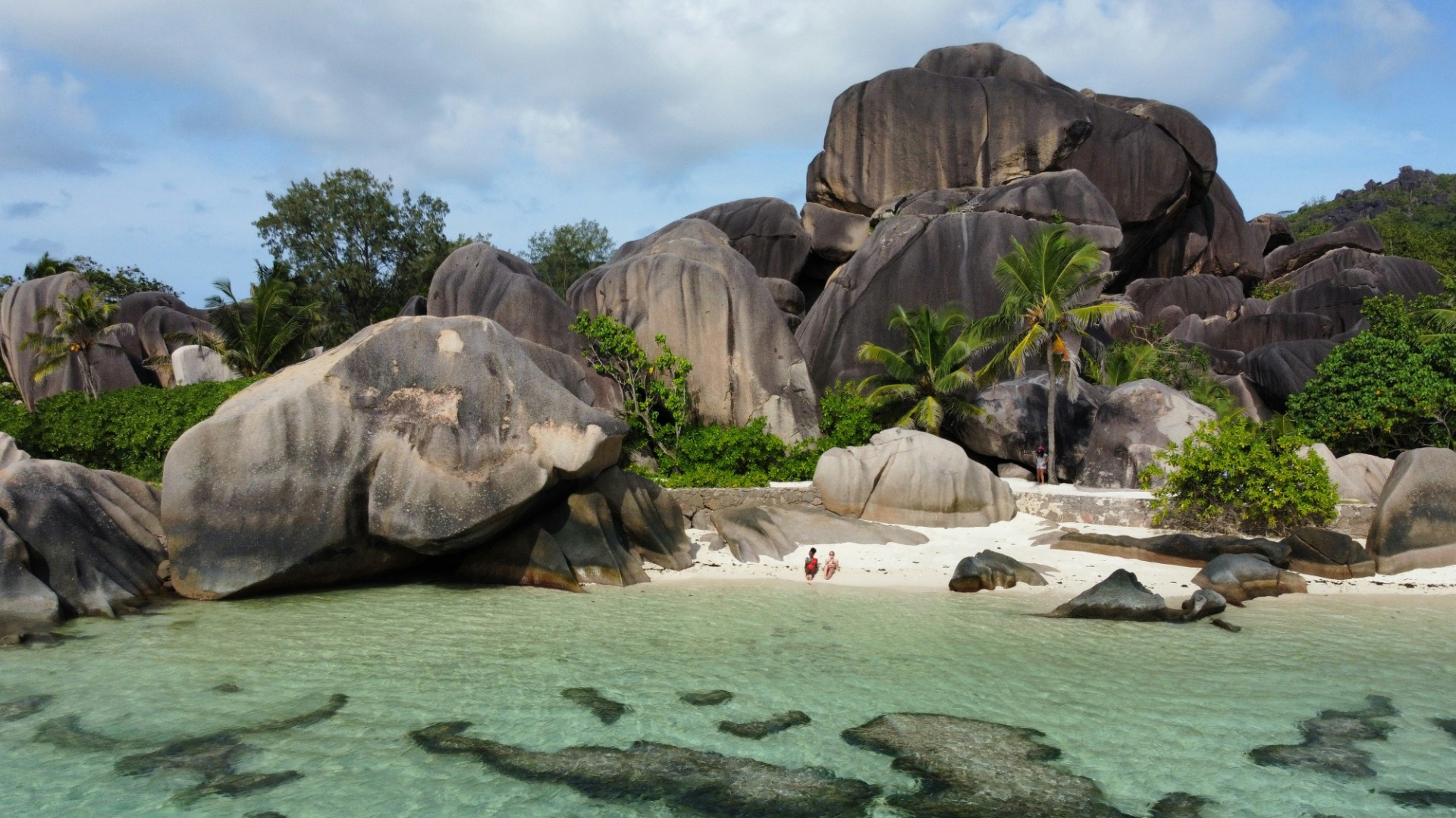
Photography
Seychelles Photography Tips: Ten Techniques for Capturing Granitic Shores and Turquoise Waters
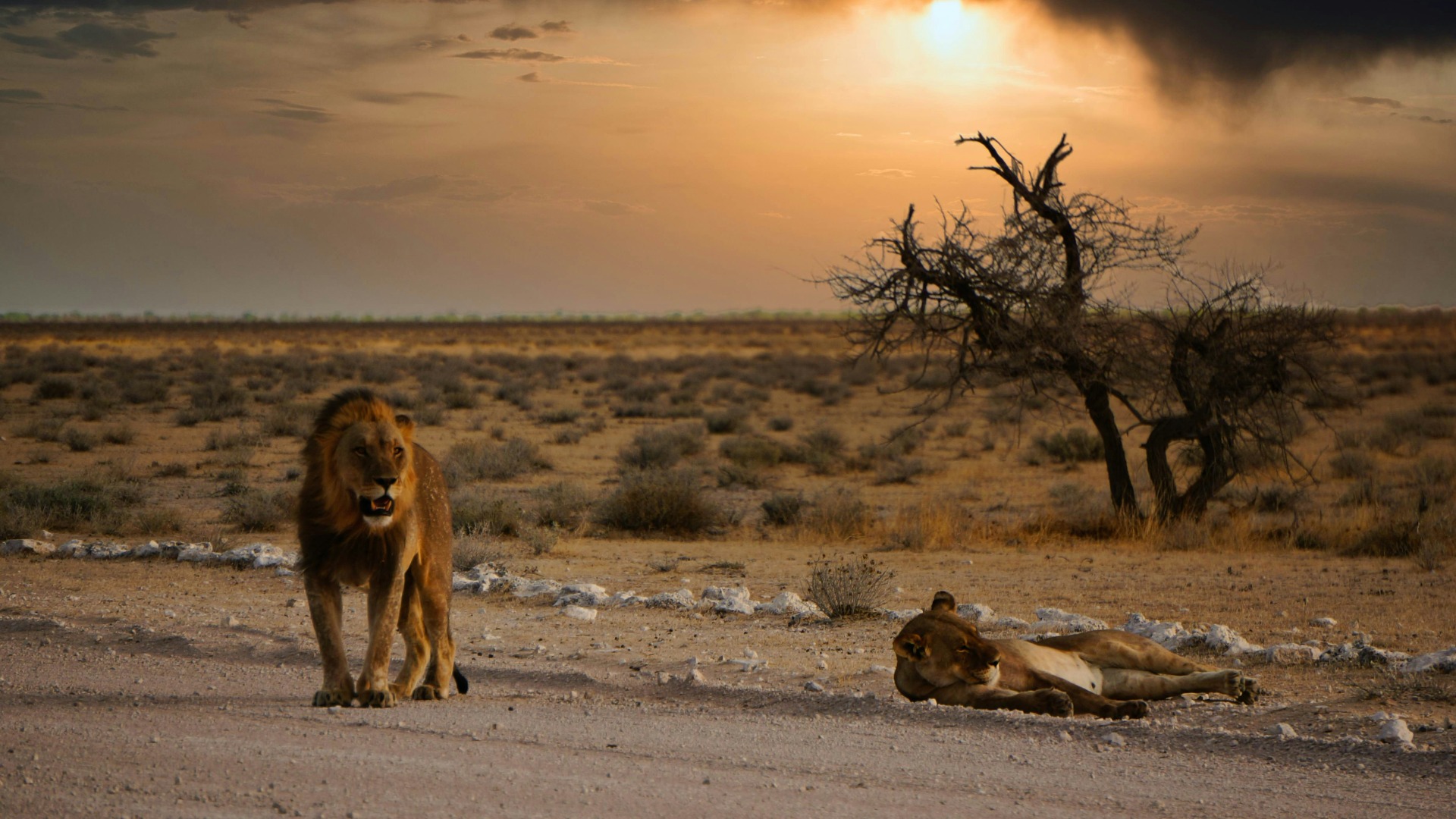
Photography