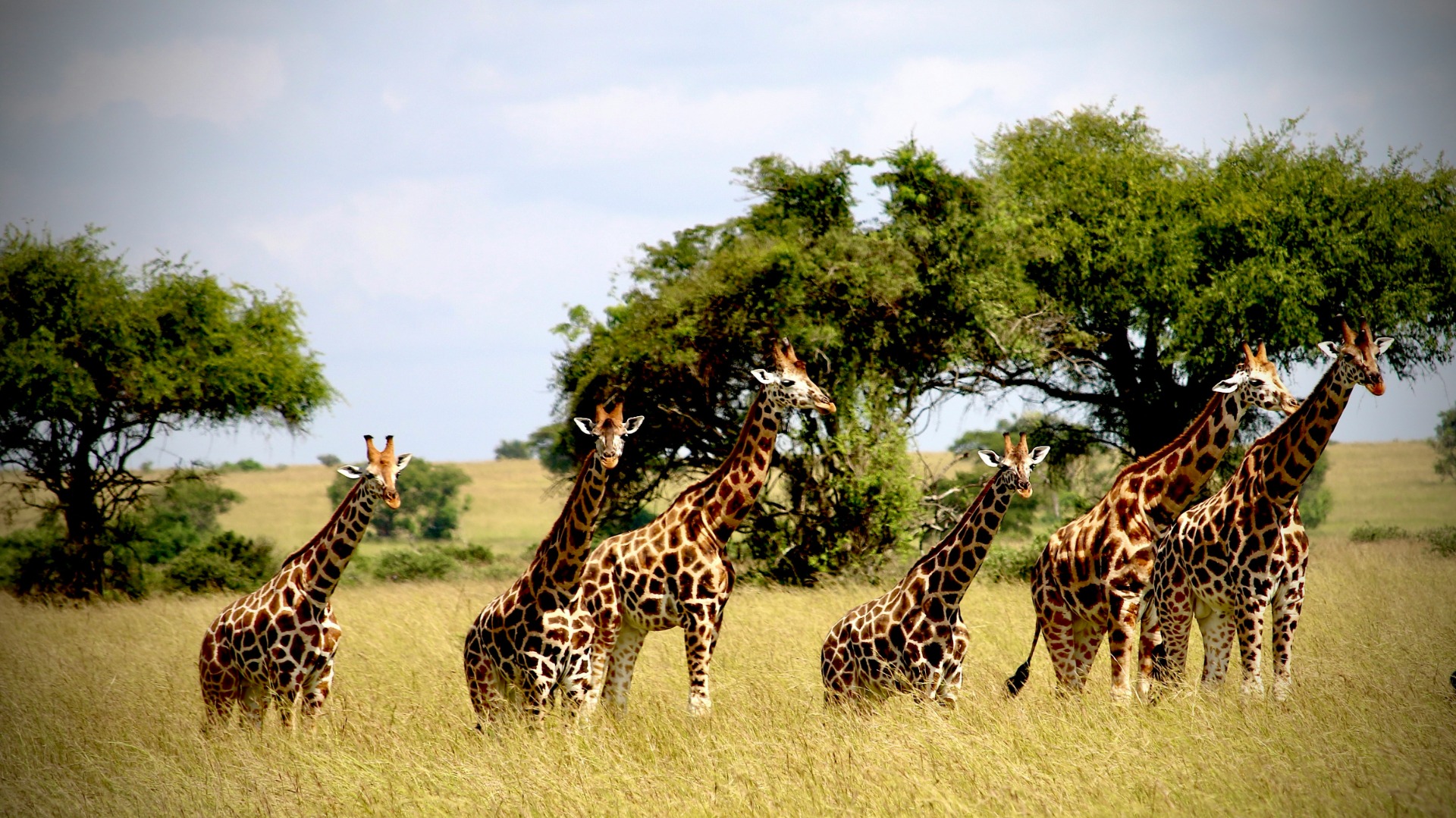
Photography
Practical Field Techniques for Capturing African Wildlife Images While Leaving No Trace
Encounters Africa - 11 min read
Updated on 10 August 2026
Photographing nature without destroying it lies at the heart of responsible African safari experiences. The approved techniques allow travellers to document elephants at a watering hole or birds in flight while preserving the very scenes they capture. This approach ensures that delicate vegetation remains untouched and animal behaviour stays unaltered, supporting the long-term health of ecosystems across reserves in Botswana, Kenya and beyond.
A factual summary for those planning their first photographic journey: ethical wildlife photography on safari maintains safe distances of at least 25 metres from large mammals, uses natural light to avoid flash, and follows strict vehicle positioning rules set by experienced guides. These practices have been refined over decades by professional photographers working alongside conservation teams, resulting in zero recorded habitat damage when followed correctly. Encounters Africa has guided thousands of travellers in these methods, ensuring every image taken contributes to a deeper appreciation rather than exploitation.
Understanding the Foundations of Ethical Wildlife Photography
Responsible image-making begins long before the camera leaves its bag. It starts with recognising that every movement, sound and choice of position can influence the natural world around you. In African reserves, where wildlife viewing occurs in unfenced environments, this awareness becomes particularly vital.
The core principle remains simple yet profound: your presence should never alter the behaviour you wish to record. A sudden noise might send a herd of impala fleeing, while an ill-judged approach could force a leopard to abandon its kill. Learning to read these subtle signals forms the bedrock of field techniques that respect both the animals and their habitat.
The quiet observer captures more than the restless seeker. In the African bush, patience reveals moments that no amount of technical equipment can force into existence.
Encounters Africa consistently emphasises this philosophy across its carefully selected itineraries. By partnering with lodges that prioritise conservation, the company ensures travellers understand their role as temporary guests in these wild spaces. This mindset transforms photography from an extractive activity into one of quiet celebration.

Selecting Vantage Points That Minimise Impact
Choosing where to position yourself represents one of the most critical decisions in ethical wildlife photography. Rather than pursuing the animal, skilled photographers allow the scene to unfold from established viewing areas or approved off-road spots designated by their guide.
In open savannah landscapes, this might mean remaining within the vehicle to avoid compressing sensitive grasses. During Kenya safari experiences, professional guides know precisely which tracks offer the best angles without requiring additional vehicle movement that might disturb ground-nesting birds or small mammals.
Vehicle Positioning Strategies
Modern safari vehicles offer excellent elevation for photography, but their placement demands thoughtfulness. Always approach at an angle that keeps the engine facing away from the subject to reduce noise projection. Switch off the ignition once settled, and avoid unnecessary repositioning.
At popular watering holes, experienced guides will select spots where multiple vehicles can share the view without crowding. This cooperative approach prevents animals from feeling encircled, allowing natural drinking patterns to continue uninterrupted. The best photographs often emerge from these patient, shared viewpoints rather than aggressive positioning.
Working with Natural Cover
Where permitted, using existing vegetation as a screen can provide both concealment and protection for the photographer. However, never trample or break branches to improve your view. The goal remains complete integration with the environment rather than modification of it.
In thicker woodland areas such as those found in certain South Africa reserves, guides may suggest specific parking locations that align with prevailing wind directions. This consideration prevents your scent from reaching the animals while offering clear sightlines for your lens.
True mastery in wildlife photography comes not from conquering the landscape but from becoming part of it so seamlessly that the wildlife barely registers your presence.
Mastering Equipment Settings for Minimal Disturbance
Camera configuration plays a surprising role in ethical photography. Noisy shutter sounds or bright review screens can startle animals, while improper settings might force you to move closer than necessary to compensate for poor image quality.
Begin by familiarising yourself with your equipment before arriving in Africa. Understanding how to adjust settings quickly and silently prevents the need for disruptive movements once you are in position. Many modern cameras offer silent shooting modes that prove invaluable in the bush.
Optimal Camera Configurations
For most African wildlife scenarios, maintain a shutter speed of at least 1/1000th of a second when photographing moving animals. This freezes action without requiring you to follow subjects too closely. Pair this with an ISO range that allows shooting at f/5.6 to f/8, balancing depth of field with manageable noise levels.
Turn off all unnecessary beeps and flashes. Use the viewfinder rather than the LCD screen for composition to prevent light spill that might disturb nocturnal or crepuscular species. When reviewing images, cup your hand around the screen or wait until you have left the immediate area.
Lens Selection and Its Ethical Implications
Longer focal lengths enable respectful distances while delivering intimate portraits. A 400mm or 500mm lens, paired with a teleconverter when appropriate, allows detailed capture without encroachment. This equipment choice directly supports conservation by reducing pressure on animals to move away from popular viewing areas.
Consider the weight and bulk of your gear when planning daily movements. Lighter setups encourage staying in one productive location rather than constantly seeking new angles that might disturb additional wildlife. At lodges like Chobe Game Lodge, dedicated photography hides offer stable platforms for heavier equipment without any environmental impact.
Timing Your Movements and Understanding Animal Behaviour
Successful ethical photography depends heavily on temporal awareness. Knowing when animals are most active and least likely to be disturbed allows for more productive sessions with minimal intervention.
Dawn and dusk typically offer the most rewarding light and animal activity. During these periods, movements should be particularly deliberate and slow. Animals are often more focused on their own routines at these times, making them less reactive to careful human presence.
Reading Behavioural Cues
Learning to interpret ear positions, tail movements and posture helps photographers anticipate when an animal feels comfortable or needs space. A relaxed elephant continues spraying water while a nervous one raises its trunk to smell the air. Recognising these signals allows you to adjust your behaviour before any disturbance occurs.
Guides trained in both wildlife behaviour and photography prove invaluable here. They can interpret subtle signs that visitors might miss while suggesting the optimal moment to raise the camera. This collaborative approach, emphasised in all Encounters Africa journeys, creates richer experiences for everyone involved.
Seasonal Considerations for Responsible Photography
Different times of year present unique opportunities and responsibilities. The dry season concentrates animals around water sources, offering excellent photographic prospects but requiring extra care not to block access routes to these precious resources.
The green season brings lush vegetation that can obscure views but also provides natural cover for discreet observation. Migratory patterns, such as those in the Masai Mara, create spectacular opportunities when approached with sensitivity to the sheer numbers of animals present.
In the golden light of an African morning, the most powerful images emerge not from pursuit but from presence, from the patient art of simply being there at the right moment with the right respect.
Practical Field Techniques for Different Scenarios
Different wildlife situations demand specific approaches that balance image quality with environmental sensitivity. These field-tested methods have been developed through years of collaboration between professional photographers and conservation-minded guides.
Photographing at Watering Holes
Elephants, buffalo and various antelope species frequently gather at water sources, creating dynamic scenes for photography. Position yourself downwind and at a distance that allows the animals to drink without interruption. Low angles often produce the most compelling images while keeping you within the vehicle.
Avoid rapid lens changes that might create noise. Instead, prepare multiple camera bodies with different focal lengths before arriving at the location. This preparation enables seamless transitions between wide environmental shots and intimate close-ups without causing disturbance.
Capturing Birds in Flight
Bird photography requires quick reactions but should never involve following individuals in a way that alters their flight paths. Learn the regular perches and feeding routes of target species, then settle in to wait for natural behaviour to unfold.
Use predictive autofocus modes and high-speed continuous shooting to capture multiple frames per second. This technique increases your chances of securing the perfect image without needing to move closer or make sudden adjustments that might flush the birds from their chosen area.
Working in Dense Vegetation
In areas with thick undergrowth, such as parts of the Okavango Delta, patience becomes even more essential. Allow your guide to navigate to established viewing points rather than suggesting shortcuts through sensitive habitats.
Focus on creating layered compositions that incorporate the surrounding vegetation rather than fighting against it. These images often tell more compelling stories about the ecosystem while requiring no modification of the natural environment.

Supporting Conservation Through Your Photography
Ethical wildlife photographers recognise their images as potential tools for conservation. By sharing photographs that highlight the beauty and fragility of African ecosystems, travellers can raise awareness and support for protection efforts.
Many lodges and reserves now participate in citizen science projects where guest photographs contribute valuable data. These initiatives might involve documenting specific animal markings for identification databases or recording behavioural observations that inform management decisions.
Choosing Operators Committed to Responsible Practices
When planning your journey, select safari companies that demonstrate clear commitment to conservation. Encounters Africa works exclusively with partners who maintain strict ethical guidelines and support local community initiatives that benefit both people and wildlife.
Look for operators who limit vehicle numbers at sightings, enforce quiet periods, and contribute directly to anti-poaching and habitat restoration projects. These choices ensure that your photographic safari actively supports the landscapes you wish to capture.
Common Questions About Ethical Wildlife Photography
What is the minimum safe distance for photographing dangerous animals in Africa?
Professional guidelines recommend maintaining at least 25 metres from large predators and 50 metres from elephants in most situations. These distances may increase depending on the animals' behaviour, time of day, and presence of young. Always defer to your guide's assessment, as they understand the specific temperament of local wildlife populations.
Is flash photography ever acceptable on African safaris?
Flash should generally be avoided as it can startle animals and disrupt their natural behaviour. The harsh light also creates unnatural highlights that rarely enhance wildlife images. Modern sensors perform exceptionally well in low light conditions, making flash unnecessary for quality results.
How can I ensure my photography supports rather than harms conservation efforts?
Choose operators who demonstrate tangible conservation contributions, follow all local regulations, and limit group sizes. Share your images through platforms that raise awareness about conservation challenges, and consider donating a percentage of image licensing fees to recognised wildlife organisations working in the areas you visit.
Preserving Africa's Wild Heritage Through Conscious Photography
The techniques outlined here represent more than simple field craft. They embody a philosophy that places the wellbeing of African ecosystems above the pursuit of perfect images. When practised consistently, these methods allow travellers to return home with photographs that honour rather than harm the subjects they portray.
Each responsible photographer becomes part of a growing community dedicated to preserving Africa's extraordinary biodiversity. The images captured today serve as both personal treasures and powerful ambassadors for conservation, reminding us all of what stands to be lost without careful stewardship.
For discerning travellers seeking a private safari beyond our set itineraries, we invite you to contact us directly. We specialise in designing exceptional, tailor-made journeys for individuals, couples, families, and private groups of up to eight guests. Drawing on our handpicked network of distinguished camps and lodges, we curate every detail with precision and care, creating a seamless, deeply personal safari experience shaped entirely around your preferences, pace, and budget.
Whether you wish to focus on specific photographic techniques, explore particular ecosystems, or combine image-making with deeper conservation learning, Encounters Africa can craft an experience that meets your aspirations while upholding the highest ethical standards. Visit our enquiry form to begin planning your responsible photographic journey into Africa's wild places.
More like this
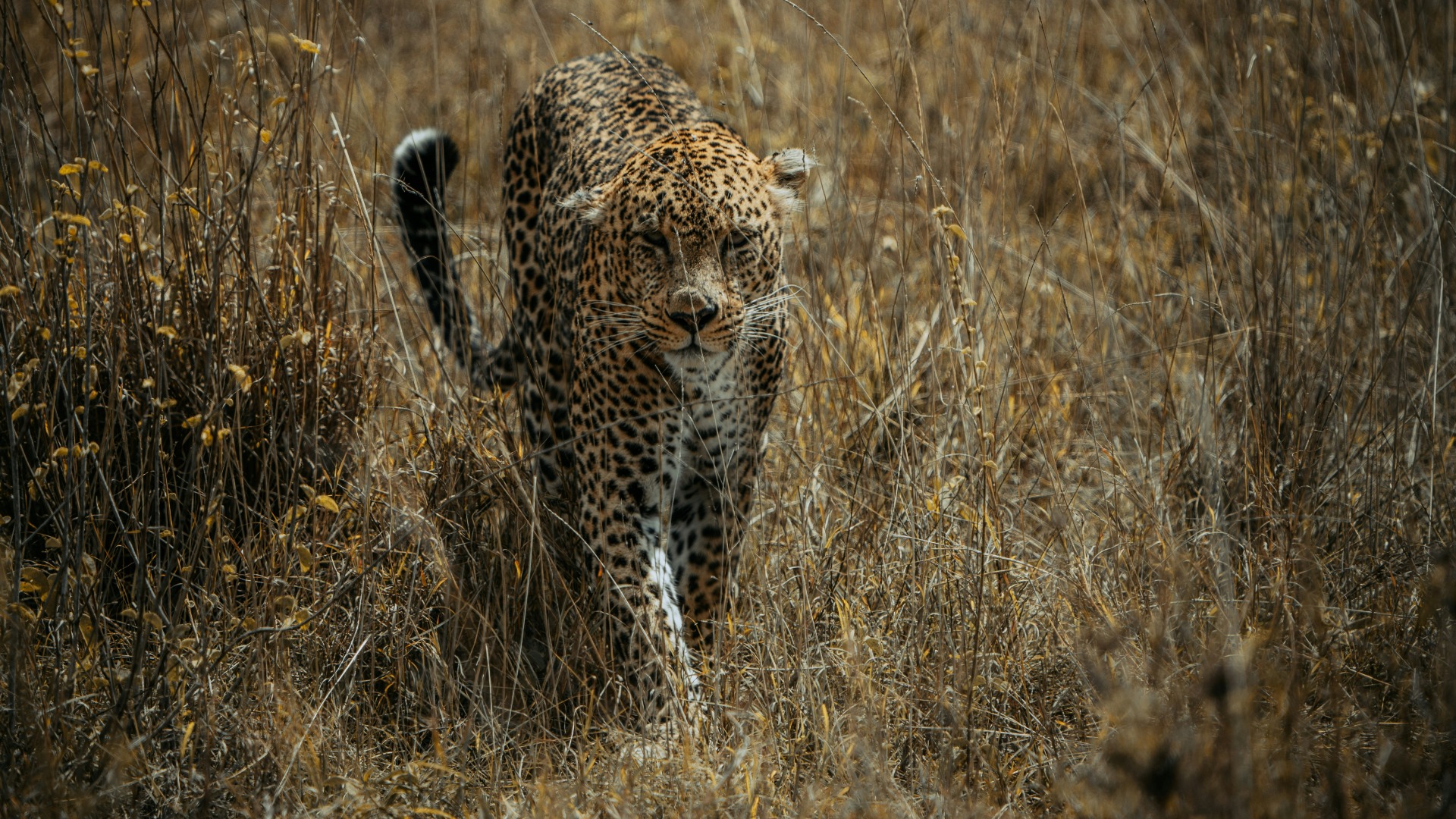
Photography
Practical Kenyan Photography Techniques for Capturing Wildlife in Motion
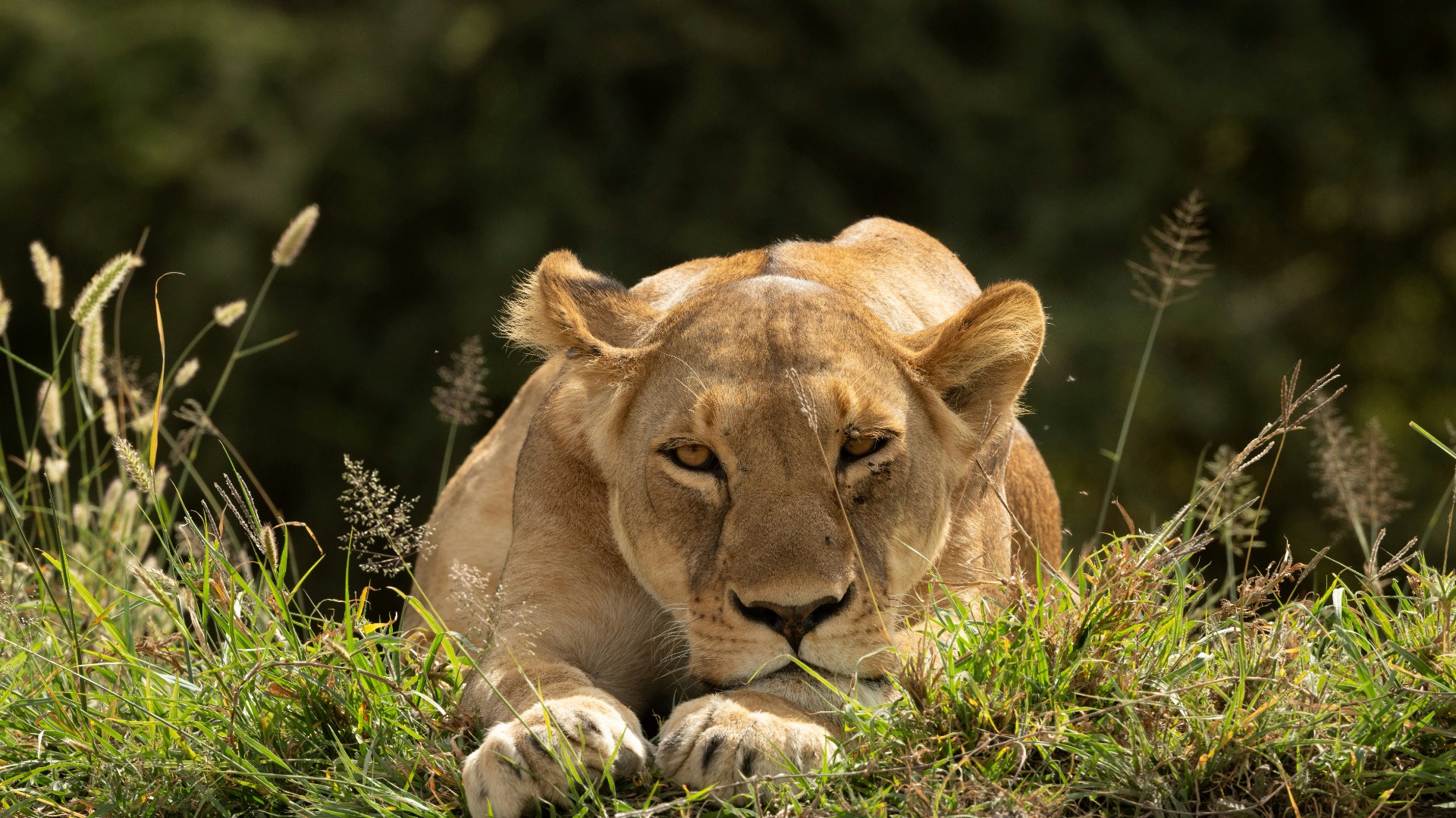
photography
Practical Night Photography Techniques That Keep You Safe in African Bushveld
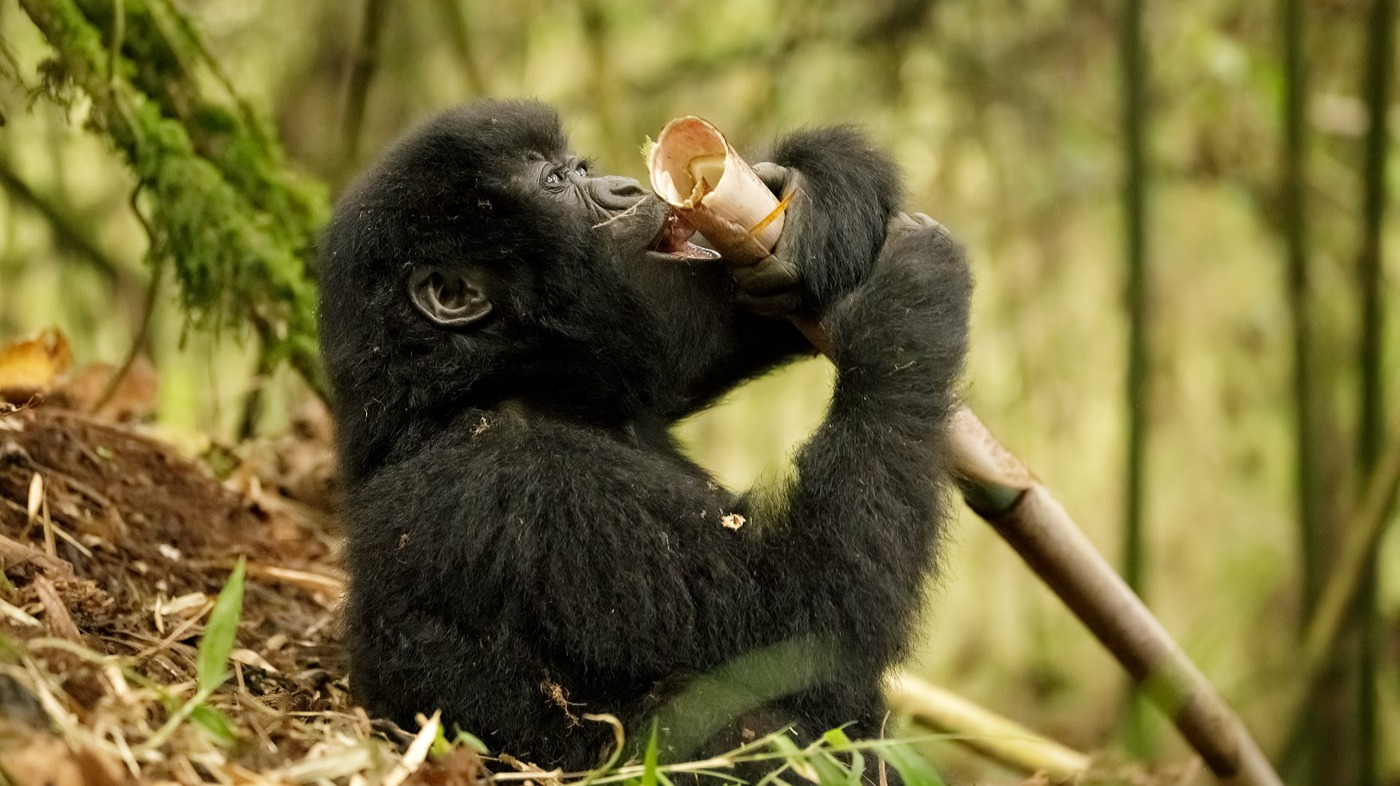
Photography
Practical Photography Opportunities Across Uganda's Diverse Landscapes
Photography
Practical Steps for Photographing Indigenous Communities with Respect Across Africa
Photography
Practical Ways to Photograph African Wildlife Without Disturbing Natural Behaviors
Photography