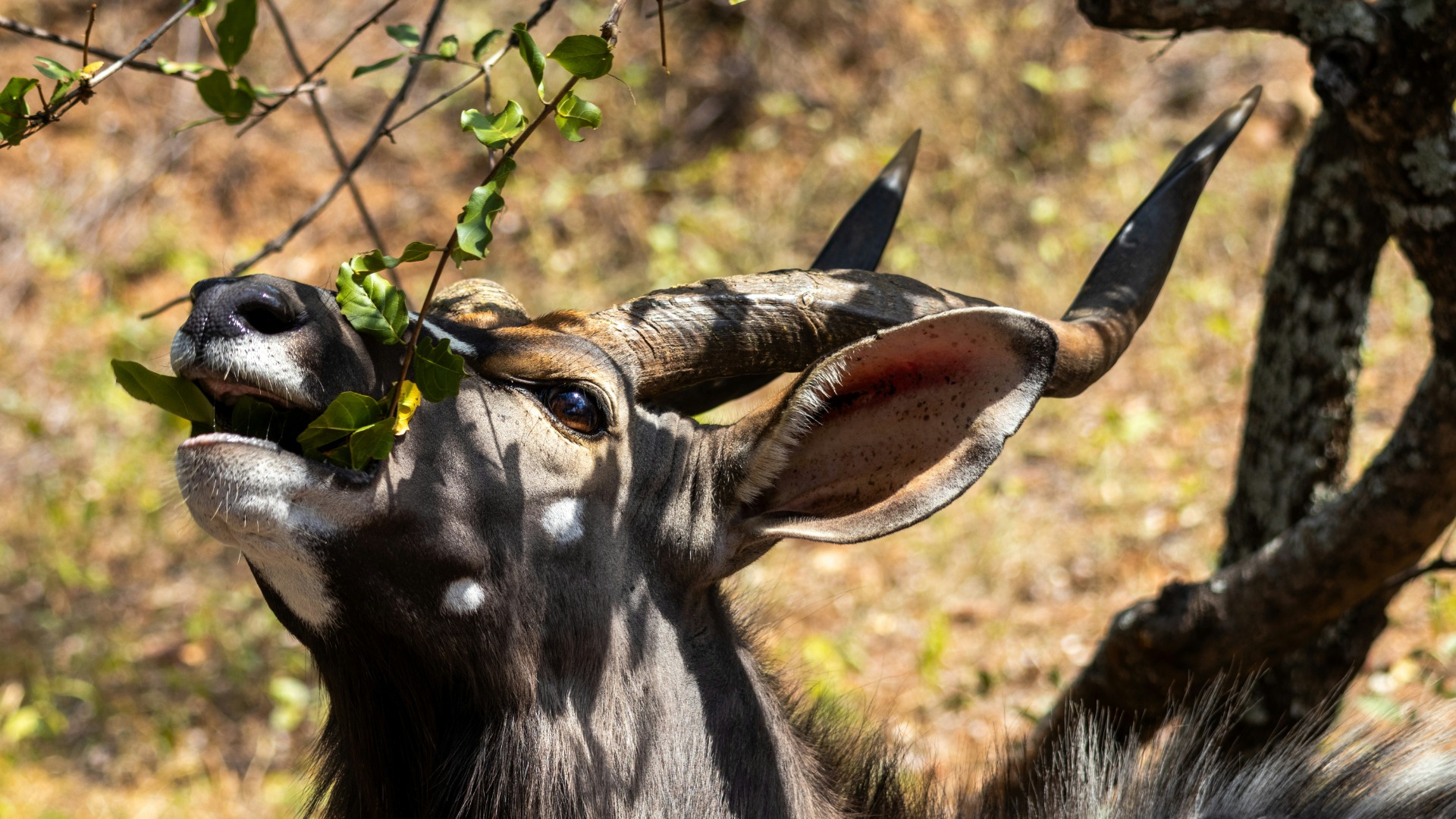
Photography
Pro Techniques for Capturing African Wildlife and Portraits on Safari
Encounters Africa - 10 min read
Updated on 10 August 2026
Pro techniques for capturing African wildlife and portraits on safari demand more than a steady hand and an expensive lens. They require an intimate understanding of shifting light across the savannah, the subtle cues of animal behaviour, and the fleeting expressions that reveal character in both people and creatures. Whether you are framing a leopard draped along a branch at dusk or capturing the quiet dignity of your Maasai guide against a red-earth backdrop, the difference between a good image and an unforgettable one lies in preparation, anticipation, and respect for the moment unfolding before you.
African safaris present unique photographic challenges and opportunities. The continent’s intense equatorial light, dramatic seasonal changes, and extraordinary biodiversity reward those who learn to read the landscape as carefully as they read their camera settings. This guide distils decades of field experience into practical advice that will elevate your photography whether you travel with Encounters Africa to the Masai Mara, the Okavango Delta, or the misty highlands of Rwanda.
Understanding Light and Its Influence on Safari Photography
Light in Africa changes with startling speed. The golden hour that bathes acacia trees in warm, directional glow lasts barely twenty minutes at the equator, while midday sun can create harsh contrasts that flatten detail. Successful photographers learn to anticipate these transitions rather than simply react to them.
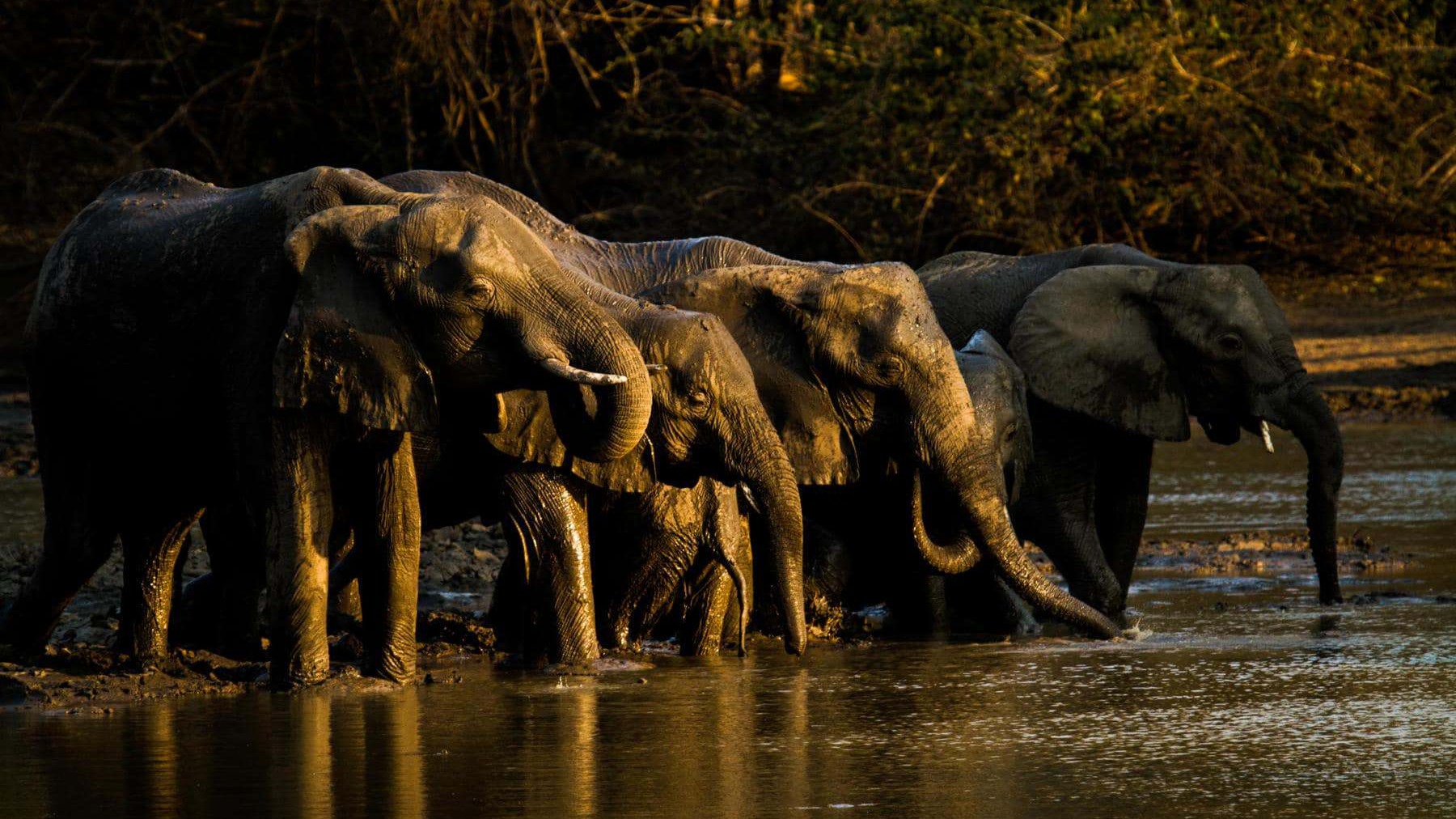
During morning and evening game drives, position yourself so the light falls across your subject at an angle rather than directly from behind or in front. Side lighting reveals texture in an elephant’s skin or the individual hairs of a lion’s mane. Backlighting, used judiciously, can create striking silhouettes against fiery skies, particularly effective when photographing herds crossing open plains.
The most compelling wildlife images rarely come from perfect conditions; they emerge when a photographer has learned to see beauty in the interplay between subject, light, and landscape.
Cloud cover, so often considered disappointing by travellers, can be a gift for portrait photography. Soft, diffused light eliminates deep shadows under eyes and allows you to capture authentic expressions without squinting subjects. In the Kenya highlands or during the wet season in South Africa, these softer conditions often coincide with heightened animal activity.

Essential Camera Settings for Wildlife and Portrait Photography
Shutter speed remains your most critical control when photographing animals. A minimum of 1/1000th of a second will freeze most movement in larger mammals, while birds in flight or predators during a hunt may require 1/2000th or faster. Pair this with an aperture of f/5.6 to f/8 to maintain sharpness across the subject while allowing the background to soften pleasingly.
For portraits of both people and wildlife, aperture priority mode offers excellent control. Opening to f/2.8 or f/4 creates the shallow depth of field that draws attention to the eyes – whether those of a curious child in a village or a cheetah intently watching its prey. Remember that eyes must be tack-sharp; everything else can be allowed to fall away.
ISO sensitivity has improved dramatically in modern cameras. Where once photographers feared noise above ISO 800, many contemporary full-frame bodies deliver clean results at ISO 6400 and beyond. This technical advance allows you to maintain faster shutter speeds during the low light of dawn and dusk without compromising image quality.
Choosing the Right Focal Length for Different Subjects
A versatile zoom lens in the 100-400mm or 200-500mm range proves invaluable for wildlife. These focal lengths allow you to maintain a respectful distance while filling the frame with your subject. For tighter portraits, a prime 400mm f/2.8 or 600mm f/4 offers exceptional clarity, though their weight and cost make them specialist tools.
When photographing people on safari – your guide, tracker, or local community members – shorter focal lengths often create more intimate results. A 50mm or 85mm prime lens forces you to engage directly with your subject rather than hiding behind a long telephoto. This proximity, managed with sensitivity, frequently yields the most powerful portraits.
Distance in photography is not merely technical; it is ethical. The finest images honour both the wildness of animals and the dignity of people.
Techniques for Capturing Authentic Wildlife Behaviour
The most memorable wildlife photographs capture behaviour rather than simply recording presence. This requires patience, anticipation, and deep knowledge of your subject. A photographer who understands that lions hunt primarily at night will position themselves at first light near likely prey areas rather than driving aimlessly hoping for action.
Learn to watch for telltale signs: the flick of an ear, the sudden tension in a herd, the way a leopard’s tail twitches before it descends from a tree. These micro-moments often precede dramatic action. By pre-focusing and setting your camera to continuous shooting mode, you increase your chances of capturing the decisive instant.
Negative space plays a crucial role in wildlife composition. Leaving room for an animal to look into or move into creates dynamic tension in the frame. Similarly, photographing groups from a slight angle rather than straight on often reveals more interesting spatial relationships between individuals.
The Ethics of Close Encounters
Modern safari vehicles allow remarkably close approaches to habituated animals, but proximity alone does not make a great photograph. The most powerful images often come from maintaining distance while using longer lenses to compress perspective and isolate subjects against their environment.
Always follow your guide’s instructions regarding positioning and noise levels. A quiet vehicle with the engine off allows natural behaviours to unfold. Loud conversations, sudden movements, or requests to move the vehicle for a better angle can disturb animals and diminish the experience for everyone.
Mastering Portrait Photography on African Safaris
Photographing people during a safari requires a different sensibility than wildlife work. Where animals reward patience and stillness, people respond to genuine connection and respect. The most compelling portraits emerge from relationships built over days rather than snatched moments.
Begin by asking permission, ideally through your guide who can explain your intentions in local languages. When working with indigenous communities, understanding cultural protocols around photography demonstrates respect and often opens doors to more authentic interactions.
Look for environmental portraits that show individuals within their context – a tracker silhouetted against the vastness of the Mara at dawn, or a woman harvesting wild honey with her children nearby. These images tell richer stories than simple headshots.
Working with Natural Light for Portraits
Open shade provides the most flattering light for human subjects. Position people with their backs to the sun or under the canopy of a tree where light bounces softly from the ground. Early morning and late afternoon offer the warm tones that bring out skin tones beautifully.
Reflectors, though rarely used on game drives, can prove useful during lodge-based portrait sessions. A simple piece of white card or even a light-coloured vehicle panel can lift shadows under the eyes and chin without the artificial look of flash.
A portrait succeeds not when it shows how someone looks, but when it reveals something of who they are in that particular place and moment.
Composition Rules That Elevate Safari Photography
While the rule of thirds provides a reliable starting point, African landscapes often benefit from breaking conventions. The sheer scale of the continent’s vistas sometimes demands placing your horizon line in the bottom third of the frame to emphasise dramatic skies.
Leading lines appear everywhere in the African bush – game trails, the curve of a river, even the alignment of animals in a herd. Use these natural elements to draw the viewer’s eye toward your main subject. Frames within frames, created by branches, vehicle windows, or rock formations, add depth and context.
Pay particular attention to the edges of your frame. Distracting elements – a bright patch of sky, an out-of-focus branch, or part of another vehicle – can ruin otherwise excellent compositions. A final check of the viewfinder edges before pressing the shutter becomes habitual among experienced photographers.
Post-Processing Approaches for Natural Results
The goal of post-processing should be to enhance rather than transform your safari photographs. Subtle adjustments to contrast, clarity, and colour temperature can bring back the atmosphere of the African landscape without creating unrealistic results.
Many professional wildlife photographers work primarily in Lightroom, using the adjustment brush to selectively brighten eyes or lift shadows in key areas. For portraits, careful skin retouching that preserves texture and character maintains authenticity.
Consider creating a consistent editing style for your safari portfolio. Warm tones often suit African landscapes, but avoid the oversaturated look common in social media. The most respected wildlife photographers maintain a restrained palette that reflects the true colours of the bush.

How do professional photographers prepare for a safari shoot?
Professional safari photographers typically arrive with at least two camera bodies to avoid missing opportunities during equipment failure. They research the specific light conditions, seasonal animal behaviour, and cultural considerations of their destination months in advance.
They pack versatile lenses covering wide angles to super-telephoto, multiple batteries, and robust protective gear for dusty conditions. Most importantly, they cultivate relationships with their guides, understanding that local knowledge often determines whether you witness extraordinary moments or merely drive past them.
Preparation also includes studying the work of masters like Nick Brandt, Frans Lanting, and Beverly Joubert to understand how composition, patience, and respect combine to create images that resonate long after the safari ends.
Bringing Your Safari Photographs to Life
The images you create on safari have the power to transport others to the African wilderness and inspire deeper appreciation for its fragile ecosystems. When shared thoughtfully, they become ambassadors for conservation, highlighting both the beauty and vulnerability of the landscapes and communities you encounter.
Consider printing your strongest images rather than leaving them solely in digital form. A well-crafted photograph of a lioness and her cubs, displayed in your home, serves as a daily reminder of the privilege of witnessing such moments and your responsibility to protect them.
For discerning travellers seeking a private safari beyond our set itineraries, we invite you to contact us directly. We specialise in designing exceptional, tailor-made journeys for individuals, couples, families, and private groups of up to eight guests. Drawing on our handpicked network of distinguished camps and lodges, we curate every detail with precision and care, creating a seamless, deeply personal safari experience shaped entirely around your preferences, pace, and budget.
Whether you wish to focus intensively on photography with specialist guides or simply want to ensure the best possible opportunities for capturing memorable images during a broader safari, Encounters Africa can craft an itinerary that aligns with your vision. Our long-standing relationships with premier camps such as Duba Plains Camp and expert local photographers ensure you receive both exceptional access and expert guidance.
The African wilderness awaits not just to be seen, but to be truly witnessed through your lens. With preparation, patience, and respect, your photographs can capture something of its profound essence – images that resonate with authenticity and emotional depth long after your boots have been cleaned of red dust.
More like this
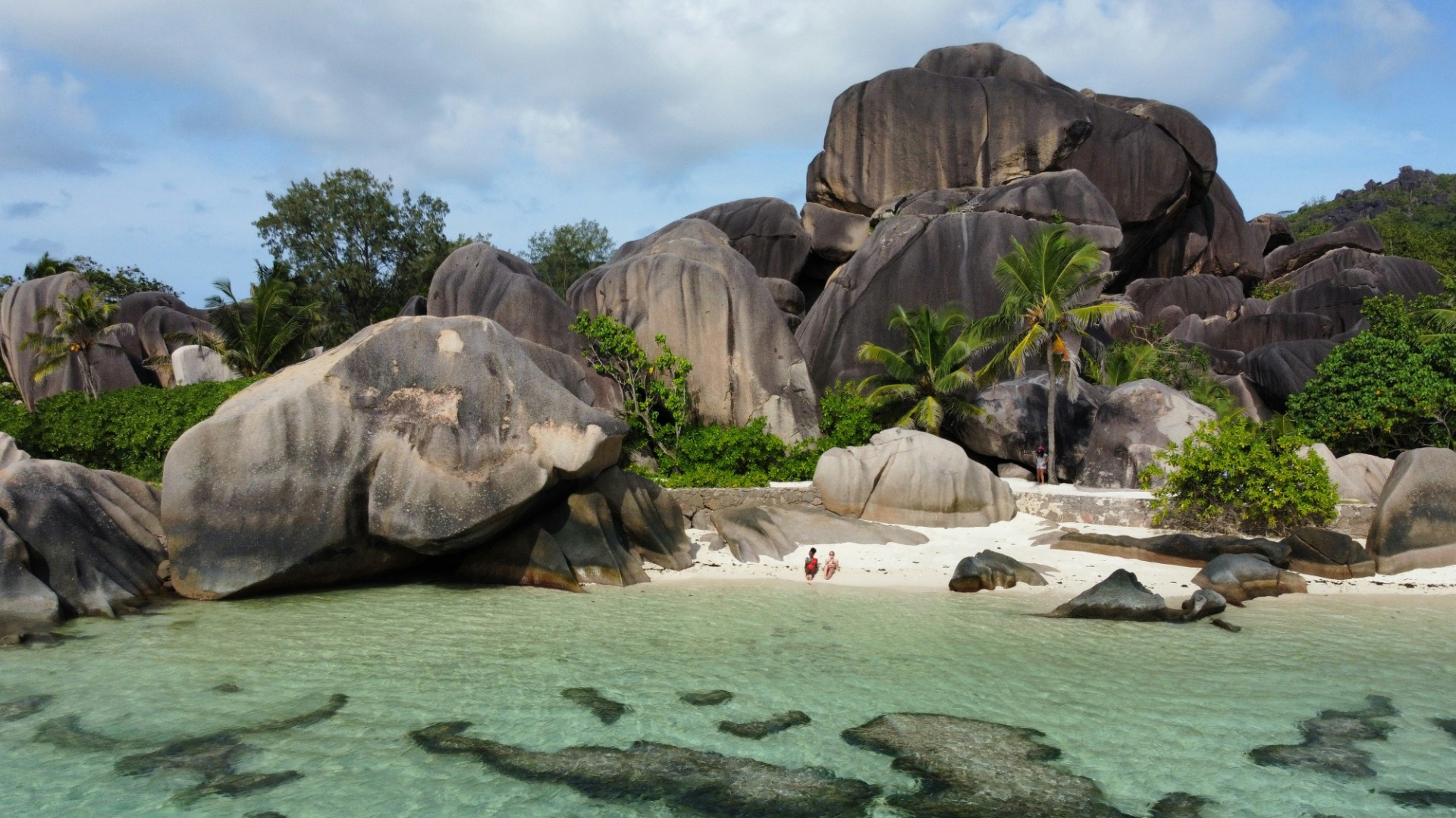
Photography
Seychelles Photography Tips: Ten Techniques for Capturing Granitic Shores and Turquoise Waters
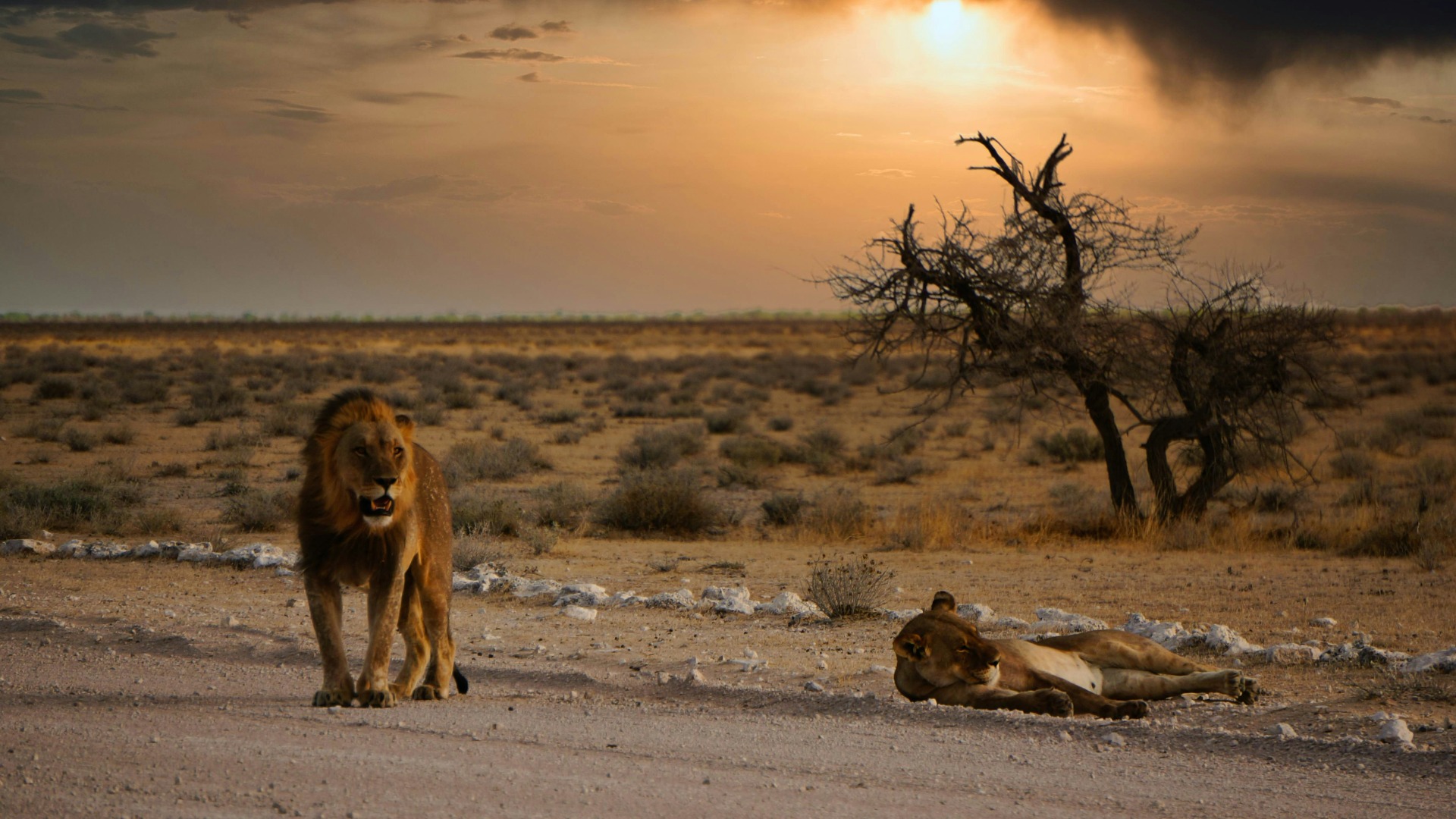
Photography
Ten Camera Adjustments That Transform Beginner Wildlife Shots in Africa
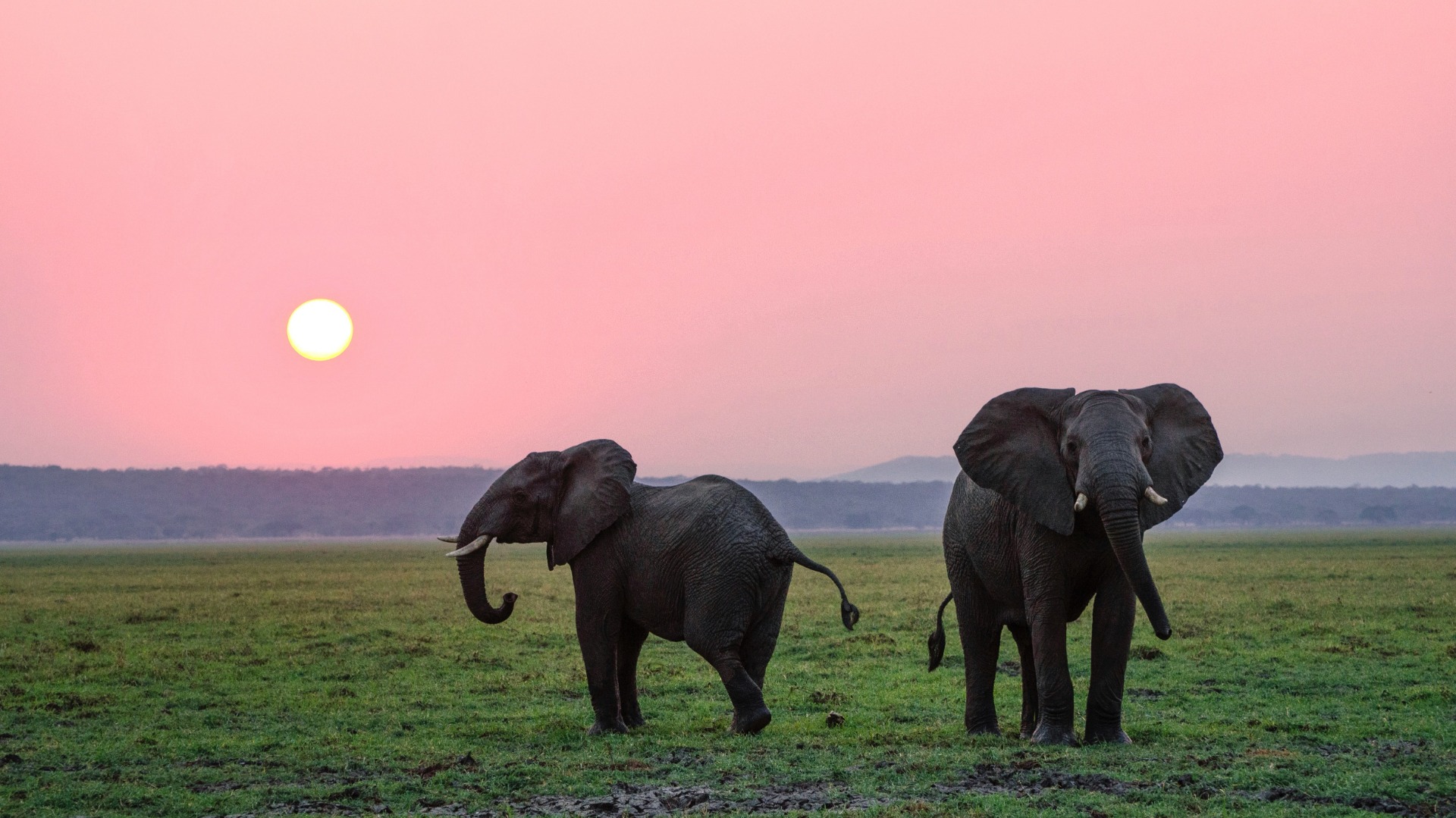
photography
Three Lenses That Capture Every Safari Moment Without Overpacking
Photography
Through the Viewfinder: How Zimbabwe's Landscapes Reshape What Photographers Notice
Photography
Top 10 Photography Tips for Zimbabwe: Practical Advice for Capturing Its Dramatic Landscapes
photography