Photography
Seychelles Photography Tips: Ten Techniques for Capturing Granitic Shores and Turquoise Waters
Encounters Africa - 10 min read
Updated on 2 July 2026
Seychelles photography tips can transform ordinary snapshots of palm-fringed beaches into images that truly convey the archipelago's luminous beauty. With its ancient granite boulders, vibrant coral reefs, and ever-shifting equatorial light, this Indian Ocean destination presents unique challenges and opportunities for photographers of all levels. These ten practical techniques will help you capture the essence of the Seychelles beyond typical postcard views, creating photographs rich in depth, colour, and atmosphere.
The best time to visit for Seychelles photography is between April and May or October and November, when the seas are calmest and the light is at its most flattering. During these shoulder seasons, fewer travellers mean less crowded beaches, allowing you to work in peace while the sun's angle creates dramatic shadows across the distinctive granite formations. Whether you're drawn to landscape vistas, underwater scenes, or intimate cultural moments, mastering local conditions will elevate your results significantly.
Understanding Seychelles Light and Its Impact on Exposure
The equatorial sun in the Seychelles rises and sets almost vertically, creating intense overhead light by midday that can wash out colours and create harsh contrasts. Learning to work with this distinctive illumination is fundamental to successful Seychelles photography tips. Early morning and late afternoon offer the softest, most workable light, with golden hues that accentuate the warm tones of granite and the turquoise gradients of the ocean.
During the middle of the day, consider seeking shade or focusing on underwater subjects where the water acts as a natural diffuser. Many experienced photographers plan their days around two golden hours, using the brighter periods for scouting locations or resting equipment. This rhythm not only protects your camera gear from excessive heat and humidity but also leads to more considered, powerful compositions.
The light here doesn't just illuminate the landscape; it sculpts it, revealing textures in the granite that vanish under harsh midday sun.
Mastering Composition with Granite Formations
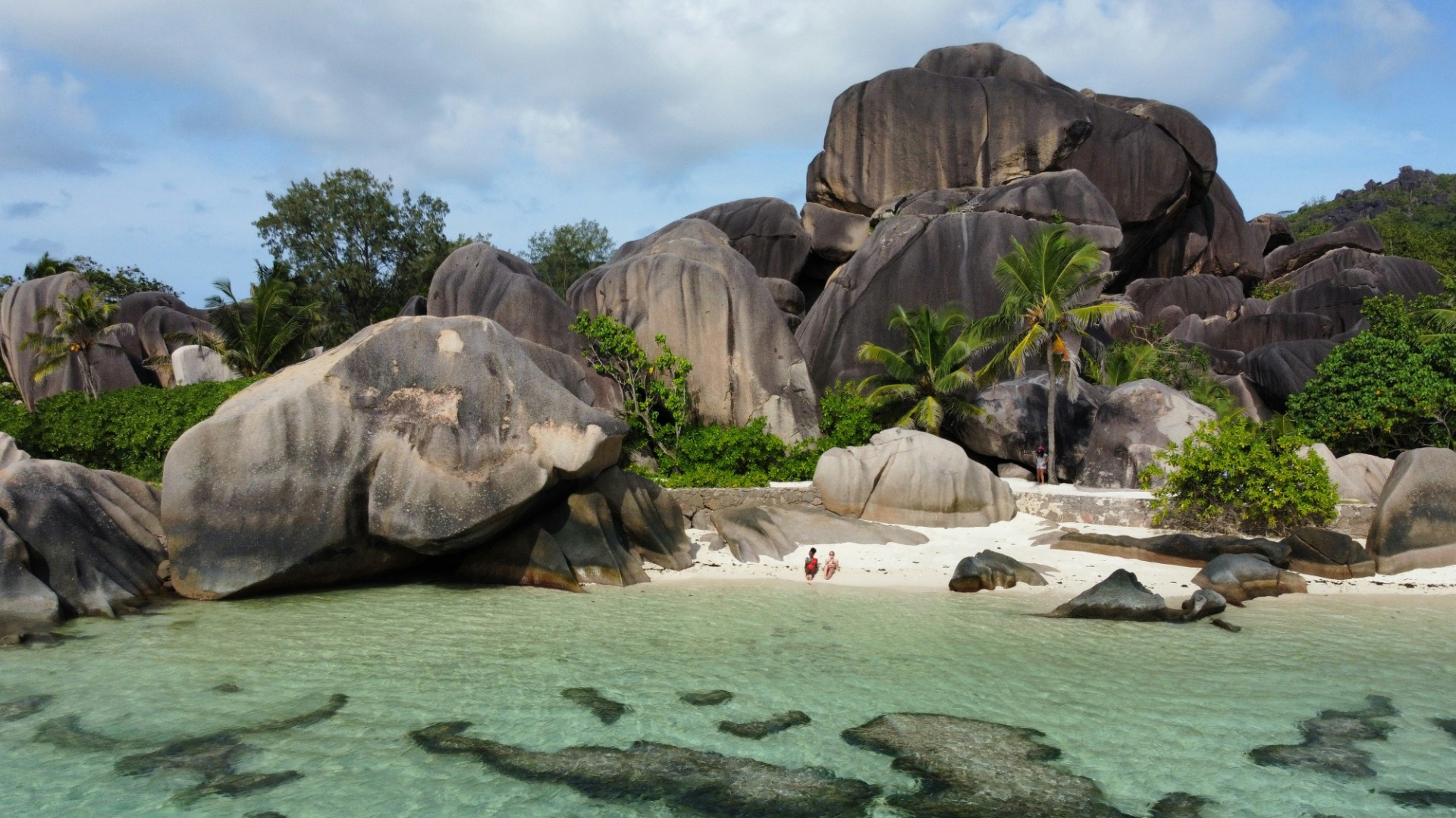
The weathered granite boulders that define many Seychelles beaches, particularly on La Digue and Mahé Island, offer exceptional leading lines and natural frames for your images. When applying Seychelles photography tips, look for ways to position these ancient rocks to guide the viewer's eye towards the horizon or to create natural foreground interest that adds scale and depth.
Experiment with different perspectives by getting low to the ground or climbing carefully onto stable formations for elevated views. The key is to treat these boulders not merely as subjects but as compositional tools that interact with the waves, sand, and vegetation. On Anse Source d'Argent, widely considered one of the world's most photographed beaches, arriving before dawn allows you to secure prime positions without other visitors interrupting your frame.
Using Foreground Elements Effectively
Incorporating palm fronds, fallen coconuts, or tidal pools in the foreground creates layers that give your Seychelles photographs a three-dimensional quality. These elements help tell a more complete story of the environment while preventing the image from appearing flat. Pay particular attention to how morning dew or salt spray catches the light on these foreground subjects.
Remember that simplicity often speaks loudest in this environment. A single, well-placed granite rock with a lone palm tree against a clean horizon can be more powerful than a cluttered scene attempting to include everything at once.

Ten Essential Techniques for Seychelles Photography
Here are ten targeted Seychelles photography tips designed specifically for the archipelago's conditions. Each addresses a common challenge faced by visitors and offers practical solutions that will immediately improve your image-making.
Arrive early for the best light and solitude: The period from 5:30am to 7:30am offers the most magical conditions, with softer light and fewer people. This is particularly valuable at popular spots like Anse Lazio on Praslin.
Use a polarising filter to manage reflections: The combination of bright sun and water creates intense glare. A circular polariser will cut through this, revealing the true colours of the ocean and reducing highlights on wet granite surfaces.
Embrace negative space: The vast expanses of turquoise water and empty beaches are part of the Seychelles' appeal. Don't feel compelled to fill every frame; sometimes the power lies in what isn't shown.
Master manual white balance: The intense blues and greens can fool automatic settings. Set your white balance manually to around 5500K during golden hour for more accurate colour rendition.
Protect equipment from salt and humidity: The marine environment is harsh on cameras. Use silica gel packs in your bags and clean lenses with proper solutions after each beach session to prevent corrosion.
Patience with the tides often rewards photographers with mirror-like reflections that transform familiar scenes into something extraordinary.
Continuing the Ten Techniques
Experiment with long exposures: A sturdy tripod and neutral density filters allow you to smooth the turquoise waters into ethereal silk, creating a dreamy quality that contrasts beautifully with the solid granite forms. Exposure times of 30 seconds to several minutes work particularly well during calmer conditions.
Focus on details: While wide landscapes dominate most visitors' memory cards, the smaller elements—the texture of weathered granite, patterns in the sand, or delicate coral formations—often make the most distinctive images.
Consider vertical compositions: The tall palms and dramatic granite outcrops lend themselves perfectly to portrait orientation, which can emphasise height and create more dynamic images than the conventional horizontal approach.
Work with the weather: The Seychelles experiences frequent short tropical showers. These often produce the most dramatic skies and rainbows, especially when the sun breaks through afterwards. Keep your camera ready during these transitions.
Respect local culture and environment: Always ask permission before photographing people, and follow marine park guidelines when snorkelling or diving with your camera. Sustainable practices ensure these locations remain pristine for future photographers.
Underwater Photography in Seychelles Waters
The Seychelles offers some of the Indian Ocean's finest snorkelling and diving, with visibility often exceeding 30 metres. For those incorporating underwater images into their portfolio, specific Seychelles photography tips apply. Choose a housing suitable for your camera that allows easy access to controls, and consider starting with a compact system if you're new to the medium.
The best underwater conditions occur during the calmer months mentioned earlier, when sediment remains settled. Focus on the vibrant soft corals, reef fish, and occasional turtle encounters rather than attempting to capture everything in one frame. A wide-angle lens (around 16-24mm equivalent) works best for larger scenes, while a macro lens reveals the intricate details of smaller creatures.
Remember that buoyancy control is essential for both your safety and the protection of the reef. Poorly controlled movements can damage delicate corals that have taken decades to grow. Many visitors combine boat trips to outer reefs with beach photography, making the most of each day's varied conditions.

Equipment Recommendations for Seychelles Conditions
Successful Seychelles photography doesn't require the most expensive gear, but certain items prove particularly valuable in this environment. A weather-sealed mirrorless or DSLR camera body offers peace of mind against sudden downpours, while a versatile zoom lens covering 24-70mm or 24-105mm handles most terrestrial situations efficiently.
For those serious about landscape work, a wide-angle prime lens (16-35mm) paired with a sturdy yet lightweight tripod makes long exposures more manageable. Don't overlook the value of a good pair of waterproof sandals or reef shoes, which allow you to explore tidal pools and rocky shorelines safely while carrying equipment.
Drone photography has become increasingly popular in the Seychelles, offering breathtaking perspectives of the granite formations surrounded by their turquoise halos. However, strict regulations apply, particularly within national parks and near airports. Always check current permissions before flying, and respect privacy and wildlife disturbance guidelines. Several operators now offer drone workshops that combine technical instruction with local knowledge of permitted flying zones.
What appears as simple beach photography in the Seychelles often requires as much thoughtful preparation as wildlife work in other African destinations.
Post-Processing Techniques for Seychelles Images
The vibrant colours and high contrast of Seychelles scenes benefit from careful post-processing, though the goal should always be enhancement rather than heavy manipulation. When editing, pay particular attention to recovering highlight details in the clouds and granite surfaces while lifting shadow areas to reveal texture without introducing noise.
Many photographers find that a subtle increase in clarity helps define the granite textures, while carefully controlled saturation prevents the turquoise waters from appearing unnaturally vivid. Creating a preset tailored to Seychelles conditions can save time and maintain consistency across your image library.
Consider creating black and white conversions for some of your stronger compositions. The graphic quality of granite against sea and sky often translates beautifully to monochrome, emphasising form and texture over colour. This approach can produce images with an almost sculptural quality that stands apart from the typical vibrant representations of the islands.
Common Questions About Photography in the Seychelles
What is the best time of day for photography in the Seychelles? The golden hours immediately after sunrise and before sunset consistently provide the most flattering light. Specifically, the 90 minutes following sunrise (typically between 6:00am and 7:30am local time) offer soft, directional light that beautifully models the granite boulders while the beaches remain relatively empty.
Do I need special permits for photography in the Seychelles? Basic photography for personal use requires no special permits. However, commercial photography, drone usage in protected areas, and photography within certain nature reserves may require prior authorisation from the Seychelles Tourism Board or Ministry of Environment. It's advisable to check current requirements before your journey, particularly if you plan to sell your images.
How do I protect my camera equipment from the humid, salty air? Store equipment in airtight bags with silica gel packets when not in use. Clean lenses and camera bodies daily with appropriate solutions, and avoid changing lenses in windy, sandy conditions. Many experienced travellers to the Seychelles recommend bringing a small air blower and lens cleaning kit as essential accessories.
Capturing Your Own Seychelles Story
These Seychelles photography tips represent starting points rather than rigid rules. The most compelling images often result from moments of genuine connection with the environment—perhaps the unexpected appearance of a giant tortoise at dawn or the perfect alignment of a sailing boat against a dramatic granite outcrop at sunset. Allow yourself time to simply observe before reaching for your camera.
The Seychelles rewards those who move beyond the obvious viewpoints and well-known beaches. By exploring lesser-visited islands, engaging with local communities, and understanding the rhythms of tide and light, you create images that communicate something authentic about this remarkable archipelago. Whether you're documenting a private journey through the Seychelles or capturing memories at a special location like Baraza Resort & Spa on Mahé Island, these techniques will serve you well.
For those planning a photography-focused journey, consider how these skills might combine with other interests. Many of our travellers pair their image-making with marine conservation activities or cultural experiences that add depth to their visual stories. The Seychelles photography safari experiences we arrange allow ample time for creative work while ensuring access to the most photogenic locations at optimal times.
At Encounters Africa, we believe that exceptional photography comes from deep understanding of a place and its nuances. For discerning travellers seeking a private safari beyond our set itineraries, we invite you to contact us directly. We specialise in designing exceptional, tailor-made journeys for individuals, couples, families, and private groups of up to eight guests. Drawing on our handpicked network of distinguished camps and lodges, we curate every detail with precision and care, creating a seamless, deeply personal safari experience shaped entirely around your preferences, pace, and budget.
Whether you're an experienced photographer looking to refine your Seychelles portfolio or a passionate amateur hoping to return home with meaningful images, we would be delighted to help craft an experience that supports your creative vision. Please visit our enquiry form to begin a conversation about your perfect Seychelles photography journey.
More like this
Photography
Ten Camera Adjustments That Transform Beginner Wildlife Shots in Africa
photography
Three Lenses That Capture Every Safari Moment Without Overpacking
Photography
Through the Viewfinder: How Zimbabwe's Landscapes Reshape What Photographers Notice
Photography
Top 10 Photography Tips for Zimbabwe: Practical Advice for Capturing Its Dramatic Landscapes
photography
Transform Your Safari Shots: Master Golden Hour Lighting for Dramatic Wildlife Images
Photography