Tips & Advice
Some of The Best Ways to Observe Tanzania's Big Five Without Disturbing Their Natural Patterns
Encounters Africa - 10 min read
Updated on 31 July 2026
Observing Tanzania's Big Five without disturbing their natural patterns requires more than just good binoculars and a steady hand. It demands a thoughtful approach that respects the rhythms of the savannah, from the golden light of dawn over the Serengeti to the hushed evenings in the Ngorongoro Crater. For those planning a safari in Tanzania, understanding these practical steps ensures meaningful encounters while supporting the long-term health of iconic species like lions, elephants, leopards, buffalo, and rhinoceros.
A responsible wildlife encounter in Tanzania means maintaining distances that allow animals to feed, rest, and socialise without altering their behaviour. Guides trained in ethical observation help travellers read subtle cues, such as ear positions or tail flicks, that signal comfort or unease. This measured presence not only enriches the experience but also contributes to conservation by minimising stress on wildlife populations that face increasing pressure from habitat changes.
Understanding Tanzania's Big Five and Their Daily Rhythms
Tanzania hosts some of Africa's most significant populations of the Big Five, with over 20,000 elephants roaming the Selous Game Reserve and more than 3,000 lions scattered across the northern circuit. Each species follows distinct patterns shaped by seasonal migrations, water availability, and prey movements. The best time to visit for optimal viewing falls between June and October, when the dry season concentrates animals around predictable water sources.
Lions, for instance, are most active at dawn and dusk, often resting in the shade during the heat of the day. Elephants move in matriarchal herds, covering up to 50 kilometres in a single day in search of forage. Recognising these cycles allows travellers to anticipate sightings rather than chase them, preserving the authenticity of every encounter.
The quiet thrill of watching a leopard melt into dappled shade, undisturbed by human presence, reminds us that true connection comes from patience rather than pursuit.
Buffalo herds, numbering in the hundreds, follow grazing routes that shift with the rains, while black rhinoceros remain notoriously elusive, preferring the thick bush of the Ngorongoro highlands. By aligning your game drives with these natural timetables, you become an observer rather than an intruder in their world.

Preparing for Ethical Game Drives in Tanzania
Before setting out on a game drive, ensure your clothing blends with the environment using muted khaki, olive, and beige tones that avoid startling animals. Bright colours or noisy fabrics can disrupt the delicate balance of a sighting. Packing binoculars with 8x or 10x magnification and a field guide helps identify behaviours from a respectful distance, typically 30 to 50 metres depending on the species.
Choose operators who prioritise low-impact tourism, such as those limiting vehicle numbers around key sightings. Many luxury camps in Tanzania now employ guides certified in behavioural ecology, who understand when to switch off engines and allow the bush to settle into silence. This preparation sets the foundation for encounters that feel intimate yet unobtrusive.
Consider the time of day carefully. Early morning drives capture the soft light and active predators, while afternoon excursions reveal social interactions within herds. Always confirm with your guide about current conditions, as recent rainfall can dramatically alter animal movements across the plains.
Practical Steps to Observe Tanzania's Big Five Without Disturbing Their Natural Patterns
Positioning your vehicle is perhaps the most critical skill. Approach at an oblique angle rather than head-on, and never block an animal's obvious escape route. For lions, maintain at least 25 metres; elephants require more generous space, particularly family groups with calves, where 50 metres or greater prevents any disruption to their feeding or drinking routines.
When a herd of buffalo appears restless, with heads raised and ears forward, it is time to ease the vehicle backwards slowly. These large herbivores can become defensive if they feel cornered, especially near water sources in the late afternoon. Reading these signals prevents unnecessary stress and keeps the sighting peaceful for all involved.
Leopards demand particular sensitivity. If one is draped across a branch, avoid crowding the tree or using spotlights that might cause it to abandon its vantage point. Instead, sit quietly with engines off, allowing the cat to continue its vigil over the surrounding grassland. Such patience often rewards observers with natural hunting sequences that few travellers witness.
Respectful distance is not limitation but the very quality that transforms a simple sighting into a profound connection with the wild heart of Tanzania.
Rhinoceros, being critically endangered with fewer than 100 individuals remaining in the Ngorongoro Crater, require the strictest protocols. Never attempt to follow them into thick vegetation, and always allow them to dictate the pace of the encounter. Professional guides will often use radio communication to ensure no more than two vehicles observe these rare animals at any one time.
Interpreting Warning Signals from Herds and Individuals
Wildlife in Tanzania communicates constantly through posture, vocalisation, and movement. An elephant's raised trunk and flared ears signal agitation, while a lioness staring directly at your vehicle with flattened ears suggests it is time to create more space. Learning these cues forms the backbone of ethical observation and prevents accidental disturbance.
Bird activity often provides advance warning of nearby predators. When oxpeckers suddenly flush from a buffalo's back or egrets rise in alarm from the grass, it may indicate a hidden lion or leopard nearby. Rather than rushing forward, experienced guides pause to assess the situation from afar, allowing the drama to unfold naturally.
During the wildebeest migration between July and September, when over 1.5 million animals cross the Mara River, the pressure on predators increases dramatically. At these times, maintaining even greater distances becomes essential to avoid interfering with critical hunting opportunities that sustain the entire ecosystem.
Maintaining Respectful Distances Across Different Landscapes
The vast open plains of the Serengeti allow for longer viewing distances, where animals feel less confined. In contrast, the forested slopes of the Ngorongoro Crater demand heightened awareness, as limited visibility can make animals feel trapped. Adjust your approach according to terrain, always erring on the side of caution.
In the Selous Game Reserve, where tsetse flies are more prevalent, vehicles often move more slowly through miombo woodland. This measured pace naturally lends itself to more contemplative wildlife viewing, giving travellers time to notice smaller details like fresh tracks or distant dust clouds that reveal animal presence before visual confirmation.
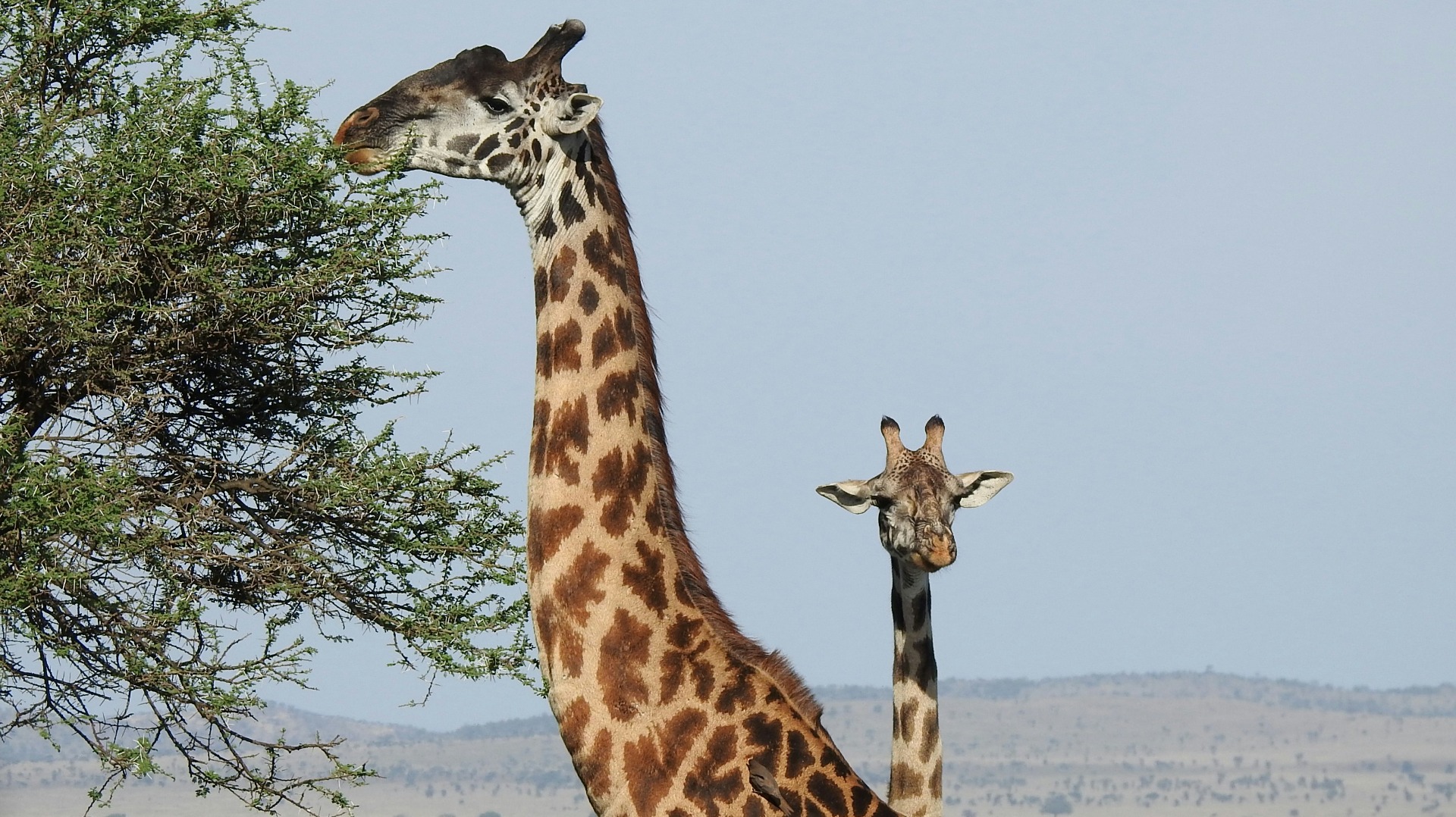
Throughout all these varied landscapes, the principle remains consistent: your presence should register as no more significant than a passing giraffe or zebra. When this balance is achieved, the animals continue their natural patterns, offering windows into authentic behaviours rarely seen in more crowded environments.
Essential Equipment and Camera Techniques for Ethical Photography
Quality optics make distant observation possible without compromising ethics. A 400mm or 500mm lens allows frame-filling images from respectful distances, while a bean bag or monopod provides stability without the need to leave your vehicle. Avoid using drones in most Tanzanian parks, as they frequently disturb nesting birds and sensitive mammals.
When photographing elephants at a waterhole, wait for them to settle into their routine before raising your camera. The soft click of a shutter is far less intrusive than engine noise, but even this should be minimised during particularly peaceful moments. Golden hour light, occurring roughly 30 minutes after sunrise and before sunset, offers the most flattering conditions while requiring less aggressive settings.
For leopard sightings in low light, increase your ISO rather than using flash, which can temporarily blind animals and disrupt their night vision. Professional guides often carry red-filtered torches that preserve natural vision while illuminating the scene subtly for both observers and photographers.

In the fleeting seconds when a lioness gathers her cubs or an elephant matriarch makes a decision for her herd, the most valuable tool is not the camera but cultivated patience and deep respect for their autonomy.
Supporting Conservation Through Responsible Travel Choices
Selecting accommodations that contribute directly to conservation makes a measurable difference. Many lodges in Tanzania allocate a percentage of revenue to anti-poaching initiatives and community development projects. By choosing these properties, travellers help fund vital work that protects the same animals they have come to observe.
Participating in citizen science projects, such as recording wildlife sightings through established apps, adds valuable data to long-term monitoring efforts. Some camps offer opportunities to meet researchers studying specific species, providing deeper context for the behaviours witnessed during game drives.
Travel responsibly by avoiding souvenirs made from animal products and never feeding wildlife, no matter how tempting. These small choices collectively preserve the integrity of Tanzania's wilderness areas for future generations of both animals and visitors.
Common Questions About Ethical Wildlife Observation in Tanzania
What is the best time to visit Tanzania for responsible Big Five viewing? The dry season from June to October offers the most reliable sightings as animals gather around water sources, though the green season from November to May provides fewer crowds and dramatic newborn sightings. Both periods allow for ethical observation when approached thoughtfully.
How close can you get to the Big Five in Tanzania without causing disturbance? Professional guidelines suggest 25 metres for lions and leopards, 50 metres for elephants and buffalo, and significantly more for rhinoceros. These distances may increase depending on the animals' behaviour and the specific terrain of the park.
Can flash photography be used during night game drives? Red-filtered lights are preferred as they cause minimal disruption to animals' vision. Standard white flash should be avoided entirely, particularly around predators who rely on keen night vision for hunting.
Planning Your Responsible Safari in Tanzania
Creating a journey that balances exceptional wildlife encounters with genuine respect requires careful planning and expert guidance. Encounters Africa draws upon years of experience across Tanzania's varied landscapes to craft itineraries that prioritise both memorable sightings and conservation principles. From the endless plains of the Serengeti to the ancient caldera of Ngorongoro, every element is considered with the animals' wellbeing in mind.
Our partnerships with distinguished camps such as Chem Chem Lodge and Entamanu Ngorongoro ensure that every stay supports local communities and conservation initiatives. These carefully selected properties offer not only comfort but also access to some of the most pristine wildlife areas, where ethical practices are embedded in daily operations.
For discerning travellers seeking a private safari beyond our set itineraries, we invite you to contact us directly. We specialise in designing exceptional, tailor-made journeys for individuals, couples, families, and private groups of up to eight guests. Drawing on our handpicked network of distinguished camps and lodges, we curate every detail with precision and care, creating a seamless, deeply personal safari experience shaped entirely around your preferences, pace, and budget.
Whether you wish to focus on big cat behaviour, elephant family dynamics, or simply absorb the profound silence of the African bush, our team stands ready to translate your vision into reality. The wild places of Tanzania reward those who approach them with curiosity, patience, and respect.
Begin your journey by reaching out through our enquiry form. Let Encounters Africa help you discover the profound satisfaction that comes from observing Tanzania's magnificent wildlife on its own terms, creating memories that last far beyond the final game drive.
More like this
Tips & Advice
Important Steps Travelers Can Take to Bolster Zimbabwe's Wildlife Protection Efforts
Tips & Advice
Practical Strategies for Choosing and Booking Luxury Lodges in Tanzania
Tips & Advice
Practical Ways to Collaborate Effectively with Your Safari Guide
Tips & Advice
Practical Ways to Identify and Observe Rare Birds Across Kenya and South Africa
Tips & Advice
Smart Ways to Minimize Your Footprint and Maximize Wildlife Encounters on African Safaris
Tips & Advice