Tips & Advice
Practical Steps Every Tourist Can Take to Protect African Wildlife on Safari
Encounters Africa - 10 min read
Updated on 10 August 2026
Practical steps every tourist can take to protect African wildlife on safari begin the moment you decide to witness the continent's iconic species in their natural habitats. From the sweeping plains of the Masai Mara to the wetlands of the Okavango Delta, every traveller has the power to support conservation simply by making informed, respectful choices. This article outlines concrete actions that safeguard animals, preserve delicate ecosystems, and ensure future generations can experience the same profound encounters.
A responsible safari not only enriches your journey but directly contributes to the protection of Africa's wildlife. By following established guidelines and supporting ethical operators, you help fund anti-poaching initiatives, community projects, and habitat restoration efforts that benefit both animals and local people. The impact of thousands of thoughtful visitors each year is measurable, with many reserves reporting improved wildlife populations and reduced human-wildlife conflict.
Every quiet decision you make on safari, from keeping your voice low to choosing operators who reinvest in conservation, becomes part of a larger movement that keeps Africa's wild spaces breathing.
Understanding Your Role in Wildlife Conservation
As a visitor to Africa's premier reserves, you step into a complex web of relationships between wildlife, local communities, and the environment. Recognising that your presence can either support or strain these systems is the first step toward meaningful protection. In 2023 alone, safari tourism contributed over $29 billion to African economies, much of which flows back into conservation when travellers choose operators committed to ethical practices.
Conservation in Africa faces ongoing challenges, including habitat loss, climate change, and poaching. Yet travellers who engage thoughtfully become active participants in solutions. Supporting community-owned conservancies, for instance, has helped expand protected areas by more than 15 percent in parts of Kenya and South Africa over the past decade.
Encounters Africa has long championed this approach, working exclusively with partners who demonstrate tangible commitments to wildlife protection and community development. Their tailored journeys connect travellers with initiatives that deliver measurable results on the ground.
The Impact of Responsible Tourism Choices
Simple decisions such as booking with operators who employ local guides or contribute to anti-poaching units create ripple effects. These funds support ranger patrols that cover thousands of square kilometres annually, directly reducing threats to elephants, rhinos, and other vulnerable species.
When you prioritise lodges that limit vehicle numbers and maintain strict viewing protocols, you reduce stress on animals and prevent the overcrowding that can alter natural behaviours. This approach also ensures more intimate, respectful encounters that deepen your connection to the wild.

Choosing operators that limit vehicle numbers around sightings protects the natural behaviour of Africa's predators and allows the bush to remain truly wild.
Choosing Ethical Safari Operators and Lodges
Selecting the right operator forms the foundation of a responsible safari. Look for companies that partner with conservation organisations, employ predominantly local staff, and maintain transparent reporting on their environmental and social impact. Encounters Africa curates its portfolio with precisely these criteria in mind, ensuring every journey aligns with genuine protection efforts.
Reputable operators adhere to strict guidelines established by organisations such as the Global Sustainable Tourism Council. These include vehicle emission standards, waste management protocols, and limits on the number of guests per sighting. In Botswana, for example, many concessions restrict vehicles to no more than three around a big cat sighting, preserving the animals' natural behaviour.
Research whether a lodge supports specific projects, such as rhino monitoring in South Africa or wetland restoration in the Okavango Delta. Many properties allocate a percentage of revenue directly to these causes, with some contributing as much as five percent of each booking.
Questions to Ask Before Booking
Before confirming your safari, inquire about a company's conservation contributions, vehicle policies, and guide training programmes. Ask how they manage waste, water usage, and interactions with local communities. Operators who answer these questions with specific data and verifiable projects demonstrate their commitment.
Consider lodges that work directly with community conservancies. Properties like those in Kenya's Mara North Conservancy channel funds to local landowners, creating economic incentives to protect wildlife rather than convert land for agriculture.
Maintaining Safe Distances and Respectful Behaviour
One of the most immediate ways to protect African wildlife is by respecting their personal space. Maintain a minimum distance of 25 metres from large mammals and at least 50 metres from predators whenever possible. These guidelines, established by many African park authorities, prevent unnecessary stress and reduce the risk of animals becoming habituated to vehicles.
Stay seated and keep movements to a minimum during game drives. Sudden standing or pointing can be perceived as a threat, potentially altering an animal's natural behaviour or causing it to flee. Speak in low voices and switch off engine noise when near sightings to preserve the peace of the bush.
In areas where walking safaris are offered, follow your guide's instructions precisely. These experienced professionals understand animal body language and know how to position the group safely while minimising disturbance. Never wander off alone or approach wildlife on foot without expert guidance.
Reading Animal Behaviour on Game Drives
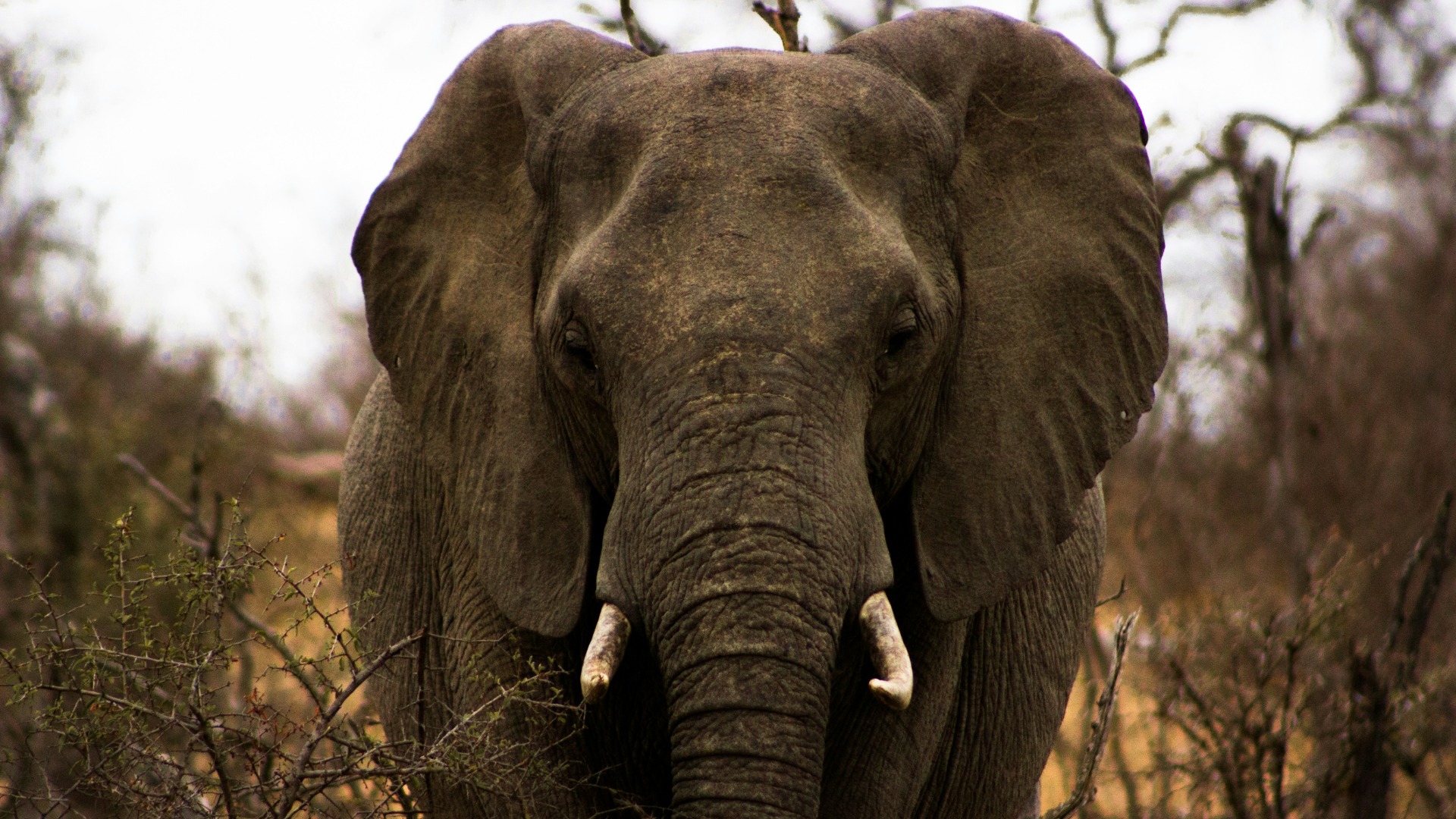
Learning to recognise signs of discomfort in wildlife helps you become a more responsible observer. If an elephant flaps its ears vigorously, a lion yawns repeatedly, or a rhino snorts and stamps, these are often signals to increase your distance. Your guide will interpret these cues and adjust positioning accordingly.
Never attempt to call animals closer or use sounds to attract their attention. Such actions disrupt natural patterns and can lead to dangerous situations for both visitors and animals. True connection comes from quiet observation rather than forced interaction.
The most profound wildlife encounters happen when you allow animals to remain undisturbed in their own world, observing them on their terms rather than yours.
Minimising Your Environmental Footprint
Reducing your impact extends far beyond the game drive. Choose lodges that implement water conservation measures, solar power, and waste recycling programmes. Many properties in remote areas now treat greywater for irrigation and use biodegradable cleaning products, significantly lowering their environmental burden.
Pack reusable water bottles, avoid single-use plastics, and participate in lodge recycling initiatives. In water-scarce regions such as the Kalahari or parts of the Kenya conservancies, even small reductions in consumption make a meaningful difference to local ecosystems and communities.
Support the purchase of locally produced goods and avoid buying products made from wildlife materials, including ivory, skins, or shells. Your choices in the curio shop can influence market demand and help reduce illegal wildlife trade across the continent.
Sustainable Practices During Your Stay
Switch off lights and air conditioning when leaving your room, take shorter showers, and reuse towels and linens as encouraged by lodge staff. These small actions, when multiplied across thousands of visitors, preserve precious resources in fragile environments.
Consider the carbon footprint of your journey and explore options for offsetting emissions through verified projects that support reforestation or renewable energy in Africa. Many operators now partner with organisations that plant indigenous trees or support clean cooking initiatives in nearby communities.
Supporting Anti-Poaching and Community Initiatives
Your safari can directly bolster protection efforts by choosing operators that contribute to anti-poaching units or community ranger programmes. In 2024, several conservancies reported that visitor-funded initiatives helped remove over 2,500 snares across key wildlife corridors in southern Africa.
Participate in optional conservation activities offered by certain lodges, such as game counts, habitat restoration days, or educational visits to nearby community projects. These experiences provide deeper insight while contributing directly to protection work.
When booking with Encounters Africa, you support a company that carefully selects partners with proven conservation records. Their network includes camps that fund everything from veterinary units to environmental education programmes for local schoolchildren.
How Your Spending Makes a Difference
Every dollar spent with responsible operators helps employ local people who become invested in protecting the wildlife on their doorstep. In many areas, tourism revenue now provides the primary economic alternative to poaching or agricultural expansion that would destroy habitats.
Consider making additional donations to projects you encounter during your journey. Many lodges facilitate direct contributions to specific initiatives, allowing you to see the impact of your support long after returning home.
Practical Tips for Responsible Photography and Observation
While capturing memories of your safari is natural, doing so responsibly protects the very subjects you admire. Use telephoto lenses rather than approaching closer, and avoid using flash photography at night, which can disorient nocturnal animals.
Share your images and stories on social media with awareness of their potential influence. Highlight conservation messages and ethical operators rather than focusing solely on close encounters that might encourage others to disregard distance guidelines.
Resist the temptation to share exact locations of rare sightings on public platforms, as this can lead to overcrowding. Instead, discuss experiences with your guide and lodge team, who manage visitor distribution across the concession.
Common Mistakes to Avoid
Never leave vehicles to get better photographs, even if other visitors appear to be doing so. This practice endangers both people and animals and violates regulations in most protected areas. Similarly, avoid drones unless specifically permitted, as they disturb wildlife and are banned in many national parks.
Respect quiet hours at camps, particularly during the heat of the day when animals rest. Loud conversations or music can travel surprising distances in the bush, affecting the very wildlife you have come to observe.

What Should I Do If I Witness Inappropriate Behaviour on Safari?
If you observe another vehicle or visitor acting irresponsibly, such as off-road driving, approaching too closely, or using calls to attract animals, discreetly inform your guide. Professional guides understand park protocols and can address issues appropriately with their colleagues or through official channels.
Document the incident with photographs or notes including date, time, location, and operator details if possible. Upon returning to camp, report serious violations to the lodge management, who can escalate them to the relevant wildlife authorities. In many regions, repeated offences can result in licence suspensions.
Focus on leading by example rather than confrontation in the field. Your own respectful behaviour often influences others more effectively than direct criticism during a sighting.
Conclusion
The choices you make before, during, and after your African safari determine whether your journey helps secure a future for the continent's magnificent wildlife. By approaching each experience with respect, curiosity, and awareness, you become part of the solution rather than adding to the pressures these ecosystems face.
For discerning travellers seeking a private safari beyond our set itineraries, we invite you to contact us directly. We specialise in designing exceptional, tailor-made journeys for individuals, couples, families, and private groups of up to eight guests. Drawing on our handpicked network of distinguished camps and lodges, we curate every detail with precision and care, creating a seamless, deeply personal safari experience shaped entirely around your preferences, pace, and budget.
Begin planning your responsible safari by exploring our Kenya fly-in safari options or discover more through our guide to reducing your footprint while maximising encounters. For personalised guidance on selecting conservation-minded operators and experiences, visit our enquiry form and let the team at Encounters Africa craft a journey that aligns with both your dreams and Africa's conservation needs.
More like this
Tips & Advice
Some of The Best Ways to Observe Tanzania's Big Five Without Disturbing Their Natural Patterns
Tips & Advice
Important Steps Travelers Can Take to Bolster Zimbabwe's Wildlife Protection Efforts
Tips & Advice
Practical Strategies for Choosing and Booking Luxury Lodges in Tanzania
Tips & Advice
Practical Ways to Collaborate Effectively with Your Safari Guide
Tips & Advice
Practical Ways to Identify and Observe Rare Birds Across Kenya and South Africa
Tips & Advice