Conservation
South Africa's Wildlife Recovery: Key Figures Behind Rhino and Elephant Protection
Encounters Africa - 9 min read
Updated on 30 July 2026
South Africa's wildlife recovery stands as a beacon of measured success in global conservation. The country safeguards over 80% of the world's remaining rhinos through intensive monitoring and anti-poaching units. These conservation metrics highlight successes in population rebound while underscoring ongoing threats from habitat loss and illegal trade.
From the vast expanses of Kruger National Park to the rolling hills of the Eastern Cape, dedicated teams have turned the tide on species once pushed to the brink. The numbers tell stories of resilience: elephant populations that have grown steadily since the 1990s, rhino births outpacing losses in well-managed reserves, and community programmes that link local livelihoods to wildlife protection. For those drawn to these landscapes, understanding the data behind the recovery deepens every encounter on safari.
The Scale of Rhino Protection in South Africa
South Africa is home to roughly 15,000 white rhinos and around 2,000 critically endangered black rhinos as of 2024 figures released by the Department of Forestry, Fisheries and the Environment. This represents more than four-fifths of the global total, a responsibility shouldered through a network of national parks, private reserves, and community-owned land. Daily monitoring by field rangers, often supported by thermal imaging and canine units, has reduced poaching incidents from a peak of 1,215 rhinos lost in 2014 to under 500 in recent years.
Yet the pressure remains relentless. Horns continue to fetch tens of thousands of pounds on illicit markets, driving sophisticated criminal networks. In response, conservationists have pioneered techniques such as fitting rhinos with GPS-enabled horns and creating DNA databases that trace confiscated material back to its source. These innovations demonstrate how technology and boots-on-the-ground commitment combine to safeguard one of Africa's most iconic species.
The quiet determination of anti-poaching teams at dawn, moving through dew-laden grass with the single purpose of protecting lives measured in tons and horns, reminds us that conservation is ultimately an act of daily courage.
Success Stories from Private Reserves
Private initiatives have played a pivotal role in rhino recovery. Reserves such as Phinda Private Game Reserve and &Beyond's properties have achieved breeding success rates that exceed those in some state-managed areas. By removing rhinos from high-risk zones and relocating them to fortified sanctuaries, managers have created safe havens where calves can grow without the shadow of the poacher's snare.
One particularly effective model involves community conservancies where local residents receive direct economic benefits from wildlife tourism. In the Eastern Cape, programmes linked to Addo Elephant National Park have seen rhino numbers increase by an average of 7% annually over the past decade. These figures are not abstract; they translate into living, breathing animals that visitors may glimpse during early morning game drives, their heavy forms moving with surprising delicacy through thicket vegetation.

Elephant Conservation: Numbers, Corridors and Conflict
South Africa hosts approximately 30,000 elephants, concentrated primarily in the northern provinces but with growing populations in the south and east. The South Africa elephant population has more than doubled since the 1990s, when culling was still practised. Today, the focus has shifted to managing human-elephant conflict and maintaining viable migration corridors between protected areas.
Transfrontier conservation areas such as the Great Limpopo Transfrontier Park allow elephants to move naturally across borders into Mozambique and Zimbabwe. This connectivity is vital for genetic diversity. Studies from 2022-2023 show that elephants using these corridors exhibit lower stress levels, measured through cortisol in dung samples, than those confined to isolated pockets of land.
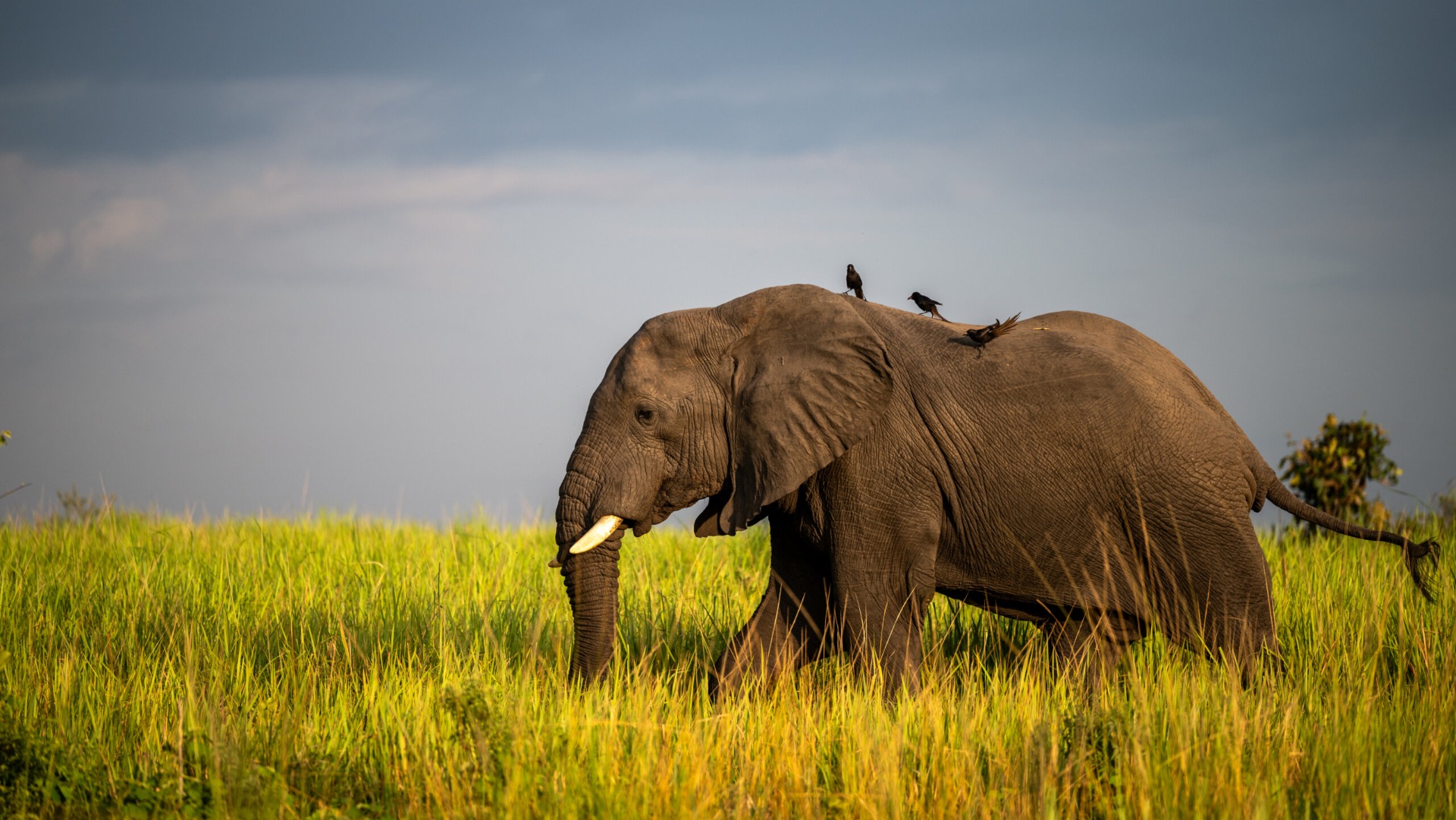
The sensory experience of encountering a breeding herd at a waterhole remains one of the most profound in African travel. The low rumble of communication, the dust thrown over backs to cool skin, and the protective circle formed around calves speak to complex social structures that have evolved over millennia. Understanding the conservation context behind these moments enriches them immeasurably.
Each elephant sighting carries the weight of recovery. Behind every matriarch leading her family across the savannah lies decades of dedicated protection that has allowed these extraordinary beings to persist.
Addressing Human-Wildlife Conflict
As elephant numbers recover, so too do instances of crop raiding in communities bordering reserves. Innovative solutions include beehive fences, which exploit elephants' natural aversion to bees, and chilli-based deterrents that have reduced conflict by up to 80% in pilot projects. These practical measures demonstrate that effective conservation must address the needs of both wildlife and the people who share the land.
Organisations working with Encounters Africa partners emphasise the importance of revenue-sharing models. When a significant portion of safari income returns directly to neighbouring communities, local support for conservation strengthens. This approach has proven particularly successful around reserves in Limpopo and Mpumalanga provinces.
Key Conservation Organisations and Their Impact
Several key players drive South Africa's wildlife protection efforts. South African National Parks (SANParks) manages 19 national parks covering more than 4 million hectares. Their Scientific Services division produces annual reports that track population trends with remarkable precision. The Endangered Wildlife Trust, founded in 1973, focuses on species-specific interventions including vulture conservation and the protection of smaller carnivores often overlooked in big-game narratives.
The World Wide Fund for Nature (WWF) South Africa has invested heavily in the Black Rhino Range Expansion Project, which has successfully established new populations in areas where the species had been extinct for decades. Between 2004 and 2023, this initiative moved 135 black rhinos to 13 new sites, with an overall population growth rate of 6.2% per annum in those areas.
Private operators also contribute significantly. Many of the luxury lodges partnered with Encounters Africa allocate a percentage of revenue to local conservation trusts. These funds support ranger training, equipment purchases, and community education programmes that reach thousands of schoolchildren each year.
Community Involvement in Conservation Success
Perhaps the most encouraging trend is the growing involvement of local communities as active participants rather than passive beneficiaries. In the Eastern Cape, the Amakhala Game Reserve operates a model where seven neighbouring communities hold equity in the reserve. This ownership structure has led to improved educational outcomes and health services funded through tourism revenue.
Similar programmes around the Waterberg Biosphere Reserve demonstrate how traditional knowledge can complement modern conservation science. Elders who once tracked animals for hunting now work alongside biologists to monitor populations and identify early warning signs of disease or environmental stress.
What These Figures Mean for Safari Travellers
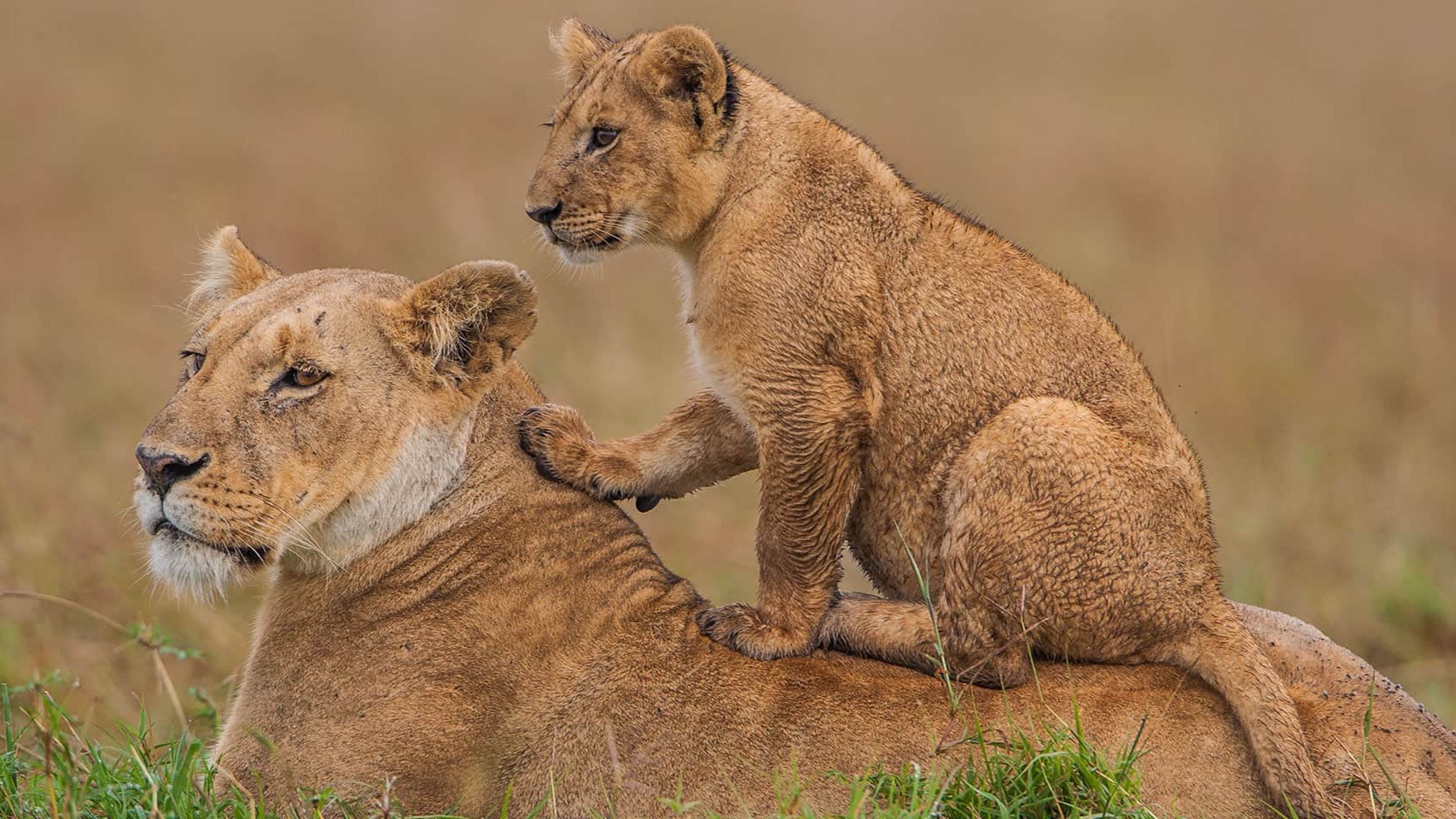
The data behind South Africa's conservation efforts directly influences the quality of safari experiences. When animal populations are healthy and stable, travellers witness natural behaviours rather than stressed animals in shrinking habitats. A morning drive through Sabi Sands reveals prides of lions that can afford to rest in the open because prey is abundant and threats are managed.
Understanding these conservation facts also allows travellers to make informed choices about where to stay and how to travel. Properties that demonstrably contribute to protection efforts, through transparent reporting and measurable outcomes, offer more meaningful connections to the landscapes they help preserve.
Numbers on a page become living proof when you watch a young rhino calf gambol beside its mother in the golden light of late afternoon, secure in a landscape where protection has triumphed over threat.
How Travellers Can Contribute to Wildlife Protection
Responsible travel extends beyond simply observing wildlife. Visitors can support conservation by choosing operators with verified credentials, participating in citizen science projects where available, and respecting the guidelines that keep both animals and people safe. Many lodges offer opportunities to meet researchers and rangers, providing direct insight into the challenges and triumphs of fieldwork.
Financial contributions, whether through direct donations or by selecting experiences that channel funds to specific projects, make a tangible difference. The key lies in directing support toward organisations with transparent accounting and proven track records of success.
Education remains equally important. By learning about the threats facing rhinos, elephants and countless other species, travellers become advocates for their protection long after returning home. The stories shared around evening campfires often spark lifelong commitments to conservation causes.

South Africa's Wildlife Recovery: Key Figures Behind Rhino and Elephant Protection
The journey of South African conservation reflects both remarkable achievement and persistent challenge. With white rhino numbers stabilised in many areas and elephant populations expanding in well-managed ecosystems, the country offers compelling evidence that targeted protection works. Yet the figures also reveal vulnerabilities: black rhino populations remain precariously low, and the constant threat of poaching requires eternal vigilance.
What emerges from the data is a picture of hope grounded in practical action. The combination of scientific monitoring, community engagement, technological innovation and dedicated field work has created conditions where iconic species can not only survive but thrive. For those fortunate enough to experience these landscapes through Encounters Africa, every sighting carries deeper resonance when viewed through the lens of recovery.
The sensory memories linger long after departure: the distinctive huff of a rhino at a waterhole, the earth-shaking presence of an elephant herd moving through woodland, the knowledge that these encounters exist because of sustained human effort. Conservation success stories like these remind us that meaningful change remains possible when commitment, science and community align.
Planning Your Responsible Safari in South Africa
For discerning travellers seeking a private safari beyond our set itineraries, we invite you to contact us directly. We specialise in designing exceptional, tailor-made journeys for individuals, couples, families, and private groups of up to eight guests. Drawing on our handpicked network of distinguished camps and lodges, we curate every detail with precision and care, creating a seamless, deeply personal safari experience shaped entirely around your preferences, pace, and budget.
Whether your interest lies in witnessing rhino protection programmes first-hand, tracking elephant movements across ancient corridors, or simply experiencing the profound silence of the African bush at dawn, Encounters Africa can craft an itinerary that aligns with both your aspirations and the principles of responsible travel. Our specialists maintain close relationships with the conservation teams working on the ground, ensuring your journey contributes positively to the landscapes you wish to experience.
Begin your discovery by exploring our enquiry form or reach out to discuss how we might design a South African safari that honours both the wildlife and the remarkable people dedicated to its protection. The figures tell only part of the story. The true narrative unfolds in the golden light of a winter morning when you witness these magnificent animals moving freely across landscapes secured through dedication and care.
More like this
conservation
Thornybush Game Reserve: A Beacon of Conservation in South Africa
Conservation
What Botswana's Wildlife Recovery Teaches Us About Shared Landscapes
Conservation
What Decades of Conservation in South Africa Reveal About Wildlife Recovery
Conservation
What Happens When Lodges Invest Directly in Kenya's Endangered Species

Conservation
What Kenya's Rangers Face Daily in the Fight Against Poaching
Conservation