conservation
Thornybush Game Reserve: A Beacon of Conservation in South Africa
Encounters Africa - 6 min read
Updated on 1 May 2026
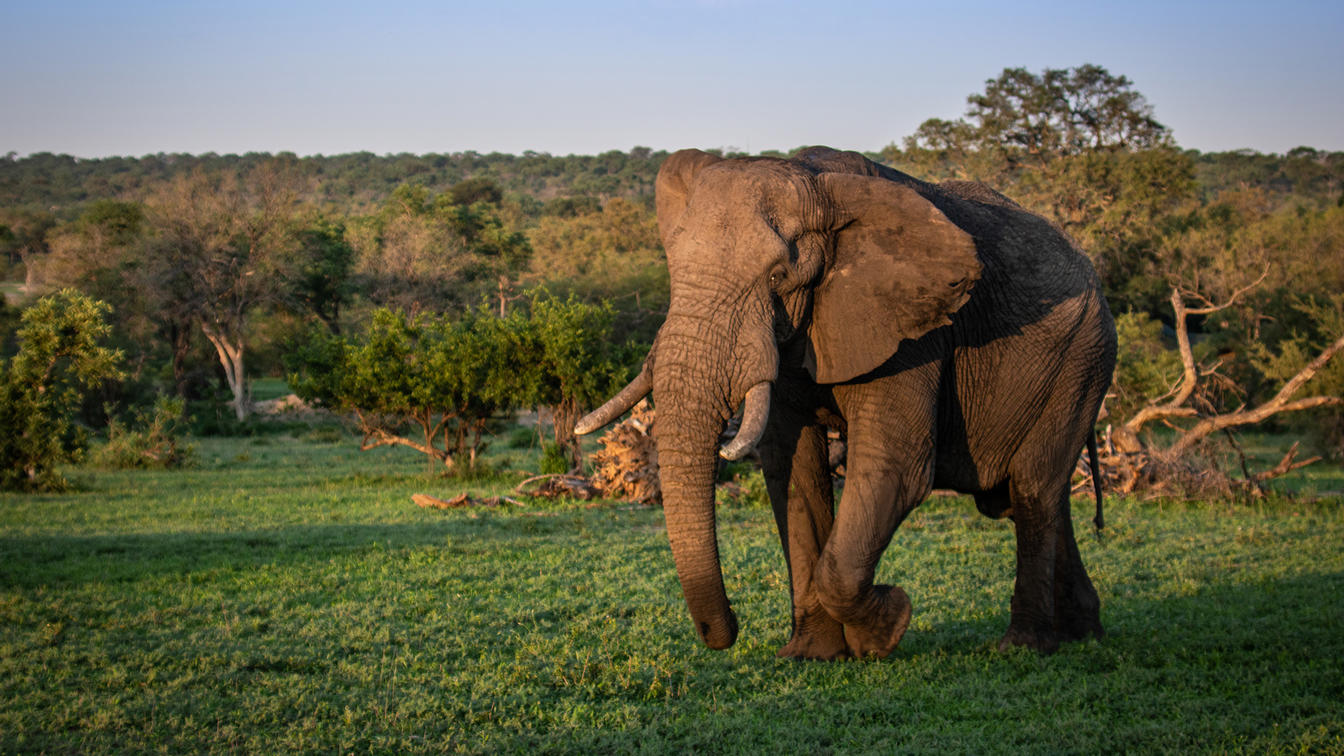
Nestled adjacent to the world-renowned Kruger National Park, Thornybush Game Reserve stands as a testament to successful private conservation in South Africa. This expansive wilderness area, comprising 14,000 hectares of pristine bushveld, is not merely a luxury safari destination but a critical player in safeguarding Africa's precious biodiversity. The commitment to Thornybush Game Reserve conservation is deeply embedded in its ethos, driving every aspect of its operations, from anti-poaching initiatives to community upliftment.
For discerning travellers seeking a private safari beyond our set itineraries, we invite you to contact us directly. We specialise in designing exceptional, tailor-made journeys for individuals, couples, families, and private groups of up to eight guests. Drawing on our handpicked network of distinguished camps and lodges, we curate every detail with precision and care, creating a seamless, deeply personal safari experience shaped entirely around your preferences, pace, and budget.
The Foundation of Thornybush's Conservation Ethos
Thornybush's conservation philosophy is built on the understanding that wildlife protection and community development are intrinsically linked. The reserve operates on a model that integrates ecological management with sustainable tourism, ensuring that the natural heritage is preserved for future generations while also benefiting local communities.
This integrated approach recognises that effective conservation cannot happen in isolation. It requires the active participation and support of those living around the protected areas. Thornybush has long championed initiatives that empower local people, providing education, employment, and economic opportunities that foster a sense of ownership and responsibility towards the wildlife and environment.
"Conservation is not just about protecting animals; it's about protecting the future of our planet and the communities that depend on it."
Wildlife Protection and Anti-Poaching Efforts
Safeguarding Rhinos and Other Endangered Species
Rhino conservation is arguably one of the most critical and challenging aspects of wildlife protection in Southern Africa, and Thornybush is at the forefront of these efforts. The reserve employs a multi-faceted strategy to protect its rhino population, which includes:
Highly Trained Anti-Poaching Units: These dedicated teams operate 24/7, conducting patrols, surveillance, and rapid response operations. They are equipped with advanced technology, including thermal imaging and night vision, to detect and deter poachers.
Canine Units: Specially trained dogs are an invaluable asset, assisting with tracking, apprehension, and detection of contraband. Their keen sense of smell significantly enhances the effectiveness of anti-poaching efforts.
Intelligence Gathering: Working closely with local law enforcement and other conservation organisations, Thornybush gathers intelligence to anticipate and prevent poaching incidents.
Technological Advancements: The reserve continually invests in new technologies, such as drones and sophisticated monitoring systems, to enhance their protective capabilities.
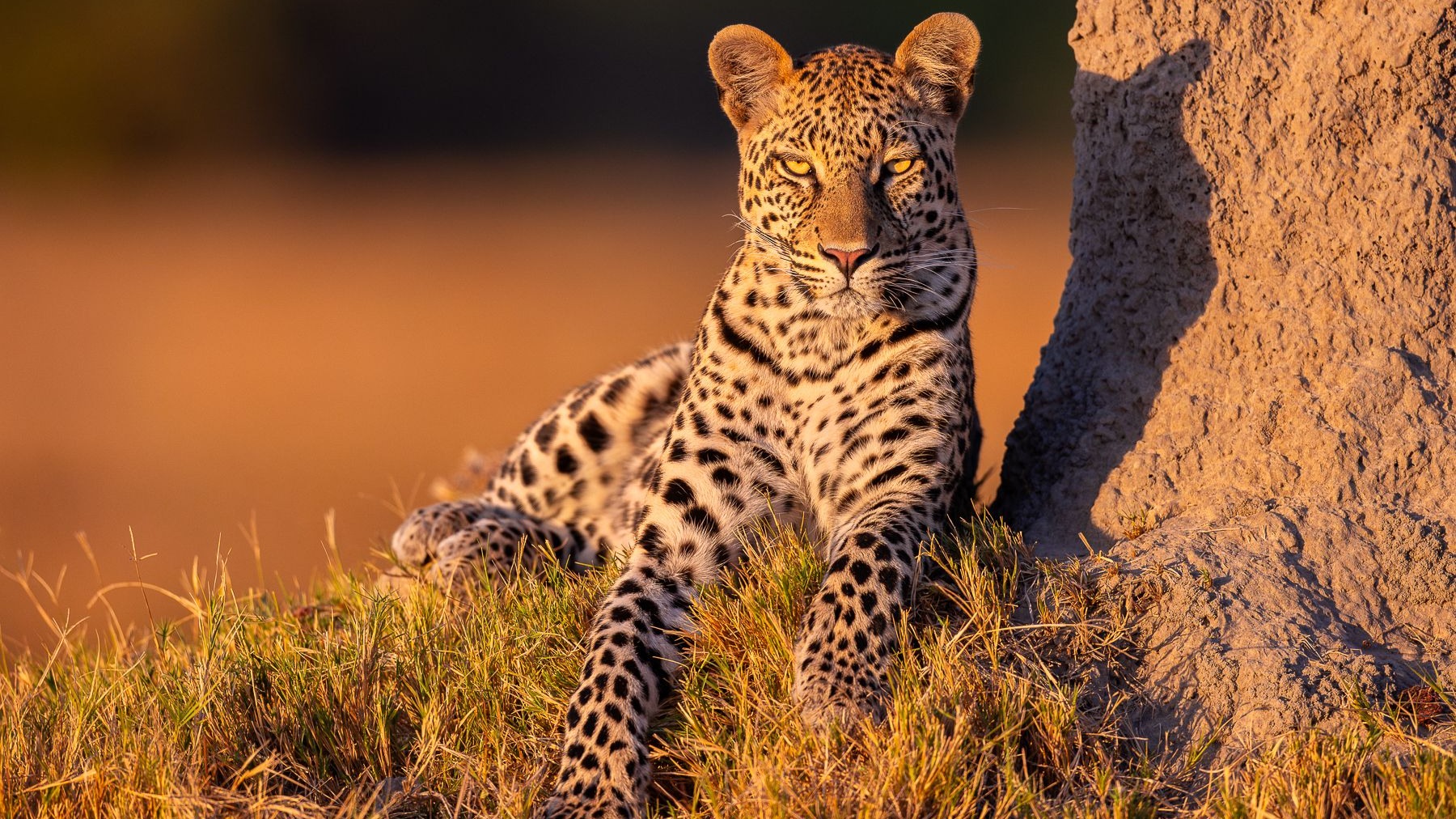
Beyond rhinos, Thornybush is committed to the protection of all its wildlife, including elephants, lions, leopards, and wild dogs, all of which face various threats in the wider landscape.
Habitat Management and Ecological Balance
Maintaining a healthy ecosystem is fundamental to the long-term survival of wildlife. Thornybush employs a team of ecologists and wildlife managers who oversee habitat management strategies, including:
Fire Management: Controlled burns are strategically used to reduce fuel loads, stimulate new grass growth, and maintain the diverse mosaic of habitats essential for various species.
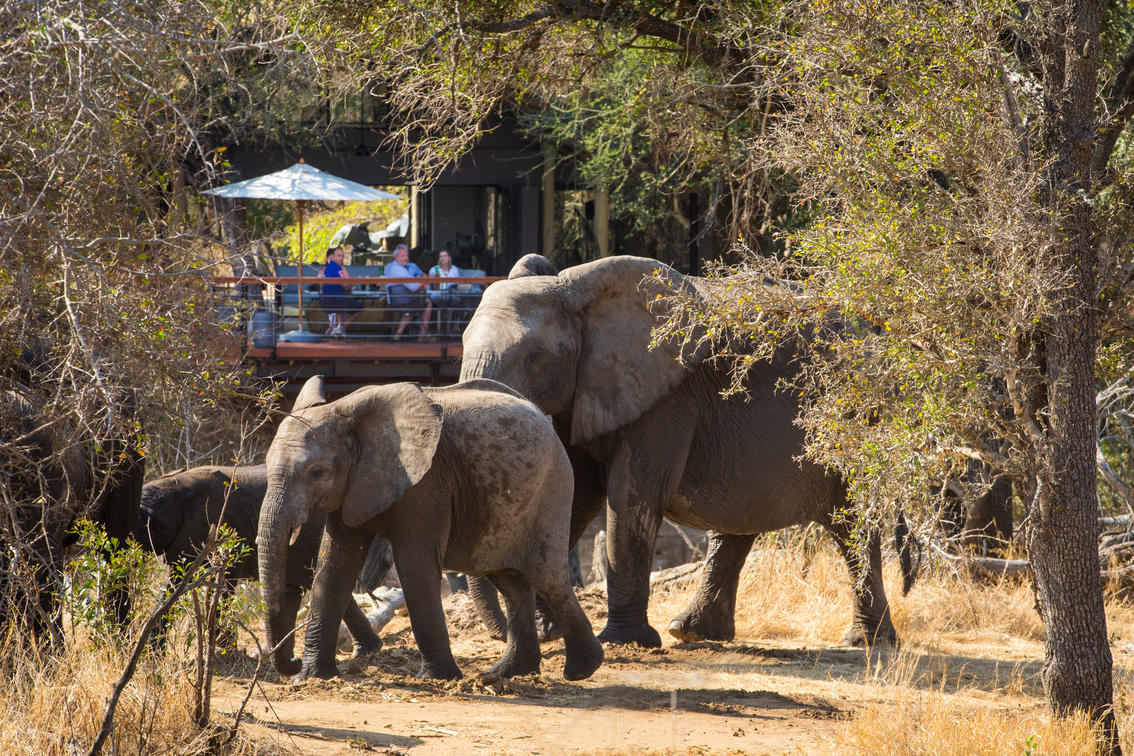
Water Provision: During dry seasons, artificial waterholes are managed to ensure wildlife has access to vital resources, especially for species like elephants and buffalo.
Alien Plant Removal: Invasive plant species can outcompete indigenous vegetation, reducing biodiversity. Regular programmes are in place to remove these alien plants.
Grazing Management: Monitoring herbivore populations and their impact on vegetation helps prevent overgrazing and ensures the sustainability of the ecosystem.
Community Engagement and Sustainable Development
Empowering Local Communities
Thornybush understands that the success of conservation hinges on the support of its neighbours. The reserve actively engages with local communities through various initiatives:
Employment Opportunities: A significant number of Thornybush's staff are drawn from surrounding communities, providing stable employment and career development paths in hospitality, guiding, and conservation.
Education and Training: The reserve supports local schools and provides bursaries for students. It also offers vocational training programmes, equipping individuals with skills for employment within the tourism and conservation sectors.
Enterprise Development: Thornybush collaborates with local entrepreneurs, sourcing goods and services from community-based businesses, thereby stimulating local economies.
These programmes create a direct link between conservation success and community well-being, fostering a shared interest in protecting the natural environment.
Responsible Tourism Practices
Encounters Africa believes that responsible tourism is a powerful tool for conservation. Thornybush exemplifies this by:
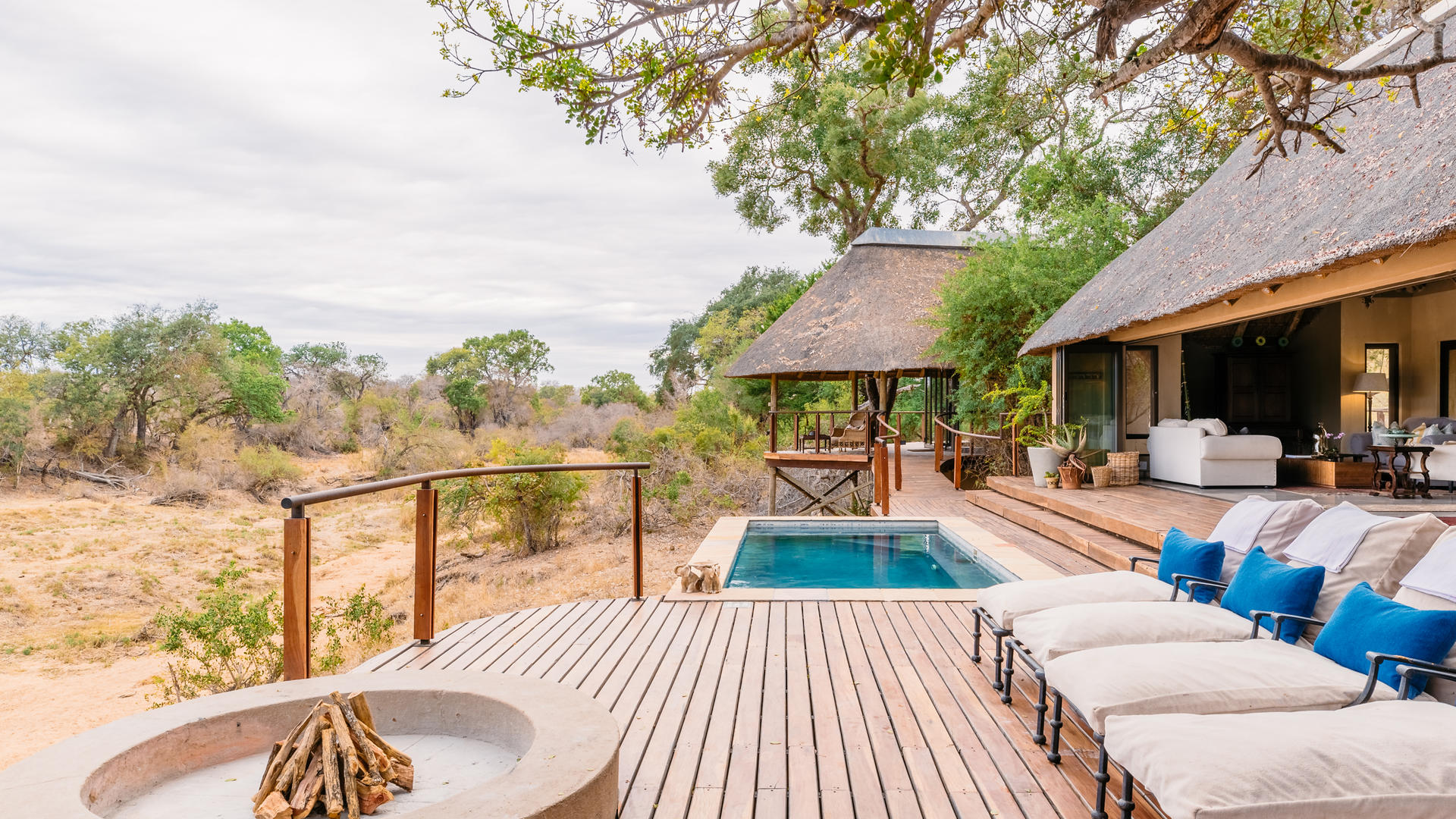
Minimising Environmental Impact: Lodges within the reserve are designed and operated to have a minimal ecological footprint, focusing on sustainable energy, waste management, and water conservation.
Educating Guests: Safari guides play a crucial role in educating guests about the importance of conservation, the challenges faced by wildlife, and the efforts being made to protect them. This fosters a deeper appreciation and understanding.
Contributing to Conservation Funding: A portion of tourism revenue directly supports the reserve's conservation programmes, including anti-poaching and community initiatives.
Research and Monitoring
Understanding the Ecosystem
Continuous research and monitoring are essential for effective conservation management. Thornybush collaborates with scientific institutions and employs its own ecologists to study various aspects of the ecosystem:
Wildlife Population Dynamics: Regular censuses and monitoring of key species help track population trends, identify potential threats, and inform management decisions.
Predator-Prey Relationships: Understanding these complex interactions is vital for maintaining ecological balance and ensuring the health of both predator and prey populations.
Vegetation Surveys: Monitoring the health and composition of the plant communities provides insights into habitat quality and the impact of herbivores.
This data-driven approach ensures that conservation strategies are based on sound scientific principles.
The Role of Private Reserves in Conservation
Private game reserves like Thornybush play an increasingly vital role in conservation, often complementing the efforts of national parks. They offer several advantages:
Flexibility and Innovation: Private reserves can often implement new conservation strategies and technologies more rapidly than larger government-run parks.
Intensive Management: With smaller, more manageable areas, private reserves can often provide more intensive protection and management for endangered species.
Community Integration: Many private reserves have strong community engagement programmes, which are crucial for long-term conservation success.
Financial Investment: Tourism revenue from private lodges directly funds conservation efforts, creating a sustainable model for protection.
"Every safari journey to Thornybush contributes directly to the survival of Africa's iconic wildlife and the empowerment of its people."
Conclusion: A Legacy of Protection and Hope
The commitment to Thornybush Game Reserve conservation is a shining example of how private enterprise, dedicated individuals, and local communities can work together to protect Africa's natural heritage. From the front lines of anti-poaching to the classrooms of local schools, Thornybush's holistic approach ensures that its wilderness remains a sanctuary for wildlife and a source of opportunity for people.
A safari to Thornybush is more than just an incredible wildlife viewing experience; it's an opportunity to be part of a meaningful conservation story. By choosing to travel with Encounters Africa, you directly support these vital efforts, contributing to a future where both wildlife and communities can thrive. We invite you to contact us to plan your bespoke safari to this extraordinary reserve and witness the power of conservation firsthand.
More like this
Conservation
What Botswana's Wildlife Recovery Teaches Us About Shared Landscapes
Conservation
What Decades of Conservation in South Africa Reveal About Wildlife Recovery
Conservation
What Happens When Lodges Invest Directly in Kenya's Endangered Species

Conservation
What Kenya's Rangers Face Daily in the Fight Against Poaching
Conservation
What Kenya's Rangers Taught Me About Saving Elephants and Rhinos
Conservation