Conservation
What Botswana's Wildlife Recovery Teaches Us About Shared Landscapes
Encounters Africa - 9 min read
Updated on 17 June 2026
Conservation in Botswana stands as a compelling example of how shared landscapes can support thriving Botswana wildlife alongside human communities. From the floodplains of the Okavango Delta to the arid expanses of the Kalahari, the country has achieved measurable recoveries in key species while pioneering models that integrate local voices into habitat protection. This approach offers valuable lessons for balancing ecological needs with the realities of rural livelihoods across southern Africa.
Recent aerial surveys conducted in 2022 recorded approximately 130,000 elephants across Botswana, representing a steady increase from earlier counts in the 2010s. Such figures underscore the success of policies that treat wildlife as a shared resource rather than a separate entity. For discerning travellers seeking a private safari beyond our set itineraries, we invite you to contact us directly. We specialise in designing exceptional, tailor-made journeys for individuals, couples, families, and private groups of up to eight guests. Drawing on our handpicked network of distinguished camps and lodges, we curate every detail with precision and care, creating a seamless, deeply personal safari experience shaped entirely around your preferences, pace, and budget.
The Foundations of Botswana's Conservation Model
Botswana's approach to safeguarding its natural heritage rests on a framework established shortly after independence in 1966. Leaders recognised early that protecting vast wilderness areas would be essential for both biodiversity and future economic opportunities. Today, more than 37 percent of the country's land falls under some form of protection, a figure that includes national parks, game reserves, and wildlife management areas managed collaboratively with local communities.
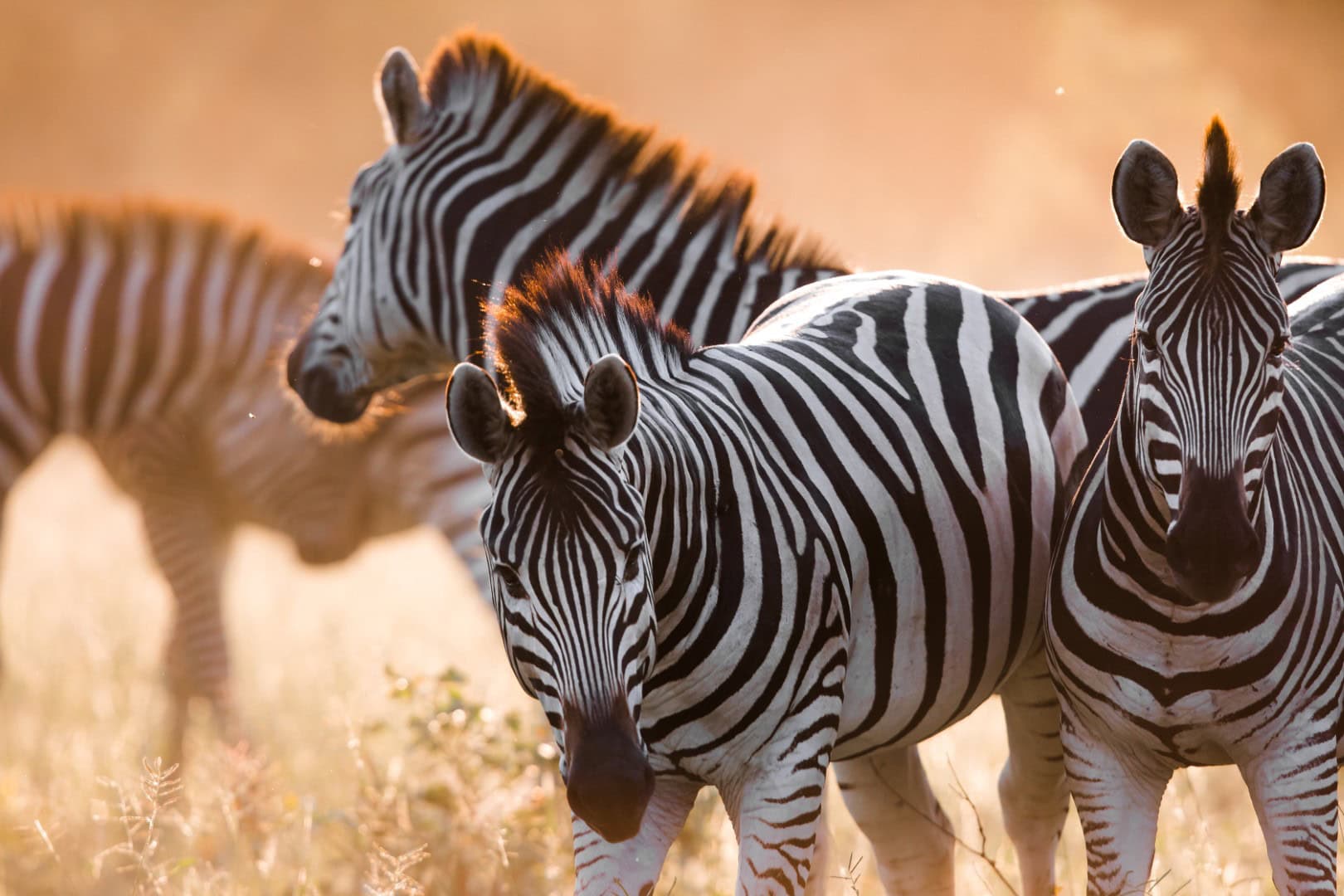
This extensive network creates connected habitats that allow animals to move freely across seasonal ranges. The result is one of the largest contiguous conservation landscapes on the continent, where migrations can unfold without artificial barriers. Such connectivity proves critical for species like wildebeest and zebra, whose numbers have rebounded noticeably in the northern regions over the past two decades.
Botswana demonstrates that when communities see tangible benefits from living alongside wildlife, protection becomes a shared endeavour rather than an imposed restriction.
Community Conservancies and Benefit-Sharing Mechanisms
At the heart of this success lies the integration of rural villages into conservation efforts. Through community trusts, residents near protected zones receive direct income from tourism levies, photographic safaris, and sustainable hunting quotas in designated areas. These funds support schools, clinics, and borehole maintenance, creating clear incentives for protecting rather than poaching the animals on their doorsteps.
In the Khwai Community Area, for instance, local decision-making bodies determine how tourism revenue is allocated. This model has reduced human-wildlife conflict while allowing traditional practices such as livestock herding to continue in carefully zoned sections. The approach stands in contrast to stricter fortress-style conservation seen elsewhere, offering instead a more inclusive path forward.
Conservation in Botswana: A Case Study in Landscape-Scale Recovery
When examining conservation in Botswana, the recovery of large mammal populations provides the most striking evidence of what coordinated action can achieve. Elephant numbers have grown from roughly 50,000 in the early 1990s to the current estimate exceeding 130,000. This increase occurred despite regional pressures elsewhere on the continent, thanks to robust anti-poaching initiatives and cross-border agreements with neighbouring nations.
Lion prides have similarly shown encouraging signs of stabilisation in key areas. Monitoring programmes in the northern parks recorded a 15 percent rise in pride sizes between 2015 and 2023, attributed partly to improved prey availability and reduced retaliatory killings. These figures emerge from long-term camera trap studies and collaring projects that provide precise data rather than anecdotal observation.
The return of wild dogs to former ranges illustrates how habitat connectivity, when combined with community tolerance, can restore even the most vulnerable predators to the landscape.
Anti-Poaching and Monitoring Technologies
Botswana has invested significantly in modern enforcement methods while maintaining respect for traditional knowledge. Specialised units patrol remote sectors using both ground teams and aerial support, covering thousands of square kilometres each month. The deployment of rapid-response teams has dramatically reduced poaching incidents, particularly in the northern elephant strongholds.
Complementing these efforts are sophisticated monitoring systems that track animal movements and habitat conditions. Satellite collars on select individuals reveal migration patterns that inform corridor protection, while environmental DNA sampling from waterholes helps assess overall biodiversity without disturbing the animals. Such tools have become integral to adaptive management strategies across the country.
Success Stories Among Botswana Wildlife
Beyond the iconic elephants and lions, several less-celebrated species have shown remarkable recoveries under Botswana's conservation framework. The country's cheetah population, estimated at around 2,000 individuals, benefits from dedicated monitoring in the central Kalahari where human densities remain low. Similarly, the reintroduction of white and black rhinoceros to protected sanctuaries has progressed steadily since the early 2000s.
Birdlife has flourished in response to habitat improvements. The Okavango Delta supports over 500 avian species, with wattled crane numbers increasing by nearly 30 percent in the past decade according to wetland surveys. These gains reflect not only protection measures but also careful management of water flows that sustain the delta's intricate ecosystem.
The Role of Private Concessions
Private safari operators play a vital supporting role in Botswana's conservation landscape. Lodges such as Duba Plains Camp and Chief's Camp, an A&K Sanctuary maintain their own anti-poaching teams and ecological monitoring programmes within their concessions. Revenue from high-value, low-impact tourism helps fund these initiatives while limiting visitor numbers to reduce pressure on sensitive habitats.
These private reserves often serve as buffer zones around national parks, extending effective protection across larger areas. Research conducted in such concessions has contributed significantly to scientific understanding of predator behaviour and ecosystem dynamics, information that then informs broader policy decisions at governmental level.
By treating wilderness as a productive landscape rather than an empty space, Botswana has created economic value from intact ecosystems that rivals more extractive land uses.
Challenges and Adaptive Strategies
Despite notable successes, conservation in Botswana faces ongoing pressures. Climate variability has brought both severe droughts and unprecedented flooding events, testing the resilience of both wildlife and the communities that share their space. Elephant populations concentrated around permanent water sources during dry periods create localised habitat degradation that requires careful management.
Human-wildlife conflict remains a persistent concern, particularly where expanding settlements border wildlife corridors. Innovative solutions include chilli fences to deter crop-raiding elephants and compensation schemes for livestock losses that are funded through tourism revenue. These practical measures demonstrate how adaptive management can evolve in response to real-world conditions.
Looking Ahead: Climate Resilience and Transboundary Cooperation
Future conservation efforts increasingly focus on building resilience against climate change while strengthening partnerships across international borders. The Kavango-Zambezi Transfrontier Conservation Area, which encompasses parts of Botswana, Angola, Namibia, Zambia, and Zimbabwe, represents one of the most ambitious connectivity projects on the continent. This vast landscape allows animals to follow ancient migration routes that span multiple countries.
Within Botswana, new initiatives explore carbon credit programmes that reward communities for maintaining intact woodlands and grasslands. Early results suggest these mechanisms could provide additional income streams while simultaneously supporting biodiversity goals. Such innovative financing reflects the country's willingness to test novel approaches to longstanding conservation challenges.
What the Data Reveals About Shared Landscapes
A common question arises when considering models of coexistence: can wildlife truly thrive in landscapes shared with people? Botswana's experience suggests the answer is yes, provided the right structures are in place. Between 2010 and 2022, wildlife biomass in community-managed areas increased by an average of 18 percent according to Department of Wildlife and National Parks assessments. These gains occurred alongside population growth in the same districts, challenging the notion that human development and conservation must exist in opposition.
The key appears to lie in meaningful benefit distribution and clear land-use zoning. Where communities receive direct economic returns and participate in decision-making, tolerance for wildlife increases measurably. This pattern repeats across different ecosystems, from the riverine forests of the Chobe to the salt pans of the Makgadikgadi region, suggesting broader applicability for other parts of Africa facing similar pressures.
Lessons for Global Conservation Efforts
Botswana's journey offers several transferable principles for conservation worldwide. First, treating wildlife as a form of natural capital rather than a cost creates different incentives for protection. Second, devolving authority to local levels often yields better compliance than centralised control. Third, maintaining large, connected landscapes allows natural processes to function with minimal intervention.
These insights come at a critical time as many regions grapple with declining wildlife numbers and increasing human demands on land. The measurable recoveries seen in Botswana wildlife provide evidence that thoughtful policy, community inclusion, and sustained investment can reverse downward trends. While challenges remain, the progress achieved over recent decades demonstrates what becomes possible when conservation aligns with rather than against local aspirations.
Travellers who witness these thriving landscapes firsthand often return home with renewed appreciation for the delicate work of balancing human needs with ecological imperatives. The sight of elephants moving freely across floodplains at dusk, or the distant call of a lion at night, carries added resonance when one understands the complex web of decisions that made such encounters possible.
For those inspired by these stories of recovery and coexistence, Encounters Africa offers expert guidance in experiencing these landscapes responsibly. Whether seeking to observe Botswana's recovering elephant herds in the Moremi Game Reserve or to explore the cultural dimensions of conservation in community areas, our team can design journeys that deepen understanding while supporting ongoing protection efforts.
We encourage readers moved by Botswana's example to consider how similar principles might apply in other contexts. The country shows that with vision, pragmatism and genuine community partnership, shared landscapes can support abundant wildlife for generations to come. To explore these remarkable destinations and contribute to their future through responsible travel, we invite you to reach out to our team and begin planning your own transformative encounter with Africa's living heritage.
More like this
Conservation
What Decades of Conservation in South Africa Reveal About Wildlife Recovery
Conservation
What Happens When Lodges Invest Directly in Kenya's Endangered Species

Conservation
What Kenya's Rangers Face Daily in the Fight Against Poaching
Conservation
What Kenya's Rangers Taught Me About Saving Elephants and Rhinos
Conservation
What Scientists Discovered About Tanzania Wildlife After a Decade of Close Monitoring

Conservation