Conservation
What Decades of Conservation in South Africa Reveal About Wildlife Recovery
Encounters Africa - 9 min read
Updated on 24 June 2026
Conservation in South Africa has produced some of the most compelling evidence anywhere on the continent that sustained antipoaching efforts, paired with genuine community investment, can reverse decades of wildlife decline. Over the past thirty years, targeted protection measures in both public reserves and private conservancies have driven measurable population increases for species once pushed to the brink. From recovering lion prides in the Lowveld to expanding elephant herds in the Eastern Cape, the data tells a story of quiet persistence rather than dramatic intervention.
A veteran field biologist who has spent three decades tracking lion prides and elephant movements across the Lowveld recently shared observations that highlight these rebounds. Where consistent antipoaching patrols meet active community support, species numbers have shown clear gains. This pattern offers valuable lessons for other African nations grappling with similar pressures on their natural heritage.
The Historical Context of Conservation in South Africa
South Africa's modern approach to wildlife protection emerged from the shadows of the 1980s and early 1990s, when poaching surged amid regional instability. Rhino populations plummeted as international demand for horn drove organised crime into remote bushveld areas. Elephant numbers also suffered in certain regions, though not to the same catastrophic extent. By the mid-1990s, many experts feared that without radical change, several iconic species faced local extinction within a generation.
The turning point came through a combination of strengthened legislation, increased funding for ranger teams, and innovative private sector involvement. The National Environmental Management: Biodiversity Act of 2004 provided a stronger legal framework, while partnerships between government agencies and private landowners created new models for habitat protection. These developments laid the groundwork for the recovery trends visible today.
Consistent protection over decades has shown that wildlife populations can recover when threats are reduced and landscapes remain connected.
Early Challenges in Antipoaching Efforts
Initial antipoaching operations faced severe limitations in both resources and intelligence. Many reserves relied on foot patrols with basic radio communication, making it difficult to cover vast territories effectively. Poaching syndicates quickly adapted, using sophisticated networks that exploited weak links in the protection chain. Corruption within some enforcement structures further complicated early attempts at meaningful control.
Community relationships were often strained, with local people viewing conservation areas as inaccessible zones that offered little direct benefit. This disconnect sometimes led to tacit support for poachers who provided economic opportunities, however unsustainable. Addressing this human dimension became essential to any long-term strategy for conservation in South Africa.

Measuring Success: What the Data Shows
Long-term monitoring programmes now provide robust evidence of wildlife recovery where antipoaching efforts have remained consistent. In well-protected areas of Eastern Cape, black rhino numbers have increased by approximately 40 percent since 2010, according to provincial conservation reports. White rhino populations in certain private reserves have shown even stronger growth, with some properties reporting annual increases of 8 to 10 percent.
Lion densities have risen in several key ecosystems, particularly where prey bases have stabilised and human-lion conflict has been actively managed. A 2022 study across multiple Lowveld reserves documented a 25 percent rise in pride sizes compared with surveys from the early 2000s. These figures represent more than simple population counts; they indicate healthier social structures and improved reproductive success.
The most successful conservation outcomes occur where antipoaching measures are matched with tangible benefits for neighbouring communities.
Species-Specific Recovery Patterns
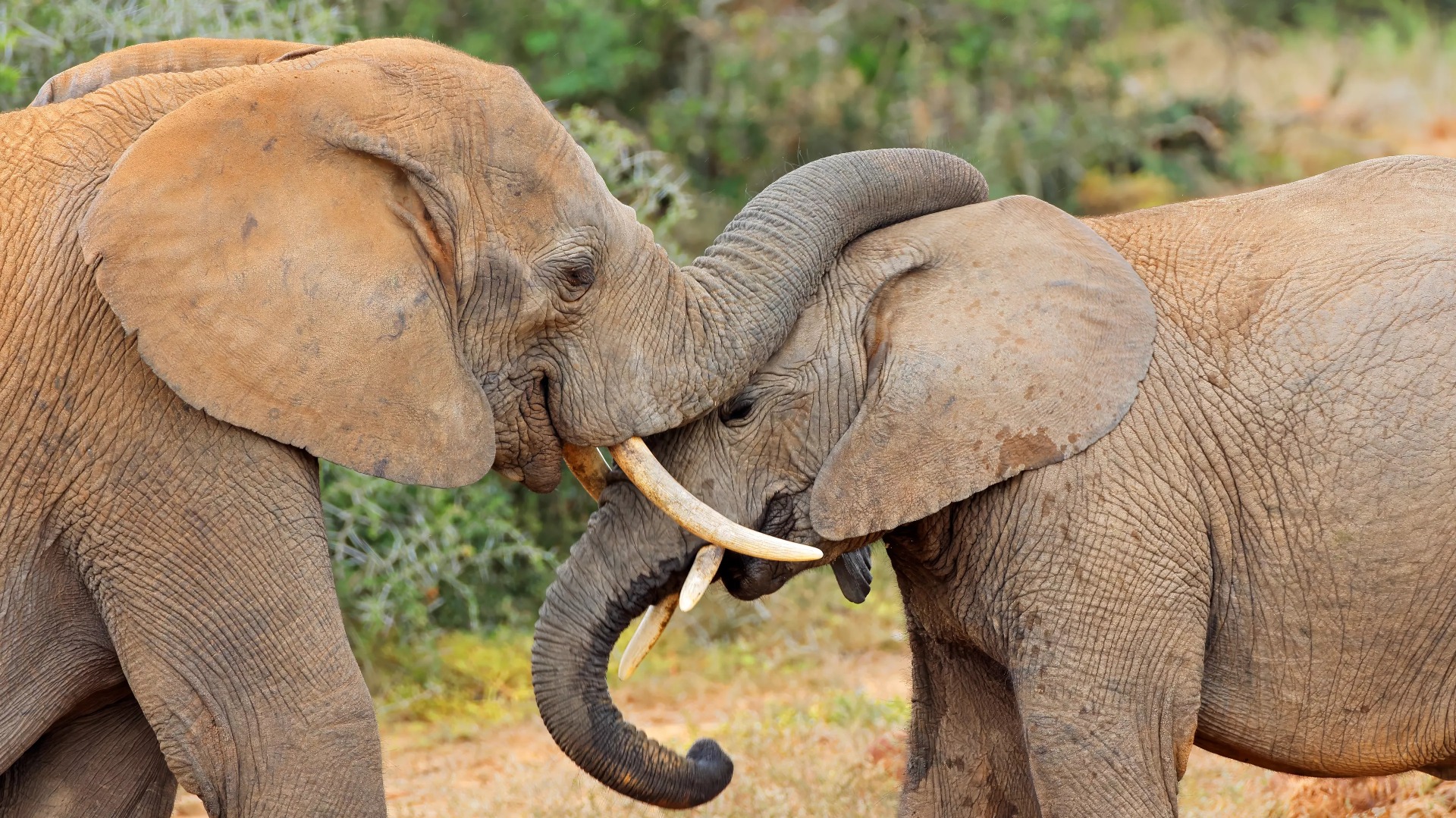
Elephant populations demonstrate particularly interesting recovery dynamics. In reserves connected to larger landscapes, herds have expanded both in size and range. The Addo Elephant National Park offers one of the clearest examples, with numbers growing from just 11 individuals in the 1930s to over 600 today, despite periodic management interventions to control density.
Predator recovery has followed a more complex trajectory. Cheetah and wild dog populations remain vulnerable due to their wide-ranging behaviour, which brings them into contact with human activities beyond reserve boundaries. However, targeted protection in conservancies has enabled small but stable breeding groups to establish themselves in areas where they had disappeared for decades.
How Antipoaching Efforts Have Evolved
Modern antipoaching strategies in South Africa blend traditional tracking skills with advanced technology. Ranger teams now deploy thermal imaging, camera traps with cellular alerts, and GPS-enabled tracking collars that provide real-time data on animal movements. These tools have dramatically improved response times to potential threats, allowing teams to intercept poachers before animals are harmed.
Intelligence-led operations have become central to effective protection. Rather than simply reacting to incidents, specialised units work with cross-border agencies to disrupt smuggling networks at their source. This shift from reactive patrols to proactive disruption has contributed significantly to the declining poaching rates recorded in several provinces since 2015.
The Role of Private Reserves in Conservation Success
Private wildlife reserves have played a disproportionately important role in driving recovery trends. Properties such as Kariega Private Game Reserve have invested heavily in both security infrastructure and ecological monitoring, often achieving lower poaching rates than adjacent public lands. These conservancies frequently benefit from more agile decision-making processes and direct links between tourism revenue and conservation funding.
The model of wildlife economy partnerships has gained traction, particularly in former homeland areas where community-owned land is managed jointly with private operators. These arrangements have created meaningful employment while aligning local economic interests with wildlife protection. Several such initiatives now support over 200 jobs each, demonstrating how conservation in South Africa can deliver both biodiversity and development outcomes.
After thirty years in the field, what strikes me most is how quickly landscapes respond when given consistent protection and when people see real value in living alongside wildlife.
Community Involvement: The Missing Piece
Successful long-term conservation depends on more than armed patrols and sophisticated equipment. The most resilient programmes have integrated local communities as active participants rather than passive beneficiaries. Environmental education initiatives in schools near protected areas have helped shift perceptions across generations, while skills development programmes create pathways to employment within the wildlife sector.
Revenue-sharing models from photographic tourism and limited sustainable hunting have provided tangible economic incentives for conservation. In some areas, up to 70 percent of lodge income flows directly into community trusts that fund education, healthcare, and infrastructure projects. This approach helps address the fundamental question of why local people should support the protection of animals that may occasionally damage crops or threaten livestock.
Addressing Human-Wildlife Conflict
Effective antipoaching efforts must be complemented by practical solutions to human-wildlife conflict. Innovative fencing designs, early warning systems, and compensation schemes have reduced retaliatory killings of predators. In certain regions, the introduction of livestock guarding dogs has dramatically decreased stock losses, thereby reducing pressure on wild carnivore populations.
These integrated approaches recognise that conservation in South Africa cannot succeed in isolation from the social and economic realities of rural communities. When people feel that wildlife has value beyond its existence on a distant reserve, they become powerful allies in protection efforts.
Current Challenges and Future Directions
Despite notable successes, significant challenges remain. The sheer scale of South Africa's protected areas makes comprehensive coverage difficult, particularly as poaching syndicates continue to evolve their tactics. Climate change is altering habitat suitability and migration patterns, adding complexity to protection strategies. Additionally, the global economic pressures that drive demand for illegal wildlife products show little sign of abating.
Emerging threats include the illegal trade in lion bone and the increasing sophistication of cyber-enabled wildlife crime networks. Addressing these requires ongoing innovation and international cooperation. South African conservationists are increasingly sharing their methodologies with neighbouring countries, contributing to a regional approach to wildlife protection that recognises the interconnected nature of ecosystems across borders.
What Decades of Conservation in South Africa Teach Us About Antipoaching Efforts
The accumulated evidence from thirty years of systematic monitoring offers clear answers to a frequently asked question: Can wildlife populations truly recover in modern Africa? The data suggests that where antipoaching efforts are sustained for at least a decade, combined with community benefits and habitat connectivity, significant recovery is possible. Lion populations in well-managed reserves have shown average annual growth rates of 4 to 6 percent, while certain rhino populations have achieved 8 percent growth under intensive protection.
These outcomes depend on several key factors: consistent funding, skilled and motivated field teams, strong governance, and genuine community partnership. Short-term interventions rarely produce lasting results. The most successful examples demonstrate that conservation in South Africa works best as a long-term commitment rather than a series of disconnected projects.
Technology alone cannot solve the problem. While thermal drones and AI-assisted camera systems have enhanced detection capabilities, the human element remains crucial. The most effective ranger teams combine technological tools with traditional tracking knowledge and deep understanding of local dynamics. This blended approach characterises many of the programmes that have achieved sustained reductions in poaching incidents.
Looking Ahead: The Next Chapter
As South Africa continues refining its conservation model, the focus is shifting towards landscape-level approaches that connect protected areas through corridors and community conservancies. This broader vision recognises that individual reserves, no matter how well protected, cannot maintain viable populations in isolation. The creation of the Greater Limpopo Transfrontier Park and similar initiatives represents an ambitious attempt to think beyond arbitrary boundaries.
The lessons from decades of conservation in South Africa extend far beyond its borders. Other nations facing similar pressures can draw on this experience to develop context-appropriate strategies. The combination of robust antipoaching measures with meaningful community engagement offers a practical pathway towards wildlife recovery that balances ecological needs with human development imperatives.
For discerning travellers seeking to understand these complex dynamics firsthand, visiting the landscapes where these recoveries are unfolding provides valuable perspective. Witnessing thriving wildlife populations in areas that once echoed with gunfire creates a powerful connection to the conservation story. Through carefully designed journeys, Encounters Africa can facilitate experiences that reveal both the challenges and the remarkable resilience of African ecosystems.
For those looking for a private safari beyond our set itineraries, we would be delighted to hear from you directly. We specialise in creating beautifully tailored journeys for solo travellers, couples, families, and private groups of up to eight guests. Through our trusted network of carefully selected camps and lodges, we craft each safari around your individual interests, preferred pace, and budget, ensuring a seamless and deeply personal experience from beginning to end. Please visit our enquiry form to begin planning your journey into the heart of these remarkable conservation landscapes.
More like this
Conservation
What Happens When Lodges Invest Directly in Kenya's Endangered Species

Conservation
What Kenya's Rangers Face Daily in the Fight Against Poaching
Conservation
What Kenya's Rangers Taught Me About Saving Elephants and Rhinos
Conservation
What Scientists Discovered About Tanzania Wildlife After a Decade of Close Monitoring

Conservation
What Seychelles' Marine Reserves Reveal About Successful Antipoaching Strategies
Conservation