news
South Africa's 2026 Conservation News: Tourism's Direct Toll on Wildlife Reserves
Encounters Africa - 5 min read
Updated on 13 May 2026
As South Africa's wildlife reserves face unprecedented pressures in 2026, tourism emerges as a double-edged sword in conservation efforts. Recent reports from Kruger National Park and beyond highlight how surging visitor numbers—projected to rise 18% over 2025 levels—have funded vital anti-poaching drones while simultaneously eroding trails that elephants rely on for migration. This tension underscores a pivotal moment for South Africa's protected areas, where eco-fees and capacity controls aim to strike a balance.
Encounters Africa, with deep roots in the region's safari landscape, monitors these developments closely. Our analysis draws from official park announcements, independent studies, and ranger insights to reveal tourism's direct toll on wildlife reserves and the adaptive strategies taking shape.
Tourism Revenue Fuels Anti-Poaching Innovations in 2026
Visitor fees in Kruger National Park generated R2.1 billion in 2025, with 2026 projections climbing to R2.5 billion amid post-pandemic rebounds. These funds have deployed 45 new AI-equipped drones across the park, reducing rhino poaching incidents by 32% in pilot zones. Rangers report real-time monitoring has intercepted 17 smuggling attempts since January.
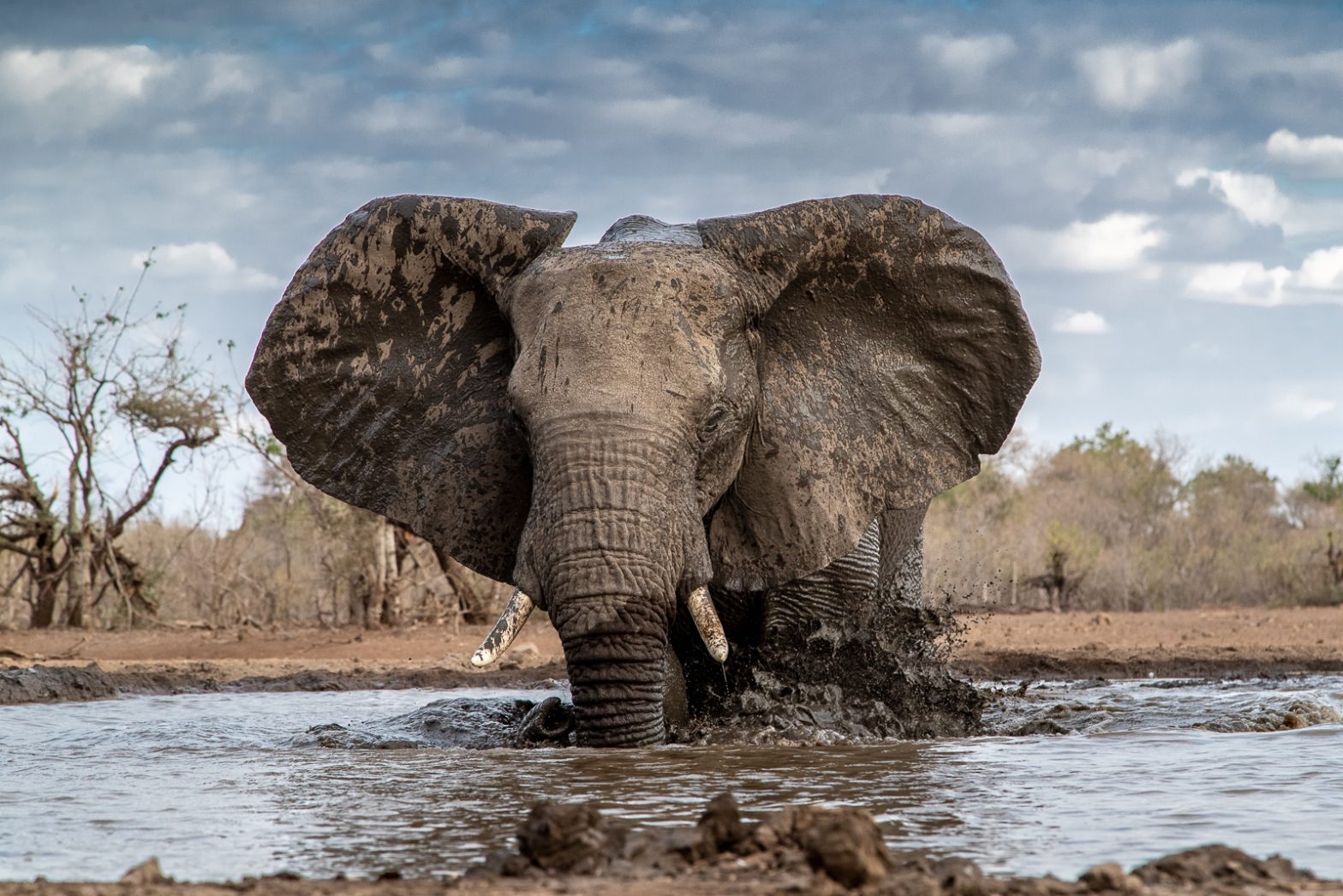
Similar boosts appear in Addo Elephant National Park, where tourism income supports 120 additional patrols. Conservationists credit these measures with stabilising elephant populations at 620 individuals, up from 580 two years prior. Yet, the influx strains infrastructure, prompting debates on sustainable scaling.
"Tourism dollars are arming rangers against poachers, but unchecked crowds risk the very habitats they come to protect."
Trail Erosion and Habitat Fragmentation: The Hidden Costs
Heavy foot and vehicle traffic has accelerated soil loss in key elephant corridors, with studies from the University of Pretoria documenting 15% degradation in Kruger's southern circuits by mid-2026. Eroded paths force herds into riskier routes, increasing human-wildlife conflicts by 24% in fringe communities. Officials now enforce mandatory eco-fees of R150 per visitor to fund trail rehabilitation.
Impact on Migratory Patterns
Elephant herds in Kruger, numbering over 10,000, depend on intact pathways linking the park to private reserves. Tourism-driven wear has narrowed these by up to 2 metres in high-use areas, per satellite imagery analysis. Rehabilitation crews planted 5,000 indigenous shrubs in Q1 2026 to stabilise soils.
Waterhole Strain from Visitor Congestion
Popular viewpoints overlook vital water sources, where compacted earth reduces seepage rates by 28%. This scarcity stresses wildlife during dry seasons, with buffalo sightings down 12% near busy sites. Parks boards advocate rotating access to lesser-known pans.
New Regulations Balancing Visitor Access and Wildlife Welfare
South African National Parks (SANParks) introduced 2026 caps limiting daily vehicles to 450 in Kruger's core zones, a 12% reduction from prior peaks. Digital booking systems, mandatory since March, prevent overcrowding and allocate slots for low-impact electric shuttles. Fines for off-trail wandering now reach R5,000.
Private reserves like Amakhala Game Reserve mirror these shifts, imposing night-drive curfews at 9pm to minimise nocturnal disturbances. These measures, informed by 2025 impact audits, prioritise biodiversity over volume.
Eco-fees channel 20% of proceeds directly into habitat restoration, funding 300km of new fencing to curb invasive species spread exacerbated by tourist traffic.
"Capacity controls in 2026 mark a turning point: fewer visitors, deeper conservation gains for South Africa's irreplaceable wild spaces."
Case Study: Kruger's Drone Patrols Versus Overcrowding Challenges
What does 2026 look like on the ground? In Kruger's Sabi Sands concession, drone footage captured a 40% uptick in lion pride densities thanks to poaching deterrence. However, a June report from the Endangered Wildlife Trust flagged 22km of degraded trails from 4x4 convoys, threatening cub safety.
Quantitative Impacts from Recent Data
To answer a key question: How severely does tourism affect South African conservation in 2026? Metrics show a net positive from revenues—R800 million reinvested—but negatives like 18% vegetation loss near viewpoints. The best mitigation? Time-bound visits: June to September dry season sees 60% of traffic, amplifying wear.
Drone patrols: 45 units, covering 1.2 million hectares daily.
Trail repairs: 150km restored, using bio-engineered stabilisers.
Visitor caps: 450 vehicles/day in high-density zones.
Conflict incidents: Down 15% with better corridor management.
Community and Economic Ripples from Tourism Pressures
Local economies thrive with 2026 job creation hitting 12,000 in Kruger-adjacent villages, many in guiding and hospitality. Yet, over-reliance on high volumes risks boom-bust cycles; experts urge diversification into cultural tours. Community conservancies now receive 15% of fees, empowering anti-poaching scouts.
Women-led initiatives in Eastern Cape reserves train 200 locals in eco-monitoring, blending tourism income with skill-building. This model reduces poaching incentives by improving livelihoods.
Outlook: Sustainable Models for Future Safaris
Looking ahead, hybrid models blending luxury low-volume camps like those in Royal Malewane with tech-driven oversight promise resilience. Encounters Africa anticipates 2027 expansions in AI trail sensors, potentially halving erosion rates.
Plan Your Responsible Journey with Encounters Africa
For discerning travellers seeking private safaris attuned to these shifts, Encounters Africa crafts tailor-made journeys across South Africa's reserves. We prioritise low-impact itineraries, partnering with lodges committed to conservation levies. Contact us via our enquiry form to design an experience that supports wildlife while delivering profound encounters.
Whether tracking rhinos in rewilded corridors or witnessing drone-patrolled prides, our experts ensure your journey contributes positively. Reach out today for 2026 availability.
More like this
news
South Africa's Tourism Sector Announces 2026 Visitor Incentives and Infrastructure Boosts
news
Tanzania 2026: Visitor Limits and Tech in Serengeti Conservation
News
Tanzania Reports Sharp Rise in Key Wildlife Populations Across Northern Parks
News
Tanzania Strengthens Rhino Conservation With Expanded Antipoaching Patrols
news
Tanzania's 2026 Conservation Mandates: Key Changes for Serengeti and Selous Reserves
News