news
Tanzania 2026: Visitor Limits and Tech in Serengeti Conservation
Encounters Africa - 4 min read
Updated on 13 May 2026
As Tanzania gears up for 2026, its wildlife authorities are rolling out bold measures to balance surging safari demand with ecosystem health. The Serengeti National Park will enforce daily visitor limits, capping vehicles at 90 per peak migration zone to ease pressure on grazing herds. Meanwhile, Ruaha National Park pioneers AI-monitored trails, cutting ranger response times by 40% through real-time camera feeds and predictive analytics.
These steps respond to a 25% rise in tourism arrivals projected for 2026, driven by post-pandemic recovery and new direct flights. Tourism levies will channel funds into rhino relocations from high-risk zones to fortified sanctuaries. Encounters Africa travellers stand to gain from fewer crowds and enhanced wildlife security in these iconic reserves.
Serengeti Visitor Limits: Protecting the Migration
Tanzania's flagship reserve, the Serengeti, faces unprecedented footfall as the Great Migration draws global attention. Starting January 2026, officials will limit vehicles to 90 per day in core calving areas from February to April, with off-peak caps at 120. This targets a 15% reduction in wildlife disturbance, based on studies showing herd fragmentation from over-tracking.
Rangers will use digital permits issued via a central app, prioritising early bookings for luxury operators. Expect smoother game viewing as congestion eases, allowing intimate encounters with wildebeest columns thundering across the plains. The policy draws from pilot successes in Ngorongoro Crater, where similar caps boosted lion pride stability by 12%.
Travellers should plan itineraries around these slots, favouring shoulder seasons like May-June for unrestricted access to river crossings. Encounters Africa recommends pairing Serengeti stays with mobile camps that shift to quieter northern sectors as herds move.
By capping Serengeti vehicles at 90 daily in peak zones, Tanzania ensures the migration's raw spectacle endures for future generations.
AI Trails in Ruaha: Tech Revolutionises Patrols
Ruaha National Park, Tanzania's second-largest reserve, launches AI-monitored trails in 2026, integrating 500 solar-powered cameras along 200km of key paths. These systems slash ranger response times by 40%, detecting anomalies like snare traps or poacher heat signatures in under 10 minutes. The tech builds on a 2025 trial that prevented 18 elephant losses.
Funded by a 5% tourism levy on lodge rates, the network links to drone fleets for rapid interventions. Lions roaring at dusk or elephants dust-bathing by baobabs now benefit from invisible guardians, preserving Ruaha's wild heart. Safari-goers will notice fewer disruptions, with guides accessing live feeds for safer walking safaris.
How AI Enhances the Guest Experience
Guests at select Ruaha lodges gain app access to de-identified trail cams, spotting rare African wild dogs without leaving camp. This innovation positions Tanzania ahead in ethical tourism, merging luxury with conservation impact.
Rhino Relocations and Levy Funding
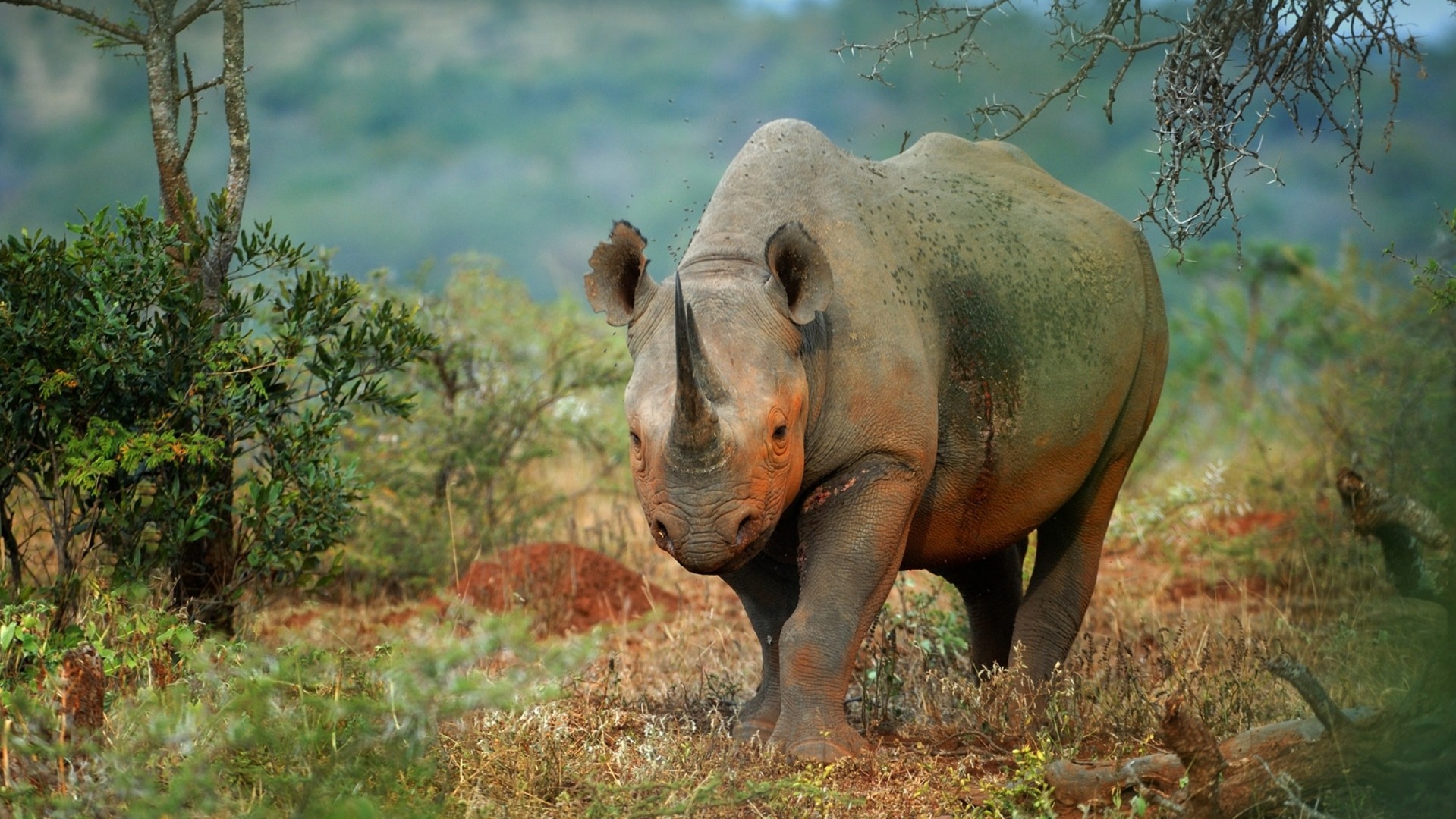
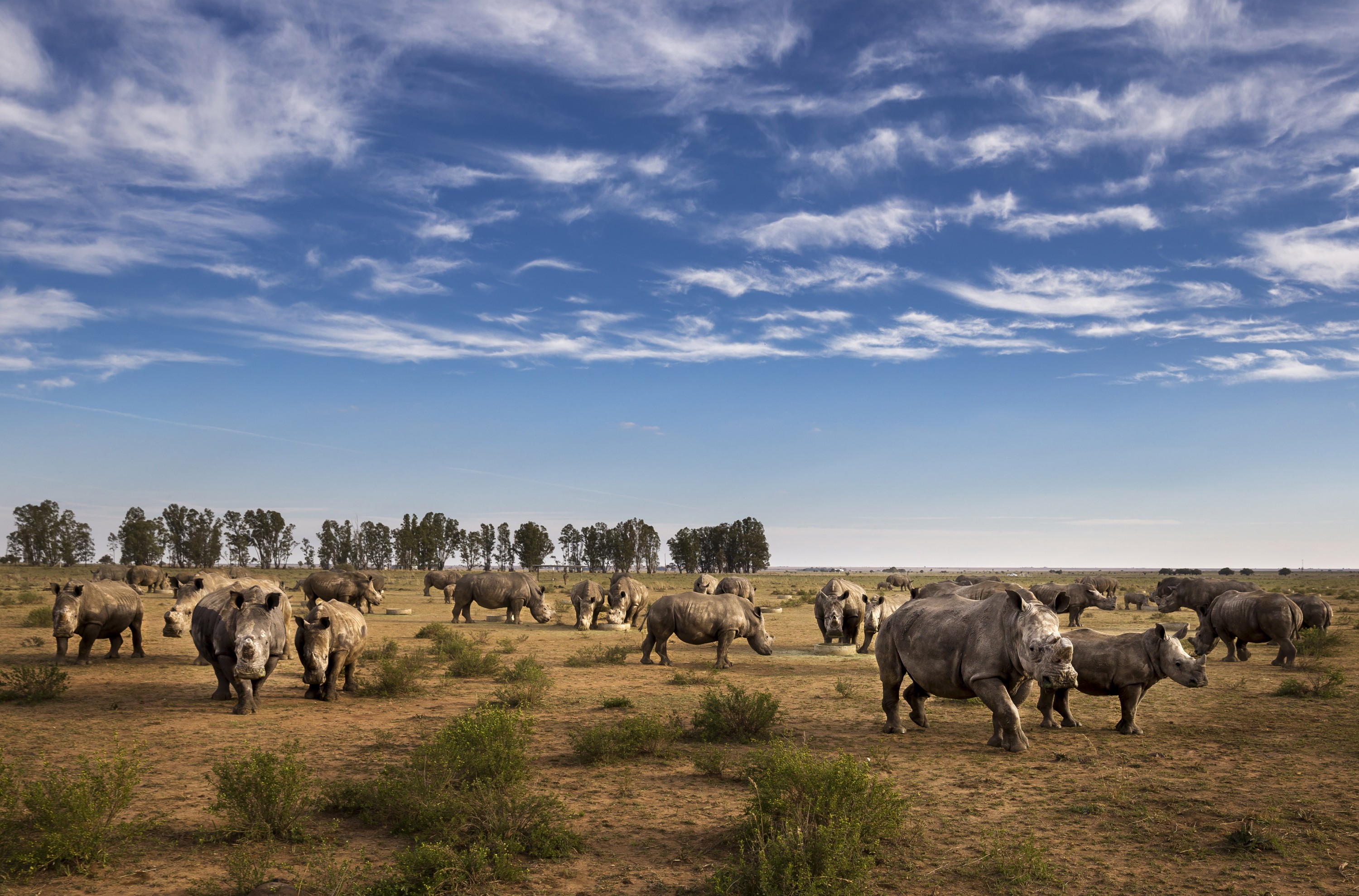
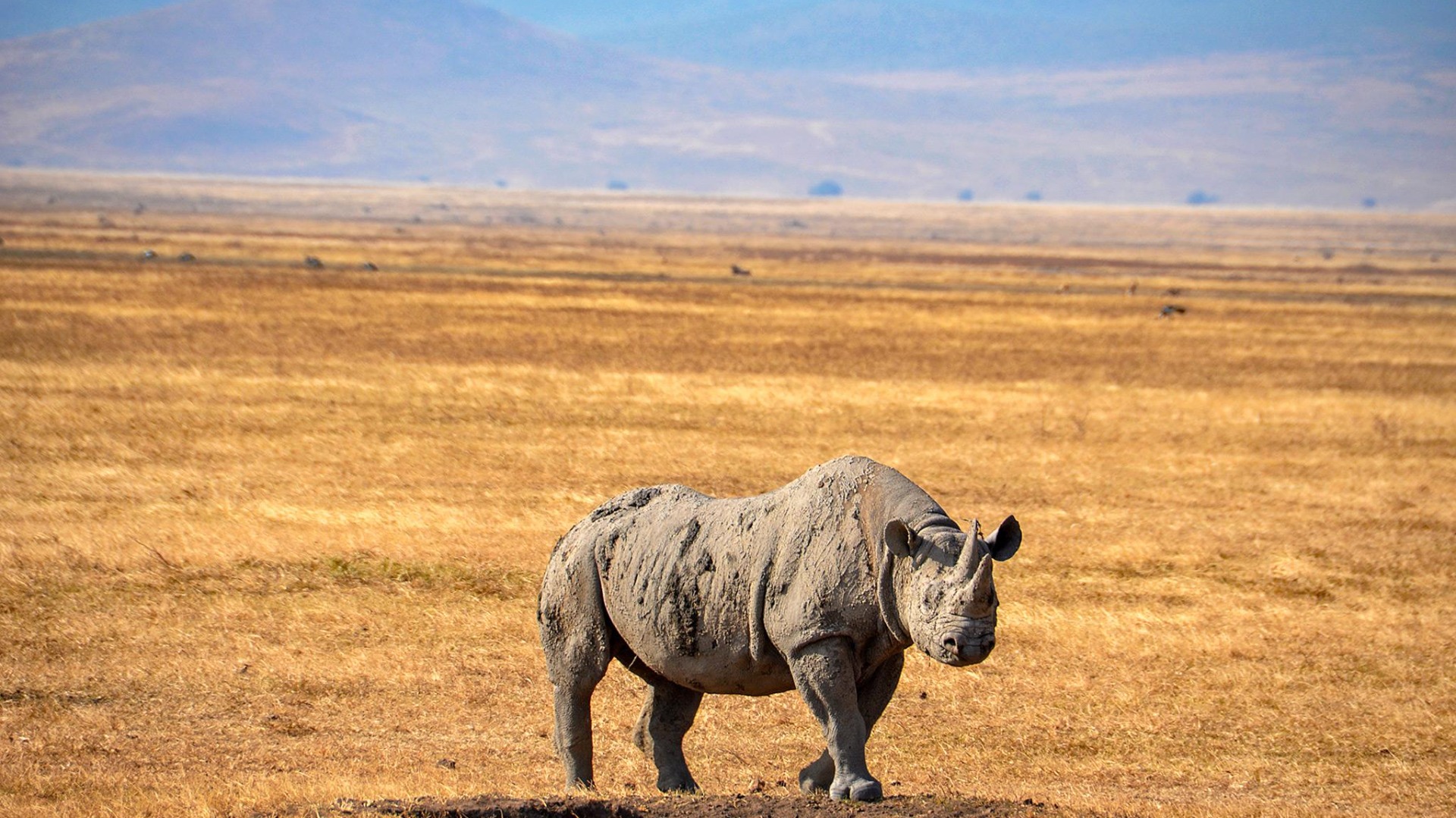
Tourism revenues will drive the relocation of 50 eastern black rhinos to new sanctuaries in 2026, up from 28 in 2025. Levies collected from over 1.5 million visitors—projected to yield $15 million—cover transport, veterinary care, and fence upgrades. Success metrics include a 20% population growth target by 2028.
These efforts counter poaching spikes in border areas, with relocated rhinos fitted with satellite collars for monitoring. Travellers contribute directly, knowing their safari spend bolsters Tanzania's Big Five recovery. Early signs show reduced stress in fenced zones, promising better sightings for discerning observers.
What These Changes Mean for 2026 Safaris
Booking Essentials: Secure permits three months ahead for Serengeti peaks; Ruaha slots fill faster with AI trail access perks.
Visitor caps apply only to self-drive; guided tours with licensed operators like Encounters Africa receive priority allocations.
Levies add $20-50 per person nightly, transparently funding conservation—value for money in preserved habitats.
AI data refines game drive routes, predicting lion hunts with 85% accuracy to minimise overlaps.
These policies answer a key question: How will Tanzania manage 2026 tourism growth without harming wildlife? By limiting access, deploying tech, and reinvesting fees, reserves stay vibrant. The best time to visit Serengeti remains July-October for migrations, now with 20% fewer vehicles.
Tanzania's 2026 reforms turn safari fees into rhino shields and AI eyes, ensuring wild spaces thrive amid rising arrivals.
Plan Your Tanzania Journey with Encounters Africa
As these 2026 measures reshape Tanzania's conservation landscape, Encounters Africa stands ready to craft seamless itineraries. From Serengeti migration chases under visitor caps to Ruaha's tech-enhanced wilds, our experts secure prime slots and exclusive insights. For private safaris beyond set paths, contact us to tailor journeys for couples or groups up to eight, drawing on our network of handpicked camps.
Explore related conservation stories, like Kenya's rhino milestones, and book now for uninterrupted access to Tanzania's untamed beauty.
More like this
News
Tanzania Reports Sharp Rise in Key Wildlife Populations Across Northern Parks
News
Tanzania Strengthens Rhino Conservation With Expanded Antipoaching Patrols
news
Tanzania's 2026 Conservation Mandates: Key Changes for Serengeti and Selous Reserves
News
Tanzania's Poaching Crisis: Current Enforcement Measures and Their Outcomes
news
Uganda Mandates Stricter Nature Safeguards for 2026 Tourism Season
news