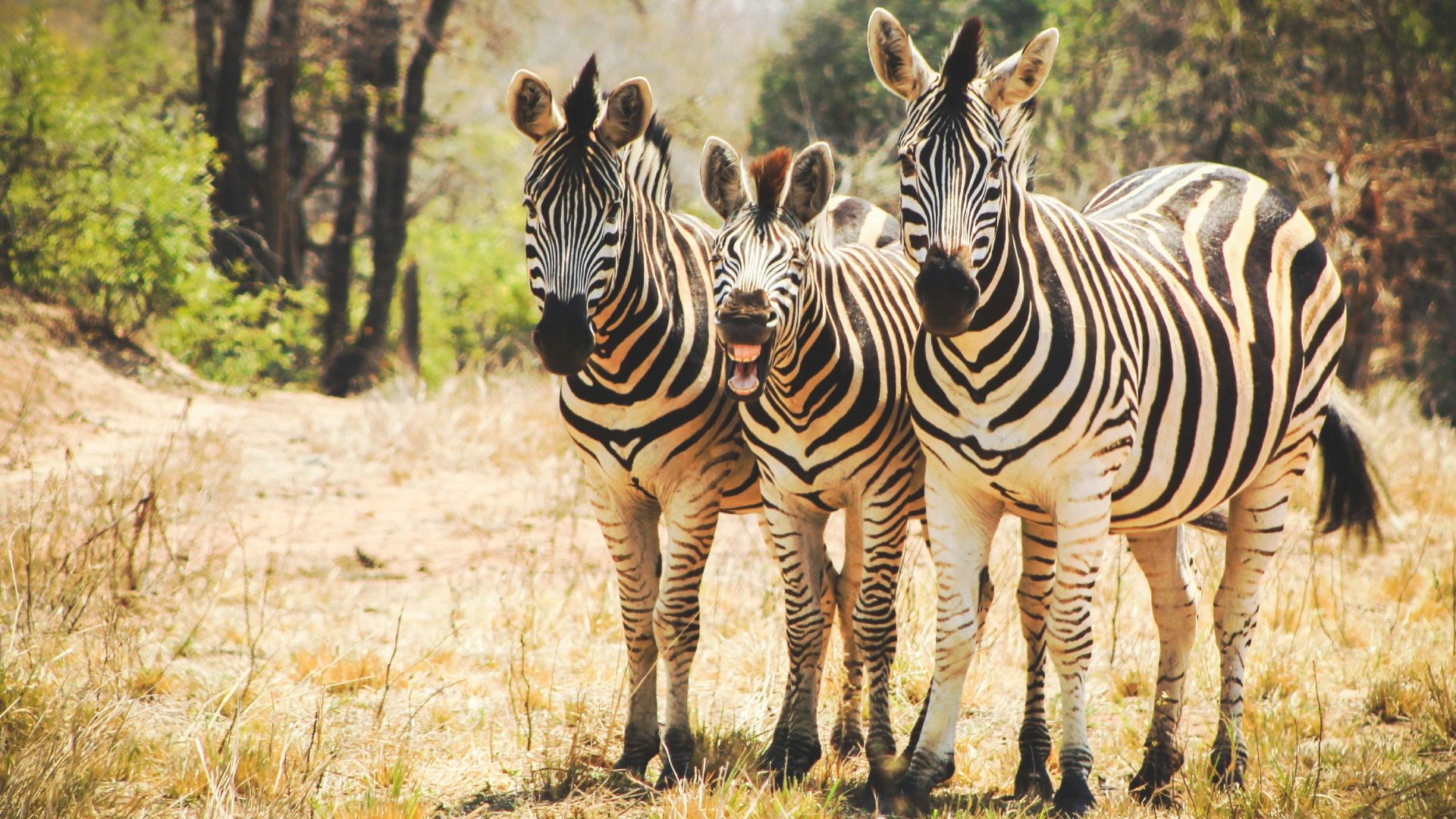
Tips & Advice
What Actually Happens Inside a Luxury African Lodge on Any Given Day
Encounters Africa - 9 min read
Updated on 11 August 2026
Daily life inside a luxury African lodge follows a rhythm shaped by the wild landscape, the needs of its wildlife residents, and the quiet dedication of the staff who make every detail feel effortless. From the first hint of light on the horizon to the final embers of the evening fire, these exclusive properties operate with precision and warmth, creating an experience that feels both immersive and deeply personal. Understanding this daily cadence allows travellers to move through their safari with greater appreciation and respect.
The best time to visit most luxury lodges across South Africa, Botswana and Kenya falls between May and October when wildlife gathers around reliable water sources and vegetation is thinner, improving visibility. Yet each property adapts its schedule to local conditions, whether that means tracking elephants along the Okavango Delta floodplains or watching lions on the open plains of the Masai Mara. A typical day balances thrilling wildlife encounters with moments of thoughtful calm.

Nothing quite captures the soul of a luxury African lodge like the hush that falls when guests return from a dawn drive to find hot coffee waiting beneath a fever tree, while staff quietly prepare for the next chapter of the day.
The Pre-Dawn Awakening
Most days begin long before sunrise. A soft knock at your tent or villa door around 5am signals the start of the morning routine. Fresh coffee or tea appears within minutes, often accompanied by a light biscuit or rusk. This gentle beginning sets the tone for an unhurried yet purposeful day, allowing time to dress in layers suitable for the morning chill.
By 5:30am, guests gather in the main area where guides share updates on recent sightings and safety protocols. These briefings typically last ten minutes and cover everything from how to behave near big cats to the importance of remaining silent during certain approaches. The information shared reflects years of accumulated knowledge about the specific concession or reserve.
Game drives usually depart between 6am and 6:30am, timed to coincide with the most active period for predators and their prey. Vehicles are equipped with blankets, ponchos, binoculars, and sometimes hot water bottles during the colder months. The first hour often yields some of the day's most memorable encounters as nocturnal animals return to rest and diurnal species begin their routines.
Respecting Wildlife Patterns on Morning Drives
Experienced guides read the landscape with remarkable skill, interpreting tracks, bird calls, and even the posture of impala to predict animal movements. They maintain respectful distances, typically 25 metres from lions and leopards, and never position vehicles in ways that block escape routes or disturb natural behaviour. This approach, honed over decades, ensures sustainable viewing that doesn't stress the animals.
Many lodges now incorporate citizen science elements into their drives. Guests might help record GPS coordinates of rare sightings or contribute to identification databases for individual leopards and cheetahs. These small contributions support long-term research projects that span 15 to 20 years in well-established reserves.
Midday at the Lodge: A Time for Restoration
Upon returning around 10:30am, guests are welcomed with cool towels and refreshing drinks. Breakfast, often served as an extensive buffet with regional specialities, stretches leisurely until midday. Freshly baked breads, seasonal fruits, eggs cooked to order, and local sausages reflect both international expectations and African produce. This meal typically lasts 45 minutes to an hour, allowing time for conversation about the morning's highlights.
The hours between 11am and 3pm are deliberately quiet. Wildlife retreats from the heat, and so do guests. Some retire to private plunge pools, others read in shaded decks overlooking waterholes where elephants and buffalo may appear. This midday pause honours both the African sun and the need for genuine rest during an otherwise full day.
The true luxury of an African lodge lies not only in what is provided, but in the unhurried spaces between activities where the bush itself becomes the entertainment.
Spa Treatments and Cultural Experiences
Many properties offer spa treatments during these quieter hours, using indigenous ingredients such as marula oil and rooibos. A 60-minute massage might cost between $120 and $180 depending on the lodge, providing welcome relief to muscles tightened by early starts and bumpy tracks. Therapists, often trained locally, incorporate traditional techniques passed down through generations.
Some lodges arrange visits from local artisans or cultural representatives during this period. These interactions, lasting 30 to 45 minutes, offer insights into beadwork traditions, medicinal plants, or tracking methods without disrupting the natural flow of the day. Participation remains optional, respecting those who prefer solitude.
The Afternoon Activity Window
High tea appears around 3:30pm, featuring savoury and sweet delicacies that range from miniature quiches to traditional milk tarts. This meal prepares guests for the second game drive of the day, which usually departs between 4pm and 4:30pm. The vehicles often carry sundowner supplies including gin, tonic, and snacks for a stop in the bush as the light softens.
Afternoon drives focus on different species and behaviours than the morning outing. As temperatures drop, animals become active again. The golden hour between 5pm and 6pm frequently produces spectacular photography opportunities, particularly in reserves like the Masai Mara or private concessions bordering Kruger National Park.
Sundowners and Bush Dinners
The sundowner ritual has become a signature moment in luxury safari experiences. Vehicles stop in carefully chosen locations, often near dramatic landscapes or water sources. For 20 to 30 minutes, guests enjoy drinks while watching the sun paint the sky in hues of orange and purple. These pauses foster connection between travellers and their guides, who share stories that illuminate the landscape's history.
Some evenings feature bush dinners arranged in sheltered locations. Tables appear as if by magic, complete with linen, crystal, and candlelight. A typical menu might include impala carpaccio, grilled fillet with local vegetables, and malva pudding. These occasions, limited to 12 guests or fewer for intimacy, create powerful memories while supporting local suppliers and staff development programmes.
Evening Rituals and Staff Traditions
Most guests return to the lodge between 7:30pm and 8pm. Time to freshen up precedes dinner, served either in the main dining area, on private decks, or occasionally in a boma under the stars. The atmosphere remains relaxed yet refined, with conversations flowing easily between guests who have shared the day's discoveries.
Behind the seamless experience lies a dedicated team working long hours with genuine pride. Many lodges employ staff from nearby communities, with some properties reporting that over 80 percent of employees come from within a 50-kilometre radius. These individuals often work rotational schedules of six weeks on and three weeks off, allowing them to maintain family connections while earning sustainable incomes.
Respect for the people who make luxury African lodges function goes beyond polite greetings. Learning a few words in the local language, remembering names, and acknowledging the expertise of trackers and butlers creates meaningful exchanges that enrich everyone's experience.
Understanding Local Customs and Staff Protocols
Staff customs vary between regions but share common threads of dignity and professionalism. In many Botswana lodges, direct eye contact with female staff may be limited as a sign of respect, while in certain Kenyan properties, guests are encouraged to greet everyone warmly by name. Observing these nuances demonstrates cultural awareness that staff genuinely appreciate.
Tipping practices follow established guidelines. Most lodges suggest a pooled tip of between $15 and $25 per guest per day, distributed among all staff including guides, trackers, housekeeping, and kitchen teams. Additional personal gratuities for exceptional service remain at the traveller's discretion and are always received with gratitude.
What to Pack and How to Prepare
Successful days in luxury lodges begin with thoughtful packing. Neutral colours such as khaki, olive, and beige help travellers blend into the environment. Layers prove essential as temperatures can swing 15°C between dawn and midday. A lightweight waterproof jacket handles unexpected showers, while comfortable closed shoes suit both game drives and short guided walks.
Binoculars with 8x or 10x magnification enhance every drive, and a good camera with zoom lens between 100mm and 400mm captures memorable images without disturbing wildlife. Power banks prove invaluable given the remote locations, and a small torch helps navigate pathways after dark when generators may be switched off to reduce light pollution.
Health, Safety and Lodge Etiquette
Malaria prophylaxis remains important in many areas between November and April, though risk decreases significantly during drier months. Lodges provide comprehensive medical kits and maintain close relationships with nearby clinics or flying doctor services. Guests with specific dietary requirements should communicate these at least three weeks before arrival to allow proper sourcing of ingredients.
Common lodge rules include never walking unaccompanied after dark, keeping tent flaps closed to prevent curious visitors, and maintaining quiet voices in public areas during siesta hours. These guidelines, developed through decades of experience, protect both guests and the delicate balance of the surrounding ecosystem.
Conservation Contributions and Lasting Impact
Modern luxury lodges increasingly integrate conservation into daily operations. Many allocate between 5 and 15 percent of revenue directly to anti-poaching, community projects, and habitat restoration. Guests can learn about these initiatives during informal talks often scheduled after dinner, gaining insight into how their visit creates tangible benefits for local people and wildlife.
Some properties participate in programmes that have reduced poaching incidents by over 70 percent in their immediate areas through combined efforts of rangers, technology, and community education. Understanding these outcomes adds depth to the experience, transforming a luxury safari into something far more meaningful.

Conclusion: Creating Your Own African Lodge Story
The daily life within a luxury African lodge represents a carefully orchestrated balance between wilderness and comfort, tradition and innovation, solitude and connection. By understanding the natural flow of these days, travellers can engage more fully with both the experience and the people who make it possible. Each property offers its own distinctive rhythm shaped by landscape, culture, and the personalities of its team.
For discerning travellers seeking a private safari beyond our set itineraries, we invite you to contact us directly. We specialise in designing exceptional, tailor-made journeys for individuals, couples, families, and private groups of up to eight guests. Drawing on our handpicked network of distinguished camps and lodges, we curate every detail with precision and care, creating a seamless, deeply personal safari experience shaped entirely around your preferences, pace, and budget.
Whether your interests lie in photographic excellence, cultural immersion, or simply absorbing the profound quiet of the African bush, reach out to Encounters Africa to begin crafting your own story. Our team has spent decades exploring these landscapes and forging relationships with the finest operators across the continent. The rhythms of lodge life await those ready to listen.
More like this
Tips & Advice
What Actually Happens When You Approach a Lion Pride at First Light

Tips & Advice
What Changes When You Tour Uganda With Local Knowledge Instead of Guidebooks

Tips & Advice
What First-Time Visitors Learn the Hard Way About South African Safaris
Tips & Advice
What First-Timers Rarely Expect When Touring Botswana’s Remote Landscapes
Tips & Advice
What I Wish I Had Known Before My First Journey Across Kenya
Tips & Advice