Tips & Advice
What a Typical Day Feels Like Inside Botswana's Premier Safari Lodges
Encounters Africa - 10 min read
Updated on 7 August 2026
Daily life in Botswana lodges follows a rhythm shaped by the wild. From the first hint of dawn to the final crackle of the evening fire, each moment is designed to immerse guests in the landscape while ensuring comfort and respect for the environment. A typical day in these premier safari lodges blends guided wildlife viewing, thoughtful downtime, and genuine connections with nature and staff, offering travellers a seamless blend of adventure and relaxation across the Okavango Delta and surrounding regions.
The structured yet flexible schedule maximises every wildlife sighting without rushing the experience. Guests often remark that the days feel both full and unhurried, allowing time to absorb the sounds, scents, and sights that define a Botswana safari. This practical flow helps visitors remain energised throughout their stay while supporting the conservation efforts that sustain these pristine ecosystems.
The beauty of a Botswana safari lies not just in the animals you see, but in the gentle cadence of days spent listening to the bush breathe around you.
Early Morning Awakening and First Light Drives
As the sky begins to lighten around 5:30am, a soft knock at your tent or chalet door signals the start of the day. A staff member delivers fresh coffee or tea with a quiet greeting, allowing you to wake gently while the first birds begin their chorus. This early rise aligns with peak animal activity, when predators return from hunts and herbivores move towards water sources.
After a quick breakfast of fresh pastries, fruit, and perhaps a warm bowl of porridge, guests meet their guide and tracker for the morning game drive. Vehicles depart around 6am, heading into the concession or national park with blankets and binoculars provided. The air is crisp, carrying the earthy scent of dew on acacia leaves and the distant call of a fish eagle.
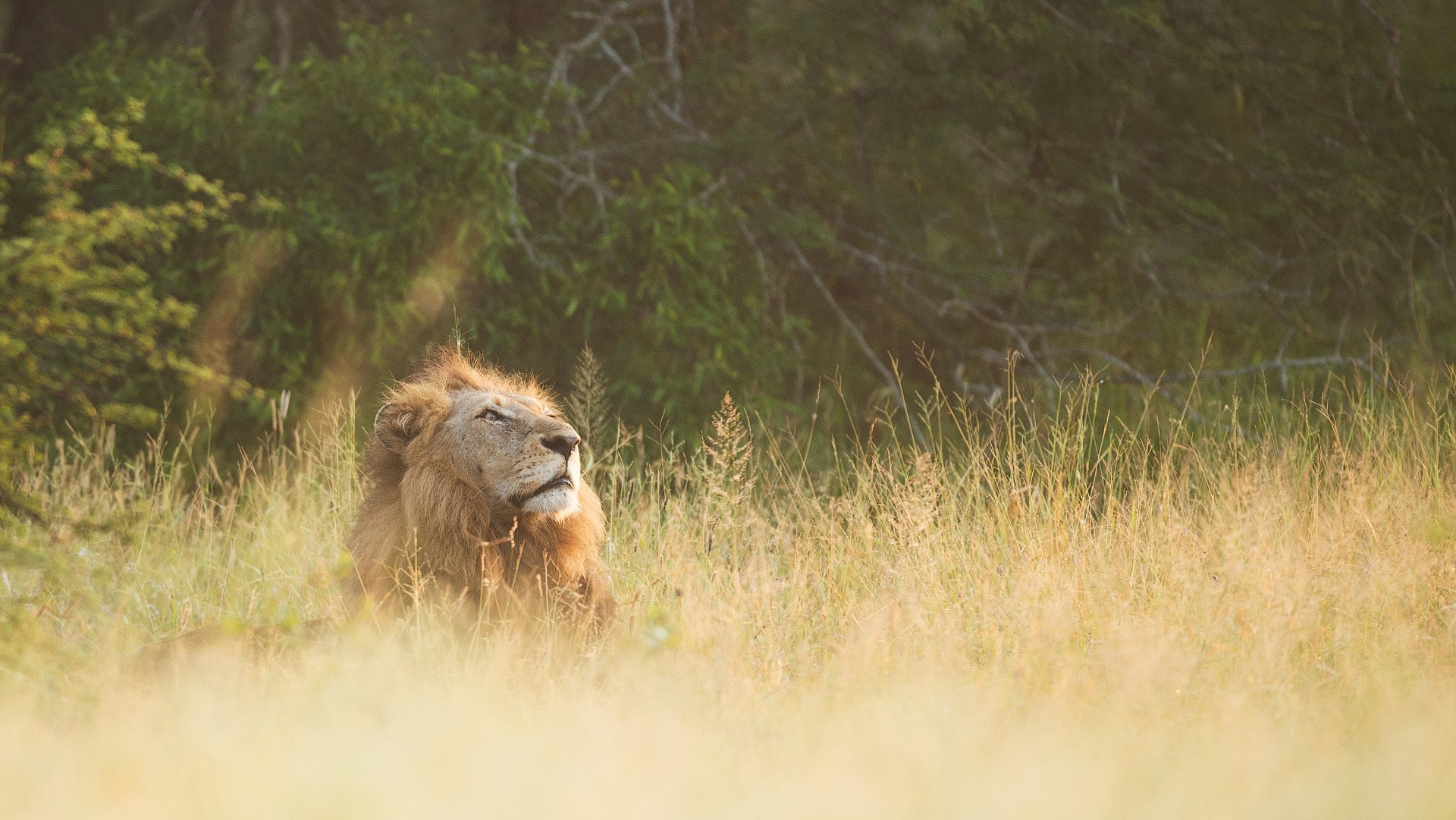
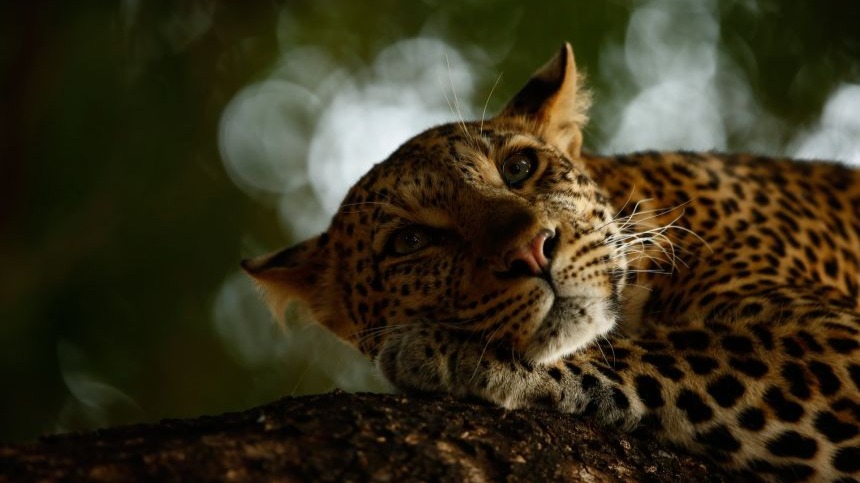
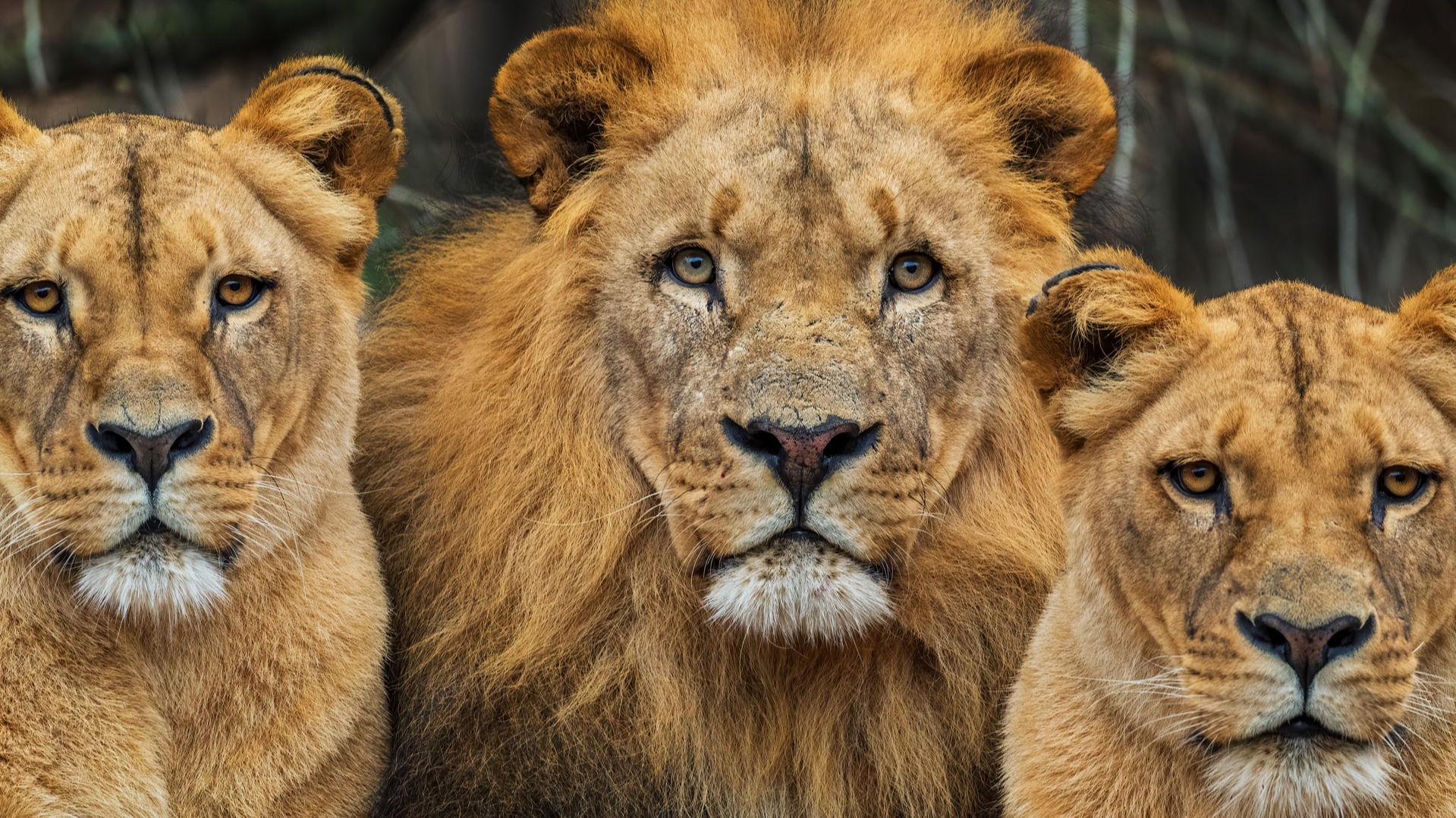
Drives typically last three to four hours, offering chances to track lions along the Chobe River Front, observe elephant herds in the Moremi Game Reserve, or follow the elusive leopard through dappled woodland. Knowledgeable guides share insights into animal behaviour, vegetation, and the delicate balance of the ecosystem, enriching the encounter far beyond simple observation.
What to Expect During Morning Activity
Guides adjust the pace based on sightings and guest energy levels. Stops for coffee breaks in scenic spots allow time to stretch legs safely while absorbing the surroundings. Photography enthusiasts benefit from the soft morning light, which creates striking contrasts against golden grasslands.
By 10am most vehicles return to the lodge, where a full breakfast or brunch awaits. Freshly baked breads, eggs cooked to order, and local specialities such as mopane worms or Botswana beef feature on the menu, often enjoyed on a shaded deck overlooking a lagoon or floodplain.

Those first golden hours after sunrise often deliver the most memorable encounters, when the bush feels entirely yours.
Midday Hours: Rest, Reflection, and Lodge Life
The heat of the day in Botswana, particularly from November to March when temperatures can reach 35°C, encourages a period of rest. Most lodges encourage guests to return to their accommodations after the morning meal. Private plunge pools, shaded reading nooks, or simply lying beneath a ceiling fan become welcome retreats.
This downtime forms an essential part of daily life in Botswana lodges. It allows both guests and the wildlife to recover energy. Many travellers use these hours to journal, review photographs, or simply listen to the hypnotic drone of insects and the occasional splash of hippos in nearby channels.
Staff remain discreetly available, offering cold drinks, laundry services, or assistance with camera equipment. High-end properties such as Duba Plains Camp provide private decks where guests can watch passing wildlife without leaving their room. The emphasis remains on personal space and quiet appreciation of the environment.
Activities Available During Siesta Hours
Some lodges organise optional low-impact activities during the middle of the day. These might include a gentle nature walk with an armed guide around the camp perimeter, a visit to a nearby community project, or a boat excursion on the Okavango waterways when water levels permit.
Wellness options are increasingly popular. Yoga sessions on raised platforms, in-room massages using indigenous oils, or simply a cooling dip in a pool provide rejuvenation before the afternoon programme begins. These elements ensure the safari experience remains balanced rather than exhausting.
Afternoon Game Drives and Sundowner Rituals
Around 4pm, the rhythm shifts once more. Guests gather for tea, coffee, and light snacks before heading out on the afternoon activity. Depending on the camp and season, this could be another game drive, a mokoro canoe trip through papyrus-lined channels, or a guided walking safari in areas such as the Khwai Community Area.
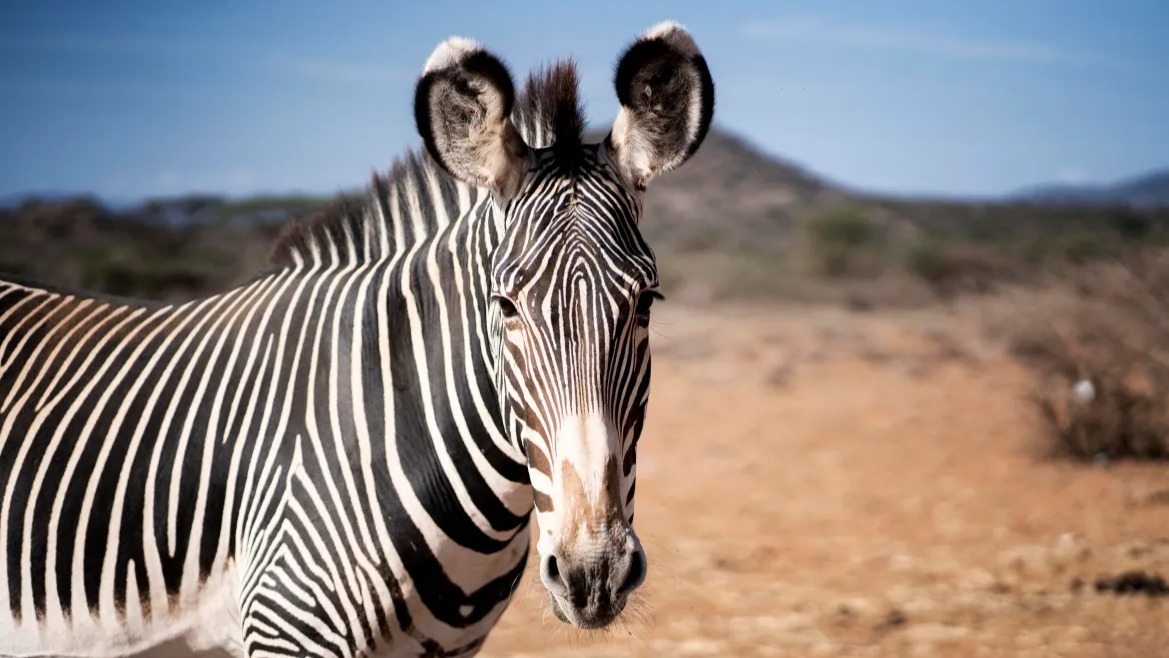
The light softens as the sun descends, painting the landscape in rich ochres and deepening shadows that reveal new details. Animals become active again: herds of zebra move across open plains, giraffes browse on upper branches, and nocturnal species begin to stir. Experienced trackers read the ground for fresh spoor, often leading to exciting encounters.
As daylight fades, vehicles pause at a scenic viewpoint for the traditional sundowner. A table appears with drinks, snacks, and sometimes a small fire. Watching the sky turn from orange to deep indigo while listening to the first night sounds creates one of the most evocative moments of any Botswana safari. Guides share stories, answer questions, and ensure everyone feels safe in the gathering darkness.
A Botswana sundowner is more than a drink at dusk; it is a pause that lets the vastness of the landscape settle into your bones.
Evening at the Lodge: Fireside Dining and Conversation
Returning to camp after dark, guests are often greeted by the warm glow of lanterns and a crackling fire in the central boma. Staff welcome everyone back with hot towels and refreshing drinks. This is the time when the social heart of the lodge comes alive through shared stories of the day's sightings.
Dinner is typically served between 7:30pm and 8:30pm. In many camps it takes place under the stars or in an open-air dining area. Menus blend international standards with local flavours: perhaps grilled bream from the Delta, tender game meats, or hearty vegetable stews accompanied by pap. Dietary requirements are handled with care and advance notice.
After dinner, many guests linger around the fire with a nightcap, listening to the sounds of hyenas whooping or lions calling in the distance. Guides often join for a portion of the evening, deepening the connection between visitors and the people who know the bush intimately. Bedtime usually arrives by 10pm, with hot water bottles placed in beds during cooler months.
Understanding Camp Etiquette After Dark
Guests are escorted to and from their rooms or tents after nightfall by staff carrying powerful torches. This practice ensures safety from curious wildlife that may wander through camp. Maintaining quiet after 10pm respects both fellow guests and the natural soundscape of the wilderness.
Many lodges operate on solar power or careful generator use, so charging devices during the day and limiting late-night electricity consumption supports their low-impact ethos. Small gestures like these help preserve the very environment travellers have come to experience.
Practical Safari Tips for Making the Most of Each Day
Understanding the daily structure of life in Botswana lodges allows travellers to prepare effectively and embrace the experience fully. Packing neutral-coloured clothing in khaki, olive, and beige helps guests blend into the environment. Layering is essential, as temperatures can swing dramatically between the chill of dawn and the warmth of midday.
Binoculars, a good camera with spare batteries, and a lightweight daypack prove invaluable. Most lodges provide insect repellent, but bringing a favourite brand ensures personal comfort. A wide-brimmed hat, sunscreen, and reusable water bottle are daily essentials that support both personal wellbeing and reduced plastic use.
Flexibility remains key. Weather, animal movements, and group dynamics can shift plans, yet guides work to ensure every day delivers meaningful encounters. Travellers who approach the experience with openness and respect for local customs often find their journeys enriched immeasurably.
Common Questions About Daily Life in Botswana Safari Lodges
What time do activities start? Most lodges begin with a wake-up call between 5am and 6am, with morning drives departing shortly after first light. Afternoon activities usually start between 3:30pm and 4:30pm depending on the season.
How much walking is involved? Game drives form the core activity, but many camps offer optional walking safaris of one to three hours. Fitness levels are discussed in advance to match activities appropriately.
Are children welcome? Many Botswana lodges cater specifically for families, with dedicated child-friendly programmes beginning from age six or eight, depending on the property. Family suites and private vehicles are often available.
What should I wear for evening meals? Smart casual attire is standard. Lightweight long trousers and long-sleeved shirts provide comfort and protection from insects while maintaining a relaxed elegance around the dinner table.
Choosing the Right Lodge to Match Your Pace
Botswana offers a range of accommodation styles, from intimate tented camps with six rooms to larger yet still exclusive lodges. Properties such as Chobe Game Lodge provide a more structured experience with extensive facilities, while smaller operations in private concessions emphasise personalised attention and access to less-visited areas.
Selecting a camp whose daily rhythm aligns with your preferences makes a significant difference. Those seeking maximum wildlife sightings might prefer locations near permanent water sources during the dry season from May to October. Travellers wanting cultural interaction may choose community-owned lodges that directly support local villages.
Encounters Africa works closely with a carefully chosen selection of these properties, ensuring each recommendation matches both the landscape and the traveller's desired experience. Our specialists understand how the subtle differences in daily schedules across camps can transform a good safari into an exceptional one.

Embracing the Rhythm of the Botswana Bush
A day spent inside Botswana's premier safari lodges follows nature's own tempo rather than the clock. From the quiet anticipation of dawn drives to the reflective peace of midday, through the golden light of afternoon excursions and the warm camaraderie of fireside evenings, each phase offers its own rewards. These carefully balanced days allow travellers to witness the Delta's extraordinary wildlife while feeling completely at home in the wild.
The practical rhythms described here have evolved over decades of guiding and hosting visitors. They reflect deep knowledge of both the environment and the needs of those who come to experience it. Whether watching a herd of buffalo crossing a floodplain or sharing stories beneath a star-filled sky, the memories formed during these days remain with guests long after they return home.
For discerning travellers seeking a private safari beyond our set itineraries, we invite you to contact us directly. We specialise in designing exceptional, tailor-made journeys for individuals, couples, families, and private groups of up to eight guests. Drawing on our handpicked network of distinguished camps and lodges, we curate every detail with precision and care, creating a seamless, deeply personal safari experience shaped entirely around your preferences, pace, and budget.
Explore our range of Botswana safari itineraries or discover more about daily rhythms in our article on settling into African game lodge life. To begin planning your own journey into the heart of Botswana, please visit our enquiry form and let Encounters Africa craft an experience that will resonate with you for years to come.
More like this
Tips & Advice
What Actually Happens Inside a Luxury African Lodge on Any Given Day
Tips & Advice
What Actually Happens When You Approach a Lion Pride at First Light
Tips & Advice
What Changes When You Tour Uganda With Local Knowledge Instead of Guidebooks
Tips & Advice
What First-Time Visitors Learn the Hard Way About South African Safaris
Tips & Advice
What First-Timers Rarely Expect When Touring Botswana’s Remote Landscapes
Tips & Advice