Tips & Advice
What Actually Happens When You Approach a Lion Pride at First Light
Encounters Africa - 9 min read
Updated on 25 June 2026
When you first approach a lion pride at first light in one of South Africa's premier reserves, the encounter unfolds with a precision born of preparation and respect. South African game reserves draw travellers seeking authentic wildlife immersion, where every dawn game drive carries the potential for profound connection with Africa's iconic predators. This article offers practical tips and advice for South African game viewing, revealing how thoughtful choices transform routine safaris into responsible, unforgettable experiences.
A routine morning in a South African reserve can shift instantly when a pride stirs. This piece breaks down how preparation, timing, and guide cues turn potential sightings into immersive, responsible wildlife experiences.
Understanding the Landscape of South African Game Reserves
South Africa's protected areas span diverse ecosystems, from the vast thornveld of Kruger National Park to the intimate private concessions of the Sabi Sand. These landscapes support one of the highest concentrations of large mammals on the continent, with over 500 bird species and the Big Five thriving across more than two million hectares in the greater Kruger region alone. Travellers who grasp these variations arrive better equipped to appreciate subtle differences in animal behaviour and habitat.
Private reserves adjacent to Kruger often allow off-road driving, enabling closer approaches while maintaining strict ethical guidelines. In contrast, national park roads follow fixed routes, demanding greater patience from visitors. Recognising these distinctions forms the foundation for meaningful game viewing across South African game reserves.
The quiet before sunrise holds more than anticipation; it carries the weight of generations of predators moving through landscapes shaped by both nature and careful conservation.
Key Differences Between National Parks and Private Concessions
National parks like Kruger welcome self-drivers alongside guided vehicles, creating a shared experience that requires awareness of other visitors. Private reserves, however, limit vehicle numbers per sighting, often to just two or three, preserving the intimacy that many discerning travellers seek. This structure supports deeper interpretation from highly trained guides who hold qualifications recognised by the Field Guides Association of Southern Africa.
Seasonal access also varies significantly. Many private lodges operate year-round, while certain national park sections may limit activities during peak summer rains from November to March. Understanding these operational rhythms helps shape realistic expectations before arrival.

Preparation Before Your South African Safari
Successful wildlife encounters begin long before wheels touch the runway at Hoedspruit or Kruger Mpumalanga International Airport. Packing neutral-coloured clothing in khaki, olive, and beige reduces visual disturbance, while avoiding strong perfumes prevents alerting sensitive noses. A quality pair of binoculars with 8x or 10x magnification proves essential for observing distant herds or the intricate details of a lion's whisker patterns at closer range.
Health preparations matter equally. Malaria risk exists in northern provinces between September and May, making prophylaxis and protective clothing vital considerations. Consult your doctor at least six weeks before departure, as some medications require time to build effectiveness. Current statistics from the South African National Department of Health indicate roughly 10,000 imported malaria cases annually, underscoring the importance of prevention.
Preparation transforms good intentions into genuine respect for the wild spaces we are privileged to enter.
Choosing the Right Lodge for Your Interests
Selection of accommodation significantly influences your experience. Properties like Malewane Lodge in the Thornybush Private Nature Reserve offer exceptional guiding and luxurious tented suites, while Kariega Private Game Reserve in the Eastern Cape provides malaria-free viewing with strong rhino conservation programmes. Researching each reserve's specific conservation focus helps align your journey with causes that matter to you.
For those seeking tailored South African safaris, Encounters Africa maintains relationships with over thirty distinguished camps, enabling precise matching of properties to individual preferences and budgets.
What Actually Happens When You Approach a Lion Pride at First Light
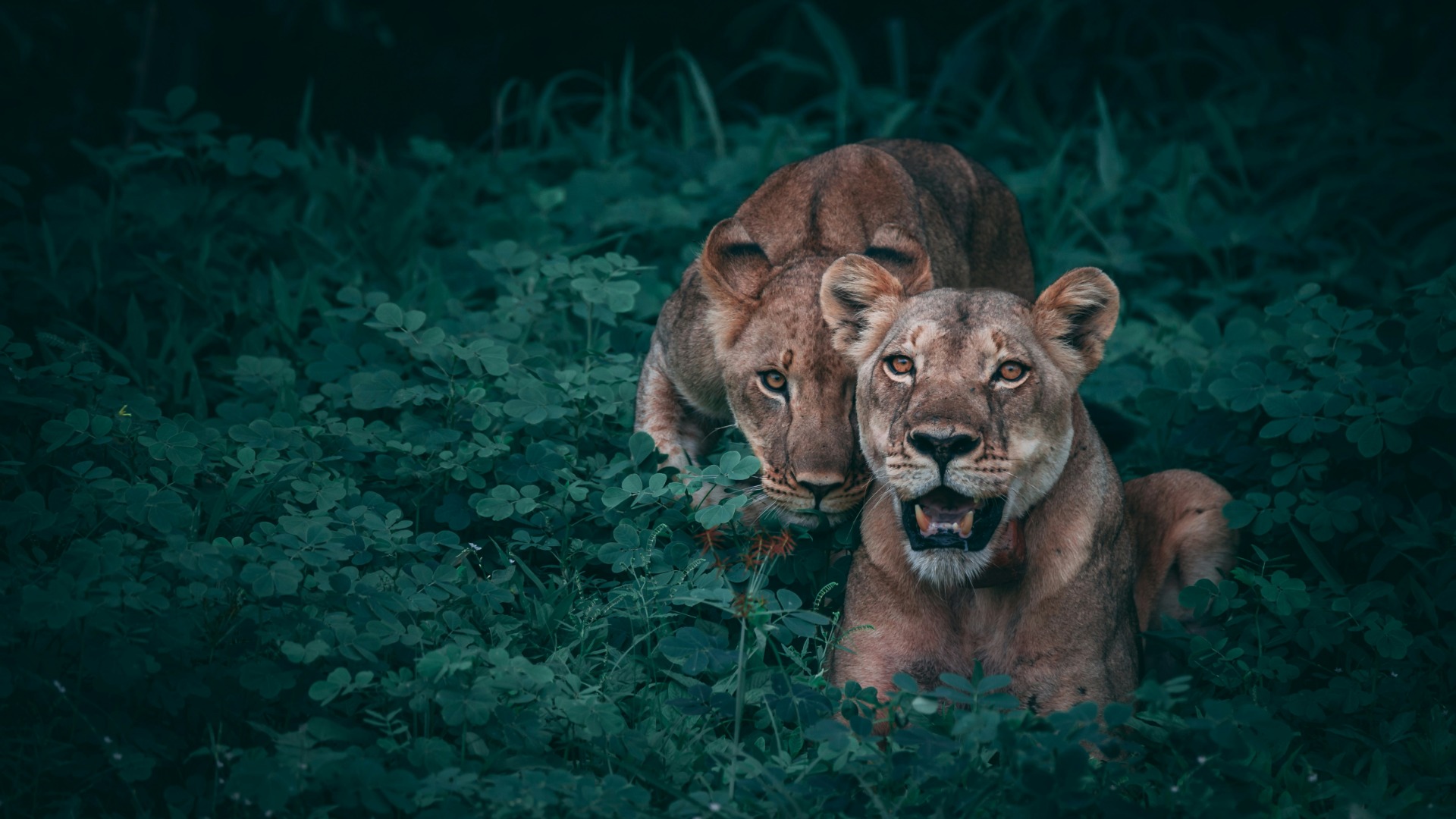
The moment begins with silence. Your guide cuts the engine some thirty metres from a resting pride, allowing the vehicle's presence to blend into the landscape. Lions, having hunted through the night, often display relaxed postures with half-closed eyes and twitching tails, yet their apparent calm masks constant environmental awareness. At first light, their tawny coats catch the rising sun, creating a scene of almost theatrical beauty against the dew-laden grass.
Guides follow strict protocols established by regional wildlife authorities. Vehicles approach at oblique angles rather than directly, minimising the impression of confrontation. Radio communication between guides prevents overcrowding, with a maximum of three vehicles typically permitted at any big cat sighting in private reserves. These measures protect both the animals' natural behaviour and the quality of observation for all present.
Within the vehicle, movement is kept to an absolute minimum. Sudden gestures or standing up can alter the lions' perception of the vehicle as a neutral object. Guides often position the car so the wind carries your scent away from the pride, further reducing disturbance. The experience becomes less about capturing images and more about absorbing the quiet power of these apex predators in their element.
Reading Subtle Signals from Your Guide
Experienced rangers communicate through hand signals and soft whispers, indicating when to raise binoculars or when a particular lion's posture suggests growing alertness. A slight flattening of ears or direct stare may signal increasing tension, prompting the guide to ease the vehicle back gradually. These nuanced interpretations stem from thousands of hours spent observing the same individual animals over years.
Many guides in premier South African game reserves can identify individual lions by their whisker spot patterns, which function like human fingerprints. This knowledge allows them to share stories of specific prides' histories, territories, and recent hunts, enriching the encounter beyond mere visual spectacle.
Approaching wild lions at dawn is not about conquest but about earning a momentary place in their world through patience and quiet reverence.
Essential Tips and Advice for South African Game Viewing
Timing profoundly affects sighting quality. The golden hours immediately after sunrise and before sunset reveal peak animal activity across most reserves. During these periods, temperatures remain comfortable and light conditions favour both observation and photography. Midday drives, while still valuable, typically yield fewer dramatic encounters as many species seek shade.
Adhering to the principle of silence enhances every drive. Mobile phones should remain switched off, and conversations kept to necessary whispers. This collective restraint allows the bush to reveal its natural soundscape, from the distant whoop of hyenas to the alarm calls of francolins that often signal nearby predators.
Camera Settings and Ethical Photography
Modern smartphones can capture remarkable images, yet dedicated cameras with telephoto lenses of at least 200mm prove advantageous for wildlife. Practise adjusting ISO settings for early morning light before departure, as hesitation at crucial moments can mean missed opportunities. Remember that flash photography is strictly prohibited in all South African game reserves after dark, both for the animals' wellbeing and your own safety.
Ethical photography extends beyond technical considerations. Avoid calling out to animals or using sounds to attract their attention. The goal remains documenting natural behaviour rather than engineering moments for social media.

Seasonal Considerations and What to Expect
Wildlife viewing in South Africa varies dramatically between the dry winter months from May to September and the lush summer period. During the dry season, animals concentrate around limited water sources, making sightings more predictable though the landscape appears stark. Summer brings vibrant green growth and newborn animals, balanced by higher temperatures and occasional afternoon thunderstorms that may interrupt afternoon drives.
The best time to visit many South African game reserves depends on priorities. Bird enthusiasts often prefer the wetter months when migrants arrive, while photographers seeking dramatic light and concentrated game frequently choose the drier winter period. Average winter daytime temperatures hover around 22°C, rising to 30°C or more in summer.
Conservation Context and Responsible Travel
South Africa's conservation landscape faces ongoing challenges, including habitat fragmentation and human-wildlife conflict. Many private reserves contribute significant funding to anti-poaching initiatives and community development projects. By choosing responsible operators, travellers directly support these efforts. The rhino population in South Africa, which hosts approximately 80 percent of Africa's remaining white rhinos, depends heavily on such collaborative conservation models.
Understanding the broader picture transforms a simple game drive into participation in a living conservation story. Knowledgeable guides frequently share updates on current projects, from collaring programmes to habitat restoration, offering context that deepens appreciation for every sighting.
Common Questions About Visiting South African Game Reserves
What should I wear on game drives? Layered, neutral-coloured clothing is recommended. Early mornings can be surprisingly cold even in summer, with temperatures dropping to 5°C in winter. A lightweight waterproof jacket proves useful for unexpected showers, while closed shoes provide protection against both terrain and potential insects.
How close do vehicles get to dangerous animals? Distances vary by reserve and specific circumstances, but professional guides generally maintain 15-25 metres from lions, leopards and elephants unless the terrain or animal behaviour dictates otherwise. Safety protocols remain paramount, with engines ready for swift departure if needed.
Is self-driving advisable in South African game reserves? Self-driving works well in Kruger National Park for confident visitors with good navigation skills and wildlife knowledge. However, private reserves almost exclusively offer guided experiences, which typically yield richer interpretation and access to exclusive areas. A combination of both approaches often provides the most comprehensive experience.
True understanding of the African bush comes not from checklists of animals seen but from the moments when you feel the landscape breathing around you.
Crafting Your Own South African Wildlife Journey
Whether your interests lie in big cat behaviour, bird identification, or photographic excellence, South African game reserves offer layered experiences that reward careful planning and open-mindedness. The combination of ancient landscapes, dedicated conservationists, and carefully managed tourism creates opportunities for genuine connection with wild Africa that few other destinations can match.
Encounters Africa has spent years developing relationships with the finest operators across the region. Our team understands the nuances that distinguish exceptional safaris from merely adequate ones. For discerning travellers seeking a private safari beyond our set itineraries, we invite you to contact us directly. We specialise in designing exceptional, tailor-made journeys for individuals, couples, families, and private groups of up to eight guests. Drawing on our handpicked network of distinguished camps and lodges, we curate every detail with precision and care, creating a seamless, deeply personal safari experience shaped entirely around your preferences, pace, and budget.
Begin your planning by exploring our dedicated South Africa safari collection or learning more about Sabi Sands experiences. The lions will still be there at first light, waiting for those who approach with knowledge, respect, and genuine curiosity.
More like this
Tips & Advice
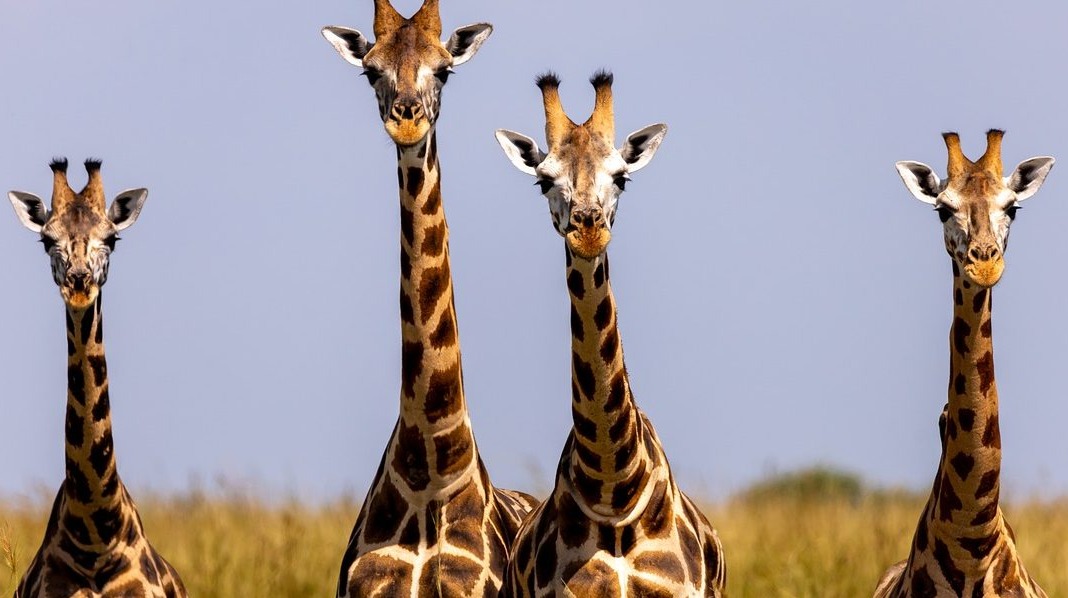
What Changes When You Tour Uganda With Local Knowledge Instead of Guidebooks
Tips & Advice
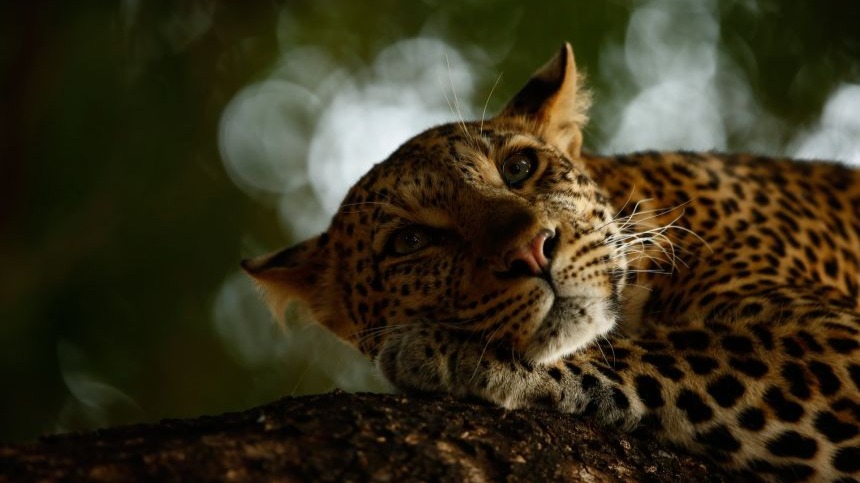
What First-Time Visitors Learn the Hard Way About South African Safaris
Tips & Advice
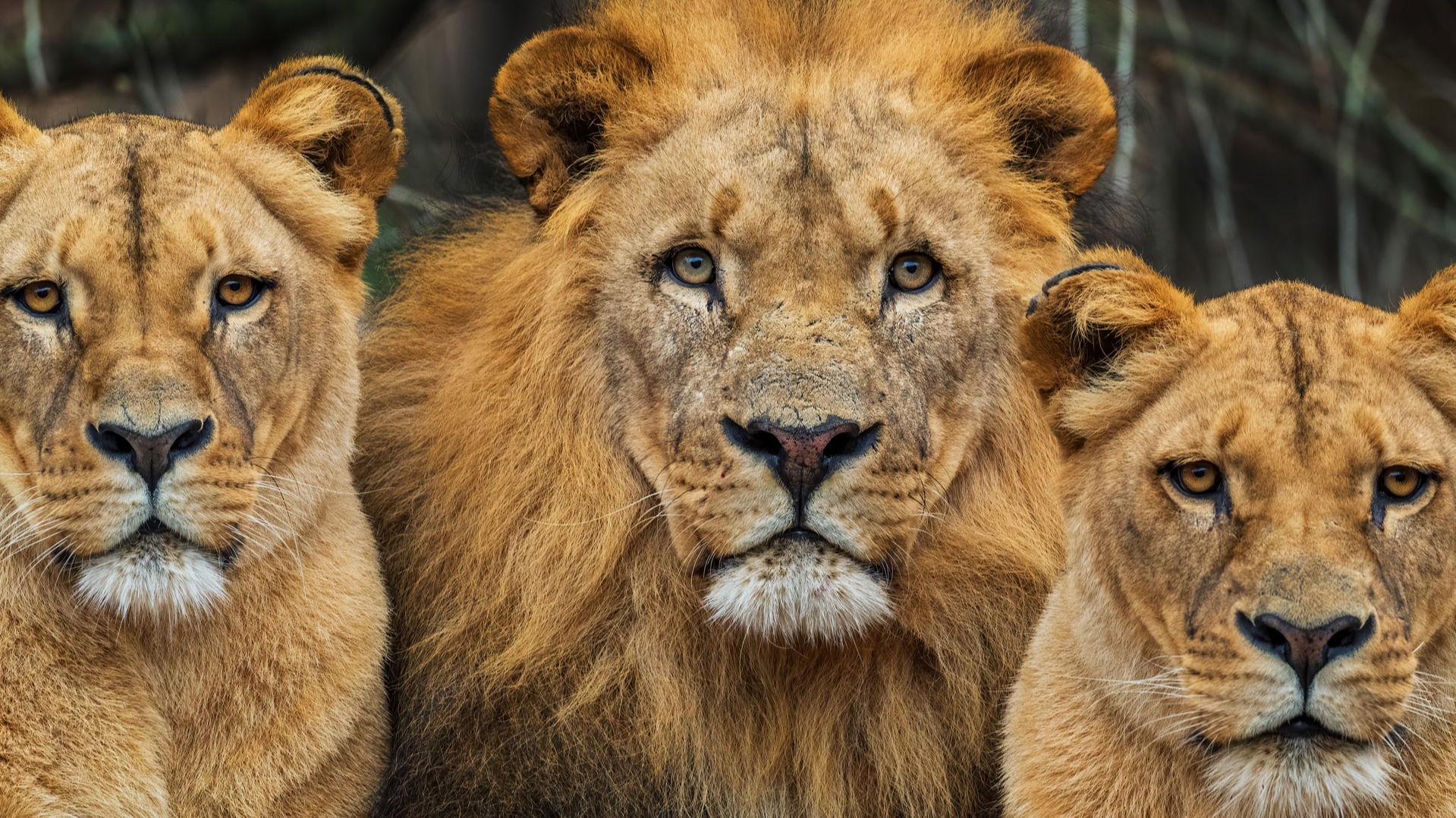
What First-Timers Rarely Expect When Touring Botswana’s Remote Landscapes
Tips & Advice
What I Wish I Had Known Before My First Journey Across Kenya
Tips & Advice
What I Wish I Had Known Before Stepping onto Ugandan Soil
Tips & Advice