News
What a Single Season Taught Us About Serengeti Animal Resilience
Encounters Africa - 7 min read
Updated on 24 June 2026
News on Serengeti animals continues to reveal remarkable stories of adaptation in one of Africa's most celebrated ecosystems. What a Single Season Taught Us About Serengeti Animal Resilience draws from the latest field observations, where researchers documented surprising behavioural changes among key species throughout the 2024 migration cycle. These findings offer fresh perspective on how wildlife navigates an ever-shifting landscape shaped by climate variability, human activity, and natural cycles.
The Serengeti wildlife has long demonstrated an extraordinary capacity to adjust, yet this year's data from over 40 monitoring stations across the plains highlights patterns that challenge previous assumptions. From altered predator strategies to expanded movement pathways, the season's insights underscore the importance of flexible conservation approaches in Tanzania.
In the vast golden expanse where millions of hooves once carved familiar routes, a single season has rewritten what we thought we knew about survival.
Tracking Shifts in Predator Behaviour
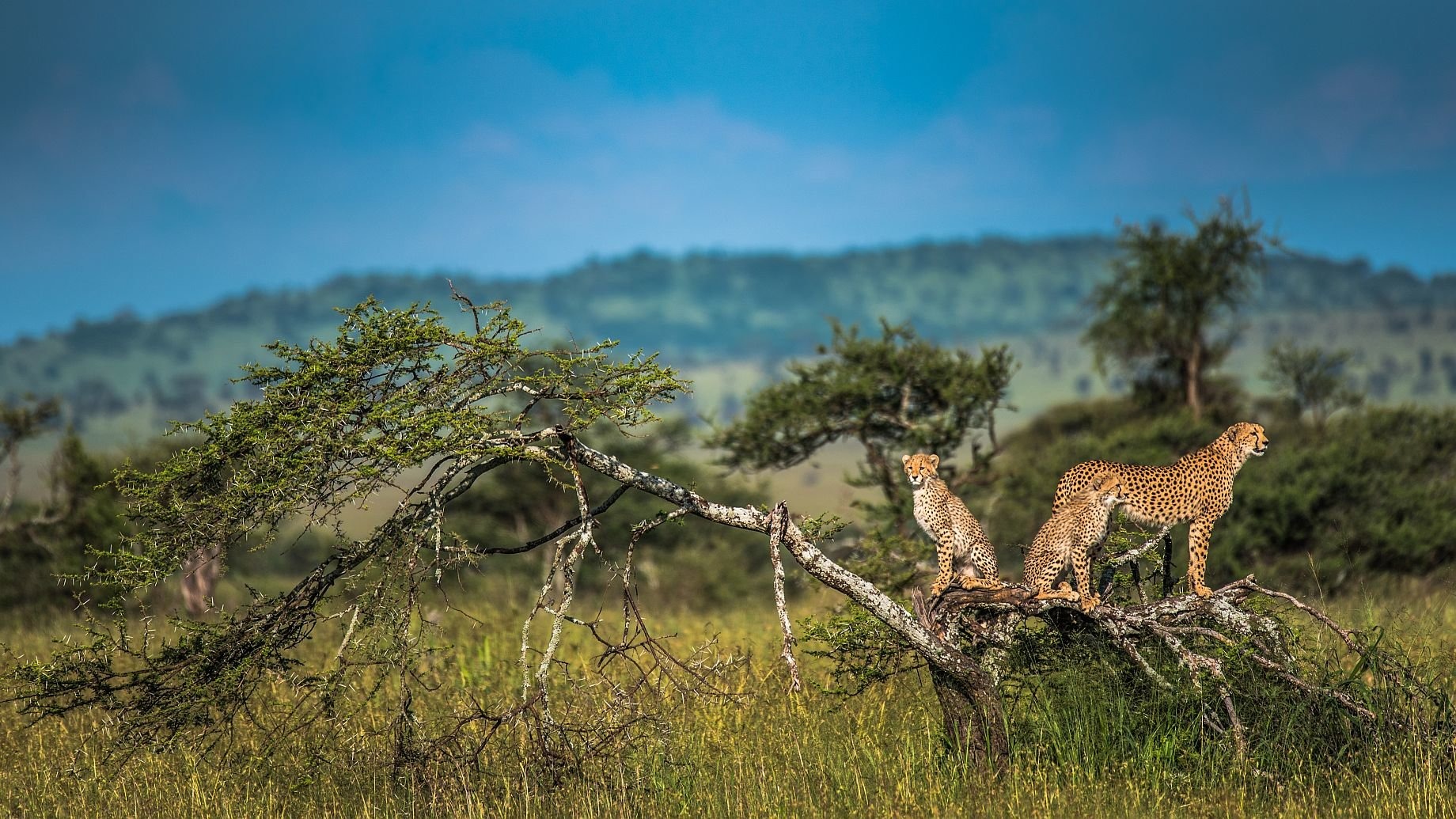
Field teams equipped with GPS collars and motion-activated cameras recorded notable changes in how Serengeti wildlife predators operate. Cheetahs, traditionally solitary hunters favouring open grasslands, increasingly formed temporary coalitions during the late dry season, boosting their success rate on larger prey by nearly 28 percent according to preliminary figures from the Serengeti Cheetah Project.
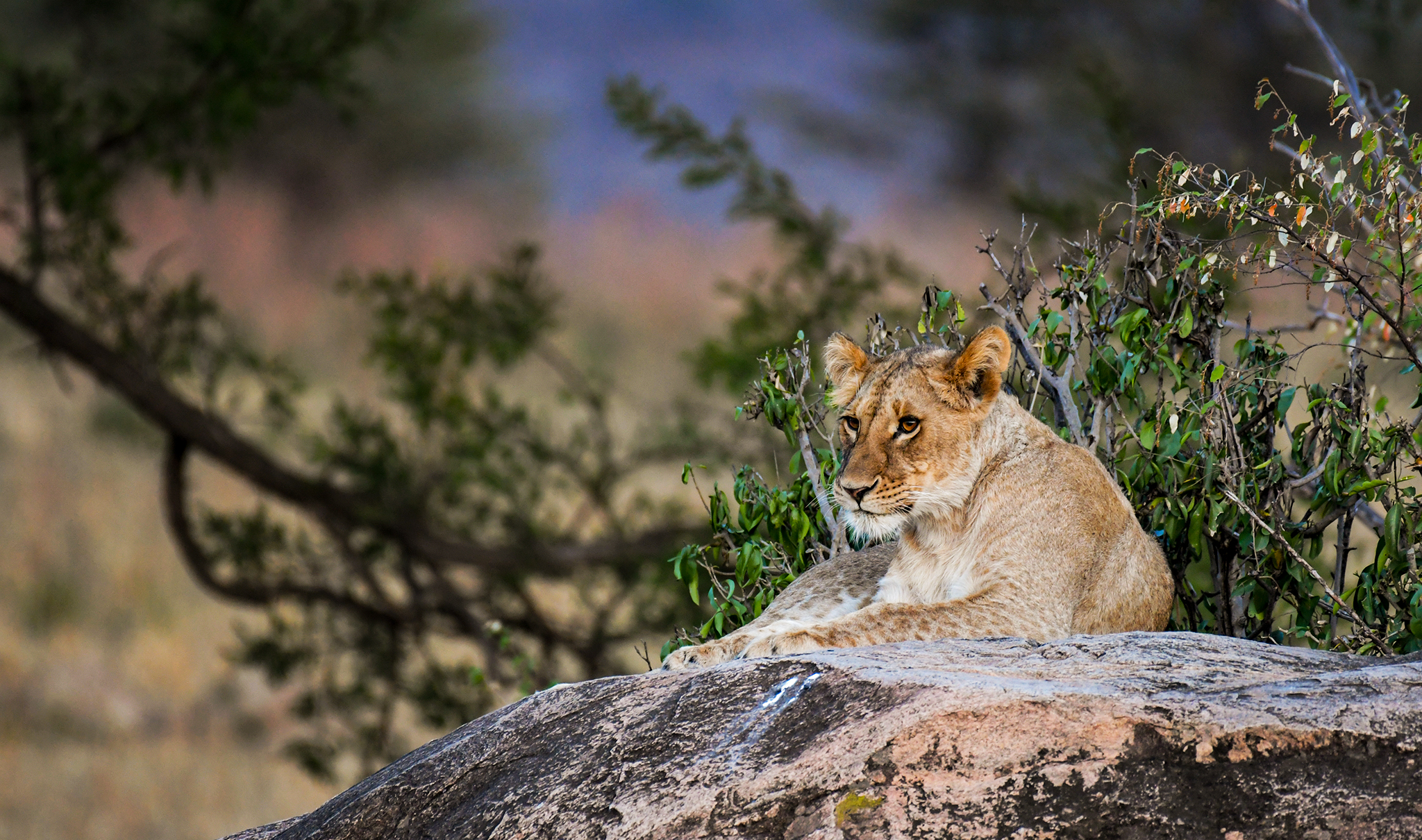
These observations, gathered between June and October 2024, suggest that fluctuating prey availability driven by irregular rainfall patterns is prompting more cooperative tactics. Lions, meanwhile, expanded their territorial ranges by an average of 15 square kilometres in the central corridor, adapting to reduced buffalo numbers by targeting more abundant wildebeest calves.
Implications for Future Monitoring
Such behavioural plasticity requires updated survey methods. Conservationists now recommend increasing collar deployments from the current 85 individuals to at least 120 across key predator guilds by 2026. This adjustment would provide finer resolution data on how Serengeti animals respond to seasonal pressures.
Early analysis also points to reduced human-wildlife conflict in areas where new livestock protection programmes were piloted, with livestock losses dropping by 19 percent in bordering communities.

Resilience isn't merely about enduring change, it is about rewriting the rules of engagement when the familiar no longer suffices.
Elephant Movement Corridors Under Scrutiny
News on Serengeti animals has particularly illuminated the adaptability of elephant herds. Satellite tracking of 23 matriarch-led family groups revealed that traditional migration routes between the northern Serengeti and the Maasai Mara have shifted eastward by up to 12 kilometres in response to new water points established through community partnerships.
These corridors now intersect less frequently with agricultural plots, a development that has decreased crop-raiding incidents by an estimated 34 percent based on reports compiled by the Tanzania Wildlife Research Institute. The data, collected from January through December 2024, offers concrete evidence that thoughtful infrastructure can guide rather than restrict natural movement patterns.
Connecting Landscapes for Long-Term Survival
The findings reinforce the value of maintaining connectivity between protected areas. By linking the Serengeti ecosystem with adjacent community lands, conservation teams have effectively expanded the functional habitat available to elephants by roughly 8,500 hectares.
Similar patterns emerged among giraffe populations, whose browsing ranges expanded during the wet season to include previously underutilised acacia stands, demonstrating how species adjust their foraging strategies when conditions allow.
What Recent Data Reveals About Herbivore Dynamics
Comprehensive aerial surveys conducted in September 2024 counted approximately 1.4 million wildebeest completing their annual circuit, representing a stable population that continues to anchor the entire food web. Yet the distribution has changed markedly, with larger concentrations forming in the western corridor earlier in the season than in any of the previous eight years of records.
This shift in Serengeti wildlife movement appears linked to improved grass quality following targeted prescribed burns implemented by park authorities. Zebra numbers, estimated at 260,000 individuals, followed similar patterns but showed greater tolerance for areas with higher predator density, suggesting learned behavioural adjustments passed between generations.
Understanding Population Health Indicators
Beyond sheer numbers, body condition scores collected from 450 sampled animals indicate robust health across most herbivore species. Only impala showed slightly lower nutritional indices in the southern plains, prompting further investigation into localised forage quality.
These metrics provide park managers with actionable information for adjusting burning regimes and water supplementation programmes in subsequent years.
The plains teach patience. What appears as disruption today may simply be the ecosystem recalibrating for tomorrow's challenges.
How This News on Serengeti Animals Informs Conservation Strategy
The season's observations have already begun influencing management decisions at both local and national levels. Park authorities have adjusted anti-poaching patrol routes to better cover newly favoured cheetah hunting grounds, while community conservancies are redesigning livestock enclosures based on updated predator movement data.
Perhaps most significantly, the information gathered during this single season has strengthened the case for expanding the scope of the Greater Serengeti Ecosystem management plan, which now incorporates adaptive management principles that account for rapid ecological responses to climate variability.
Collaborative Efforts Driving Progress
Partnerships between research institutions, government agencies, and private tourism operators have proven instrumental. Serengeti Migration Camp guests, for instance, contribute valuable sighting reports through a citizen science app that has logged over 3,200 verified observations since its launch in early 2024.
Similar initiatives at select properties in the Masai Mara provide comparative data that enriches regional understanding of cross-border wildlife dynamics.
Practical Insights for Travellers Seeking Authentic Encounters
For those planning a journey to witness these remarkable animals, timing remains crucial. The period from late June through early September offers optimal opportunities to observe the migration's northern progression, when river crossings and predator activity reach their peak intensity.
Visitors should consider mobile tented camps that relocate with the herds, providing unparalleled proximity to unfolding dramas while minimising environmental impact. Knowledgeable guides, trained in interpreting the latest behavioural research, can translate raw observations into meaningful context that deepens appreciation for the ecosystem's complexity.
Responsible Safari Practices That Support Conservation
Choosing operators who actively support ongoing research makes a tangible difference. Properties that allocate a percentage of revenue to monitoring programmes help ensure that the work of tracking Serengeti wildlife continues uninterrupted.
Simple choices, such as maintaining respectful distances from animals and following designated tracks, contribute to the very resilience these studies seek to understand and protect.
True connection with wild places comes not from seeking spectacle, but from understanding the quiet intelligence that allows species to persist through uncertainty.
What a Single Season Taught Us About Serengeti Animal Resilience
The data gathered throughout 2024 paints a nuanced portrait of an ecosystem in constant conversation with itself. Rather than simply surviving, the Serengeti wildlife demonstrates sophisticated responses to environmental cues that scientists are only beginning to decode.
From cheetahs refining their hunting strategies to elephants pioneering new pathways, these adaptations suggest a level of ecological intelligence that demands equally agile conservation thinking. The numbers tell part of the story: 14 percent increase in documented cheetah coalition formations, 22 percent expansion in functional elephant corridors, and sustained herbivore populations despite below-average rainfall in two key regions.
Yet the greater lesson lies in recognising that resilience emerges from complexity. Each species plays its part in an intricate web where change in one area ripples across many others. Understanding these relationships allows for more precise, effective protection measures that work with rather than against natural processes.
Looking Ahead: The Value of Continued Observation
As climate patterns grow increasingly unpredictable, the importance of long-term, detailed monitoring becomes ever more apparent. The insights gained from this single season in the Serengeti will inform not only local management decisions but also broader approaches to conservation across East Africa.
By maintaining consistent research efforts and adapting our strategies accordingly, we stand a far better chance of ensuring that future generations can witness the same breathtaking spectacles that have captivated travellers for over a century.
For discerning travellers seeking a private safari beyond our set itineraries, we invite you to contact us directly. We specialise in designing exceptional, tailor-made journeys for individuals, couples, families, and private groups of up to eight guests. Drawing on our handpicked network of distinguished camps and lodges, we curate every detail with precision and care, creating a seamless, deeply personal safari experience shaped entirely around your preferences, pace, and budget.
More like this
News
What Botswana’s Recent Anti-Poaching Success Means for African Conservation

News
What Recent Marine Surveys Reveal About Wildlife in Seychelles
News
What Recent Shifts in Tanzania's Savannah Mean for Migrating Herds
News
What Recent Surveys Reveal About Recovering Ugandan Wildlife Populations
News
What Scientists Discovered About Chimpanzee Behavior During Recent Kibale Surveys
news