News
Uganda Strengthens Gorilla Protection Through Community Partnerships
Encounters Africa - 10 min read
Updated on 22 July 2026
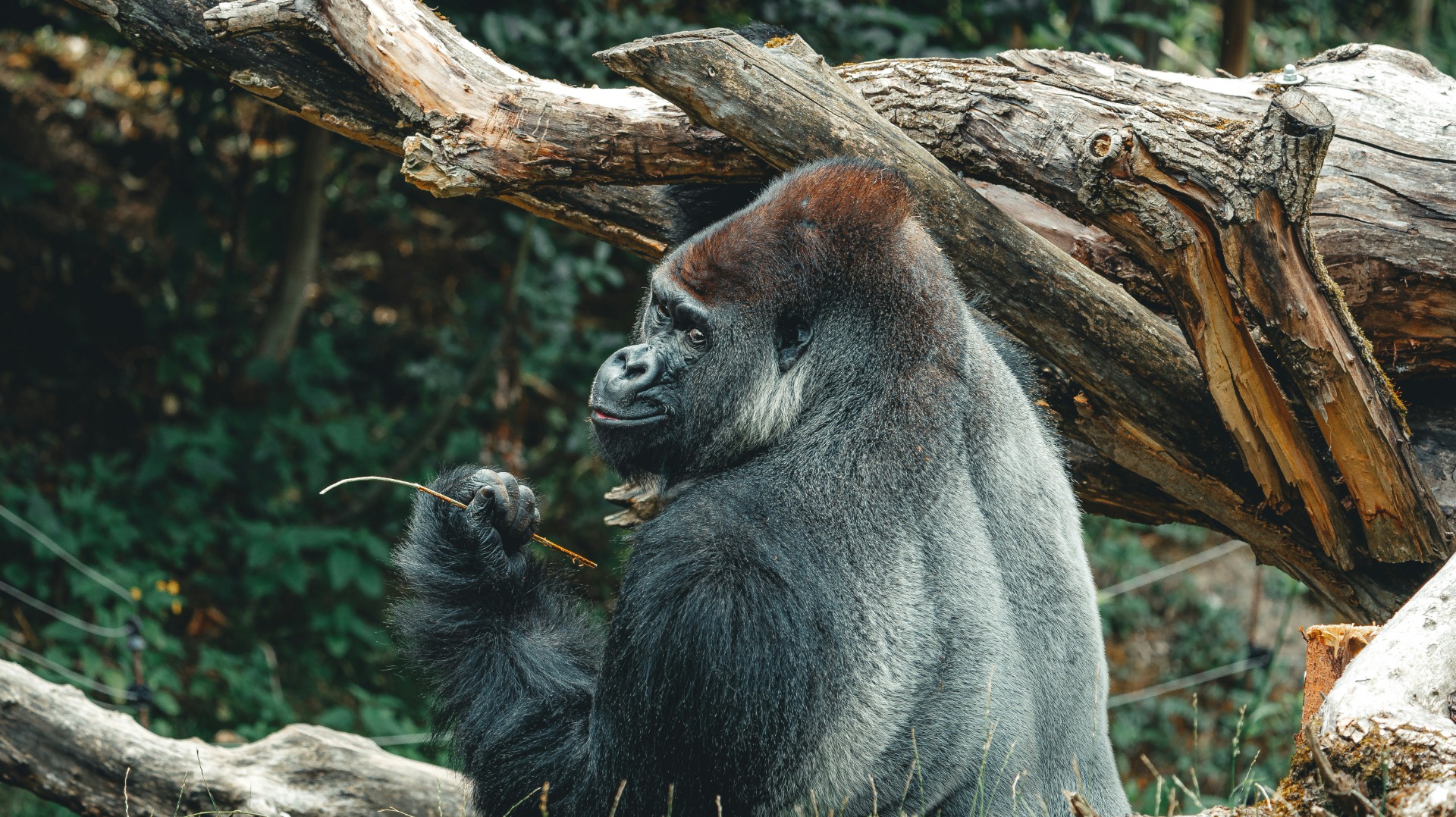
Uganda strengthens gorilla protection through community partnerships, marking a significant shift in how conservation is approached in the misty highlands of Bwindi Impenetrable National Park and Mgahinga Gorilla National Park. Recent initiatives have seen ranger patrols expanded by over 40 percent since 2022, while local Batwa communities are increasingly integrated into habitat monitoring and snare removal programmes. These efforts have delivered measurable gains, including a 35 percent reduction in illegal snares recovered in Bwindi during 2023 and improved genetic connectivity between gorilla groups.
At the heart of these developments lies a recognition that long-term success depends on aligning the needs of people and primates. Encounters Africa has followed these programmes closely, witnessing how thoughtful collaboration between government agencies, NGOs, and indigenous groups is reshaping the future for one of Africa's most endangered species. The mountain gorilla population now stands at approximately 1,063 individuals across the Virunga massif and Bwindi, according to the 2023 census, offering cautious optimism amid ongoing threats.
The Current State of Uganda's Mountain Gorillas
Mountain gorillas remain critically dependent on the high-altitude forests straddling the borders of Uganda, Rwanda and the Democratic Republic of Congo. In Uganda, the majority reside within Bwindi Impenetrable National Park, a UNESCO World Heritage Site covering 331 square kilometres of rugged terrain. A smaller population inhabits Mgahinga Gorilla National Park, where the Virunga volcanoes create dramatic backdrops for these gentle giants.
The 2023 Great Ape Survey revealed encouraging population growth, with Bwindi's gorilla numbers increasing from 400 in 2011 to 459 individuals. This represents an annual growth rate of about 2.5 percent, achieved despite pressures from habitat fragmentation and human-wildlife conflict. Yet challenges persist, particularly in areas where agricultural expansion meets the park boundaries.
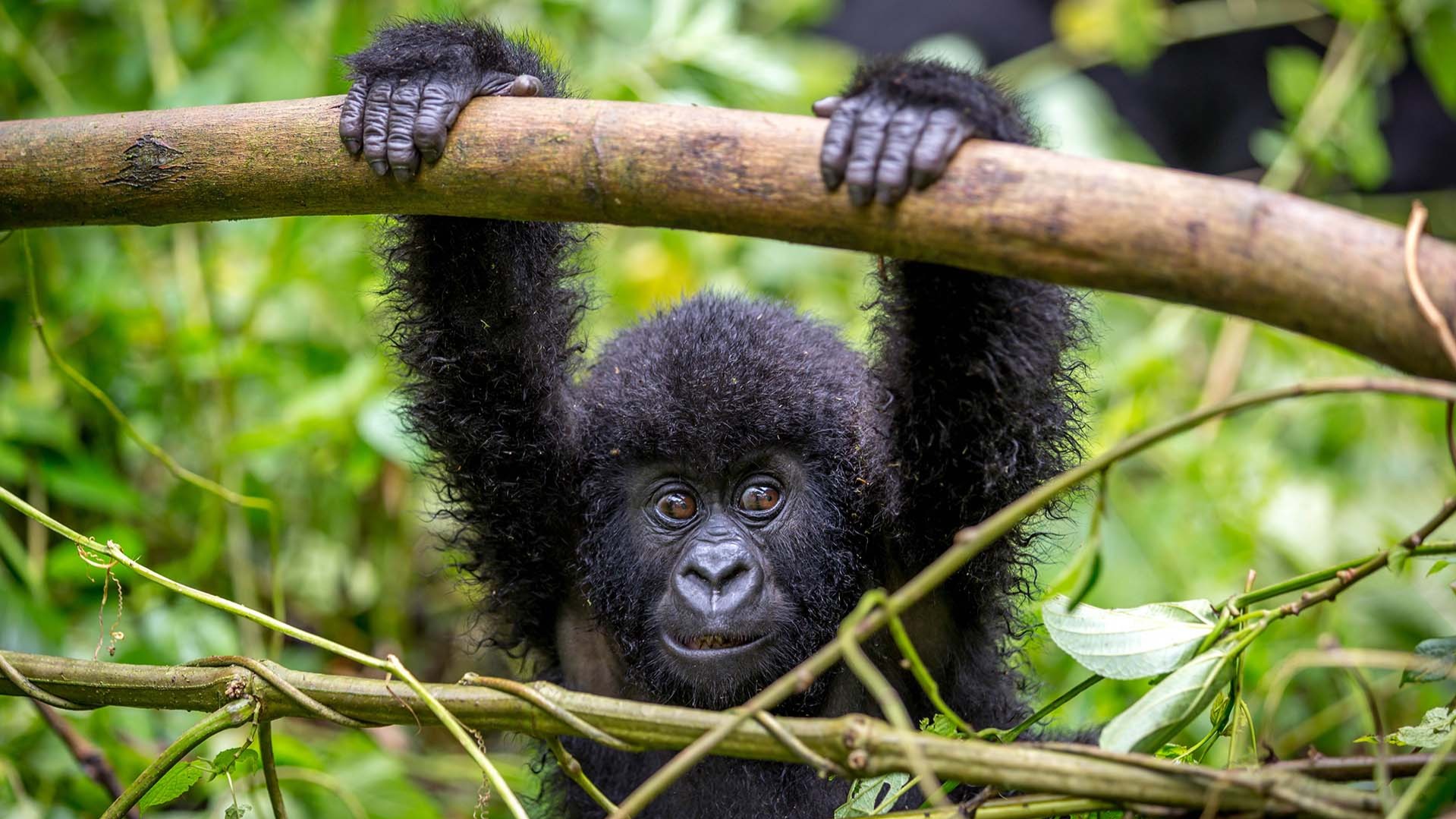
Every snare removed represents not just one life saved, but the preservation of intricate social bonds that define gorilla family groups across generations.
Disease transmission from humans remains a serious concern, given gorillas' genetic similarity to people. Respiratory infections, in particular, can spread rapidly through close-contact gorilla groups. Conservation teams have therefore prioritised both veterinary support and community health initiatives in villages surrounding the parks.

Expanding Ranger Patrols: A Data-Driven Approach
Uganda's Uganda Wildlife Authority has significantly bolstered its protection efforts with technology and increased manpower. Since early 2022, the number of daily ranger patrols in Bwindi has risen from an average of 12 to 17 teams, each equipped with GPS devices and SMART (Spatial Monitoring and Reporting Tool) software. This system allows real-time data collection on wildlife sightings, illegal activities, and habitat conditions.
In Mgahinga, where the park spans just 33.7 square kilometres, patrols now cover 95 percent of the gorilla range on a weekly basis. The introduction of drone surveillance in 2023 has further enhanced coverage, particularly in steep, densely vegetated areas where foot patrols face limitations. These aerial tools have helped identify previously undetected snare lines set by poachers targeting bushmeat.
The results speak clearly. In 2023, rangers removed 187 snares from Bwindi compared to 287 the previous year. More importantly, the frequency of gorilla injuries from snares dropped by nearly half. Such statistics demonstrate how consistent presence and improved intelligence can shift the balance in favour of the gorillas.
Training and Technology Integration
Ranger training programmes now incorporate both traditional tracking skills and modern technology. Teams receive instruction in data interpretation, first aid for injured gorillas, and community engagement techniques. The combination of experienced local knowledge with digital tools has proven particularly effective in anticipating potential threats before they materialise.
Partnerships with international organisations have facilitated the provision of night-vision equipment and improved communication systems. These upgrades allow patrols to operate effectively during the hours when illegal activities are most likely to occur. The investment appears justified by the outcomes observed on the ground.
Technology alone cannot protect these forests. It is the daily commitment of rangers walking these mountains that creates the invisible shield around each gorilla group.
Community Partnerships with the Batwa People
The Batwa, indigenous forest dwellers who once lived within what is now Bwindi Impenetrable National Park, have become central to contemporary conservation strategies. Following their relocation in the early 1990s to create the national park, many Batwa communities experienced significant cultural and economic disruption. Recent programmes seek to address this historical context while building sustainable partnerships.
Community-led monitoring teams, composed primarily of Batwa members, now work alongside Uganda Wildlife Authority rangers. These teams possess unparalleled knowledge of the forest's hidden trails and seasonal patterns. Their involvement has improved early detection of illegal activities while providing meaningful employment opportunities within their ancestral lands.
In 2023, Batwa community rangers contributed to the removal of 62 percent of snares recovered in Bwindi's southern sectors. Their traditional ecological knowledge has also informed habitat restoration projects, particularly in buffer zones where indigenous plants are being reintroduced to create ecological corridors.
Economic Incentives and Alternative Livelihoods
Beyond direct conservation roles, several initiatives focus on developing alternative income sources for Batwa communities. Beekeeping projects have proven particularly successful, with honey production generating revenue while encouraging forest preservation. Cultural tourism experiences, where Batwa guides share traditional knowledge with visitors, provide another avenue for sustainable income.
Education programmes targeting Batwa children have increased school attendance rates from 40 percent in 2018 to 78 percent in 2024. These efforts recognise that long-term conservation success depends on creating opportunities for younger generations to thrive without relying on forest resources unsustainably.
Key Conservation Programmes Shaping the Future
Several coordinated initiatives now work in concert to protect Uganda's gorillas. The International Gorilla Conservation Programme (IGCP), a partnership between Fauna & Flora International, the World Wildlife Fund, and Conservation International, coordinates cross-border efforts across the Virunga landscape. Their community health initiatives have provided medical support to over 45,000 people living near the parks since 2020.
The Gorilla Doctors veterinary team conducts regular health checks on habituated gorilla groups, monitoring for signs of disease and treating injuries when necessary. Their work has contributed to survival rates exceeding 95 percent for infants in monitored groups. Meanwhile, the Batwa Cultural Trail project creates direct economic links between responsible tourism and community wellbeing.
Habitat connectivity projects have established forest corridors linking isolated patches of suitable gorilla habitat. These green linkages, planted with indigenous species, allow gorillas to move more freely between areas, reducing inbreeding risks and expanding their effective range. Initial monitoring suggests several groups have begun utilising these new pathways.
When communities see their own prosperity linked to the wellbeing of the gorillas, conservation transforms from an external imposition into a shared endeavour.
Measuring Success Through Scientific Monitoring
Conservation efforts are increasingly guided by robust scientific data. Genetic sampling programmes track individual gorilla movements and relationships, while camera traps provide insights into unhabituated groups. Climate monitoring stations record changes in temperature and rainfall patterns that may affect food availability for gorillas and other species.
The integration of this information allows managers to adapt strategies in response to emerging challenges. When data indicated increased crop raiding during particular seasons, for instance, teams implemented targeted chilli pepper barriers and early warning systems that reduced conflict incidents by 70 percent in pilot areas.

How Community Involvement Enhances Conservation Outcomes
The question many travellers ask is whether community participation genuinely improves conservation results or simply serves as a public relations exercise. Evidence from Uganda suggests the former. When local people derive tangible benefits from protecting wildlife, illegal activities decline significantly. Studies conducted between 2019 and 2023 found that villages participating in conservation programmes reported 65 percent fewer incidents of encroachment compared to non-participating communities.
This approach addresses the root causes of wildlife crime rather than simply responding to its symptoms. By providing education, healthcare, and economic opportunities, conservation organisations reduce the incentives for engaging in activities harmful to gorilla habitats. The results are particularly evident in areas surrounding Mgahinga, where community cooperatives now manage woodlots and agricultural projects that decrease pressure on park resources.
Visitor experiences have also been enriched through these partnerships. Guided walks with Batwa community members offer perspectives on the forest that complement traditional safari viewing. These encounters foster deeper appreciation for both the natural environment and the human cultures that have coexisted with it for generations.
The Role of Responsible Tourism in Gorilla Conservation
Responsible tourism plays a vital supporting role in these conservation efforts. Revenue from gorilla permits, which cost $700 per person for a one-hour visit, contributes substantially to both park management and community development projects. In 2023, Bwindi generated approximately $12.5 million from gorilla tourism, with 20 percent of these funds directed toward local community initiatives.
Encounters Africa carefully selects partners who prioritise ethical wildlife viewing practices. Limiting group sizes, maintaining appropriate distances, and ensuring visitors follow strict hygiene protocols help minimise disturbance to gorilla groups. The most reputable operators also contribute directly to conservation through various funding mechanisms.
Travellers interested in understanding these efforts more deeply might consider visiting during the drier months from June to September or December to February, when trekking conditions are most favourable. Those seeking to combine gorilla viewing with cultural immersion can explore programmes that include time with Batwa communities.
For those looking for a private safari beyond our set itineraries, we would be delighted to hear from you directly. We specialise in creating beautifully tailored journeys for solo travellers, couples, families, and private groups of up to eight guests. Through our trusted network of carefully selected camps and lodges, we craft each safari around your individual interests, preferred pace, and budget, ensuring a seamless and deeply personal experience from beginning to end.
Looking Ahead: Sustaining Momentum for Gorilla Protection
The progress achieved in Uganda's gorilla conservation demonstrates what becomes possible when diverse stakeholders align around shared objectives. From expanded ranger operations to meaningful Batwa partnerships, these initiatives offer a model for community-centred conservation across Africa. Yet continued success will require sustained funding, ongoing scientific research, and unwavering commitment from all involved.
Climate change presents new challenges, with shifting rainfall patterns potentially affecting the vegetation that forms the foundation of gorilla diets. Conservation teams are already developing adaptation strategies, including expanded habitat restoration and genetic management approaches. The coming decade will test the resilience of both the gorillas and the systems designed to protect them.
As these efforts continue to evolve, they remind us that conservation is ultimately about relationships. Between people and wildlife, between different communities, and between present actions and future possibilities. The mountain gorillas of Uganda stand as living symbols of what can be achieved when these connections are honoured and nurtured.
Encounters Africa remains committed to supporting these vital initiatives through responsible travel experiences that benefit both wildlife and communities. Whether witnessing the quiet dignity of a silverback or learning traditional forest knowledge from Batwa guides, visitors become part of the story of conservation in action. We invite you to join us in contributing to this important work through thoughtful, informed travel that makes a genuine difference.
For discerning travellers seeking a private safari beyond our set itineraries, we invite you to contact us directly. We specialise in designing exceptional, tailor-made journeys for individuals, couples, families, and private groups of up to eight guests. Drawing on our handpicked network of distinguished camps and lodges, we curate every detail with precision and care, creating a seamless, deeply personal safari experience shaped entirely around your preferences, pace, and budget. Please visit our enquiry form to begin planning your journey to meet Uganda's mountain gorillas and the remarkable people dedicated to their protection. We also recommend exploring our guide to Bwindi Lodge and learning more about Uganda safaris that combine wildlife encounters with meaningful community engagement.
More like this
News
What a Single Season Taught Us About Serengeti Animal Resilience
News
What Botswana’s Recent Anti-Poaching Success Means for African Conservation
News
What Recent Marine Surveys Reveal About Wildlife in Seychelles
News
What Recent Shifts in Tanzania's Savannah Mean for Migrating Herds
News
What Recent Surveys Reveal About Recovering Ugandan Wildlife Populations
News