News
What Botswana’s Recent Anti-Poaching Success Means for African Conservation
Encounters Africa - 8 min read
Updated on 22 June 2026
Botswana continues to set a powerful example in African conservation through its determined fight against wildlife crime. Recent figures show that targeted enforcement has slashed poaching incidents by nearly 50 percent across key protected zones, from the Okavango Delta to the vast salt pans. This Botswana wildlife news highlights not only declining threats but also the collaborative model that pairs technology, community stewardship, and rigorous law enforcement to protect endangered species for future generations of travellers.
The implications stretch far beyond Botswana’s borders. As one of Africa’s last great elephant strongholds, with an estimated population of around 130,000, the country’s successes offer practical lessons for regional conservation strategies. For those planning a luxury safari, understanding these developments adds deeper context to every game drive and community encounter.
The Scale of Botswana’s Anti-Poaching Achievement
Official reports released in late 2024 reveal a striking drop in recorded poaching events. Between 2022 and 2024, incidents fell from 87 to just 44 in monitored national parks and community concessions. This news on Botswana comes after years of sustained investment in specialised units and real-time monitoring systems. The Botswana Defence Force, wildlife scouts, and private concession partners have worked in close coordination, creating a network that leaves fewer gaps for illegal operators.
Elephants remain the primary target, yet the crackdown has also benefited lions, rhinos reintroduced to specific reserves, and smaller species frequently caught in snare lines. In the Chobe River Front, camera-trap arrays and daily foot patrols have recorded zero elephant carcasses linked to poaching in the past 18 months. Such measurable gains demonstrate that consistent pressure, rather than sporadic campaigns, yields lasting results.
Effective conservation is measured not in headlines but in the quiet absence of carcasses and the steady return of natural behaviour across vast landscapes.
Technology Driving Real-Time Intelligence
At the heart of these improvements lies a sophisticated blend of digital tools. Thermal imaging drones now patrol high-risk corridors at night, covering up to 80 square kilometres per sortie. Ground teams receive GPS-tagged alerts within minutes, allowing rapid response before snares can be set or shots fired. This integration of aerial surveillance with mobile ranger apps has cut response times from days to hours.
Artificial intelligence software analyses satellite imagery for unusual vehicle tracks in remote areas, flagging potential incursions before scouts even reach the scene. In the Moremi Game Reserve, such systems helped intercept three separate poaching syndicates in 2023, leading to convictions that carried sentences of up to 15 years. The data gathered also feeds directly into national wildlife databases, enabling evidence-based adjustments to patrol routes each season.
Community Partnerships That Strengthen Enforcement
Perhaps most significant in this chapter of Botswana wildlife news is the deepening involvement of local residents. Community trusts in areas such as Khwai and the Boteti River region now receive direct revenue from photographic tourism and anti-poaching levies. When households benefit financially from living alongside wildlife, tolerance rises and the incentive to collude with poachers diminishes.
Over 400 community rangers have been trained and equipped since 2021. These men and women, drawn from the villages bordering protected zones, combine traditional tracking knowledge with modern GPS and communication equipment. Their presence has proven especially effective during the annual floods when animal movements become more predictable along elevated ground. Several trusts have also established wildlife monitoring committees that report suspicious activity directly to the Department of Wildlife and National Parks.
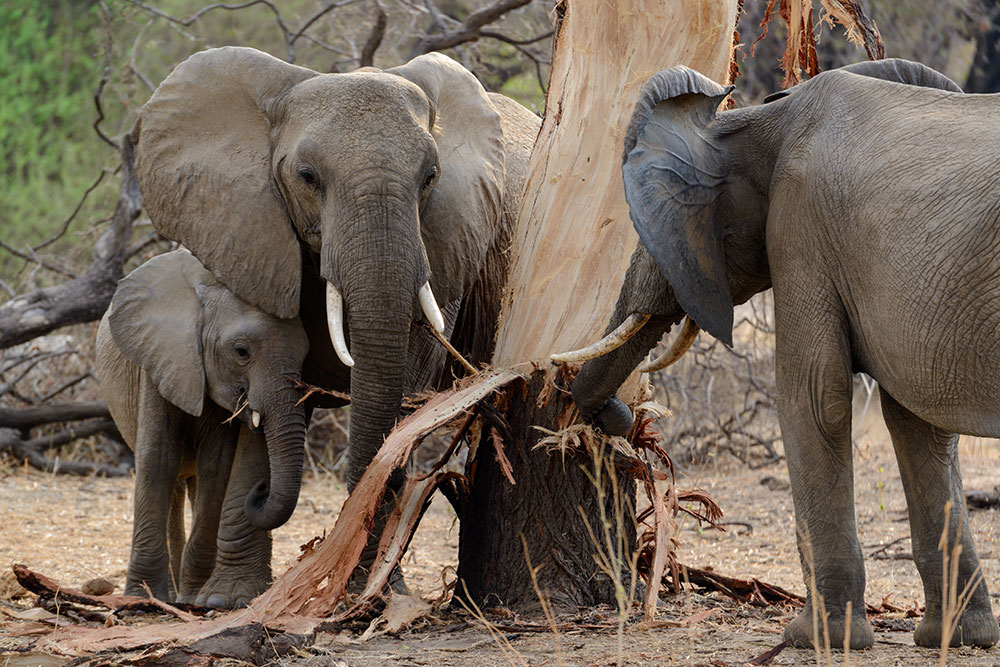
When communities see tangible benefits from conservation, they become the most effective guardians of the land and its wildlife.
Economic Incentives and Alternative Livelihoods
Beyond enforcement, Botswana has expanded conservation-friendly enterprises. Beekeeping projects in the northern districts produce honey that is sold through lodges and international markets, providing income that does not rely on livestock grazing inside wildlife corridors. Craft cooperatives transform waste materials from safari camps into marketable goods, further tying local economies to the health of the bush.
These initiatives matter because they address root causes. Poverty remains a driver of poaching in many parts of Africa; by creating viable alternatives, Botswana reduces the pool of potential recruits for criminal networks. Independent audits show that concessions with strong community revenue-sharing models record 60 percent fewer illegal incursions than those without such programmes.
What the Numbers Reveal About Species Recovery
The anti-poaching push coincides with encouraging population data. Aerial surveys conducted in 2023 estimated the national elephant population at 131,000, stable despite regional declines elsewhere. More telling is the age structure: the proportion of calves under five years old has increased, suggesting reduced adult mortality and improved breeding success. In the Selinda Reserve, researchers have documented a 28 percent rise in successful lion births over the same period, linked to fewer disturbances from illegal hunting.
White and black rhino populations, though still small following reintroduction, have grown from 17 individuals in 2018 to 41 in 2024. Intensive monitoring and dehorning operations have kept losses to poaching at zero for three consecutive years. These figures offer concrete proof that well-funded, locally supported protection can reverse downward trends even for highly targeted species.
Implications for Regional Conservation Policy
Neighbouring countries are studying Botswana’s approach with interest. Zambia has begun replicating elements of the community ranger model along its shared border with Chobe National Park. Namibia is piloting similar drone programmes in the Zambezi Region. The model’s success challenges the notion that only militarised responses can curb wildlife crime, showing instead that layered, inclusive strategies deliver better long-term outcomes.
International donors have taken note. Funding commitments to Botswana’s wildlife authority rose by 35 percent in 2024, earmarked specifically for expanding technology and community grants. This external validation reinforces the country’s position as a conservation leader and creates momentum for cross-border initiatives such as the Kavango-Zambezi Transfrontier Conservation Area.

Botswana demonstrates that when enforcement, innovation, and community benefit align, conservation moves from aspiration to measurable reality.
How Travellers Can Support These Efforts
Visitors play an important role in sustaining these gains. Choosing operators that contribute directly to anti-poaching funds ensures that tourism revenue circles back into protection. Many lodges now offer optional conservation levies of around US$50 per person per night, which fund ranger salaries, vehicle maintenance, and school bursaries in neighbouring villages.
Travellers can also amplify positive stories by sharing responsible wildlife photography and supporting ethical guiding standards. Avoiding markets that sell wildlife products, however small the item, sends a clear market signal. By travelling with reputable companies such as Duba Plains Camp or Chobe Game Lodge, guests become part of the economic incentive that makes conservation more attractive than crime.
Practical Ways to Engage During Your Safari
Many camps now include visits to community projects as standard itinerary components. These range from guided walks with local trackers to evening talks by researchers monitoring collar data. Such experiences transform abstract statistics into personal connections, helping travellers understand the human dimension of conservation.
Photographers can contribute images to citizen-science databases that track individual animals across seasons. Even simple acts, such as following designated tracks and never leaving vehicles outside designated areas, reduce stress on animals and maintain the integrity of monitoring zones.
Looking Ahead: Sustaining Momentum in a Changing Climate
While the recent anti-poaching success marks genuine progress, new pressures are emerging. Climate variability has altered water availability across the Makgadikgadi Salt Pans, concentrating animals and making them easier targets during dry periods. Human-wildlife conflict around expanding agricultural zones also requires ongoing attention.
Botswana’s response includes adaptive strategies such as early-warning systems for drought-induced movements and expanded predator-proof livestock enclosures funded through tourism levies. The coming years will test whether current gains can be maintained as environmental conditions shift. Early indications suggest the integrated model developed over the past decade provides a resilient foundation.
Conservation scientists emphasise that success must be measured over decades rather than single fiscal years. Botswana’s current trajectory, however, offers genuine cause for optimism. The country has shown that determined leadership, smart investment, and genuine community inclusion can produce results that ripple across an entire continent.
Conclusion
The recent reduction in poaching incidents represents far more than a statistical victory for Botswana. It demonstrates what becomes possible when political will, technological innovation, and local knowledge converge in service of a shared natural heritage. For discerning travellers, these developments add profound meaning to the wildlife encounters that define a luxury safari in this remarkable country.
Encounters Africa has witnessed these positive changes firsthand through our long-standing partnerships with camps and communities across Botswana. Our team remains committed to supporting conservation initiatives that deliver both ecological recovery and tangible benefits to the people who share their landscape with iconic species.
For those looking for a private safari beyond our set itineraries, we would be delighted to hear from you directly. We specialise in creating beautifully tailored journeys for solo travellers, couples, families, and private groups of up to eight guests. Through our trusted network of carefully selected camps and lodges, we craft each safari around your individual interests, preferred pace, and budget, ensuring a seamless and deeply personal experience from beginning to end. Please visit our enquiry form to begin planning your journey.
Related reading: Discover how community-led initiatives are reshaping conservation across Kenya in our recent article on Kenya community conservation success stories, or explore the latest developments in Zambia through our guide to anti-poaching innovations along the Zambezi.
More like this

News
What Recent Marine Surveys Reveal About Wildlife in Seychelles
News
What Recent Shifts in Tanzania's Savannah Mean for Migrating Herds
News
What Recent Surveys Reveal About Recovering Ugandan Wildlife Populations
News
What Scientists Discovered About Chimpanzee Behavior During Recent Kibale Surveys
news
Why Digital Professionals Are Trading City Salaries for Kenyan Savannas
news