News
What Recent Marine Surveys Reveal About Wildlife in Seychelles
Encounters Africa - 9 min read
Updated on 24 June 2026
seychelles conservation efforts have taken significant strides forward according to the latest marine surveys conducted across this Indian Ocean archipelago. These studies illuminate how targeted interventions are bolstering wildlife in Seychelles, from vibrant coral ecosystems to the intricate nesting behaviours of endemic seabirds. The findings offer both reassurance and renewed focus for protecting one of the planet's most remarkable island biodiversity hotspots.
A just-released report on wildlife in Seychelles highlights how coral restoration sites are supporting greater fish diversity while new tracking methods expose previously unknown nesting patterns of endemic seabirds.
The Latest Findings from Marine Surveys
Recent underwater assessments completed between October 2023 and March 2024 have mapped changes across 28 reef sites in the inner islands. Scientists documented a 34 percent increase in fish species richness at active coral restoration zones compared to control areas where no intervention has occurred. This data comes from systematic surveys using both diver transects and baited remote underwater video systems.
Particularly encouraging has been the recovery observed at sites around Mahe Island, where branching coral frameworks now support schools of juvenile parrotfish and snapper. The surveys recorded 187 distinct fish species in restored areas versus 139 in degraded zones, suggesting that active rehabilitation creates meaningful habitat complexity faster than natural recovery alone.
These numbers represent more than statistics. They signal that carefully planned restoration can accelerate ecosystem function in ways that benefit both marine life and the fishing communities who depend upon healthy reefs.
Tracking Technology Sheds Light on Seabird Behaviour
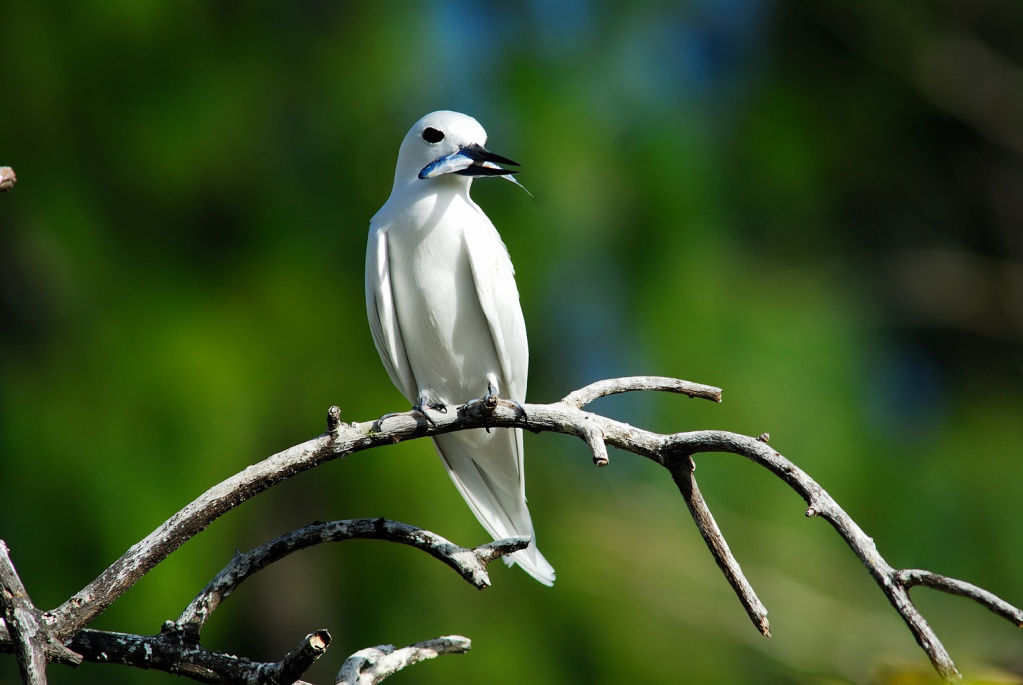
Advanced GPS and geolocator tags deployed on 47 wedge-tailed shearwaters and 32 white terns have revealed migration routes and nesting preferences previously undocumented. The data shows that many birds travel over 4,000 kilometres during their non-breeding season, reaching as far as the southern coasts of South Africa before returning to specific Seychelles atolls.
Perhaps most surprising was the discovery that several colonies previously thought to be seasonal are actually active year-round when provided with adequate protection from invasive predators. This challenges earlier assumptions about breeding cycles and has immediate implications for how conservation teams schedule rat eradication programmes.

Coral Restoration Driving Biodiversity Gains
The Seychelles Marine Restoration Initiative has now established 14 active nursery sites where fragments of heat-resistant coral are grown before being transplanted to damaged reefs. These nurseries currently hold over 18,000 coral colonies across six species known for their resilience to warming waters.
Monitoring data collected throughout 2023 shows that fish biomass at restoration sites has increased by an average of 62 percent within 18 months of coral outplanting. Herbivorous species such as surgeonfish and rabbitfish have shown the most dramatic response, helping to keep algae in check and allowing further coral settlement.
Local fishing cooperatives have been integral to this success. By participating in monitoring rotations and agreeing to temporary no-take zones around restoration areas, communities have seen their catches improve in adjacent waters. This demonstrates how seychelles conservation can deliver tangible benefits beyond pure biodiversity metrics.
What happens underwater in Seychelles rarely stays isolated. The connections between healthy reefs, fish populations, and coastal livelihoods form the backbone of effective long-term protection for wildlife in Seychelles.
Community Involvement in Reef Recovery
Fisherfolk from villages on La Digue and Praslin have contributed more than 2,300 volunteer hours to reef surveys and restoration activities over the past two years. Their traditional knowledge of tidal patterns and fish behaviour has helped scientists refine site selection for new coral nurseries.
Training programmes have equipped 87 community members with scientific diving qualifications, creating a skilled local workforce capable of continuing monitoring work long after international research teams depart. This capacity building represents one of the most sustainable aspects of current seychelles conservation projects.
Protecting Endemic Seabirds Through Science and Policy
Seychelles hosts 13 species of breeding seabirds, several found nowhere else in the world. The new tracking data has identified three previously unknown nesting colonies on outer islands, bringing the known breeding population of Audubon's shearwaters to approximately 4,800 pairs, a 22 percent increase from estimates made in 2018.
These discoveries have prompted swift policy responses. The Seychelles Islands Foundation has expanded rat-free zones on Aride and Cousin islands, while new biosecurity protocols now govern all vessel movements between outer islands to prevent reinvasion by invasive species.
The connection between seabird colonies and marine health runs deeper than many realise. Their guano provides essential nutrients that stimulate plankton blooms, which in turn support the small fish that sustain both larger predatory fish and the seabirds themselves. Protecting nesting sites therefore creates positive feedback loops throughout the marine food web.
Challenges Facing Island Ecosystems
Despite these positive developments, significant pressures remain. Rising sea temperatures continue to cause periodic bleaching events, with the 2022 event affecting 41 percent of shallow reefs across the archipelago. Recovery from such disturbances typically takes between seven and twelve years under optimal conditions.
Plastic pollution presents another persistent threat. Beach surveys conducted monthly throughout 2023 recorded an average of 187 pieces of marine debris per 100 metres of coastline on the main islands, though this figure drops dramatically on islands with active clean-up programmes.
How These Discoveries Are Shaping Future Protection Strategies
The integration of new tracking data with traditional ecological knowledge has allowed conservation managers to redesign protected area boundaries with greater precision. Three new marine protected areas totalling 87 square kilometres were designated in late 2023 specifically to safeguard important foraging grounds identified through seabird tracking.
These zones complement the existing network that already protects 30 percent of Seychelles' waters. The expanded coverage focuses particularly on connectivity between nesting islands and productive feeding areas, recognising that many species require both terrestrial and marine protection throughout their life cycles.
International collaboration has been crucial to these advances. Partnerships with research institutions in the United Kingdom, Australia, and South Africa have brought specialised equipment and analytical expertise while building local scientific capacity. Several Seychellois students are now completing postgraduate degrees in marine biology through these collaborative programmes.
The true measure of successful seychelles conservation lies not just in the data collected but in how effectively that knowledge translates into practical protection measures that endure beyond any single research project.
Technological Innovations in Monitoring
Drone surveys have revolutionised seabird population counts on remote islands where access is difficult and human disturbance must be minimised. Thermal imaging combined with machine learning algorithms now allows accurate counts of nesting birds with 94 percent accuracy compared to traditional ground surveys.
Underwater, acoustic monitoring stations deployed at key reef sites continuously record reef soundscapes. These passive recordings provide early warning of ecosystem stress through changes in the frequency and diversity of fish calls and invertebrate activity, often detecting problems before visual surveys would notice them.
What This Means for Travellers Interested in Wildlife in Seychelles
For those planning a journey to experience wildlife in Seychelles, these conservation developments create exciting new opportunities for meaningful engagement. Several lodges now offer behind-the-scenes tours of coral nurseries and seabird monitoring sites, allowing visitors to contribute directly to ongoing research through citizen science programmes.
The data also helps travellers make more informed choices about which experiences will have the most positive impact. Properties that support local conservation initiatives and limit visitor numbers at sensitive sites are helping to ensure that tourism becomes part of the solution rather than an additional pressure.
Our article on photographing wildlife responsibly explores similar principles that apply equally to marine environments in Seychelles. Understanding the science behind conservation allows travellers to appreciate the fragility and resilience of these ecosystems in equal measure.
Supporting Conservation Through Responsible Travel
Visitors can contribute meaningfully by choosing operators who fund local projects, participating in beach clean-ups, and maintaining appropriate distances from nesting seabirds and turtle hatching sites. Even small actions, when multiplied across thousands of annual visitors, create substantial positive impact.
Encounters Africa works with carefully selected partners in Seychelles who integrate conservation activities into their guest experiences. These partnerships ensure that travel revenue directly supports the monitoring programmes and habitat protection efforts highlighted in the recent surveys.
Looking Ahead: The Next Chapter for Seychelles Conservation
The current momentum in Seychelles offers genuine reasons for optimism. With continued investment in science-based management and genuine community partnership, the archipelago stands as an example of how small island nations can lead in marine conservation despite facing significant climate challenges.
Future surveys planned for 2025 will incorporate environmental DNA sampling to detect rare species and monitor changes in overall biodiversity more comprehensively. These techniques, combined with continued satellite tracking of both marine and avian species, promise even deeper insights into the complex web of life that makes Seychelles so special.
The integration of traditional Seychellois knowledge with cutting-edge technology represents perhaps the most promising development. As local scientists take increasing leadership roles in research and management, the sustainability of these conservation gains becomes more assured.
Conclusion
The latest marine surveys paint a picture of both vulnerability and remarkable resilience within Seychelles' unique ecosystems. From coral gardens supporting diverse fish communities to newly discovered seabird colonies, the data reveals an interconnected web of life that deserves our collective attention and protection. These findings strengthen the case for continued, well-informed conservation action across the archipelago.
For discerning travellers seeking a private safari beyond our set itineraries, we invite you to contact us directly. We specialise in designing exceptional, tailor-made journeys for individuals, couples, families, and private groups of up to eight guests. Drawing on our handpicked network of distinguished camps and lodges, we curate every detail with precision and care, creating a seamless, deeply personal safari experience shaped entirely around your preferences, pace, and budget.
Whether your interests lie in marine conservation, seabird photography, or simply experiencing the wonder of these remarkable islands, reach out to Encounters Africa to begin planning your journey. Our team of specialists stays abreast of the latest developments in Seychelles conservation and can ensure your visit contributes positively to the ongoing protection of Mahe Island and its surrounding waters.
Explore our recent article on mountain gorilla conservation in Rwanda to discover how similar science-based approaches are yielding results across different African ecosystems. The lessons learned in one location often illuminate possibilities in another, strengthening conservation efforts continent-wide.
More like this
News
What Recent Shifts in Tanzania's Savannah Mean for Migrating Herds
News
What Recent Surveys Reveal About Recovering Ugandan Wildlife Populations
News
What Scientists Discovered About Chimpanzee Behavior During Recent Kibale Surveys
news
Why Digital Professionals Are Trading City Salaries for Kenyan Savannas
news
Why New African Carriers Are Driving Down Regional Airfares
news