News
What Recent Surveys Reveal About Recovering Ugandan Wildlife Populations
Encounters Africa - 8 min read
Updated on 22 June 2026
Recent surveys bring promising news on Uganda for those passionate about African conservation. Latest population counts reveal encouraging rebounds for chimpanzees and mountain gorillas inside Bwindi and Kibale forests, with new data highlighting the role of sustained monitoring in the country's conservation progress. These findings offer a window into how dedicated efforts are steadily restoring balance to ecosystems that once faced steep declines.
As Encounters Africa continues to curate journeys that connect travellers with meaningful wildlife encounters, staying informed about such developments deepens appreciation for every safari moment. The numbers tell stories of resilience, community involvement, and scientific persistence that shape the future of Ugandan wildlife.
Latest Population Data on Key Species
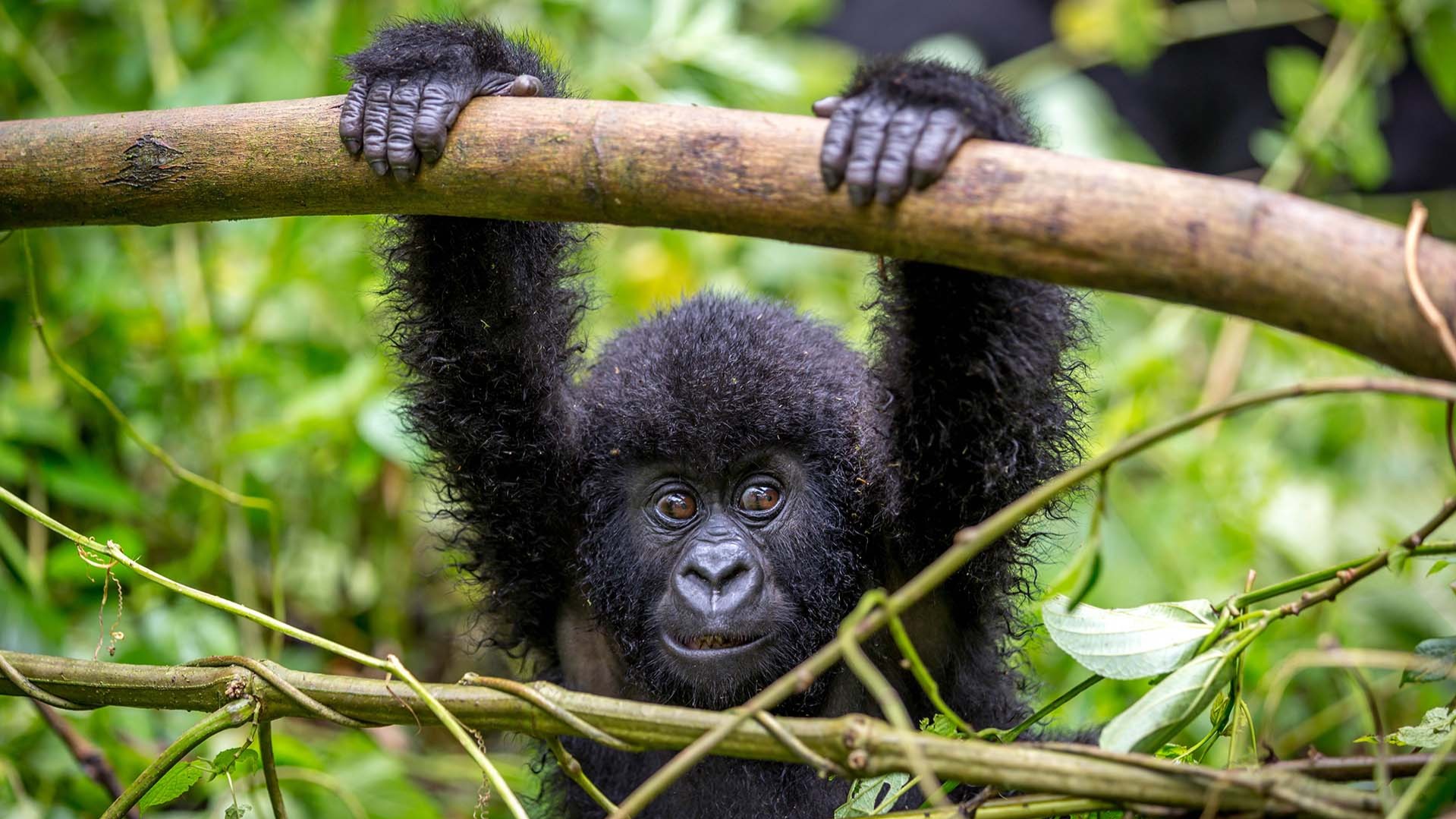
Comprehensive surveys conducted between 2022 and 2024 paint an optimistic picture for several flagship species. Mountain gorilla numbers in Bwindi Impenetrable National Park have risen to approximately 459 individuals, marking a 3 percent annual growth rate since the last full census in 2018. This brings the global mountain gorilla population to over 1,000 for the first time in recorded history.
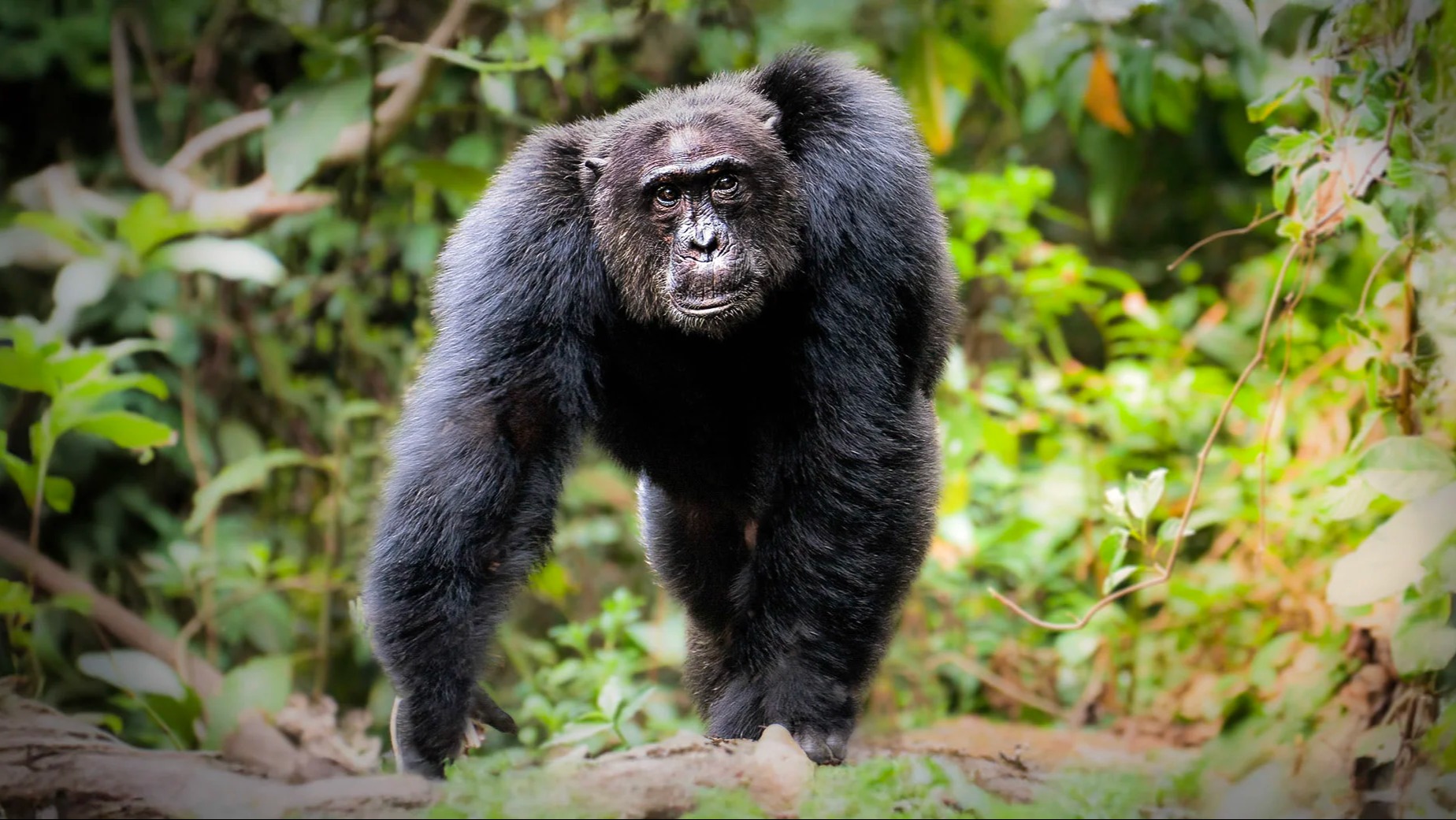
Chimpanzee communities in Kibale National Park show similar positive trends. A 2023 survey estimated 1,450 individuals across key habituated groups, representing a 12 percent increase from counts taken five years earlier. These figures come from meticulous nest counts, camera trap data, and direct observations carried out by teams of researchers and trained field staff working year-round.
The steady climb in numbers reflects years of patient work rather than sudden miracles, reminding us that conservation success is built on consistent, often invisible effort.
Elephant populations in Queen Elizabeth National Park have also stabilised after decades of pressure, with estimates now sitting at around 2,800 animals. While not experiencing dramatic surges, the stabilisation signals that anti-poaching initiatives and habitat protection measures are yielding measurable results across multiple landscapes.
Role of Long-term Monitoring Programmes
Sustained monitoring forms the backbone of these encouraging updates about Ugandan wildlife. The Uganda Wildlife Authority, working alongside international partners like the Max Planck Institute and the Dian Fossey Gorilla Fund, has maintained consistent data collection protocols for more than two decades. This longitudinal approach allows scientists to distinguish genuine population recovery from temporary fluctuations.
Advanced techniques now supplement traditional methods. Thermal imaging drones help survey dense forest canopies where visual counts prove challenging, while genetic sampling from collected dung provides precise information about group composition and genetic diversity. These tools have become increasingly important as climate patterns shift and human activities expand near protected boundaries.
Community-based monitoring programmes have expanded significantly since 2019. Local residents trained as citizen scientists now contribute valuable observations from areas adjacent to national parks. Their involvement not only improves data coverage but also strengthens the connection between conservation outcomes and community wellbeing.
Technological Advances in Data Collection
Modern survey methods represent a significant evolution from earlier approaches. GPS collars on select individuals provide real-time movement data, revealing how animals navigate increasingly fragmented landscapes. Artificial intelligence algorithms now help process thousands of camera trap images, dramatically reducing the time needed to analyse population trends.
These innovations come at an important moment. With habitat pressures mounting around park perimeters, understanding precise movement patterns helps managers anticipate potential human-wildlife conflict before it escalates.

Numbers alone cannot capture the full story of recovery, yet they offer concrete proof that targeted interventions truly make a difference when maintained over time.
Conservation Strategies Driving Recovery
Habitat restoration projects have played a central role in supporting population growth. In the areas surrounding Volcanoes National Park, reforestation initiatives have reconnected fragmented forest patches, creating vital corridors for both gorillas and smaller mammals. Similar efforts in the Bugoma Forest Reserve focus on protecting chimpanzee habitats from agricultural encroachment.
Anti-poaching efforts have intensified through better coordination between park rangers and local law enforcement. The introduction of specialised rapid response units in 2021 has reduced illegal activity in high-risk zones. Community conservancies established near park boundaries now provide alternative income sources, decreasing reliance on bushmeat and resource extraction.
Successful veterinary interventions have also contributed to higher survival rates. Mobile clinics treat injuries and monitor disease outbreaks among habituated gorilla and chimpanzee groups. These programmes have kept mortality from respiratory infections significantly lower than in less monitored populations elsewhere on the continent.
What These Findings Mean for Safari Experiences
For travellers planning journeys to witness Ugandan wildlife, these population increases translate into more rewarding encounters. The greater numbers improve sighting probabilities while allowing operators to maintain responsible viewing distances. Habituation programmes continue to expand carefully, ensuring that animals remain wild while becoming accustomed to respectful human presence.
Lodges like Bwindi Lodge and those in the Kibale region report higher success rates for gorilla and chimpanzee tracking permits. The improved health of these populations means more consistent viewing opportunities throughout the year, though the experience remains profoundly special rather than guaranteed.
Beyond the headline species, recovering ecosystems support richer biodiversity overall. Birdlife has flourished in restored areas, while smaller mammals and reptiles benefit from improved food webs. This creates more layered, immersive safari experiences that extend far beyond single-species viewing.
Challenges That Remain on the Horizon
Despite the positive trends, several pressures continue to test conservation efforts. Climate change brings unpredictable rainfall patterns that affect food availability for both primates and large herbivores. Human population growth around protected areas increases the potential for conflict, particularly during periods when animals venture beyond park boundaries.
Disease transmission remains a serious concern for great ape populations already living at high densities. The Covid-19 pandemic highlighted vulnerabilities when human respiratory illnesses spread to habituated groups. Ongoing research focuses on developing better health protocols while maintaining the critical revenue that responsible tourism brings to conservation funding.
Conservation in Uganda demonstrates that progress is rarely linear, requiring constant adaptation as new challenges emerge alongside hard-won successes.
Community Involvement and Economic Benefits
Local communities have become essential partners in Uganda's conservation story. Revenue sharing schemes direct a percentage of park fees directly to surrounding parishes for projects including schools, health clinics, and infrastructure. These tangible benefits help shift perceptions about wildlife from potential threat to valuable asset.
Programmes training former hunters as guides and monitors have proven particularly effective. In the areas around Bwindi, many individuals who once set snares now lead visitors on forest walks, earning sustainable livelihoods while protecting the animals they once pursued.
Tourism revenue from gorilla permits alone contributes substantially to local economies. Each permit generates funds that support both conservation activities and community development, creating a direct link between thriving wildlife populations and improved human wellbeing.
Future Outlook for Ugandan Wildlife
The latest surveys suggest that continued investment in monitoring and protection could yield further gains in coming years. Plans to expand habituation projects to additional gorilla groups aim to distribute tourism pressure more evenly while creating new opportunities for visitors. Similar initiatives for chimpanzees could open fresh areas for responsible primate encounters.
Cross-border collaboration with neighbouring countries offers additional hope. Joint initiatives to manage shared ecosystems and migratory routes could strengthen protection for species that move across political boundaries. These regional approaches recognise that effective conservation rarely stops at national borders.
As habitats face increasing pressure from surrounding development, the importance of maintaining connected landscapes becomes ever more apparent. The coming decade will test whether current momentum can be sustained amid competing land-use demands.

Looking Ahead with Measured Optimism
The recent population surveys provide concrete reasons for cautious celebration regarding Ugandan wildlife. They demonstrate that consistent, science-based management combined with community engagement can reverse downward trends that once seemed inevitable. Yet they also remind us that these gains remain fragile and require ongoing commitment from all stakeholders.
For those considering a journey to experience these remarkable animals firsthand, the news offers reassurance that their visit supports landscapes where conservation and responsible tourism work hand in hand. Each traveller who approaches these encounters with respect becomes part of the story of recovery.
Encounters Africa remains committed to sharing accurate, up-to-date information that helps travellers make informed choices about their African journeys. Our deep connections with conservation partners across the region allow us to offer experiences that align with the latest understanding of how best to protect these extraordinary places.
For discerning travellers seeking a private safari beyond our set itineraries, we invite you to contact us directly. We specialise in designing exceptional, tailor-made journeys for individuals, couples, families, and private groups of up to eight guests. Drawing on our handpicked network of distinguished camps and lodges, we curate every detail with precision and care, creating a seamless, deeply personal safari experience shaped entirely around your preferences, pace, and budget.
Whether your interests lie in tracking mountain gorillas through misty forests or observing chimpanzee behaviour in ancient woodlands, we can craft an itinerary that connects you meaningfully with Uganda's recovering wildlife while supporting the efforts that make such encounters possible. Visit our enquiry form to begin planning your journey, or explore our Uganda safari collection for inspiration. For those looking for a private safari beyond our set itineraries, we would be delighted to hear from you directly. We specialise in creating beautifully tailored journeys for solo travellers, couples, families, and private groups of up to eight guests. Through our trusted network of carefully selected camps and lodges, we craft each safari around your individual interests, preferred pace, and budget, ensuring a seamless and deeply personal experience from beginning to end.
More like this
News
What Scientists Discovered About Chimpanzee Behavior During Recent Kibale Surveys
news
Why Digital Professionals Are Trading City Salaries for Kenyan Savannas
news
Why New African Carriers Are Driving Down Regional Airfares
news
Why Safari Seasons Are Shifting Across East and Southern Africa

News
Why Zambia’s Conservation Partnerships Are Changing the Fate of Its Iconic Species
News