News
What Recent Shifts in Tanzania's Savannah Mean for Migrating Herds
Encounters Africa - 9 min read
Updated on 17 June 2026
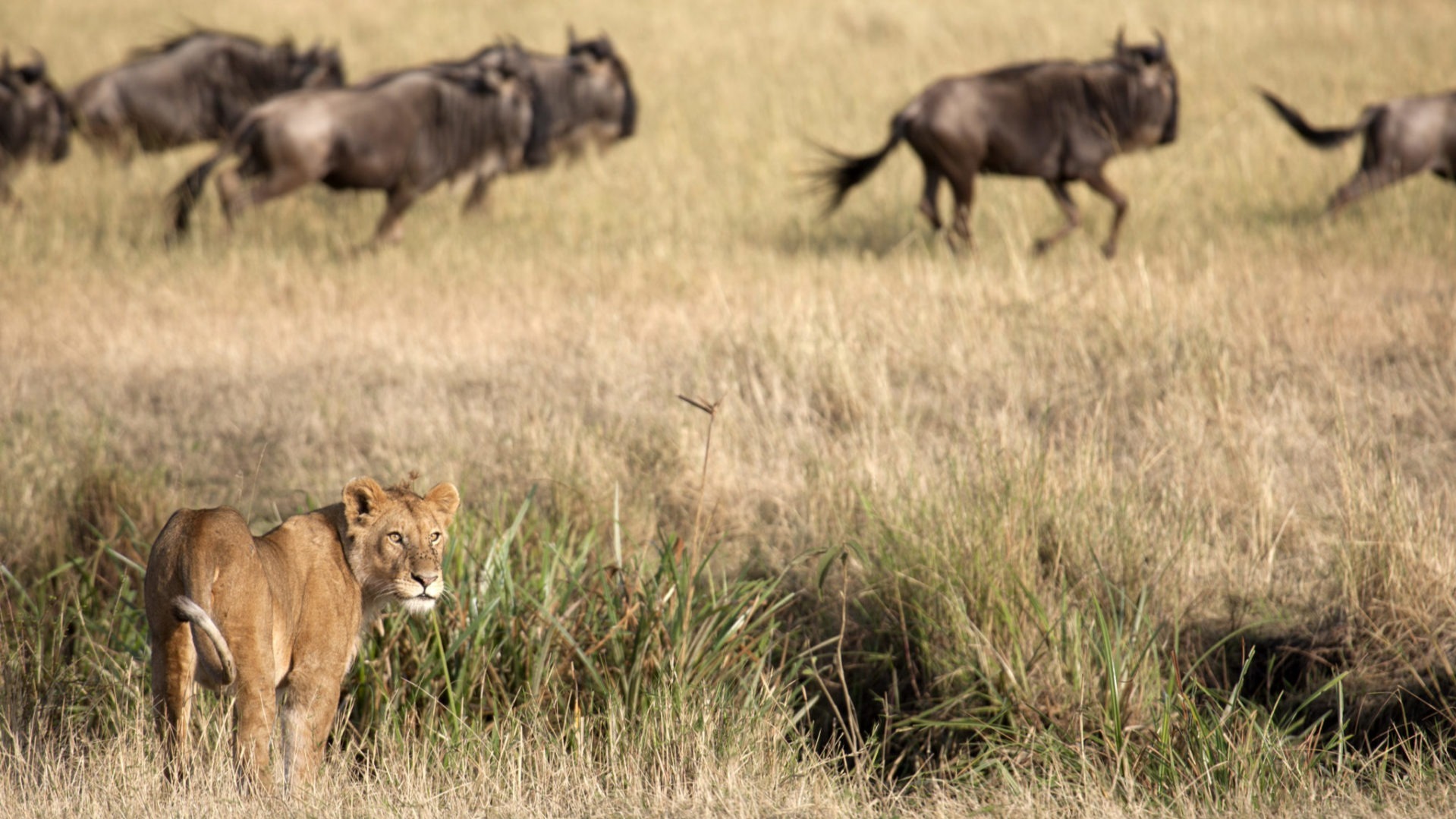
Recent news on wildlife in Tanzania reveals significant changes unfolding across the country's vast savannah landscapes. The great wildebeest migration, one of the planet's most remarkable natural spectacles, is showing measurable shifts in timing and pathways, influenced by increasingly unpredictable rainfall patterns. A factual summary drawn from peer-reviewed studies indicates that between 2015 and 2023, the core migration route through the northern plains has contracted by approximately 18 percent in key sectors, forcing herds to seek new grazing areas earlier in the season.
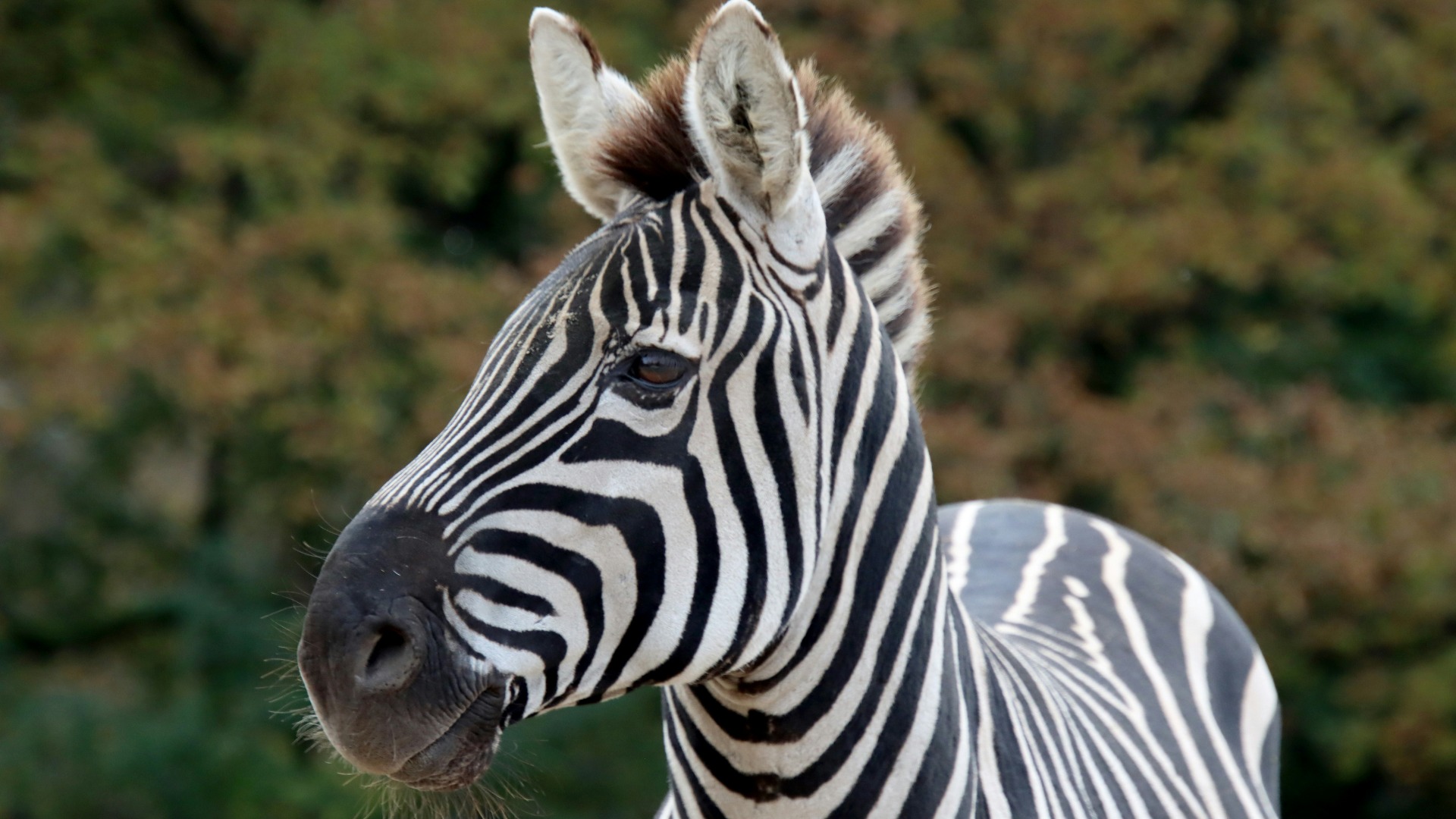
These developments carry important implications for the millions of wildebeest and zebra that traverse the Serengeti-Mara ecosystem each year. As Encounters Africa continues to monitor conditions on the ground through our specialist partners, we see both challenges and signs of remarkable adaptability among these migrating herds. Understanding these dynamics helps travellers appreciate the delicate balance that defines Tanzania's wilderness areas.
The Changing Rhythm of the Great Migration
Long-term monitoring by the Frankfurt Zoological Society and Tanzanian wildlife authorities has documented a clear trend: the onset of the wet season rains, which traditionally trigger the northward movement from the southern Serengeti, now arrives an average of 12 days later than it did in the early 2000s. This delay compresses the window for calving and affects grass quality across vast stretches of the plains.
News articles from scientific journals such as Ecological Applications highlight how these drier seasons are reshaping the annual journey. In 2022, researchers recorded that nearly 40 percent of the wildebeest population lingered in the central Serengeti until mid-May, compared to the historical average of late April. Such adjustments demonstrate the animals' capacity to respond to environmental cues, yet they also increase pressure on water sources and heighten competition with resident species.
The savannah does not stand still; it whispers new instructions each year, and the herds listen with their hooves.
These alterations are not uniform. Some herds have begun utilising corridors further east, venturing closer to the Ngorongoro Conservation Area boundaries. This expansion brings fresh opportunities for photographic observation but also raises questions about human-wildlife conflict in community lands bordering protected zones.

Climate Data Behind the Shifts
Satellite imagery and ground-based weather stations paint a detailed picture of evolving conditions. Rainfall records from 1990 to 2023 show a 22 percent decline in average precipitation during the critical November-to-April period in the southern Serengeti. The news on Tanzanian life in rural areas surrounding the park reflects these changes too, with pastoralist communities reporting altered grazing availability for their livestock.
Scientists from the University of Glasgow, collaborating with local institutions, published findings in 2024 demonstrating that vegetation biomass in traditional calving grounds has decreased by 14 percent over the past decade. This reduction directly influences calf survival rates, which have fluctuated between 55 and 68 percent in recent years according to annual aerial surveys.
The implications extend beyond the plains. As waterholes become more scattered, predators such as lions and hyenas adjust their hunting strategies, leading to observable changes in pride dynamics and territorial behaviour. These intricate relationships form the foundation of the ecosystem's resilience, yet they remain vulnerable to further climatic disruption.
How Migrating Herds Are Adapting
Wildebeest and zebra have evolved over millennia to respond to environmental variability, and current observations suggest this flexibility persists. GPS collar data from over 200 individuals tracked between 2018 and 2023 reveals that many animals now follow more circuitous routes, sometimes covering an additional 80 kilometres to reach reliable water.
Interestingly, news on wildlife in Tanzania also reports instances of behavioural innovation. In the Grumeti sector, certain zebra groups have been documented lingering near permanent rivers longer than previous generations, effectively extending their time in nutrient-rich areas. Such adaptations may help buffer against the unpredictability of seasonal rains.
Resilience in the wild is rarely dramatic. It reveals itself in small, daily decisions made by thousands of hooves choosing where to tread next.
However, these changes come with trade-offs. Extended travel distances require greater energy expenditure, potentially affecting body condition and reproductive success. Conservation teams are carefully recording these metrics to understand long-term population viability.
What Does This Mean for Safari Experiences?
For those planning journeys with Encounters Africa, these shifts influence the optimal timing of visits to witness the migration. Traditional peak periods in June and July may now offer different viewing opportunities, with herds more dispersed across a wider area. This can translate into more intimate encounters rather than the famous river crossings that once defined the experience.
Experienced guides from our partner camps report that the unpredictability has actually enriched wildlife viewing in certain months. February, once considered primarily a calving period, now frequently delivers dramatic predator-prey interactions as animals navigate changing resource distribution.
Conservation Responses on the Ground
Tanzanian authorities, working alongside international partners, have implemented several initiatives to support both wildlife and the communities that share these landscapes. The creation of additional wildlife corridors, spanning more than 1,200 square kilometres in the northern sector, aims to provide safe passage during periods of resource stress.
Community-based conservation programmes have shown promising results. In villages adjacent to the Serengeti, livestock protection measures funded through tourism revenue have reduced human-wildlife conflict incidents by 31 percent since 2019. These programmes demonstrate how economic incentives can align with ecological needs, offering a model for sustainable coexistence.
News articles covering these developments often emphasise the importance of continued investment in anti-poaching patrols and habitat monitoring. The deployment of SMART (Spatial Monitoring and Reporting Tool) technology has improved response times to potential threats, with rangers covering an average of 45 kilometres per patrol in high-risk zones.

Conservation is not simply about protecting animals from people. It is about creating conditions where both can thrive across generations.
The Role of Scientific Research and Monitoring
Ongoing research provides the foundation for informed management decisions. The Serengeti Biodiversity Programme, active since 1960, represents one of Africa's longest-running ecological studies. Recent findings from this initiative have been instrumental in updating park management strategies to account for climate variability.
Camera trap networks and drone surveys now supplement traditional counting methods, offering more precise data on population distribution. In 2023, these technologies helped identify previously under-recorded wet season refugia in the eastern plains, areas that may become increasingly vital as conditions continue to evolve.
Collaborative projects between Tanzanian universities and international research bodies ensure that local expertise shapes both the questions asked and the solutions proposed. This approach strengthens the scientific foundation for adaptive management practices across the ecosystem.
Practical Considerations for Visitors
Those hoping to witness these remarkable natural processes should consider several factors when planning their journey. The best time to observe the migration now varies more widely than in previous decades, making flexible itineraries particularly valuable. February to March often provides excellent opportunities to see newborn calves, while May through July remains prime for river crossings, though exact locations may shift.
Selecting accommodations that support local conservation efforts enhances the positive impact of your visit. Properties such as Serengeti Migration Camp and Entamanu Ngorongoro work closely with surrounding communities, directing tourism revenue toward both conservation and development projects. For a broader perspective on East African journeys, our article on Rwanda's mountain gorilla conservation success offers valuable parallels in community-centred wildlife protection.
Responsible wildlife viewing practices have never been more important. Maintaining appropriate distances, following guide instructions, and minimising disturbance helps ensure that animals can continue their essential behaviours without unnecessary stress.
What Recent Shifts in Tanzania's Savannah Mean for Migrating Herds
The evolving patterns observed in Tanzania's northern plains represent more than simple changes in animal movement. They reflect deeper transformations in the environmental systems that have sustained these spectacular migrations for countless generations. Current data suggests that while challenges exist, the fundamental resilience of the ecosystem remains intact when properly supported through thoughtful conservation measures.
Studies indicate that wildebeest numbers have stabilised around 1.3 to 1.5 million individuals in recent counts, demonstrating that the population can withstand periods of environmental stress. This stability provides cautious optimism, though continued monitoring remains essential to detect any concerning trends before they become critical.
The news on wildlife in Tanzania therefore carries a dual message: celebration of nature's adaptability alongside a clear call for sustained commitment to habitat protection and climate resilience strategies. As these magnificent herds adjust their ancient rhythms, they remind us of the interconnectedness of all life across these extraordinary African landscapes.
Looking Ahead: Supporting Tanzania's Wildlife Future
The coming decades will likely bring further adjustments to the patterns that have defined the Serengeti for so long. By staying informed about these developments and choosing to travel with operators who prioritise genuine conservation outcomes, visitors become part of the solution rather than additional pressure on already changing systems.
Encounters Africa maintains close relationships with leading conservation organisations working across Tanzania. Our team continuously updates safari itineraries to reflect current conditions, ensuring guests experience the migration in its most authentic and responsible form. For discerning travellers seeking a private safari beyond our set itineraries, we invite you to contact us directly. We specialise in designing exceptional, tailor-made journeys for individuals, couples, families, and private groups of up to eight guests. Drawing on our handpicked network of distinguished camps and lodges, we curate every detail with precision and care, creating a seamless, deeply personal safari experience shaped entirely around your preferences, pace, and budget.
Whether your interest lies in witnessing the great migration, exploring the cultural richness of local communities, or contributing meaningfully to conservation efforts, a thoughtfully planned journey can create lasting connections with these remarkable wild places. The savannah continues to write its own story. We simply help our guests read it with understanding and respect.
To begin planning your own encounter with Tanzania's dynamic wildlife, we encourage you to visit our enquiry form and share your aspirations. Our specialists look forward to crafting an experience that honours both the magnificent herds and the communities who safeguard their future.
More like this
News
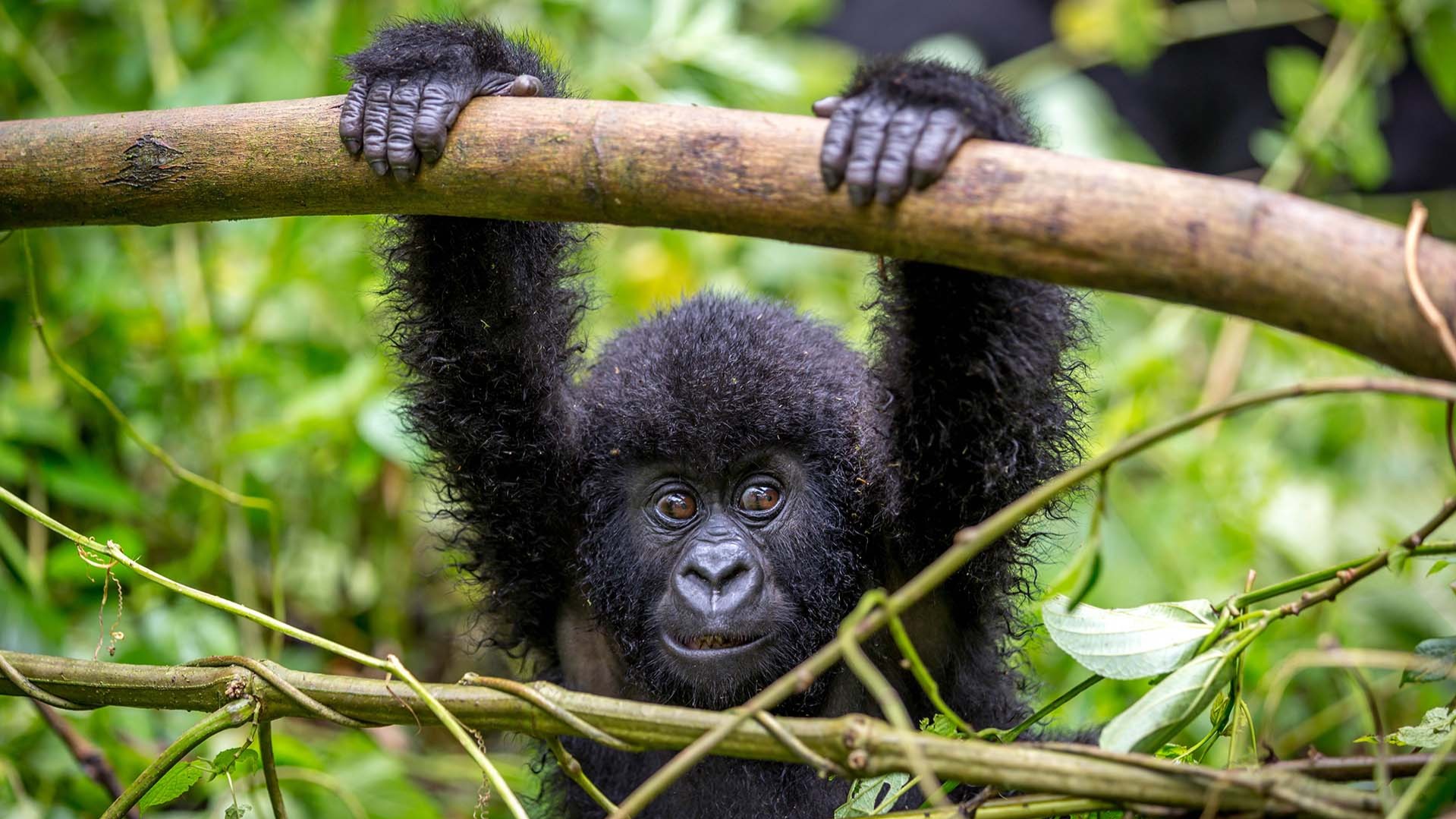
What Recent Surveys Reveal About Recovering Ugandan Wildlife Populations
News
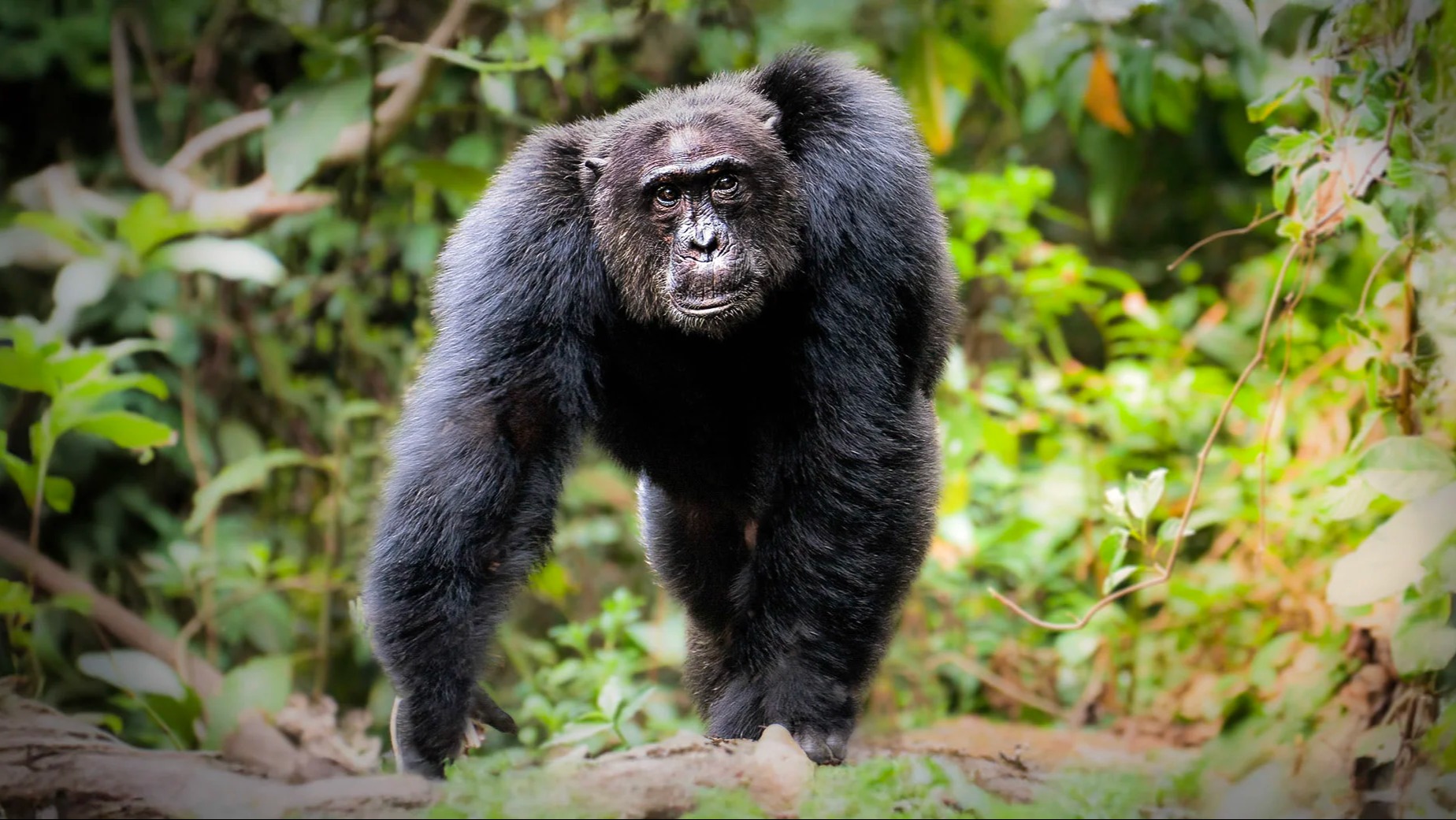
What Scientists Discovered About Chimpanzee Behavior During Recent Kibale Surveys
news
Why Digital Professionals Are Trading City Salaries for Kenyan Savannas
news
Why New African Carriers Are Driving Down Regional Airfares
news
Why Safari Seasons Are Shifting Across East and Southern Africa
News