Tips & Advice
What First-Timers Rarely Expect When Touring Botswana’s Remote Landscapes
Encounters Africa - 9 min read
Updated on 30 June 2026
When you first arrive in Botswana, the sheer scale of its wilderness can feel almost overwhelming. The country rewards those who embrace its rhythms rather than trying to impose their own schedule, offering encounters that linger long after the journey ends. This article shares essential Botswana tips and advice for visitors drawn from years of guiding first-time travellers through its remote landscapes, helping you move beyond surface-level expectations.
Touring Botswana demands more than spotting wildlife. Learn how seasonal flooding alters road access, why self-driving requires extra caution, and how to balance luxury lodges with authentic cultural encounters. With careful preparation, your first safari here becomes a profound immersion into one of Africa's most intact ecosystems, where water dictates movement and silence often speaks loudest.
The Reality of Botswana's Shifting Seasons
Most first-timers underestimate how dramatically the landscape transforms between the dry and wet seasons. From May to October, the dry months bring concentrations of game around remaining water sources, creating reliable viewing opportunities across the Okavango Delta and surrounding concessions. Yet the true magic often unfolds from November through April when the floodwaters arrive from Angola's highlands.
These seasonal floods can rise by two metres within weeks, turning dusty plains into vast inland seas. What appeared as a straightforward dirt track on the map might suddenly become impassable, forcing even experienced operators to reroute. Understanding this hydrological pulse is fundamental to any successful journey; the water doesn't merely refresh the land but fundamentally reshapes how humans and wildlife interact with it.
The floodwaters don't announce themselves with drama. Instead they creep across the Kalahari sands with quiet insistence, reminding every visitor that in Botswana, nature maintains the timetable.
Choosing Your Timing with Intention
The optimal window for your first visit depends entirely on what moves you most. Wildlife enthusiasts seeking predator action often prefer the dry season's concentrated game viewing, while those drawn to birdlife and the Delta's transformation should consider the green season despite occasional afternoon thunderstorms. June to August typically offers the most comfortable temperatures for game drives, hovering between 25°C and 30°C during the day.
Whatever month you select, build flexibility into your itinerary. A sudden shift in water levels might mean swapping a planned mokoro excursion for a helicopter transfer, an experience that itself becomes memorable. Encounters Africa frequently adjusts routes based on real-time conditions, ensuring guests witness the Delta at its current best rather than a predetermined ideal.

Why Self-Driving Botswana Requires Special Consideration
While independent travel appeals to many, tips and advice for touring Botswana almost universally recommend against self-driving for first-time visitors. The country's vast distances, limited signage, and variable road conditions create challenges even for seasoned African travellers. Fuel stations can be 300 kilometres apart, and mobile phone coverage disappears entirely once you leave major hubs like Maun or Kasane.
Professional guides bring far more than navigation expertise. Their knowledge of animal behaviour, tracking abilities, and understanding of local ecology transform game drives from observational outings into educational experiences. A skilled guide might notice the subtle tail twitch of an impala that signals a nearby leopard long before you would spot it yourself.
Self-driving might seem liberating until your vehicle bogs down in black cotton soil 40 kilometres from the nearest help, with nightfall approaching and limited water supplies.
Essential Logistics for Independent Travellers
If you remain determined to drive independently, certain preparations are non-negotiable. Carry at least 20 litres of additional fuel, a satellite phone or GPS tracker, and comprehensive recovery equipment including a high-lift jack and traction boards. Always travel with a minimum of two vehicles when venturing off major routes, and inform your lodge or camp of your expected arrival time.
Consider beginning with a guided journey through more remote areas like the Central Tuli Block before attempting self-drive segments in better-serviced regions. This hybrid approach allows you to experience both the intimacy of private guiding and the freedom of independent exploration. For those seeking structured support, our Botswana safari itineraries offer various levels of independence while maintaining professional oversight where it matters most.
Accommodation: Finding Balance Between Comfort and Authenticity
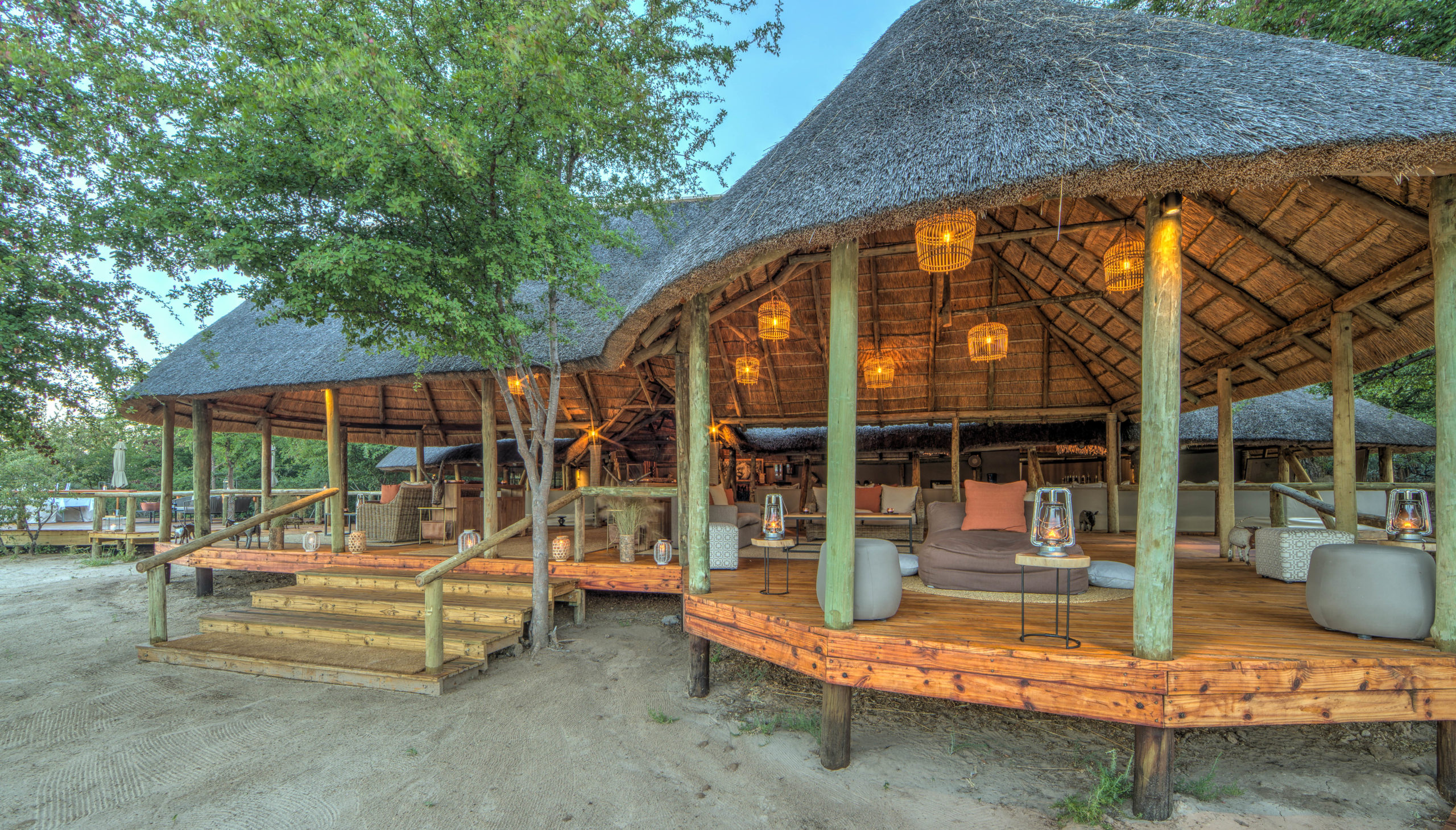
Botswana's lodge spectrum ranges from exclusive tented camps accommodating just eight guests to larger properties offering more amenities. First-time visitors often arrive expecting uniform luxury only to discover that the most rewarding experiences frequently come from camps that integrate more deeply with their surroundings. A well-positioned tent with mesh windows allows the night sounds of the bush to become part of your accommodation rather than existing beyond it.
The key lies in matching your accommodation to your interests rather than simply selecting the highest star rating. A mobile tented camp following the zebra migration offers different insights than a permanent lodge overlooking a permanent waterhole. Both have value, yet they deliver distinctly different connections to the landscape.
Cultural Encounters That Matter
Beyond wildlife, Botswana's human heritage enriches any journey. Opportunities to meet San communities in the Central Kalahari or learn basket-weaving techniques from Bayei women in the Panhandle provide context that transforms your understanding of the region. These interactions should feel organic rather than performative, which is why selecting operators with established community relationships matters greatly.
At Dinaka in the northern reaches, guests can participate in seasonal harvesting activities with local families when conditions allow. Such experiences remind us that this wilderness has been carefully stewarded by its indigenous inhabitants for millennia. When choosing your itinerary, look for operators who allocate time for these meaningful exchanges rather than treating them as optional add-ons.
Practical Botswana Tips and Advice for Visitors: What to Pack and Prepare
Space in light aircraft is strictly limited, typically 20 kilograms per person including hand luggage. This constraint forces thoughtful packing that prioritises versatility over volume. Neutral-coloured clothing in khaki, olive and beige helps you blend into the environment while long-sleeved shirts and trousers provide essential protection against both sun and insects.
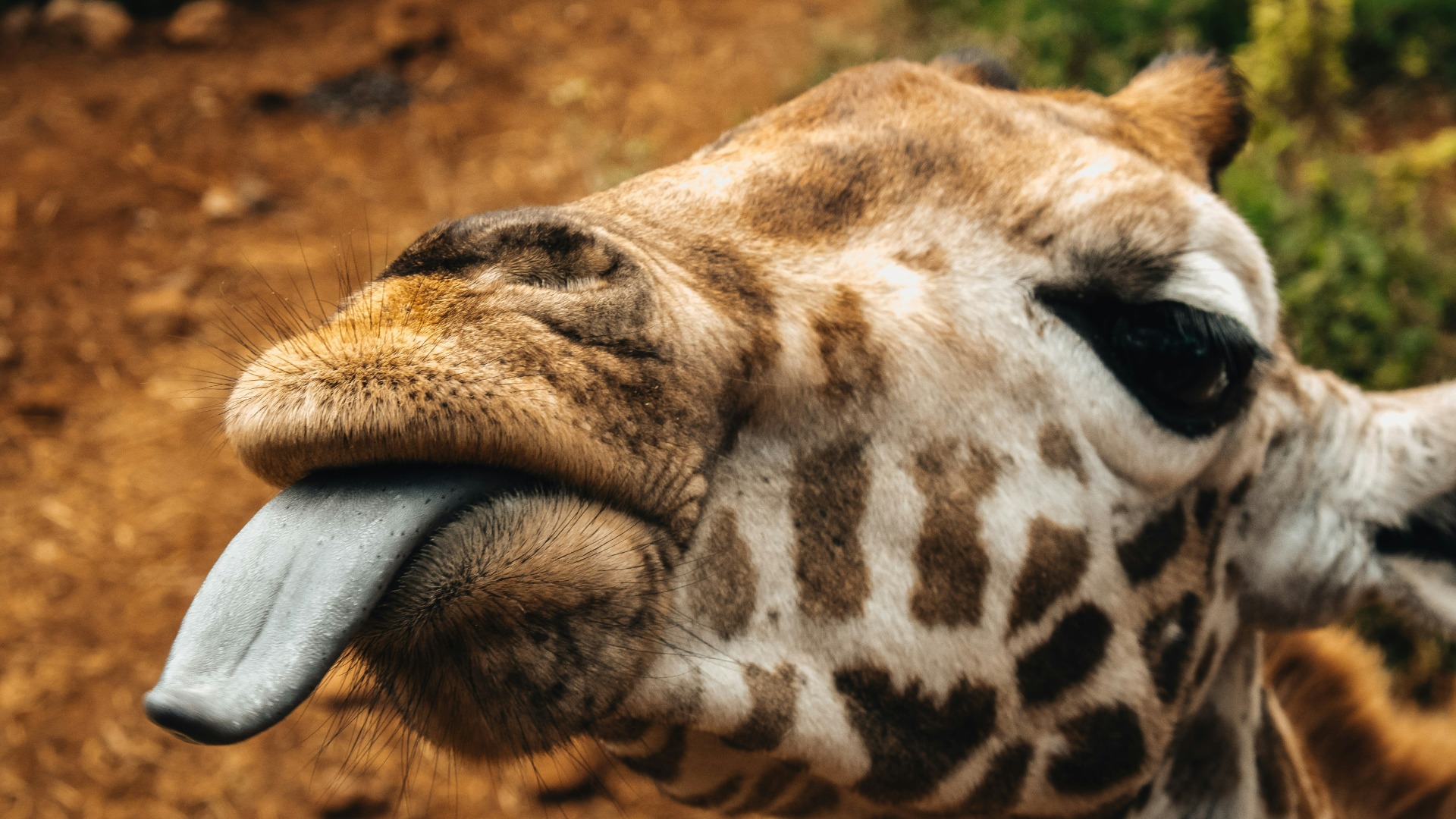
Binoculars represent perhaps your most important investment. A quality pair of 8x42 or 10x42 specifications allows you to appreciate details invisible to the naked eye, from the intricate patterning on a giraffe's coat to distant bird species. Quality binoculars transform game viewing from passive observation to active discovery.
What you leave behind often defines your experience as much as what you bring. In Botswana's refined simplicity, less truly becomes more.
Health, Safety and Environmental Considerations
Malaria prophylaxis remains important in northern Botswana, particularly during the wetter months. Consult your travel doctor at least six weeks before departure to determine the most suitable medication for your health profile. Additionally, a comprehensive travel insurance policy that includes medical evacuation coverage is essential given the remote nature of many camps.
Respecting the environment extends beyond not littering. Botswana's conservation model relies heavily on high-value, low-impact tourism. By choosing responsible operators and adhering to guidelines about approaching wildlife, you contribute to a system that has successfully protected vast wilderness areas. The country's elephant population, now exceeding 130,000 individuals, stands as testament to these carefully managed policies.
Understanding Local Customs and Communication
Botswana's people are renowned for their courtesy and reserve. A warm greeting in Setswana goes a long way towards establishing rapport, with "Dumela" (hello) and "Ke a leboga" (thank you) being particularly useful phrases. Taking time to learn even these basics demonstrates respect that locals genuinely appreciate.
Photography of people requires explicit permission in most circumstances. Rather than photographing from a distance, engage in conversation first. Many community members are proud to share aspects of their culture when approached with genuine interest rather than as subjects for your camera roll. This respectful approach often leads to more meaningful interactions and, occasionally, invitations to witness traditional activities not normally shared with visitors.
Photography and Memory-Making in Remote Landscapes
The quality of light in Botswana's expansive spaces creates exceptional photographic opportunities, particularly during the golden hours shortly after dawn and before dusk. However, the intensity of midday sun can flatten landscapes dramatically. Understanding these patterns helps you maximise your camera time while still being fully present in the moment.
Consider keeping a journal alongside your photographs. The sensory details that might not translate visually, the smell of rain on acacia leaves or the particular quality of silence before a lion roars, often become the memories that endure longest. Many of our guests report that combining written reflections with their images creates the richest possible record of their time in this remarkable country.
Embracing the Unexpected in Botswana
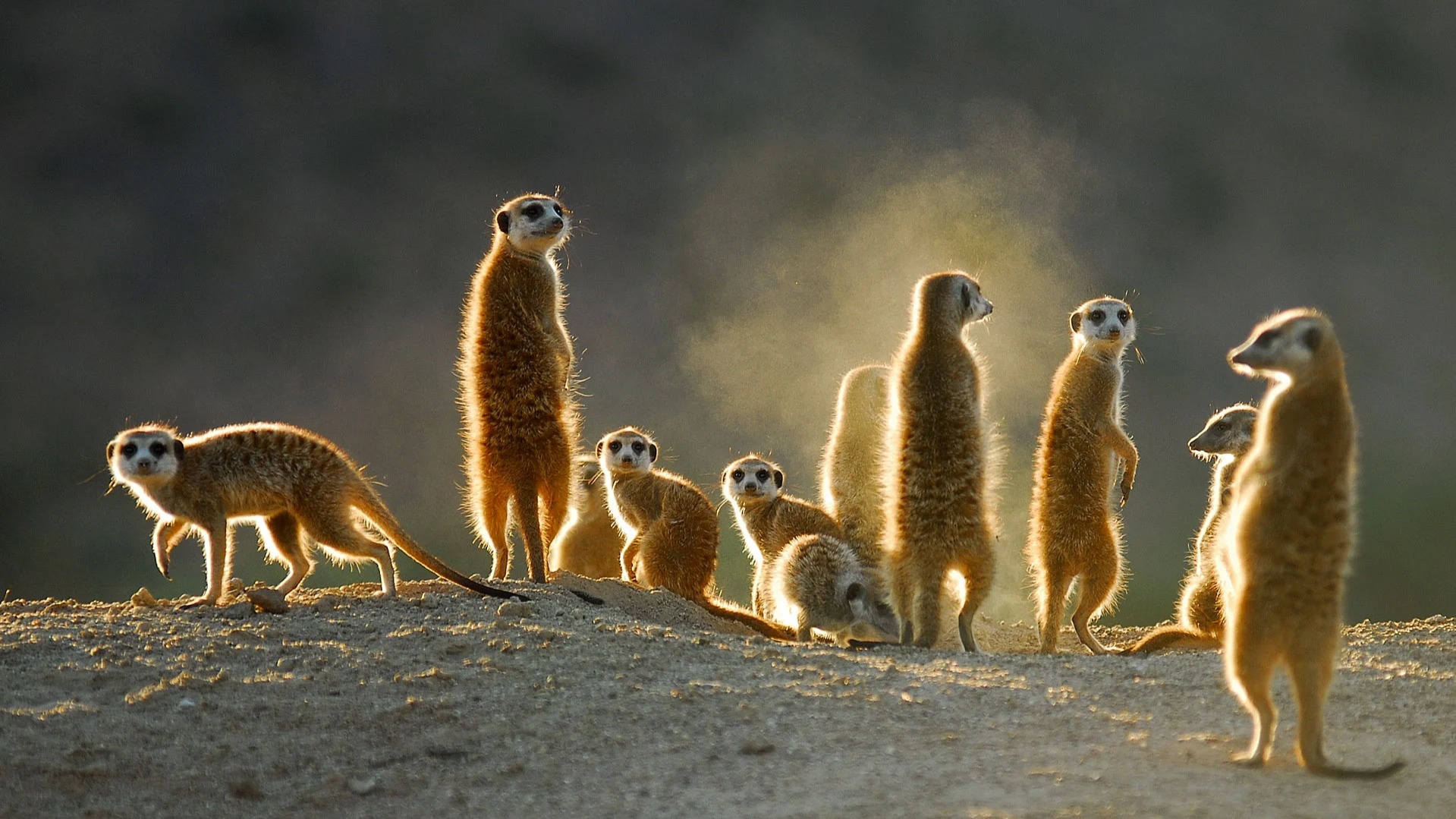
Perhaps the most valuable Botswana tips and advice for visitors is to remain open to experiences that weren't on your original itinerary. A sudden rainstorm might cancel an afternoon activity but could reveal a spectacular lightning display over the Makgadikgadi Salt Pans. An encounter with a research team studying meerkats might lead to an impromptu lecture about their complex social structures.
These unscripted moments often become the highlights of a first journey to Botswana. The country's remote landscapes have a way of recalibrating expectations, teaching patience and presence in equal measure. By approaching your safari with curiosity rather than a rigid agenda, you position yourself to receive the gifts this ancient land offers to those willing to listen.
For discerning travellers seeking a private safari beyond our set itineraries, we invite you to contact us directly. We specialise in designing exceptional, tailor-made journeys for individuals, couples, families, and private groups of up to eight guests. Drawing on our handpicked network of distinguished camps and lodges, we curate every detail with precision and care, creating a seamless, deeply personal safari experience shaped entirely around your preferences, pace, and budget.
Whether this will be your first encounter with Botswana's wilderness or a return journey to deepen existing connections, reach out to Encounters Africa to begin planning. Our team of specialists has decades of collective experience crafting journeys that honour both the land and its people while creating memories that resonate for years to come. The Delta awaits, with all its shifting beauty and unexpected revelations.
More like this
Tips & Advice
What I Wish I Had Known Before My First Journey Across Kenya
Tips & Advice
What I Wish I Had Known Before Stepping onto Ugandan Soil
Tips & Advice
What It Takes to Navigate African Roads as a Professional Tour Guide
Tips & Advice
What Most Travelers Overlook Before Booking Botswana Wildlife Trips
Tips & Advice
What Most Travelers Overlook When Planning Their Tanzania Safari
Tips & Advice