Conservation
What Happens When Lodges Invest Directly in Kenya's Endangered Species
Encounters Africa - 10 min read
Updated on 24 June 2026
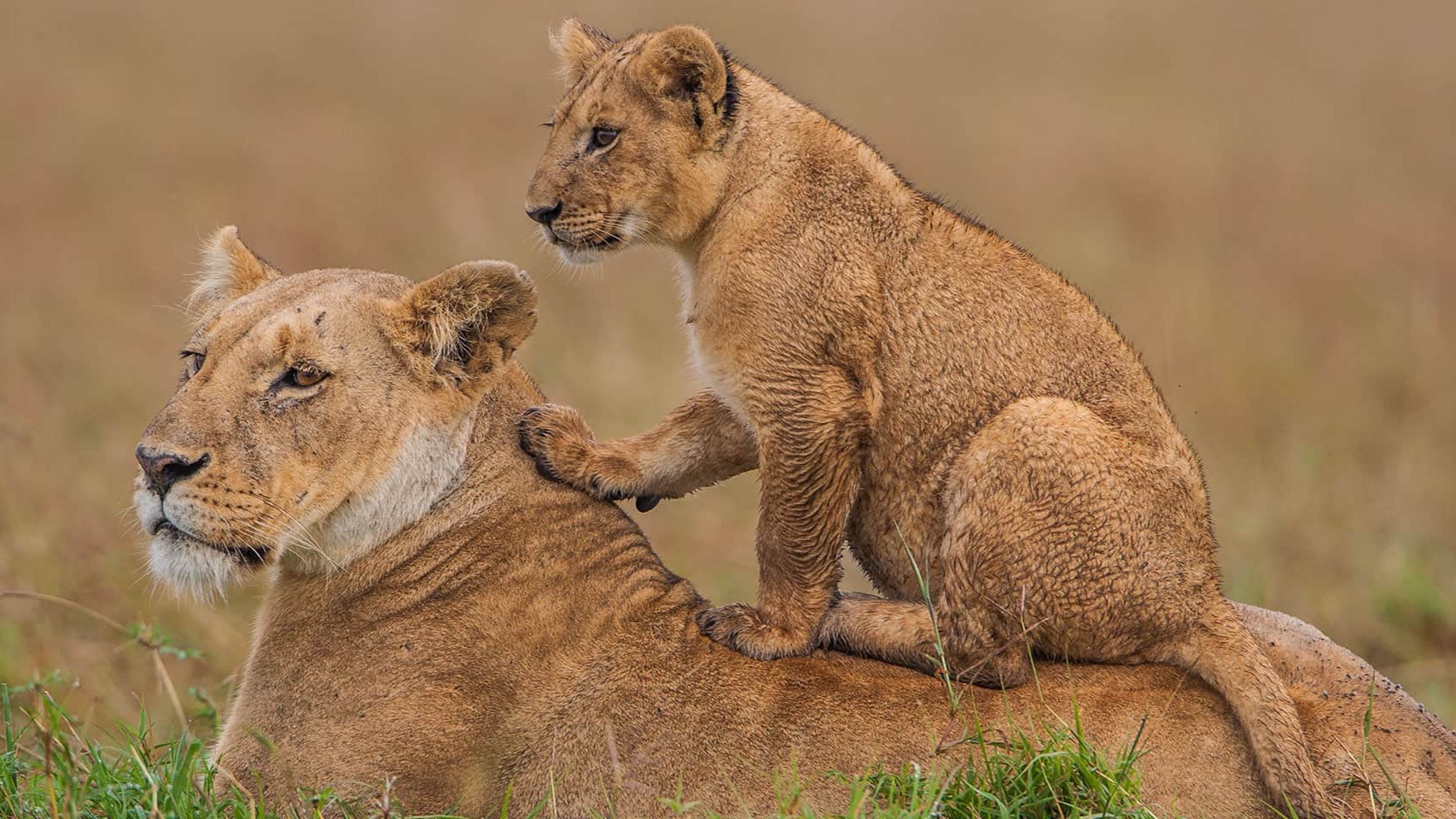
Kenya conservation efforts have transformed how private lodges and reserves approach the protection of wildlife in Kenya. When high-end camps channel resources directly into species recovery programmes, the results extend far beyond the boundaries of any single property, creating ripple effects that benefit both animals and the communities who share their landscapes. A factual summary shows that between 2015 and 2023, targeted investments from tourism operators helped increase black rhino numbers in key Kenyan conservancies by over 40 percent while simultaneously funding anti-poaching initiatives that reduced elephant poaching incidents by more than 60 percent in monitored areas.
These partnerships illustrate a powerful model where guest revenue becomes a lifeline for endangered species. From funding mobile veterinary units that treat hundreds of animals annually to supporting habitat corridors that allow seasonal migrations to continue uninterrupted, the approach delivers measurable conservation gains. Travellers who choose these experiences witness not only iconic wildlife in Kenya but also the quiet machinery of protection that keeps these populations viable for future generations.
The Evolution of Lodge-Led Conservation in Kenya
Private tourism operators in Kenya have gradually shifted from passive observers to active participants in species protection. This change gained momentum in the early 2000s when several forward-thinking lodges recognised that simply hosting visitors was no longer enough to guarantee the survival of the animals drawing those visitors. Today, many properties allocate between 10 and 25 percent of their revenue to direct conservation work, creating a sustainable funding stream that government budgets alone cannot match.
In Laikipia and the Maasai Mara, this model has matured into sophisticated programmes that combine scientific research with practical fieldwork. Lodges now employ dedicated conservation managers who coordinate with national wildlife authorities, ensuring efforts complement rather than duplicate official initiatives. The result is a more cohesive approach to protecting large mammals across both private and public lands.
When a lodge invests in a single collar for a lion or helps fund a water point that serves both wildlife and livestock, it creates connections that last far longer than any safari.
From Revenue to Recovery
The financial mechanics are straightforward yet effective. Each guest staying at participating properties contributes to a conservation levy, often included in the nightly rate. These funds support everything from ranger salaries to community education programmes. In one documented case, a single lodge's annual contribution exceeded the government allocation for anti-poaching in its surrounding conservancy by nearly threefold.
This direct investment model has proven particularly successful for species facing specific threats. For black rhinos, lodges have funded de-snaring operations and monitoring teams that track individual animals using both traditional tracking and modern technology. The approach has helped establish several thriving breeding nuclei in areas where rhinos had previously disappeared.
How Lodges Support Anti-Poaching and Habitat Protection
Kenya conservation efforts gain strength when lodges fund the frontline defenders of wildlife in Kenya. Many properties now operate their own rapid-response teams equipped with vehicles, communication systems, and tracking dogs. These units often respond to incidents within hours rather than days, dramatically improving outcomes for both animals and rangers.
Habitat work forms another crucial pillar. In regions where agricultural expansion threatens migration routes, lodge-supported initiatives have secured vital corridors through land leases and community agreements. The Lewa Conservancy demonstrates this approach, where private funding has helped maintain open pathways for elephants moving between Mount Kenya and the northern rangelands.
Water resource management has also benefited from lodge involvement. During severe droughts, properties have invested in solar-powered boreholes and catchment systems that benefit both wildlife and local livestock. These interventions reduce competition between herders and animals, decreasing conflict and associated retaliatory killings.
The most successful conservation happens when local communities see tangible benefits from protecting the wildlife on their land rather than viewing animals as competition or threats.
Technology Meets Traditional Knowledge
Modern conservation in Kenya increasingly blends innovative tools with indigenous tracking skills. Lodges have funded the deployment of camera traps, GPS collars, and even drone surveillance in sensitive areas. Yet the most valuable data often comes from the experienced eyes of local rangers who can read subtle signs in the landscape that technology might miss.
This combination has proven especially effective in monitoring lion prides and cheetah coalitions. Real-time data allows managers to anticipate potential conflict zones and deploy resources proactively rather than reactively. Several lodges now share this information through collaborative platforms that span multiple conservancies, creating a regional picture of wildlife movements and threats.
Success Stories: Rhino and Elephant Recovery
The impact of sustained lodge investment becomes clearest when examining specific species recovery programmes. Black rhino populations in Kenya have shown remarkable resilience in well-managed conservancies. From a low of around 450 individuals nationwide in the early 1990s, numbers have climbed to more than 700 today, with private lands playing a disproportionately important role in this recovery.
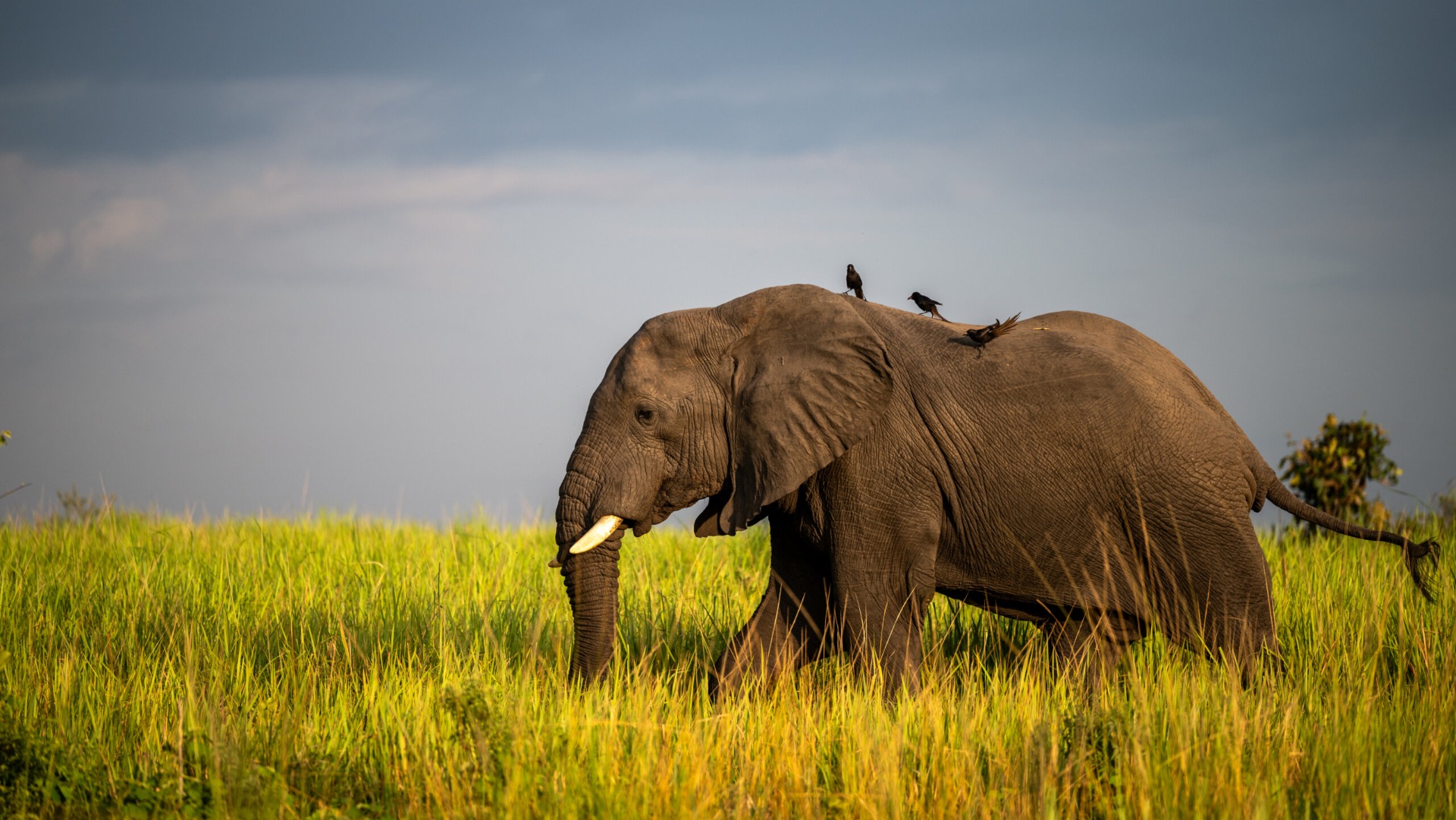
Elephants have similarly benefited from reduced poaching pressure and improved habitat connectivity. The Ol Pejeta Conservancy provides a compelling case study, where lodge-supported initiatives have helped maintain one of Kenya's highest densities of these intelligent giants. Their work includes not only protection but also research into elephant behaviour and social structures that informs management across the region.
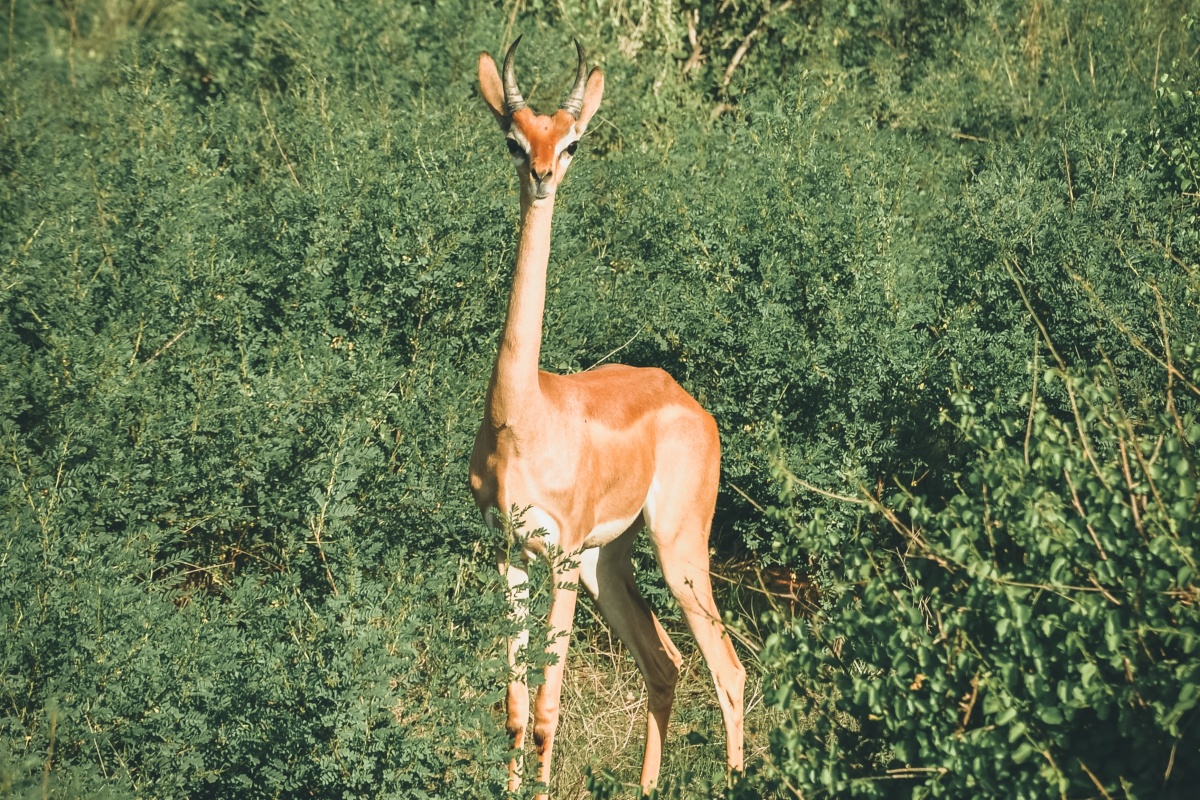
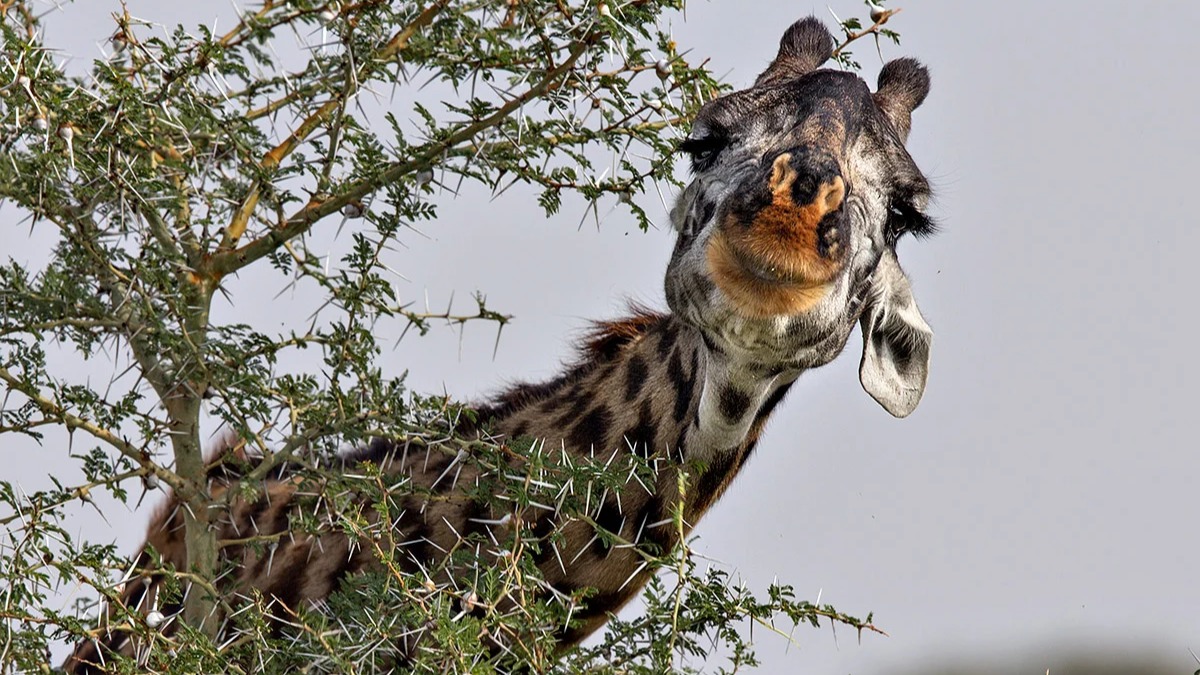
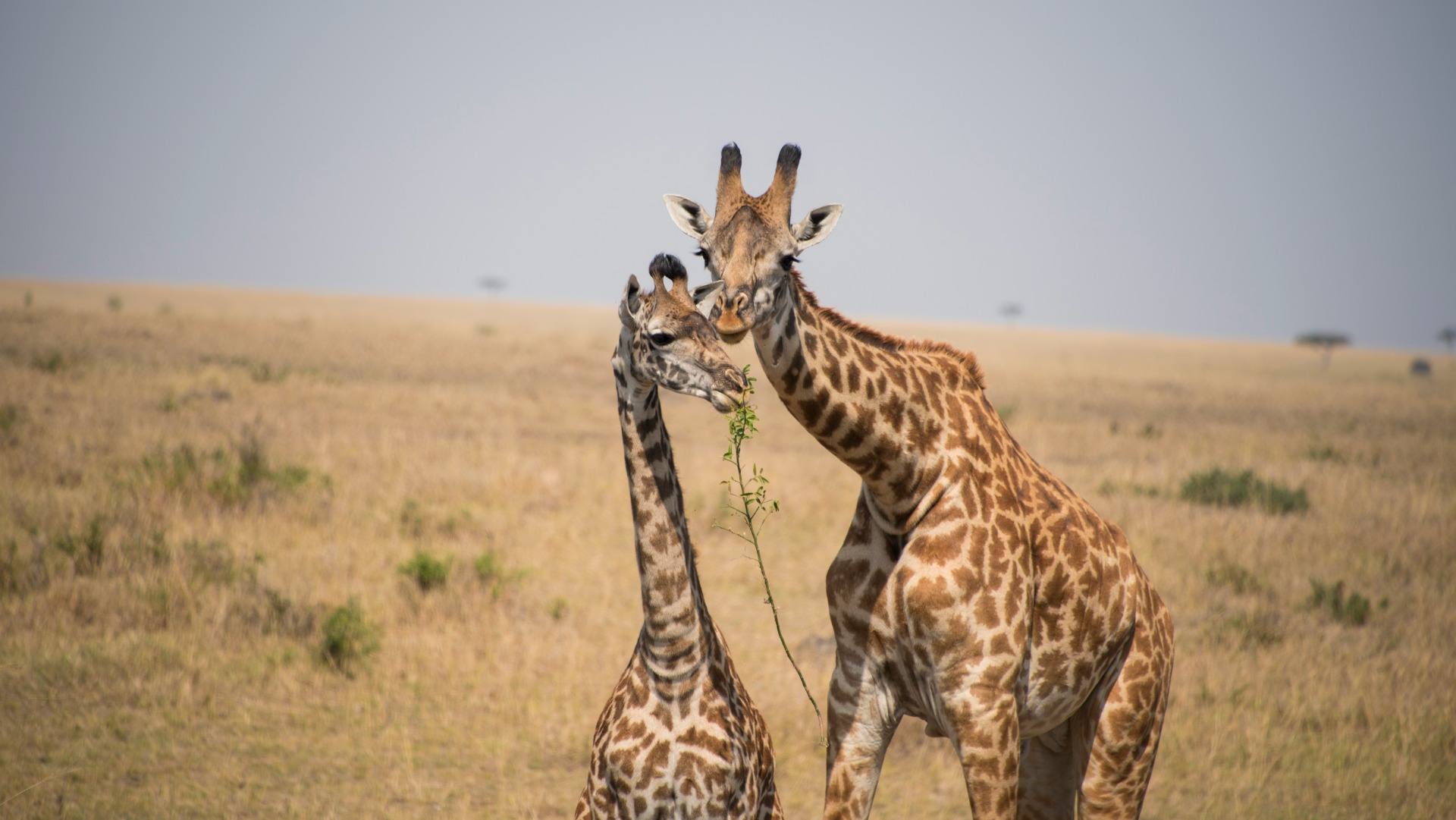
Even more specialised species have found champions among private operators. The reticulated giraffe and Grevy's zebra have both seen population increases in areas where lodges have invested in dedicated monitoring and habitat improvement projects. These successes demonstrate that targeted funding can make a meaningful difference for species that might otherwise slip through the cracks of broader conservation strategies.
Measuring What Matters
Responsible operators now insist on rigorous monitoring to ensure their investments deliver results. Annual reports track everything from animal population trends to the number of snares removed and community members trained. This data-driven approach allows for course corrections and helps justify continued funding to both guests and donors.
Independent audits by organisations such as the Kenya Wildlife Service provide additional validation. When lodge-funded programmes consistently show positive outcomes, it encourages other properties to adopt similar models, gradually raising standards across the industry.

Community Partnerships That Sustain Conservation
Long-term success in protecting wildlife in Kenya depends on meaningful engagement with the people who live alongside these animals. Many lodges have moved beyond simple employment to develop comprehensive community programmes that address education, healthcare, and alternative livelihoods. These initiatives help shift local attitudes from tolerance to active support for conservation.
School outreach programmes reach thousands of children each year, introducing them to the value of their natural heritage through both classroom learning and field visits. Several properties have built conservation education centres where students can learn about tracking techniques, biodiversity monitoring, and the ecological role of different species.
Livestock management projects represent another crucial intervention. By improving veterinary services and introducing predator-proof enclosures, lodges help reduce losses to big cats and other carnivores. This decreases the incentive for retaliatory poisoning and creates space for both wildlife and pastoralist traditions to coexist.
Conservation cannot succeed if it pits people against nature. The most effective programmes create genuine shared value between wildlife, landscapes, and the communities who call these places home.
Women and Youth as Conservation Leaders
Forward-thinking lodges increasingly focus on empowering specific demographic groups within communities. Women's conservancy groups now manage several lodge-supported enterprises, from beadwork cooperatives to eco-tourism ventures. These initiatives provide economic alternatives while building a network of advocates for wildlife protection.
Youth programmes similarly channel energy that might otherwise lead to poaching or habitat destruction into positive conservation outcomes. Several properties offer ranger training pathways for promising young people, creating clear career routes within the wildlife sector and helping to professionalise the field.
What This Means for Travellers Choosing Responsible Operators
For those planning a safari in Kenya, understanding a lodge's conservation commitment has become an essential part of responsible travel. Properties that invest meaningfully in protection offer more than just luxury accommodation and game viewing. They provide an opportunity to engage directly with the challenges and successes of modern African conservation.
Many camps now include visits to their conservation projects as optional activities. These might involve meeting veterinary teams, observing collaring operations, or spending time with community groups. Such experiences add depth to a safari, transforming it from passive observation to active participation in a larger story of hope and recovery.
Questions Travellers Often Ask About Conservation Contributions
How much of my booking fee actually reaches conservation projects? This varies by operator, but reputable lodges typically direct between 10 and 25 percent of revenue to dedicated conservation funds. The most transparent properties publish annual reports detailing exactly how these resources are allocated and what outcomes they achieve.
Can I visit the projects my stay supports? Many lodges facilitate visits to anti-poaching units, veterinary facilities, or community initiatives. These can often be arranged in advance, though some activities may be subject to operational requirements or seasonal constraints.
Does choosing a conservation-focused lodge limit my safari experience? On the contrary, these properties often provide exceptional guiding and access to wildlife-rich areas. The knowledge that your visit contributes to protection frequently enhances the overall experience, creating a deeper connection to the landscape and its inhabitants.
The Road Ahead for Kenya's Conservation Model
As climate change brings new pressures to East African ecosystems, the adaptability of lodge-supported conservation will become increasingly important. Properties are already exploring ways to integrate carbon sequestration projects, water conservation initiatives, and climate-smart land management into their existing programmes.
The model continues to evolve through collaboration between operators, scientists, and government agencies. New technologies, from artificial intelligence for analysing camera trap data to genetic monitoring of small populations, promise to make conservation efforts even more precise and effective in coming years.
Yet the fundamental principle remains unchanged: meaningful investment in both wildlife and the communities who share their space creates the strongest foundation for long-term success. Kenya's experience offers valuable lessons for conservation across Africa and beyond.
Planning Your Own Conservation-Focused Safari
Choosing where to stay can make a significant difference to conservation outcomes in Kenya. Properties that demonstrate genuine commitment through transparent funding, community engagement, and measurable results deserve support from discerning travellers. Their work helps ensure that future generations can experience the same extraordinary wildlife encounters that draw us to Africa today.
For those seeking a private safari beyond our set itineraries, we would be delighted to hear from you directly. We specialise in creating beautifully tailored journeys for solo travellers, couples, families, and private groups of up to eight guests. Through our trusted network of carefully selected camps and lodges, we craft each safari around your individual interests, preferred pace, and budget, ensuring a seamless and deeply personal experience from beginning to end.
Consider exploring the pioneering conservation work at Elewana Elsa's Kopje Meru or the community-focused initiatives around the Mara Naboisho Conservancy. You might also discover how Loisaba Tented Camp integrates conservation into every aspect of the guest experience. For more insights into responsible travel, explore our recent article on how community partnerships strengthen African conservation.
Contact Encounters Africa today through our enquiry form to begin planning a journey that supports the landscapes and species you care about. Your safari can become part of the solution, helping secure a brighter future for Kenya's magnificent wildlife and the people dedicated to their protection.
More like this

Conservation
What Kenya's Rangers Face Daily in the Fight Against Poaching
Conservation
What Kenya's Rangers Taught Me About Saving Elephants and Rhinos
Conservation
What Scientists Discovered About Tanzania Wildlife After a Decade of Close Monitoring
Conservation
What Seychelles' Marine Reserves Reveal About Successful Antipoaching Strategies
Conservation
Why African Conservation Efforts Often Struggle Against Poaching and Climate Pressures
Conservation