tips and advice
What It Really Takes to Serve Fresh Meals at Remote African Safari Camps
Encounters Africa - 8 min read
Updated on 27 August 2026
Delivering refined safari food in the heart of remote wilderness demands meticulous planning that begins long before any guest arrives. From supply runs measured in hours by light aircraft to solar-powered refrigeration and on-site bakeries, these operations sustain culinary standards that rival fine dining establishments far closer to civilisation. Encounters Africa is the specialist arm for safaris beyond Namibia, covering South Africa, Botswana, Kenya, Tanzania, Rwanda, Uganda, Zambia and Zimbabwe. Cape Town-based with three decades of combined experience, we book directly with camps and lodges, tailoring journeys for individuals, couples, families and private groups of up to eight using our 81 published itineraries, all reshapeable.
The logistics behind every meal reveal the quiet ingenuity that defines a thoughtful safari. Fresh produce travels over vast distances while maintaining the highest hygiene standards, and creative substitutions become second nature when the nearest shop lies hundreds of kilometres away. This reality shapes how operators approach dietary requirements safari planning, ensuring no guest feels compromised even in the most isolated settings.
The Supply Chain: Hours by Air, Not Minutes by Road
Most remote camps rely on a carefully timed network of charter flights and road transfers to keep their pantries stocked. A typical weekly supply run from hubs like Maun in Botswana or Arusha in Tanzania might cover 400 kilometres, with perishables packed in cool boxes surrounded by ice that must last until the next rotation. These flights often double as guest transfers, creating an efficient but tightly scheduled rhythm that leaves little margin for error.
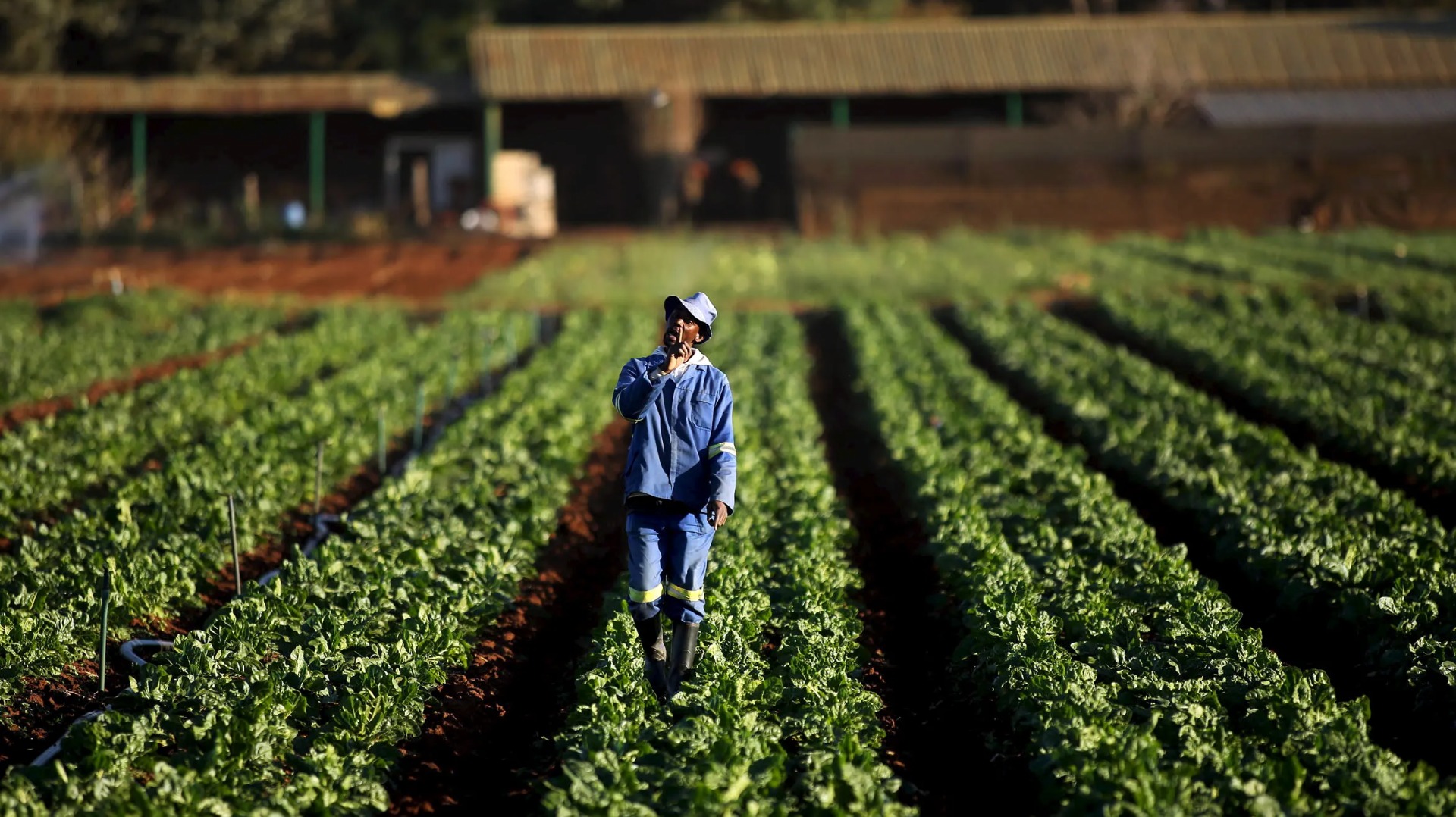
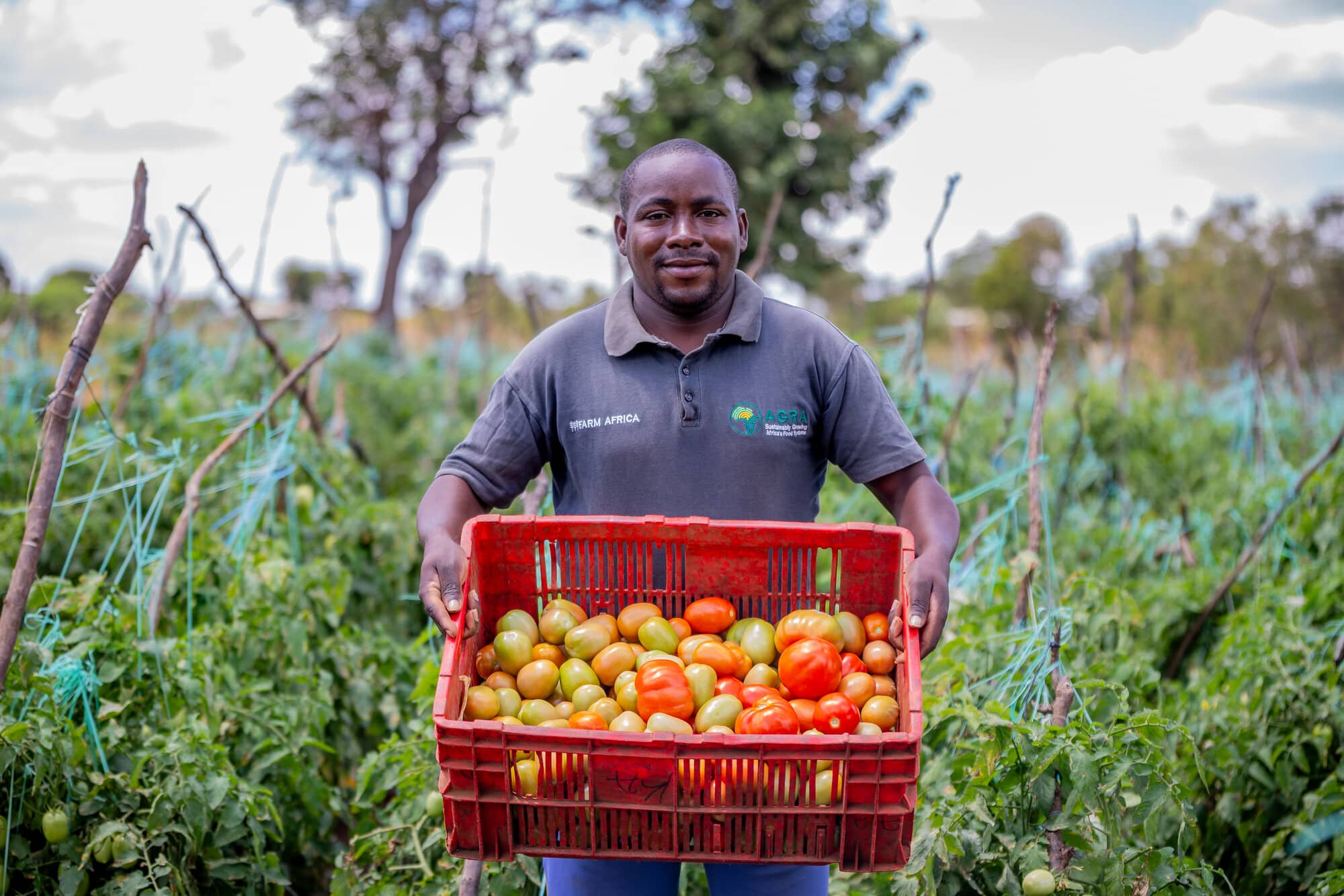
Operators prioritise seasonal and regional ingredients to reduce dependency on distant suppliers. In the Okavango Delta, for instance, camps incorporate fresh fish from the waterways when conditions allow, while East African properties lean on highland vegetables grown at cooler altitudes. This approach not only supports sustainability but also delivers flavours that speak authentically of each landscape.
The true measure of a camp’s capability often lies not in what appears on the plate, but in the unseen choreography that places it there without disrupting the stillness of the bush.
Off-Grid Refrigeration and Energy Solutions
Without reliable mains electricity, camps have embraced solar power combined with gas and generator backups to maintain consistent cooling. Modern safari kitchens frequently feature large solar-powered refrigerators and freezers that run silently during the heat of the day, preserving dairy, meat and delicate ingredients for days at a time. Backup systems ensure temperatures never fluctuate dangerously even during the cloudy stretches common in certain seasons.
Many properties have invested in on-site bakeries where fresh bread, pastries and even croissants emerge from wood-fired ovens each morning. The scent of baking wafts across the camp at dawn, offering a comforting counterpoint to the wild sounds of the surrounding bush. These small-scale production areas allow chefs to control quality while minimising the need for daily deliveries of baked goods that would otherwise spoil quickly in the heat.
Water Sourcing and Filtration for Kitchen Use
Beyond temperature control, water management plays a critical role in food safety. Camps draw from boreholes or nearby rivers, then subject supplies to multi-stage filtration and UV treatment before any ingredient touches a plate. This rigorous process ensures that even the ice in a sundowner gin and tonic meets international health standards, giving travellers confidence in every element of their dining experience.
Private Chefs and Exclusive-Use Bookings
When a camp or private villa is booked for exclusive use, the culinary experience often elevates further. A dedicated private chef can tailor every meal to the group’s preferences, adjusting spice levels, preparation methods and portion sizes with complete flexibility. This arrangement proves particularly valuable for families travelling with young children or for those celebrating special occasions where the menu becomes part of the memory.
These chefs frequently possess impressive international credentials alongside deep knowledge of local ingredients. They might prepare a delicate bream caught that morning alongside foraged herbs, or craft a traditional regional stew using techniques passed through generations. The intimacy of these arrangements allows for spontaneous adjustments that simply aren’t feasible in larger shared camps.
In the quiet hours between game drives, the kitchen becomes a creative hub where innovation meets the constraints of remoteness to produce meals that surprise and delight.
How are dietary requirements handled at remote safari camps?
Chefs receive detailed guest profiles weeks ahead, adapt menus with local produce, and maintain separate preparation areas for allergies while sourcing gluten-free or vegan alternatives through regional networks. Most camps request information on dietary requirements safari at the time of booking, allowing time to order specialist items such as gluten-free flour, plant-based proteins or nut-free ingredients on the next supply flight. Cross-contamination is avoided through dedicated cutting boards, utensils and sometimes entirely separate cooking stations. Substitutions draw creatively on what the landscape offers, perhaps featuring cassava instead of wheat or fresh fruit sorbets in place of dairy-based desserts. This proactive approach ensures that restrictions become opportunities for distinctive dining rather than limitations.
The Role of Camp Chefs and Kitchen Teams
The men and women who run these remote kitchens combine technical skill with remarkable adaptability. Many have trained in urban hotels before choosing the bush, bringing refined techniques to environments where a missing ingredient requires instant improvisation. Their daily routines begin before sunrise, with menus planned around both available stock and the day’s activities.
Evening meals often feature multiple courses served under the stars, with each plate presented as an artwork against the dramatic backdrop of the African night. The interaction between guests and chefs varies by camp style, some offering opportunities to visit the kitchen or watch bread being baked, creating connections that enrich the entire stay.
Seasonal Menu Planning and Foraging
Forward-thinking camps incorporate sustainable foraging where appropriate, identifying edible plants and fruits that complement the formal menu. This practice not only reduces the supply burden but also introduces guests to the subtle flavours of the surrounding ecosystem. Knowledge of which mushrooms appear after rain or which leaves add particular zest comes from years of accumulated local wisdom.
What to Expect from All Inclusive Safari Dining
Most premium camps operate on an all inclusive safari basis, with meals, snacks, local beverages and house wines included in the rate. This typically encompasses a substantial breakfast after the morning activity, a light lunch, afternoon tea with freshly baked cakes, and a multi-course dinner. The quality of the wine list often surprises first-time visitors, featuring carefully selected South African, Kenyan and international labels chosen to withstand the rigours of transport.
Between activities, guests might find platters of savoury snacks or sweet treats waiting in their tents, thoughtfully prepared to restore energy after hours in the vehicle. The attention to detail extends to picnics enjoyed under shady trees during full-day excursions, complete with chilled wine, crisp linens and portable feasts that feel far from makeshift.

A perfectly timed gin and tonic as the sun dissolves into the horizon, accompanied by just-baked crisps and olives, captures the essence of refined bush living.
Practical Considerations for Travellers with Specific Needs
Those with severe allergies or complex dietary needs benefit most from early and detailed communication. Providing comprehensive information allows camps to prepare thoroughly, sometimes adjusting entire supply orders to accommodate one guest. Many properties now maintain small stocks of common alternatives, though availability can vary by country and season.
Vegetarian, vegan and gluten-free options have become increasingly sophisticated across East and Southern African safaris. Chefs experiment with local grains, legumes and vegetables to create satisfying plates that never feel like afterthoughts. The key lies in transparent dialogue before departure, giving both traveller and camp time to align expectations.
Planning Your Safari with Confidence
Understanding the systems that support exceptional safari food allows travellers to approach their journey with greater appreciation for the effort involved. The seamless experience many enjoy results from months of preparation and the dedication of teams working far from conventional infrastructure. When you share your preferences clearly, these professionals transform potential challenges into memorable culinary highlights.
Whether you seek the intimacy of a private chef on an exclusive booking or the warm camaraderie of a shared camp, the focus remains on delivering dining that complements rather than competes with the extraordinary wildlife encounters. The bush itself provides inspiration, from the ingredients chosen to the rhythms of meals structured around game drive times.
For discerning travellers seeking a private safari beyond our set itineraries, we invite you to contact us directly. We specialise in designing exceptional, tailor-made journeys for individuals, couples, families, and private groups of up to eight guests. Drawing on our handpicked network of distinguished camps and lodges, we curate every detail with precision and care, creating a seamless, deeply personal safari experience shaped entirely around your preferences, pace, and budget.
Read our planning advice at how to plan a luxury safari and explore an all-inclusive safari example that showcases the thoughtful integration of exceptional dining within a complete wilderness experience. We look forward to crafting your perfect safari.
More like this
tips and advice
What Shoulder Season Really Delivers on an African Safari
tips and advice
What to Expect on a Pre-Dawn Hot Air Balloon Safari Across African Plains

tips and advice
What to Expect When Camping Under Canvas Near Lions and Leopards

tips and advice
What to Pack for an African Safari When Light Aircraft Weight Limits Apply
tips and advice
What Veteran Guides Wish Every Visitor Knew Before Touring Tanzanian Wildlife
tips and advice