Culture
What Lingering Apartheid Memories Reveal About Modern South African Identity
Encounters Africa - 10 min read
Updated on 17 June 2026
Culture in South Africa remains a living conversation between past and present, where the echoes of apartheid still shape how communities express identity, resilience, and hope. Decades after the end of apartheid, South African artists, musicians, and storytellers continue reshaping national narratives. This piece explores how contemporary festivals and township tours offer insight into a society still negotiating its complex past and vibrant future.
More than thirty years since the first democratic elections in 1994, the Rainbow Nation continues to grapple with its layered history while celebrating an extraordinary diversity of traditions. From the bustling streets of Johannesburg to the rural heartlands of the Eastern Cape, cultural expression serves as both mirror and map. Travellers who engage thoughtfully with these elements often discover a depth that transforms their understanding of this remarkable country.
The Weight of Memory in Contemporary South African Life
The legacy of apartheid, formally dismantled in the early 1990s, lingers in subtle and profound ways across South African society. Many older generations carry direct experiences of forced removals, pass laws, and segregated living, while younger citizens navigate the expectations of a nation still healing. This tension creates a unique cultural landscape where remembrance and reinvention exist side by side.
In townships like Soweto and Langa, storytelling circles and community theatre groups keep these memories alive not as distant history but as active dialogue. Artists draw upon personal and collective trauma to fuel creative work that challenges visitors to look beyond surface impressions. The result is an authentic encounter with culture in South Africa that feels immediate and deeply human.
The stories we tell about our past determine the future we are able to imagine together.
How Apartheid's Shadow Influences Artistic Expression Today
Contemporary South African creatives frequently reference the apartheid era through various mediums, from visual art installations in Cape Town galleries to hip-hop lyrics that blend local languages with global beats. Painters like William Kentridge continue to explore themes of memory and erasure, while musicians fuse traditional rhythms with electronic sounds to comment on social change.
Literature remains particularly powerful in processing these experiences. Authors such as Zakes Mda and Damon Galgut examine the nuances of post-apartheid life, revealing how economic disparities and social fractures persist. For travellers interested in deeper engagement, attending a book reading or literary festival provides valuable context for understanding modern South African identity.
What Lingering Apartheid Memories Reveal About Modern South African Identity
The persistence of apartheid memories in cultural production reveals much about how South Africans construct their sense of self in the twenty-first century. Rather than seeking to erase difficult chapters, many communities have chosen to integrate them into a broader narrative of survival and transformation. This approach creates space for multiple identities to coexist within one nation.
Young South Africans born after 1994, often called the "born free" generation, frequently reinterpret these memories through fresh perspectives. Their art, fashion, and digital content blend traditional elements with contemporary global influences, creating hybrid expressions that feel distinctly South African. This dynamic process demonstrates how culture in South Africa evolves through continuous dialogue between generations.
Memory is not simply what happened; it is what we choose to carry forward and how we decide to reshape it.
The Role of Language in Shaping Cultural Identity
South Africa recognises eleven official languages, a direct reflection of its diverse population groups including Zulu, Xhosa, Afrikaans, and English speakers among others. Each language carries specific cultural knowledge, proverbs, and ways of seeing the world that enrich the national tapestry. Preserving and celebrating linguistic diversity has become an important aspect of post-apartheid cultural policy.
Visitors often notice how code-switching between languages occurs naturally in daily interactions, particularly in urban centres. This linguistic fluidity mirrors the country's broader approach to identity, one that resists singular definitions. Learning even a few phrases in local languages can open meaningful conversations during cultural experiences.
Experiencing Living Culture Through Township Tours
Township tours have evolved significantly since their early days as simple sightseeing excursions. Today, many are community-led initiatives that offer genuine insight into daily life, creative expression, and social challenges. These experiences provide context for understanding how apartheid's spatial planning continues to influence where and how people live.
In Soweto, for instance, travellers might visit the former homes of Nelson Mandela and Desmond Tutu before exploring vibrant street art scenes and shebeen culture. Knowledgeable local guides share personal stories that illuminate both historical events and current realities. When arranged through responsible operators, these tours directly support local economies and cultural preservation efforts.
Similar experiences await in Cape Town's townships, where visitors can participate in cooking demonstrations, attend gospel choir rehearsals, or simply share a meal with resident families. These encounters reveal the warmth, creativity, and resilience that characterises community life beyond the headlines.
Choosing Responsible Cultural Experiences
Not all township tours offer equal value to local communities. The most meaningful ones are typically those developed and managed by residents themselves, ensuring that financial benefits remain within the area. Responsible operators work closely with community leaders to create experiences that feel collaborative rather than extractive.
Before booking, thoughtful travellers research the tour company's credentials and ask about their community partnerships. The most rewarding visits often include opportunities for genuine exchange rather than passive observation. This approach aligns with Encounters Africa's philosophy of creating meaningful connections between travellers and the places they visit.

True cultural understanding emerges not from watching but from participating with respect and openness.
Festivals That Bridge Past and Present
South Africa's cultural calendar features numerous events that actively engage with historical memory while looking toward the future. The National Arts Festival in Grahamstown, held each July since 1974, brings together performers, visual artists, and thinkers from across the country and continent. Its programme frequently addresses themes of reconciliation, identity, and social justice.
In Durban, the Time of the Writer festival and various Zulu cultural celebrations offer different windows into the nation's diversity. Meanwhile, the Klein Karoo Nasionale Kunstefees in Oudtshoorn provides a platform for Afrikaans-language arts while increasingly incorporating broader South African perspectives. These gatherings demonstrate how culture in South Africa serves as both celebration and serious reflection.
Music festivals have become particularly powerful venues for cultural dialogue. Events featuring genres from maskandi to kwaito to electronic fusion attract diverse audiences and facilitate conversations across traditional divides. Many festivals now include educational components that help visitors understand the historical context behind the performances they enjoy.
Music as a Vehicle for Social Commentary
From Miriam Makeba and Hugh Masekela during the apartheid years to contemporary artists like Sho Madjozi and Nakhane, South African musicians have long used their platforms to address social issues. Today's performers continue this tradition while experimenting with new sounds and technologies. The result is a vibrant musical landscape that both preserves heritage and pushes boundaries.
Traditional genres such as isicathamiya and mbube have found new audiences through innovative collaborations with international artists. These cross-cultural exchanges highlight South Africa's role as a creative hub on the African continent. For travellers, attending a live performance offers one of the most immediate ways to engage with living cultural traditions.
Cuisine as Cultural Expression and Memory
Food traditions in South Africa tell complex stories of migration, adaptation, and resilience. The spicy curries and koeksisters of Cape Malay cuisine reflect the influence of enslaved people brought from Southeast Asia and their descendants. In contrast, braai culture represents a shared national pastime that transcends cultural boundaries while carrying different meanings for different communities.
Modern chefs increasingly draw upon indigenous ingredients and forgotten recipes to create contemporary interpretations of South African cuisine. Restaurants in Johannesburg and Cape Town now feature menus that celebrate local flavours while acknowledging their historical contexts. These culinary experiences offer another avenue for understanding the country's layered identity.
Participating in a cooking class or visiting a local market provides practical ways to engage with these traditions. Many such experiences are designed to support women entrepreneurs and preserve knowledge that might otherwise be lost. Through food, travellers can literally taste the rich complexity of culture in South Africa.
The Path Forward: Cultural Tourism Done Right
Responsible cultural tourism has the potential to support communities while offering travellers authentic insights into South African society. When approached with humility and genuine curiosity, these experiences can foster meaningful connections that benefit both visitors and hosts. The key lies in choosing operators who prioritise community involvement and fair compensation.
Encounters Africa works with carefully selected partners who share our commitment to ethical and enriching cultural encounters. Our tailored journeys incorporate opportunities to engage with local artists, attend community events, and learn directly from those who live these traditions daily. We believe that understanding a nation's culture enriches any journey through its landscapes and wildlife.
For those seeking to explore beyond the traditional safari experience, integrating cultural elements creates a more complete picture of this multifaceted country. Whether visiting South Africa for its renowned game reserves or its vibrant urban centres, taking time to engage with living culture adds invaluable dimension to the journey.
The most rewarding travel experiences are those that leave us changed, with expanded understanding of both others and ourselves.
Embracing South Africa's Cultural Complexity
Culture in South Africa defies simple categorisation, revealing itself instead through countless individual stories, creative expressions, and community practices. The lingering memories of apartheid serve not as chains but as catalysts for ongoing conversation about what it means to be South African today. This continuous process of reflection and reinvention makes the country particularly fascinating for those willing to look beyond surface impressions.
Whether exploring the historical significance of sites in Cape Town, experiencing community life in the Eastern Cape, or discovering contemporary art scenes in Johannesburg, travellers find that South Africa rewards those who approach it with open hearts and minds. The nation's cultural landscape continues to evolve, shaped by both its difficult history and its remarkable creative energy.
For discerning travellers seeking a private safari beyond our set itineraries, we invite you to contact us directly. We specialise in designing exceptional, tailor-made journeys for individuals, couples, families, and private groups of up to eight guests. Drawing on our handpicked network of distinguished camps and lodges, we curate every detail with precision and care, creating a seamless, deeply personal safari experience shaped entirely around your preferences, pace, and budget.
Consider enhancing your wildlife-focused journey with meaningful cultural encounters that provide context for the land and its people. From spending time with San communities in the Kalahari to attending music performances in urban townships, these experiences create memories that last far beyond the journey itself. We would be delighted to help you craft an itinerary that honours both South Africa's natural wonders and its vibrant cultural heritage.
To begin planning your own discovery of culture in South Africa alongside its exceptional wildlife and landscapes, please visit our enquiry form or reach out to the Encounters Africa team. We look forward to creating a journey that resonates with your individual interests and leaves you with a profound appreciation for this complex and captivating nation.
More like this
Culture
What Lingering at a Zambian Initiation Ceremony Reveals About Continuity
Culture
What Shapes the Distinct Rhythms of Daily Life Across Ugandan Communities
Culture
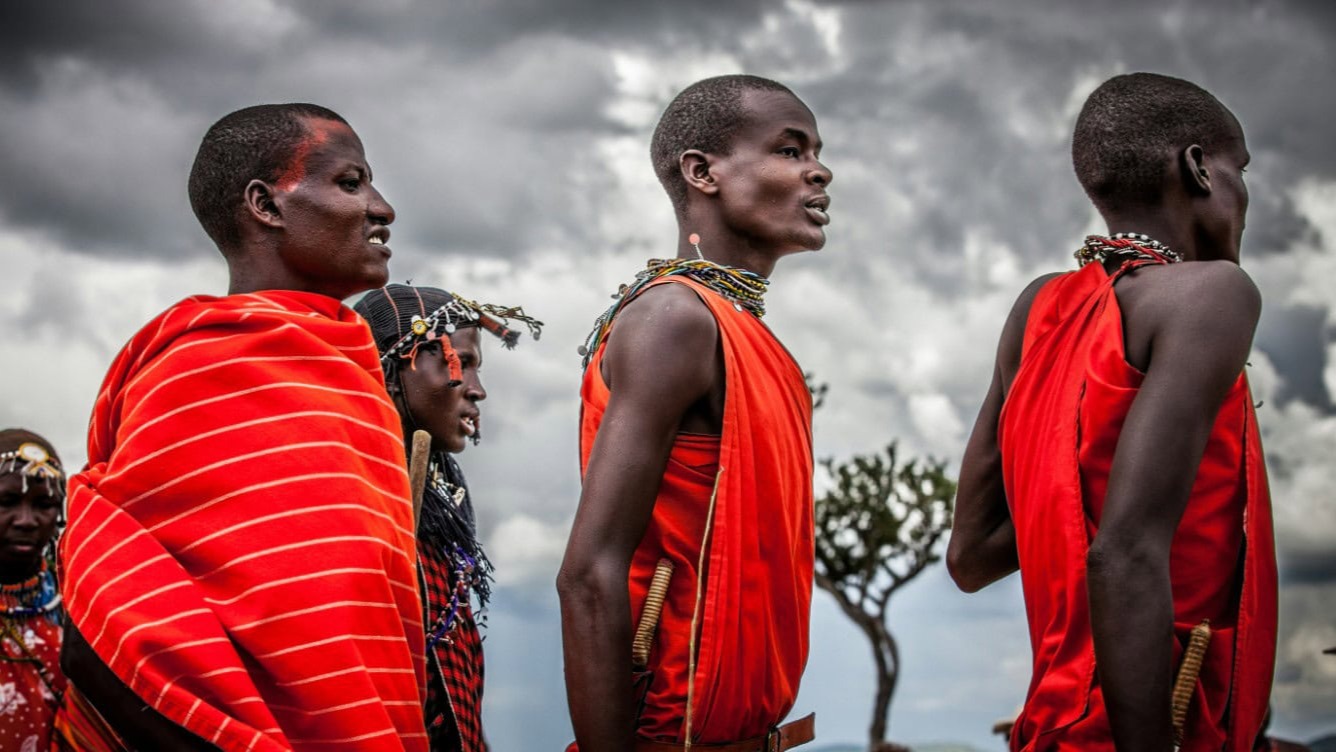
What Travelers Should Know About Kenya's Diverse Traditions Before Visiting
Culture
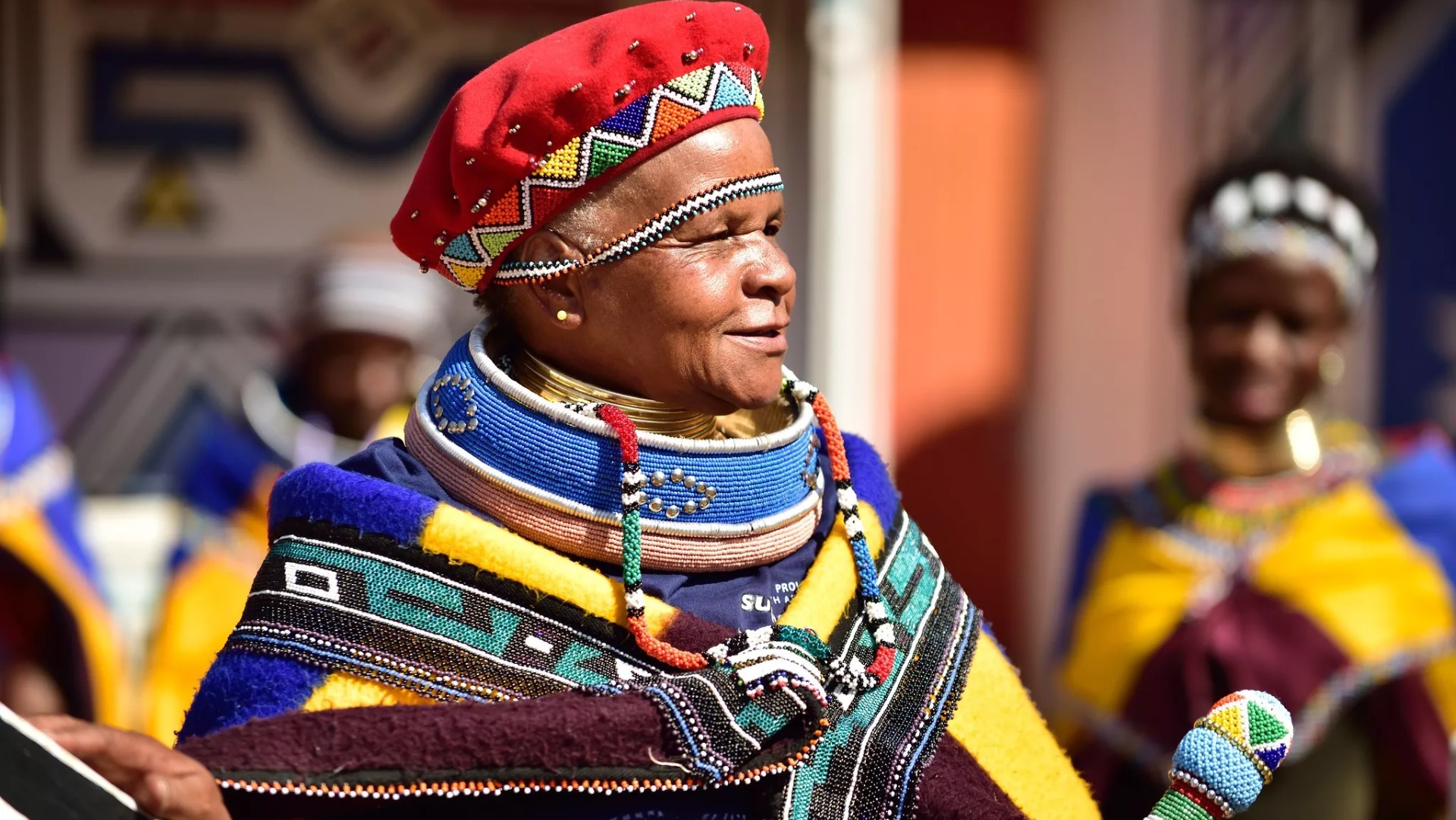
Why a Single Zulu Dance or San Story Can Redefine Your Southern Africa Itinerary
Culture
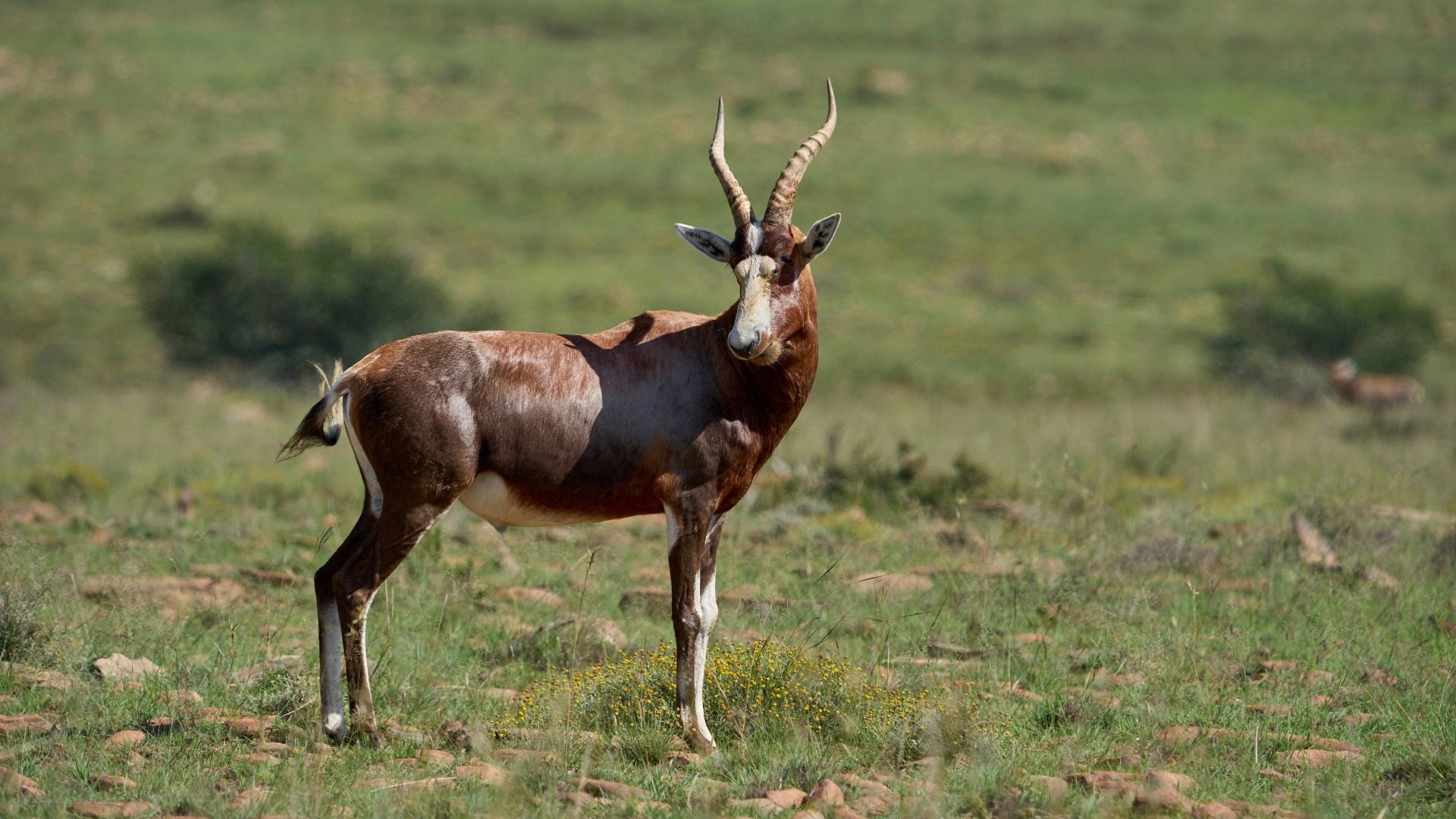
Why African Ceremonies Rely on Specific Animals for Spiritual Power
Culture