Culture
What Shapes the Distinct Rhythms of Daily Life Across Ugandan Communities
Encounters Africa - 10 min read
Updated on 17 June 2026
Culture in Uganda pulses through the everyday gestures of its people, from the rhythmic sway of traditional dancers in the hills of the west to the communal sharing of millet beer in the northeast. This overview reveals how the country's more than 50 ethnic groups sustain distinct practices that influence everything from family structures to seasonal festivals, creating a living tapestry that rewards respectful exploration by travellers. With over 40 languages spoken and five restored kingdoms providing ceremonial anchors, Uganda offers an unusually rich window into how heritage continues to shape community bonds in modern Africa.
The best time to experience culture in Uganda is during the dry seasons from June to September and December to February, when roads are passable and many communities host harvest celebrations or initiation rites. Expect warm hospitality wherever you travel, but always approach sacred sites and royal protocols with quiet deference. Encounters Africa specialises in designing journeys that weave these cultural encounters into thoughtful safari itineraries across Uganda.
The Historical Foundations of Ugandan Identity
Long before colonial boundaries were drawn in 1894, powerful kingdoms rose across the Great Lakes region, establishing systems of governance, spirituality and artistic expression that still echo today. The Buganda Kingdom, with its kabaka or king, developed sophisticated administrative structures centred on the lubiri palace in Kampala, while the kingdoms of Bunyoro, Toro, Ankole and Busoga each cultivated unique royal lineages and oral histories. These institutions, though stripped of political power during colonial rule and the turbulent years that followed independence in 1962, were officially restored in 1993 and now serve as vital custodians of moral authority and cultural continuity.
Beyond the kingdoms, smaller ethnic communities such as the Batwa forest dwellers, the Karamojong pastoralists and the Ik mountain people maintained entirely different ways of life shaped by their environments. The Batwa, often called the original inhabitants of the central African rainforest, developed intimate knowledge of medicinal plants and hunting techniques passed through apprenticeship rather than written record. Understanding these layered histories helps travellers appreciate why cultural days in Uganda feel both ancient and vibrantly contemporary.

Respectful engagement with Ugandan communities transforms a simple visit into a meaningful exchange that honours the resilience of traditions preserved through centuries of change.
Music, Dance and the Living Arts
Music forms the heartbeat of culture in Uganda, with each region boasting instruments and melodies that tell stories of migration, love and spiritual connection. In the north, the adungu harp produces cascading notes that accompany Acholi and Lango dances, while the west reverberates to the deep tones of the engoma drum ensembles favoured by the Banyankole and Bakiga. These performances are rarely staged for outsiders; instead they mark life events such as births, marriages and successful harvests, creating an authentic soundtrack to community existence.
Visual arts flourish alongside the performing traditions. In the kingdom of Buganda, skilled artisans continue to hammer intricate patterns into barkcloth, a fabric once reserved for royalty and now recognised by UNESCO as an intangible cultural heritage. Further east, the Basoga people shape expressive masks from wood and raffia for their elaborate masquerades, each design carrying symbolic meaning understood only by initiated members of the community. Travellers fortunate enough to witness these creations being made often describe the experience as stepping into a living museum where every stroke carries ancestral knowledge.
Contemporary Ugandan artists frequently draw on these traditions, blending them with modern influences to comment on everything from environmental conservation to youth aspirations. The annual Bayimba International Festival of the Arts in Kampala provides one of the finest opportunities to see this creative dialogue in action, usually held in September when the city comes alive with performances that bridge past and present.
Cultural Days in Uganda: When Communities Celebrate Together
Cultural days in Uganda follow both the agricultural calendar and the ceremonial schedules of the kingdoms, offering travellers predictable windows to witness living heritage. The Buganda Kingdom's annual Coronation Day on 31 July draws thousands to the palace grounds for processions, traditional wrestling and speeches that reinforce cultural values. Further west, the Banyoro mark their king's anniversary with similar splendour, while the Iteso people of the east hold colourful ceremonies to honour their rainmakers during the onset of the wet season.
In the northeast, Karamojong warriors still perform energetic dances that celebrate cattle raids and rites of passage, though these now occur within carefully managed community events rather than spontaneous gatherings. The dates for many of these cultural days in Uganda shift according to lunar cycles or local divination, making advance planning with knowledgeable operators essential. Encounters Africa works closely with community leaders to ensure visits coincide with genuine celebrations rather than manufactured displays.
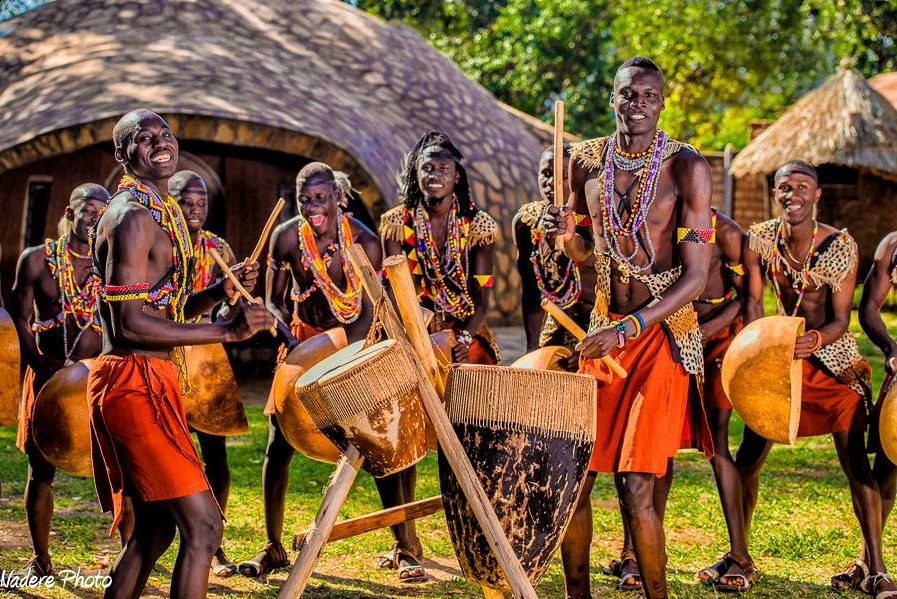
The true power of cultural days in Uganda lies not in their spectacle but in the way they quietly reaffirm social bonds and transmit values to the next generation.
Daily Life and Social Customs
Across Ugandan communities, the rhythms of daily life remain deeply connected to extended family obligations and communal responsibility. Greetings are never rushed; a proper exchange of news about family health and recent events can take several minutes and sets the tone for all subsequent interaction. In rural areas, shared meals often involve sitting on woven mats with food served from a central platter, reinforcing the cultural principle that abundance is meant to be divided rather than hoarded.
Marriage customs vary dramatically between ethnic groups but frequently involve lengthy negotiations between families, the exchange of symbolic gifts and blessings from elders. Among the Bagisu of eastern Uganda, male circumcision remains an important rite of passage usually performed between ages 16 and 25, accompanied by weeks of preparation and community celebration. These practices continue to evolve while retaining their core function of marking transition and strengthening social cohesion.
What Shapes the Distinct Rhythms of Daily Life Across Ugandan Communities?
The distinct rhythms of daily life across Ugandan communities are shaped by a combination of environmental factors, spiritual beliefs and historical governance systems that have adapted to contemporary realities. In highland areas like Kigezi, terraced farming dictates seasonal labour patterns, while lakeside communities around Lake Victoria organise their days around fishing cycles and market schedules. Spiritual beliefs, whether rooted in Christianity, Islam or traditional reverence for ancestors, influence everything from planting dates to dispute resolution methods.
Royal kingdoms provide another structuring influence, offering parallel systems of authority that complement rather than compete with national government. The kabaka of Buganda, for instance, maintains a network of clan leaders who help settle local conflicts and preserve customary law. These layered authorities create a uniquely Ugandan approach to community organisation that visitors can observe through respectful participation in village meetings or royal functions.
Modern pressures including urban migration, mobile phone technology and climate change are reshaping these rhythms, yet core values of respect for elders, communal support and connection to the land remain remarkably consistent. This balance between preservation and adaptation represents one of the most fascinating aspects of culture in Uganda for thoughtful travellers.
Spiritual Beliefs and Sacred Landscapes
Spirituality in Uganda weaves through both formal religion and traditional practices, often existing comfortably side by side. Many Ugandans maintain dual identities, attending church on Sunday while consulting traditional healers during times of crisis. Sacred natural sites, from the Mabira Forest in the centre to the hot springs at Sempaya in the west, continue to serve as places of prayer and reflection where communities seek guidance from ancestral spirits.
The Rwenzori Mountains, known locally as the Mountains of the Moon, hold particular spiritual significance for the Bakonzo people who perform regular cleansing ceremonies at specific altitudes. Similarly, the Batwa communities around Bwindi Impenetrable National Park maintain intricate relationships with the forest spirits they believe watch over their ancestral lands. These beliefs have proven powerful allies in conservation efforts, as communities that view certain areas as sacred are often the most effective stewards of biodiversity.
Visitors interested in these dimensions of culture in Uganda should work with experienced guides who understand both the protocols and the appropriate times to observe or participate. Many lodges now facilitate sensitive cultural exchanges that benefit local communities directly through carefully structured tourism revenue.
When travellers approach Ugandan spiritual traditions with genuine curiosity rather than mere curiosity, they often discover profound lessons about humanity's relationship with the natural world.
Language, Storytelling and Knowledge Transmission
With languages as diverse as the Luganda spoken by the Baganda and the Madi tongue of the far northwest, Uganda's linguistic landscape reflects its complex history of migration and interaction. Proverbs and riddles serve as vehicles for moral education, with elders using cleverly constructed phrases to pass wisdom to younger generations during evening storytelling sessions around the fire. These oral traditions carry practical knowledge about medicinal plants, weather patterns and ethical behaviour that formal schooling rarely captures.
In recent decades, concerted efforts have emerged to document and preserve endangered languages, particularly those spoken by smaller communities. The Karamojong language, for example, contains an extraordinarily rich vocabulary related to cattle that reveals the central importance of livestock in their worldview. Understanding even a few basic phrases in the local language can transform a visitor's experience from observer to welcomed guest.
Experiencing Culture in Uganda Responsibly
Responsible engagement with culture in Uganda begins with choosing operators who maintain genuine relationships with the communities they visit. Look for experiences that contribute directly to local livelihoods rather than simply photographing cultural performances. Many community-based tourism initiatives now offer homestays, craft workshops and guided nature walks that provide meaningful interaction while supporting conservation and education projects.
Practical considerations include dressing modestly when visiting royal compounds or places of worship, asking permission before taking photographs and learning basic greetings in the relevant local language. Timing your visit to coincide with cultural days in Uganda will naturally increase the likelihood of witnessing authentic celebrations, though flexibility remains essential as many events follow lunar rather than Gregorian calendars.
Encounters Africa maintains close partnerships with several community initiatives across Uganda, ensuring that cultural visits create tangible benefits for the families and villages involved. Their experienced team can arrange sensitive access to royal ceremonies, traditional healers and artisan workshops that most independent travellers would struggle to discover alone.
Discovering the Living Heritage of Uganda
The enduring strength of culture in Uganda lies in its ability to adapt while preserving essential values of community, respect and connection to both ancestors and the natural world. From the thunder of royal drums echoing across Lake Victoria to the delicate patterns emerging from barkcloth hammers in rural workshops, these living traditions offer travellers far more than colourful photographs. They provide windows into different ways of understanding time, family and humanity's place within the wider web of life.
As Uganda continues to develop, its cultural practices face both opportunities and challenges. Thoughtful tourism that values authenticity over spectacle can play a positive role in ensuring these traditions remain vibrant for future generations. The country’s remarkable ethnic diversity, supported by its five historic kingdoms and countless smaller communities, creates an unusually rich cultural landscape that rewards patient and respectful exploration.
For discerning travellers seeking a private safari beyond our set itineraries, we invite you to contact us directly. We specialise in designing exceptional, tailor-made journeys for individuals, couples, families, and private groups of up to eight guests. Drawing on our handpicked network of distinguished camps and lodges, we curate every detail with precision and care, creating a seamless, deeply personal safari experience shaped entirely around your preferences, pace, and budget.
Whether your interests lie in royal history, traditional crafts, spiritual practices or simply sharing meals with local families, Encounters Africa can craft an itinerary that brings you into meaningful contact with the distinct rhythms of Ugandan daily life. Begin planning your journey today and discover how the living culture of this remarkable country can enrich your understanding of Africa and yourself.
More like this
Culture
What Travelers Should Know About Kenya's Diverse Traditions Before Visiting
Culture
Why a Single Zulu Dance or San Story Can Redefine Your Southern Africa Itinerary
Culture
Why African Ceremonies Rely on Specific Animals for Spiritual Power
Culture
Why African Communities Honor Specific Animals in Daily Life and Ceremony
Culture
Why South African Hospitality Traditions Shape Every Visitor Encounter
culture