Culture
What Lingering at a Zambian Initiation Ceremony Reveals About Continuity
Encounters Africa - 10 min read
Updated on 3 July 2026
Zambian cultural practices remain vibrant threads in a nation where 73 ethnic groups navigate the pull between heritage and modernity. From the moment a young initiate emerges from seclusion bearing a new name and a fresh set of responsibilities, one begins to understand how these living traditions continue to shape identity, community obligations, and social order across Zambia. This continuity reveals itself most powerfully during ceremonies that have endured for generations, offering travellers a window into a society that values both ancestral wisdom and contemporary relevance.
Witnessing young initiates return from seclusion with new names and responsibilities shifts how one sees modern Zambian society. This narrative traces the threads of tradition that bind generations amid urban growth and global influences.
The Enduring Role of Initiation in Zambian Life
In many Zambian communities, initiation ceremonies mark the pivotal transition from childhood to adulthood. These rites, often lasting several weeks or even months, take place away from the village in secluded bush camps where elders impart essential knowledge about responsibility, respect, and cultural history. For the Bemba, Chewa, and Lozi peoples, among others, these practices form the cornerstone of social cohesion.
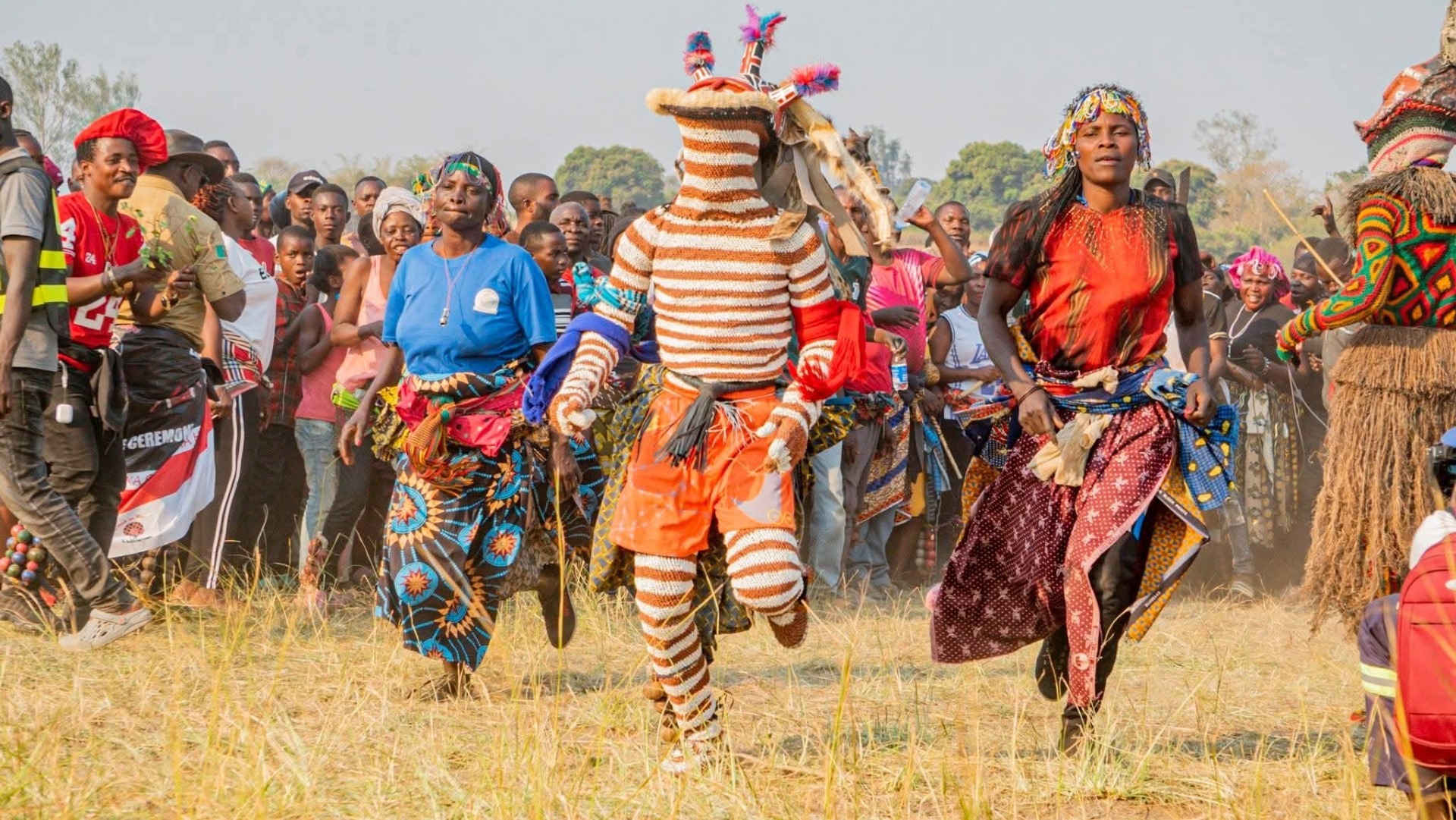
The process is deliberately rigorous. Young people learn not only practical skills but also the moral codes that will guide their future conduct. Upon their return, the community gathers to celebrate their transformation through song, dance, and symbolic gifts. The initiates receive new names that reflect their changed status, signalling to all that they are now expected to contribute meaningfully to society.
These ceremonies are not relics of the past but active frameworks that help young Zambians find their place in an evolving world.
Today, with over 40 percent of Zambia's population under the age of 15 according to recent national statistics, such rituals take on added significance. They counterbalance the rapid urbanisation that has seen Lusaka's population swell to nearly three million people since the early 2000s. Families who have moved to cities often return to rural areas specifically for these events, preserving family ties that might otherwise weaken.
Variations Across Ethnic Groups
While the core purpose remains consistent, the expression of these rites varies beautifully between communities. In the Eastern Province, Chewa boys participate in the Nyau secret society dances during initiation, wearing elaborate masks that represent ancestral spirits. The performances, which can last through the night, blend theatre, music, and spiritual invocation in ways that have fascinated anthropologists for decades.
Among the Lozi in Western Province, girls undergo the Siyomboka ceremony, learning traditional crafts, social etiquette, and the responsibilities of womanhood. The return from seclusion is marked by distinctive white body paint and elaborate beadwork that tells stories of their lineage. These visual markers serve as both celebration and public declaration of their readiness for adult roles.

Zambian Cultural Practices in the Face of Modern Pressures
The resilience of Zambian cultural practices becomes particularly evident when one considers the competing demands of contemporary life. Mobile phones, social media, and formal education systems might appear to challenge traditional knowledge transmission, yet many communities have found ways to integrate rather than abandon their customs.
School calendars are increasingly adjusted around important ceremonial periods in certain districts. Government officials sometimes attend major initiations as guests of honour, acknowledging the role these events play in maintaining social order. This official recognition has helped safeguard practices that might otherwise have been marginalised.
What seems at first like a simple return from the bush actually represents a profound recommitment to values that have sustained communities through colonial rule, independence in 1964, and the economic shifts that followed.
Urban-based Zambians often speak of feeling disconnected until they participate in or witness these ceremonies. The sensory experience—the rhythmic drums at dawn, the distinctive scent of woodsmoke mixed with herbal preparations, the communal meals that follow—reconnects them to something deeper than their daily routines in the capital or mining towns.
Challenges and Adaptations
Not all aspects of traditional initiation have survived unchanged. Some communities have shortened the seclusion period from several months to a few weeks to accommodate modern schooling. Others have introduced elements that address contemporary concerns such as HIV education and gender equality within the framework of ancestral teachings.
These adaptations demonstrate the living nature of Zambian cultural practices. Rather than remaining static museum pieces, they evolve while retaining their essential purpose: preparing young people for responsible adulthood within their specific cultural context.
Understanding Respectful Participation as a Visitor
For international travellers, observing Zambian cultural practices requires sensitivity and advance planning. Many ceremonies are not open to outsiders, particularly the more sacred elements of initiation. However, certain communities welcome respectful visitors to selected portions of the public celebrations that follow the initiates' return.
The key lies in approaching these experiences with genuine curiosity rather than a checklist mentality. Learning a few words of greeting in the local language, dressing modestly according to local standards, and following the guidance of community leaders demonstrates respect that is always appreciated.
Encounters Africa works closely with selected communities to ensure that visits enhance rather than disrupt important cultural moments. Our partners in Zambia understand both the value of sharing their heritage and the need to protect its integrity.
Practical Considerations for Cultural Engagement
When planning to witness Zambian ceremonies, timing matters enormously. The dry season from May to October generally offers better access to rural areas, though specific initiation dates follow lunar cycles and agricultural calendars rather than the Gregorian one. Working with experienced operators ensures you arrive at appropriate times without causing inconvenience.
Photography etiquette varies between communities. Some welcome images of the public dances while others prefer no photography during certain segments. Always ask permission first and accept a refusal gracefully. The memory of what you witness will likely prove more valuable than any photograph.
The quiet power of these ceremonies lies not in their spectacle but in their ability to remind participants of their place within an unbroken chain of generations.
How Initiation Ceremonies Reinforce Social Structures
Beyond the individual transformation, Zambian cultural practices around initiation serve vital social functions. They reinforce respect for elders, clarify gender roles in traditional contexts, and create networks of support that extend beyond immediate family. Those who went through initiation together often maintain lifelong bonds, offering mutual assistance throughout their lives.
In rural areas where formal social services may be limited, these networks provide crucial safety nets. Knowledge shared during initiation about sustainable land use, medicinal plants, and conflict resolution continues to have practical applications in daily life. The ceremonies thus function as both education and insurance for community resilience.
Recent studies by Zambian universities have documented how participation in traditional initiation correlates with stronger community leadership in later life. Those who complete the full process often emerge with enhanced confidence and clearer sense of purpose, attributes that serve them whether they remain in the village or move to urban centres.
The Economic Dimension
These cultural events also carry economic significance. The preparations and celebrations generate activity for local artisans, musicians, and food producers. In some regions, the return ceremonies have become modest but meaningful tourist attractions that bring income to communities while maintaining their primary cultural purpose.
This delicate balance requires careful management. When handled thoughtfully, cultural tourism can provide resources that help preserve traditions that might otherwise struggle for survival in a cash economy.

Connecting with Zambia's Living Heritage
The most profound encounters with Zambian cultural practices often happen away from the main tourist circuits. Travelling with knowledgeable guides who have established relationships with specific communities opens doors that would remain closed to independent visitors. These connections allow for more meaningful engagement with the subtle aspects of ceremony and tradition.
At selected lodges such as Chiawa Safaris - Chichele Presidential and Chiawa Safaris - Puku Ridge, guests can arrange sensitive visits to nearby communities where cultural experiences complement the wildlife focus of their safari. These partnerships help ensure that tourism benefits flow directly to the custodians of these traditions.
Our deeper understanding of Zambian cultural practices has grown through years of listening to community leaders and elders. This knowledge informs how we design journeys that honour both the natural heritage of Zambia and its equally rich cultural landscape.
What Lingering at a Zambian Initiation Ceremony Reveals About Continuity
The question visitors often ask after witnessing these events is whether such traditions can survive in an increasingly globalised world. The evidence suggests not only survival but evolution. Young Zambians who have completed initiation frequently speak of how the experience grounds them amid the competing influences of social media, urban culture, and global trends.
In 2023, the Zambian government formally recognised several traditional ceremonies as elements of intangible cultural heritage, providing a framework for their documentation and support. This official acknowledgement reflects a growing national pride in customs that distinguish Zambia within the region.
The continuity revealed during these ceremonies extends beyond the individual to the collective identity of the nation. In a country where English serves as the official language yet over 70 local languages are spoken daily, these shared ritual experiences create common ground that transcends linguistic differences.
Lessons for the Modern Traveller
Perhaps the greatest insight gained from spending time with communities during significant cultural moments is the realisation that tradition and progress need not be opposing forces. Zambian cultural practices demonstrate how societies can selectively embrace change while maintaining core values that have proven their worth over centuries.
For those who approach these experiences with openness, the rewards extend far beyond the ceremonial spectacle. One begins to see how the lessons imparted during initiation—respect for elders, responsibility to community, connection to the land—continue to influence everything from environmental conservation efforts to political leadership in modern Zambia.
Embracing Zambia's Cultural Depth
The ceremonies that mark life's transitions in Zambia offer far more than colourful photo opportunities. They provide insight into a sophisticated system of values, knowledge transmission, and social organisation that has adapted to countless changes while retaining its essential character. Understanding these Zambian cultural practices enriches any journey through the country, transforming a standard safari into a more meaningful engagement with both people and place.
Whether watching the intricate footwork of returning initiates or listening to elders explain the symbolism behind particular songs, visitors come away with renewed appreciation for the quiet strength of living traditions. These experiences remind us that culture is not preserved in museums but sustained through active participation and thoughtful evolution.
For discerning travellers seeking a private safari beyond our set itineraries, we invite you to contact us directly. We specialise in designing exceptional, tailor-made journeys for individuals, couples, families, and private groups of up to eight guests. Drawing on our handpicked network of distinguished camps and lodges, we curate every detail with precision and care, creating a seamless, deeply personal safari experience shaped entirely around your preferences, pace, and budget.
Explore our enquiry form to begin planning your own journey into the heart of Zambia's living culture. Read our related article on photographing the Lower Zambezi with respect for local rhythms to understand how to capture both wildlife and cultural moments thoughtfully. Those interested in community-based conservation might also enjoy our piece on conservation efforts in Botswana that similarly balance tradition with environmental stewardship.
More like this
Culture
What Shapes the Distinct Rhythms of Daily Life Across Ugandan Communities
Culture
What Travelers Should Know About Kenya's Diverse Traditions Before Visiting
Culture
Why a Single Zulu Dance or San Story Can Redefine Your Southern Africa Itinerary
Culture
Why African Ceremonies Rely on Specific Animals for Spiritual Power

Culture
Why African Communities Honor Specific Animals in Daily Life and Ceremony
Culture