wildlife
What Recent Kenyan Wildlife News Reveals About Changing Habitats
Encounters Africa - 9 min read
Updated on 9 July 2026
Recent Kenyan wildlife news highlights how giraffes, zebras and leopards are modifying feeding and movement patterns amid climate pressures. This overview connects field observations with conservation data for a clearer picture of evolving behaviors. Across the sun-baked plains and acacia-dotted landscapes of Kenya, Kenyan animals are demonstrating remarkable flexibility as their habitats shift under the weight of prolonged droughts and erratic rainfall.
From the sweeping grasslands of the Masai Mara to the rugged terrain of Laikipia, these adaptations tell a compelling story of resilience. Encounters Africa has followed these developments closely through our partnerships with leading researchers and conservation teams, witnessing first-hand how Kenyan wildlife habits and habitats in Kenya continue to evolve. Understanding these patterns not only enriches the safari experience but also underscores the urgent need for thoughtful conservation strategies.
The rhythm of the African bush is changing, yet the grace with which its inhabitants respond reminds us why Kenya remains one of the continent's most vital wildlife strongholds.
Recent Kenyan Wildlife News: Key Observations from the Field
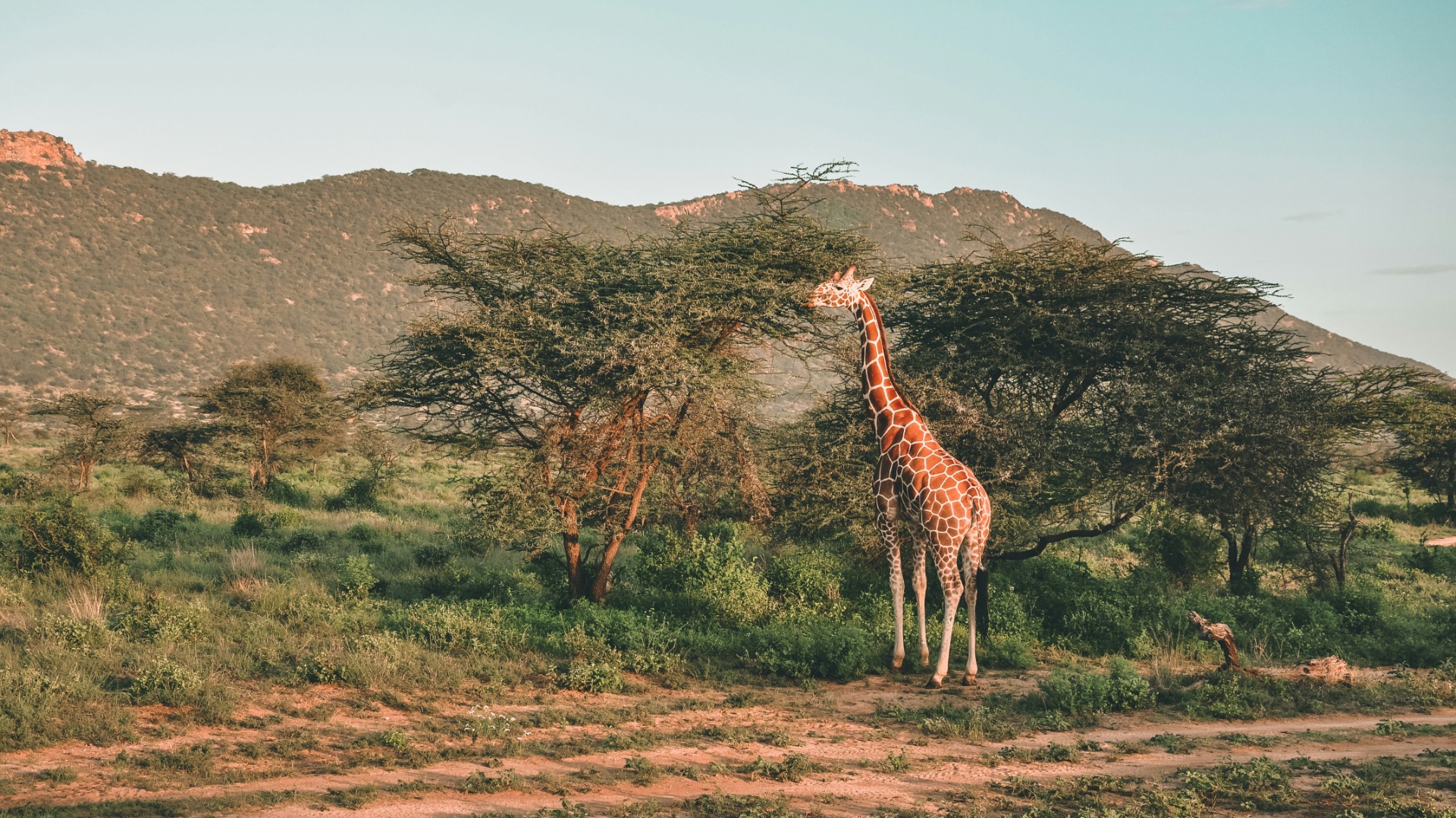
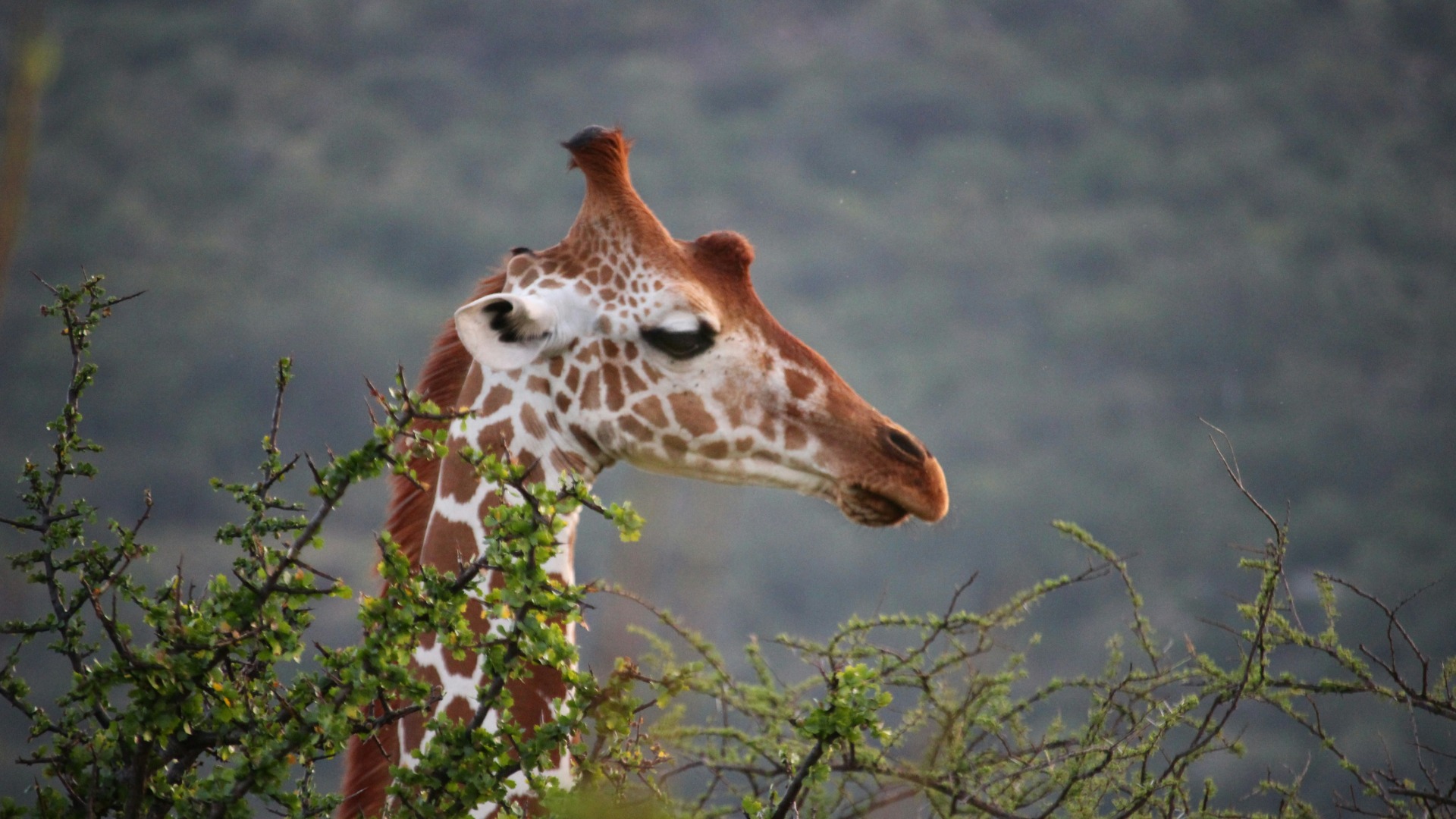
Over the past eighteen months, camera traps and GPS collar data have revealed fascinating shifts in animal behaviour. In the northern reaches of Laikipia, reticulated giraffes have begun browsing at lower levels during the hottest hours, a departure from their traditional mid-morning canopy feeding. Meanwhile, in the Masai Mara, zebra herds are altering migration routes, choosing longer but more reliable water sources over familiar paths that have become too dry.
Leopards, long considered creatures of the night, are showing increased activity during twilight hours in Tsavo East National Park. A 2023 study published by the Kenya Wildlife Service documented a 22 percent rise in diurnal sightings, correlating with reduced competition from lions during peak heat. These findings form part of a growing body of Kenyan wildlife news that paints a nuanced picture of adaptation rather than crisis.
Researchers from the Mpala Research Centre have tracked elephant family groups covering up to 18 kilometres more per day during dry seasons than they did a decade ago. Such extended journeys reflect both changing resource distribution and the animals' sophisticated memory of past water points. These observations offer travellers a deeper appreciation of the complex lives unfolding beyond the vehicle.
Climate Pressures Reshaping Daily Routines
The long rains, once predictable between March and May, have become increasingly erratic. In 2024, parts of southern Kenya received less than 40 percent of average precipitation, forcing many species to compress their feeding windows into the cooler hours before dawn. This compression has cascading effects throughout the ecosystem, influencing everything from predator-prey dynamics to vegetation recovery rates.
Our guides at partner camps in the Ol Pejeta Conservancy report that buffalo herds now move more frequently between grazing patches, rarely staying in one area longer than 36 hours. This constant movement helps prevent overgrazing but requires the animals to expend more energy, potentially affecting calving success in drier years.
When the land itself begins to rewrite the rules, Kenyan animals respond with quiet ingenuity that continues to surprise even the most seasoned wildlife observers.
Wildlife Habits and Habitats in Kenya: Understanding the Changes
The traditional image of Kenyan animals following fixed seasonal patterns is giving way to a more fluid reality. Savannah elephants in Samburu National Reserve have expanded their range by nearly 30 percent since 2018, incorporating higher ground during wet seasons to access mineral-rich soils. This expansion brings them into closer contact with farming communities, creating both challenges and opportunities for coexistence.
In the highland forests of the Aberdares, bongo antelope have adjusted their salt-lick visitation times to avoid peak tourist hours, demonstrating an acute awareness of human presence. Such behavioural plasticity highlights the intelligence woven through these species' daily decisions. For those fortunate enough to witness these subtle shifts on safari, the experience transcends mere viewing and becomes genuine insight.
Waterbuck along the Lake Nakuru shoreline have developed more selective feeding habits, focusing on specific aquatic plants that retain moisture longer during dry spells. Their ability to detect slight changes in vegetation chemistry allows them to thrive where less adaptable species struggle. These micro-adaptations form the foundation of larger ecosystem resilience.
How Specific Species Are Adapting Their Patterns
Grevy's zebras, distinguished by their narrow stripes and large ears, have shown particularly interesting modifications. In the Lewa Conservancy, family groups now travel primarily during moonlight nights, reducing daytime exposure to heat stress. This nocturnal preference has improved foal survival rates by an estimated 14 percent according to long-term monitoring data.
Cheetahs in the Mara North Conservancy have begun hunting earlier in the morning, capitalising on the brief window when temperatures remain below 24 degrees Celsius. Their success rate during these cooler hunts has increased from 38 percent to nearly 51 percent, demonstrating how small temporal shifts can yield significant advantages.
Even the humble dung beetle has altered its activity cycles, with researchers noting peak rolling behaviour occurring two hours earlier than historical records suggest. These seemingly minor adjustments ripple through the entire food web, affecting soil health and nutrient cycling across vast areas.

What Recent Kenyan Wildlife News Means for Conservation
The data emerging from various Kenyan research initiatives carries important implications for protected area management. The Kenya Wildlife Service has responded by expanding wildlife corridors in three critical regions, recognising that traditional park boundaries no longer align with current movement patterns. These corridors, totalling over 240 kilometres of newly protected land, facilitate safer passage for large mammals between seasonal ranges.
Community conservancies have emerged as vital laboratories for testing new approaches. In the Mara Naboisho Conservancy, local Maasai landowners have implemented rotational grazing systems that mirror wildlife movement patterns, creating a more harmonious relationship between livestock and native species. The results have been encouraging, with both wildlife densities and livestock productivity showing simultaneous increases.
Encounters Africa works closely with these conservancies, ensuring our travellers witness not just the animals but the thoughtful human efforts supporting their survival. This integrated approach to safari travel offers a more complete understanding of modern conservation challenges and successes.
Conservation in Kenya succeeds when it recognises that wildlife habits and habitats in Kenya exist within a living, breathing landscape shaped by both natural forces and human choices.
How These Changes Affect Your Safari Experience
For visitors planning their journey, these evolving patterns mean greater unpredictability but also richer rewards. Game drives that once focused on predictable waterhole gatherings may now emphasise tracking and interpretation of fresh signs. The satisfaction of deciphering subtle clues becomes part of the adventure, transforming each sighting into a small discovery.
Photographers particularly benefit from these shifts, as animals appearing in different light conditions create fresh compositional opportunities. The golden hour extends in meaningful ways when creatures adjust their schedules around temperature rather than clock time. Early morning departures and late afternoon returns often yield the most memorable encounters.
Our experienced guides excel at reading these new patterns, adjusting daily itineraries to maximise meaningful sightings while respecting the animals' need for space. This flexibility ensures that every safari remains both ethical and exceptional, honouring the wild rhythms rather than imposing our own expectations.
Practical Advice for Observing Kenyan Animals Responsibly
Approach wildlife with patience and quiet curiosity. Allow animals to dictate the terms of engagement rather than pursuing constant close views. This respectful distance often leads to more authentic behaviours emerging naturally before your eyes.
Support conservation efforts by choosing operators who contribute directly to monitoring programmes and community initiatives. Your presence, when channelled through responsible channels, becomes part of the solution rather than an additional pressure. Even small choices, such as reducing plastic use and following designated tracks, make tangible differences.
Consider visiting during shoulder seasons when visitor numbers are lower and wildlife patterns less influenced by human activity. February and November often offer excellent conditions for observing natural behaviours with minimal disturbance, though always check current weather patterns before finalising dates.
Common Questions About Kenyan Wildlife Habits and Habitats in Kenya
What is the best time to visit Kenya to observe natural wildlife behaviour? The long dry season from July to October typically offers the most reliable game viewing as animals concentrate around remaining water sources. However, the short rains in November can reveal fascinating adaptations as the landscape transforms rapidly from brown to vibrant green. Each season tells a different chapter in the ongoing story of adaptation.
Are Kenyan animals becoming more nocturnal due to climate change? Some species certainly show increased night-time activity, particularly in areas experiencing higher daytime temperatures. Leopards, hyenas and certain antelope have adjusted their patterns, though many large herbivores still maintain crepuscular rhythms. The picture remains complex and varies significantly between ecosystems.
How can travellers contribute to wildlife conservation while on safari? Choose operators who demonstrate transparent conservation funding, participate in citizen science opportunities when offered, and maintain respectful viewing practices. Supporting community-owned conservancies ensures that local people benefit directly from wildlife protection, creating sustainable incentives for habitat preservation.

Looking Forward: The Future of Kenya's Wildlife
The story of Kenyan animals continues to unfold with each new season, each rainfall pattern, and each careful scientific observation. While challenges abound, from habitat fragmentation to human-wildlife conflict, the adaptability displayed by these species offers genuine reason for hope. Their capacity to adjust, to find new solutions within changing landscapes, speaks to the fundamental tenacity of African wildlife.
As travellers, we bear witness to these transformations and carry responsibility for their continuation. Through informed, respectful visitation and support for conservation initiatives, we become part of the narrative rather than mere spectators. The privilege of observing Kenyan wildlife habits and habitats in Kenya carries with it an invitation to deeper engagement with the forces shaping their future.
Encounters Africa remains committed to facilitating meaningful connections between our guests and the remarkable landscapes and creatures of Kenya. Our carefully curated journeys emphasise interpretation, conservation awareness, and genuine respect for the natural world. For discerning travellers seeking a private safari beyond our set itineraries, we invite you to contact us directly. We specialise in designing exceptional, tailor-made journeys for individuals, couples, families, and private groups of up to eight guests. Drawing on our handpicked network of distinguished camps and lodges, we curate every detail with precision and care, creating a seamless, deeply personal safari experience shaped entirely around your preferences, pace, and budget.
Whether your interest lies in the intricate social dynamics of elephant families or the hunting strategies of elusive leopards, we can design an itinerary that illuminates these wonders while contributing positively to their protection. The evolving story of Kenyan wildlife news deserves to be experienced first-hand, understood fully, and shared thoughtfully with others who recognise the irreplaceable value of these wild places.
More like this
Wildlife
What Sets Botswana's Big Five Apart from Their Cousins Elsewhere
wildlife
What the Daily Habits of Zambian Wildlife Reveal About Survival
@-cropped.jpg)
Wildlife
What the Return of Zambia's Painted Wolves Says About Recovery
wildlife
What to Expect on a Gorilla Trek in Rwanda’s Volcanoes National Park
Wildlife
What to Expect When Snorkeling with Whale Sharks off Mozambique’s Coast
Wildlife