@-cropped.jpg)
Wildlife
What the Return of Zambia's Painted Wolves Says About Recovery
Encounters Africa - 10 min read
Updated on 24 June 2026
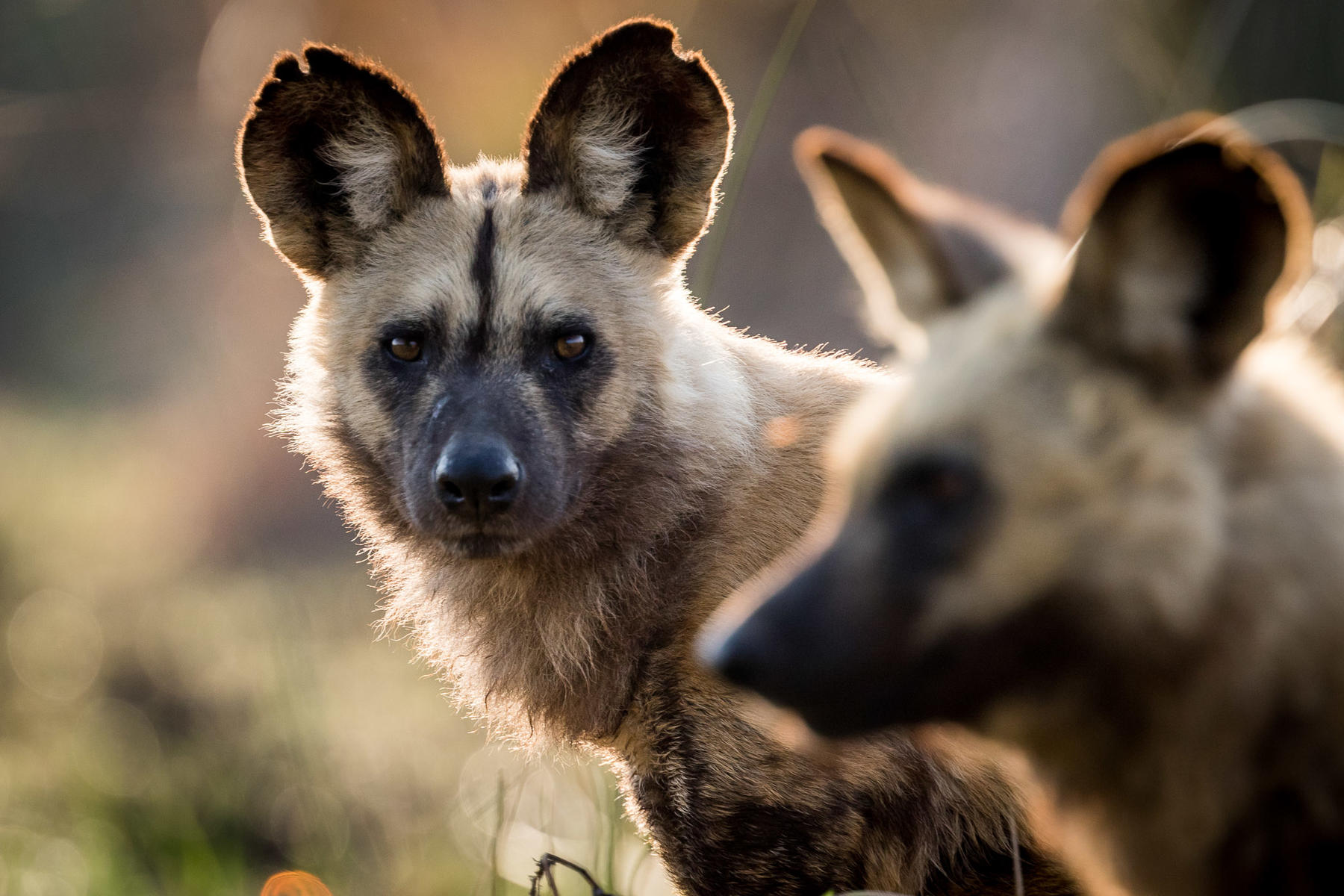
The resurgence of African wild dogs, often called painted wolves, stands as one of the most encouraging stories in Zambian conservation. Once reduced to scattered packs numbering fewer than 50 individuals across the country, these highly social carnivores now number over 300 in key strongholds. This recovery of wildlife in Zambia highlights how focused interventions and local partnerships can restore intricate predator-prey relationships that shape entire ecosystems.
Zambia's vast wilderness areas support an impressive diversity of Zambian animals and wildlife, from massive elephant herds along the Luangwa River to the elusive leopards that prowl its woodlands. The painted wolf's return offers a window into broader ecological healing, where the presence of apex predators helps regulate herbivore populations and maintain habitat balance. Encounters Africa has witnessed this transformation firsthand through our carefully curated journeys that connect travellers with these remarkable recoveries.
The Dramatic Decline and Unexpected Return of Painted Wolves
African wild dogs once ranged widely across southern Africa, but habitat fragmentation, disease and human conflict drove their numbers down sharply during the late 20th century. In Zambia, by the early 1990s, only a handful of packs survived in isolated pockets, primarily within South Luangwa National Park. Their highly specialised hunting style and complex social structure made them particularly vulnerable to these pressures.
Targeted conservation programmes began in earnest around 2005, focusing on disease management, habitat connectivity and community education. By 2018, monitoring teams recorded the first successful wild dog litters outside protected areas in over two decades. Today, stable packs roam not only in the Luangwa Valley but also across the Lower Zambezi and parts of the Kafue ecosystem. Their return has coincided with measurable improvements in prey species distribution and vegetation health.
The painted wolf does not simply survive in Zambia's landscapes; it actively reshapes them, reminding us that every returned predator strengthens the invisible threads holding an ecosystem together.
Understanding the Painted Wolf's Unique Ecology
Unlike lions or leopards, African wild dogs hunt in coordinated packs during daylight hours, achieving success rates above 80 percent in optimal conditions. Their slender build and remarkable endurance allow them to pursue prey over long distances, often targeting impala, puku and smaller antelope. This hunting pressure creates a natural check on herbivore numbers that browsing species alone cannot provide.
Each pack operates under a strict dominance hierarchy where only the alpha pair typically breeds. This unusual structure, combined with their cooperative pup-rearing system, makes every individual vital to pack survival. In Zambia, researchers have documented packs ranging from 6 to 25 members, with larger groups showing greater resilience during challenging dry seasons.
Key Strongholds for Zambian Animals and Wildlife
South Luangwa National Park remains the heartland for much of Zambia's charismatic megafauna. The park's 9,050 square kilometres support approximately 1,500 elephants, one of the highest densities in Africa, alongside healthy populations of buffalo, hippo and various antelope species. The Luangwa River creates a natural boundary that concentrates wildlife during the dry season from June to October, offering exceptional game viewing opportunities.
The Lower Zambezi National Park presents a different character, where the mighty Zambezi River serves as both lifeline and corridor. Here, travellers might encounter pods of up to 50 hippos or watch crocodiles basking on sandbanks while elephants cross the river in single file. The park's 4,092 square kilometres also harbour significant lion prides and the occasional leopard, though sightings require patience and skilled guiding.
Kafue National Park, at 22,400 square kilometres, stands as one of Africa's largest protected areas. Its varied habitats from miombo woodland to floodplain grasslands support diverse wildlife in Zambia, including the only significant population of red lechwe outside the Bangweulu wetlands. The park's remote northern sector has become particularly important for wild dog conservation in recent years.
Zambia's national parks do not exist in isolation. Their success depends on the community lands and wildlife corridors that connect them, creating a living network where animals move freely and conservation gains multiply.
Leopards: The Silent Success Story
While painted wolves capture headlines, Zambia's leopard population tells its own compelling recovery tale. The South Luangwa region supports one of the highest leopard densities on the continent, with estimates suggesting between 4 and 6 adults per 100 square kilometres in prime areas. These adaptable cats thrive in the park's varied terrain, using thick riverine vegetation for cover during daylight hours.
Research conducted between 2015 and 2022 using camera traps documented over 180 individual leopards in a single study area of 200 square kilometres. This remarkable concentration reflects both healthy prey bases and effective anti-snaring programmes that have reduced human-related mortality. For travellers seeking intimate encounters, night drives often reveal these elusive cats in their element.
How Community Involvement Drives Conservation Success
The most significant shift in Zambian conservation over the past 15 years has been the genuine integration of local communities into wildlife management. Revenue-sharing programmes now direct a percentage of tourism income directly to villages bordering protected areas. In the Luangwa Valley, this has funded everything from school construction to livestock improvement projects that reduce pressure on wild resources.
Former hunters have been retrained as wildlife monitors and guides, bringing their unparalleled bush knowledge to conservation efforts. These community scouts now patrol more than 3,000 square kilometres of traditional lands, collecting vital data on animal movements while deterring illegal activities. Their presence has dramatically reduced poaching incidents in key wildlife corridors.
Education programmes have reached over 15,000 schoolchildren since 2010, fostering a new generation that views wildlife as an asset rather than a threat. When communities see tangible benefits from living alongside Zambian animals and wildlife, they become powerful advocates for protection. This social foundation underpins the ecological recoveries we witness today.
What the Return of Painted Wolves Means for Ecosystem Health
The reestablishment of wild dogs has created fascinating ripple effects throughout Zambia's food webs. Their presence influences not only prey behaviour but also the movements of competing predators. Lions and hyenas now face different pressures, leading to subtle shifts in how these species utilise the landscape. Such changes demonstrate the interconnected nature of healthy ecosystems.
Vegetation studies in areas with returning wild dog packs show increased diversity in grass species and improved woodland regeneration. By keeping herbivore numbers in check, particularly impala which can dominate certain habitats, wild dogs help maintain the balance that supports everything from insects to large mammals. This cascade effect illustrates why apex predator recovery matters far beyond the species itself.
Long-term monitoring by conservation teams has recorded a 23 percent increase in overall mammal biomass in zones where wild dogs have reestablished territories since 2015. These figures provide concrete evidence that targeted species recovery contributes to broader biodiversity gains across the landscape.
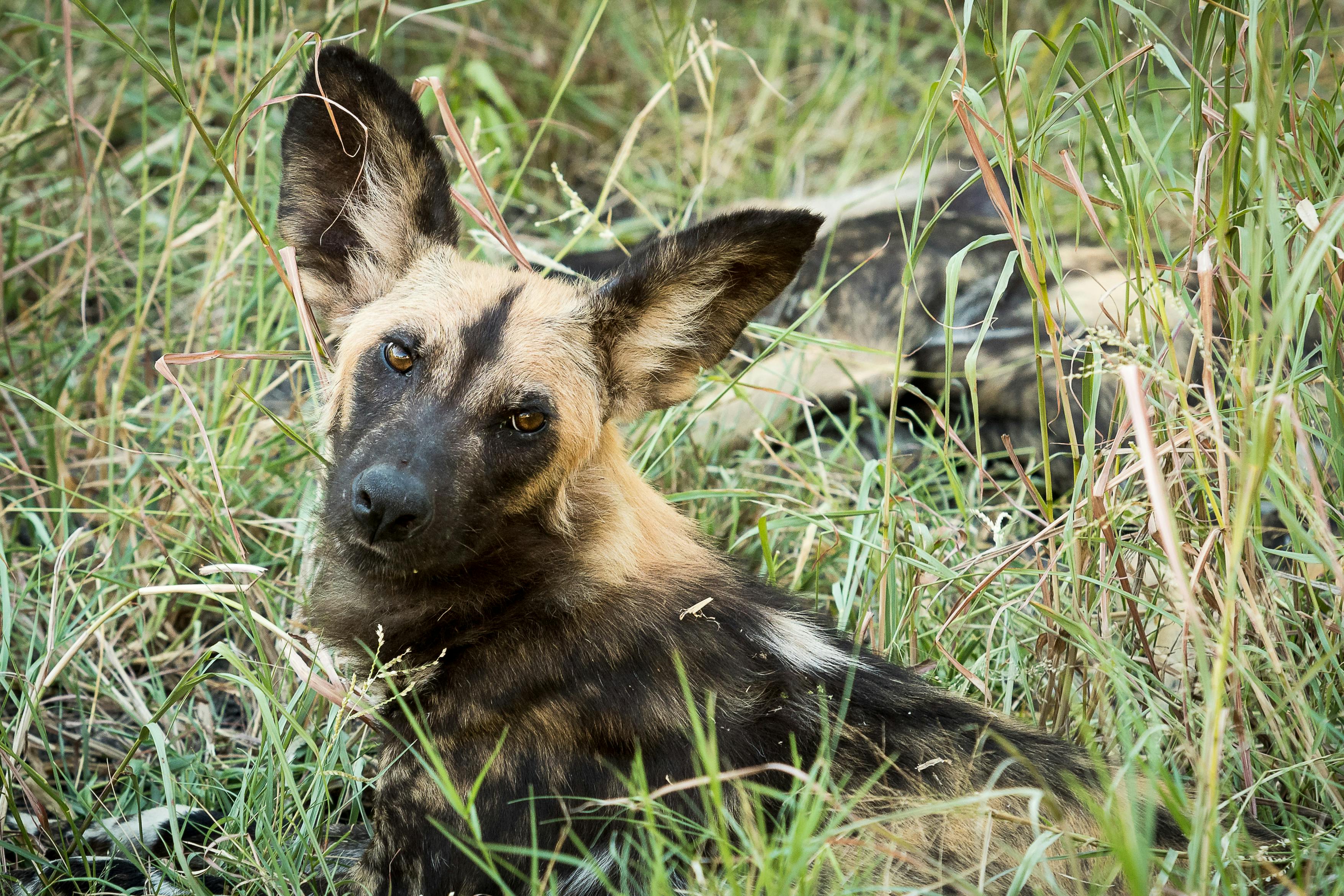
When painted wolves hunt across the Luangwa floodplains at first light, their presence echoes through the entire valley. Every successful chase reinforces the delicate equilibrium that makes Zambia's wilderness so extraordinary.
Practical Information for Travellers
The optimal time to witness Zambia's wildlife in its fullest expression runs from June to October, when the dry season concentrates animals around permanent water sources. June to August offers mild daytime temperatures ideal for extended game drives, while September and October bring the most dramatic sightings as the landscape becomes increasingly parched.
Visitors should expect early mornings and late afternoons as prime wildlife viewing periods. Morning temperatures can dip to 8°C in June and July, requiring warm layers, while October daytime highs often exceed 35°C. Packing for variable conditions ensures comfort during long days in the African bush.
Experiencing Zambia's Wildlife Recovery Firsthand
Modern safari experiences in Zambia emphasise connection over consumption. Skilled guides who have grown up in these landscapes share not only animal facts but also the stories of recovery and resilience. Whether tracking wild dogs across open plains or watching a leopard melt into the shadows at dusk, each encounter carries deeper meaning in the context of conservation success.
Private concessions bordering national parks offer particularly intimate access to wildlife in Zambia. With limited vehicle numbers and exclusive traversing rights, these areas provide the space and time for meaningful observations. Many lodges support specific research projects, allowing guests to contribute directly to ongoing monitoring efforts through citizen science initiatives.
Our work with Chiawa Safaris - Puku Ridge and similar forward-thinking partners demonstrates how responsible tourism can fund genuine conservation impact. These experiences create lasting connections between travellers and the landscapes they visit, transforming one-off safaris into lifelong commitments to African wilderness.
The Future of Conservation in Zambia
While the recovery of painted wolves and other species marks significant progress, challenges remain. Climate change brings more extreme weather patterns that affect water availability and vegetation cycles. Human populations continue to grow around protected areas, increasing the potential for conflict. Meeting these challenges requires sustained investment and innovative approaches.
Emerging technologies such as GPS collaring, environmental DNA sampling and satellite imagery help conservation teams monitor vast areas more effectively. Yet the human element remains crucial. The next generation of Zambian conservationists, many now studying wildlife management at local universities, will determine whether current gains become permanent.
The story of Zambia's wild dogs reminds us that recovery is possible when science, community needs and responsible tourism align. Each pack that successfully raises pups represents not just biological success but social and economic achievement as well. Their painted coats, once so rarely seen, now symbolise hope for Zambia's broader wilderness areas.
Planning Your Zambian Wildlife Journey
For those inspired by these stories of renewal, the question often arises: how can I witness and support this conservation success? The answer lies in choosing experiences that directly contribute to the landscapes and communities you visit. Thoughtfully designed safaris create meaningful connections while supporting the very programmes that have enabled such remarkable recoveries.
Encounters Africa specialises in crafting personalised journeys that balance exceptional wildlife viewing with genuine conservation impact. Whether you seek the thrill of following wild dog tracks at dawn or prefer observing leopard behaviour during magical night drives, we can design an itinerary around your specific interests. Our deep relationships with leading camps and conservation initiatives ensure every element of your journey supports long-term protection of Zambia's extraordinary wildlife in Zambia.
For discerning travellers seeking a private safari beyond our set itineraries, we invite you to contact us directly. We specialise in designing exceptional, tailor-made journeys for individuals, couples, families, and private groups of up to eight guests. Drawing on our handpicked network of distinguished camps and lodges, we curate every detail with precision and care, creating a seamless, deeply personal safari experience shaped entirely around your preferences, pace, and budget.
Begin your discovery with a journey to South Luangwa National Park, where the drama of predator and prey unfolds daily against one of Africa's most beautiful backdrops. Or explore the riverine wonders of the Lower Zambezi National Park from the comfort of Chiawa Safaris - Chichele Presidential. Each destination offers its own chapter in Zambia's unfolding conservation success story.
Contact Encounters Africa today through our enquiry form to start planning your transformative encounter with Zambia's returning wild dogs and the remarkable ecosystems they help sustain. Your journey will not only create indelible memories but actively contribute to the continued recovery of this magnificent wilderness.
More like this
wildlife
What to Expect on a Gorilla Trek in Rwanda’s Volcanoes National Park
Wildlife
What to Expect When Snorkeling with Whale Sharks off Mozambique’s Coast
Wildlife
Why Certain African Lodges Deliver Superior Wildlife Sightings Year After Year
wildlife
Why Half a Million Wildebeest Calve in Synchrony on the Southern Serengeti
wildlife
Why Kenya’s Northern Arid Lands Host Species Unseen Further South
Wildlife