Wildlife
What Sets Botswana's Big Five Apart from Their Cousins Elsewhere
Encounters Africa - 10 min read
Updated on 29 July 2026
Botswana's lions hunt in prides that rarely exceed six adults, a direct result of the region's scarce prey compared to East Africa. This is just one of the fascinating distinctions that set the country's Big Five apart from their cousins elsewhere on the continent. From the flood-shaped lives of elephants in the Okavango Delta to the arboreal agility of local leopards, Botswana offers a unique window into how these iconic species adapt to an environment defined by dramatic seasonal change and sparse resources.
As a trusted safari specialist, Encounters Africa has guided countless travellers through these landscapes, witnessing behaviours shaped by the Kalahari's aridity and the Delta's life-giving waters. The result is a collection of animals whose habits, social structures, and survival strategies differ markedly from those found in the more densely populated savannahs of Kenya or the woodlands of South Africa. Understanding these nuances deepens every encounter and highlights why Botswana remains one of Africa's most compelling wildlife destinations.
The Lion: Smaller Prides, Greater Endurance
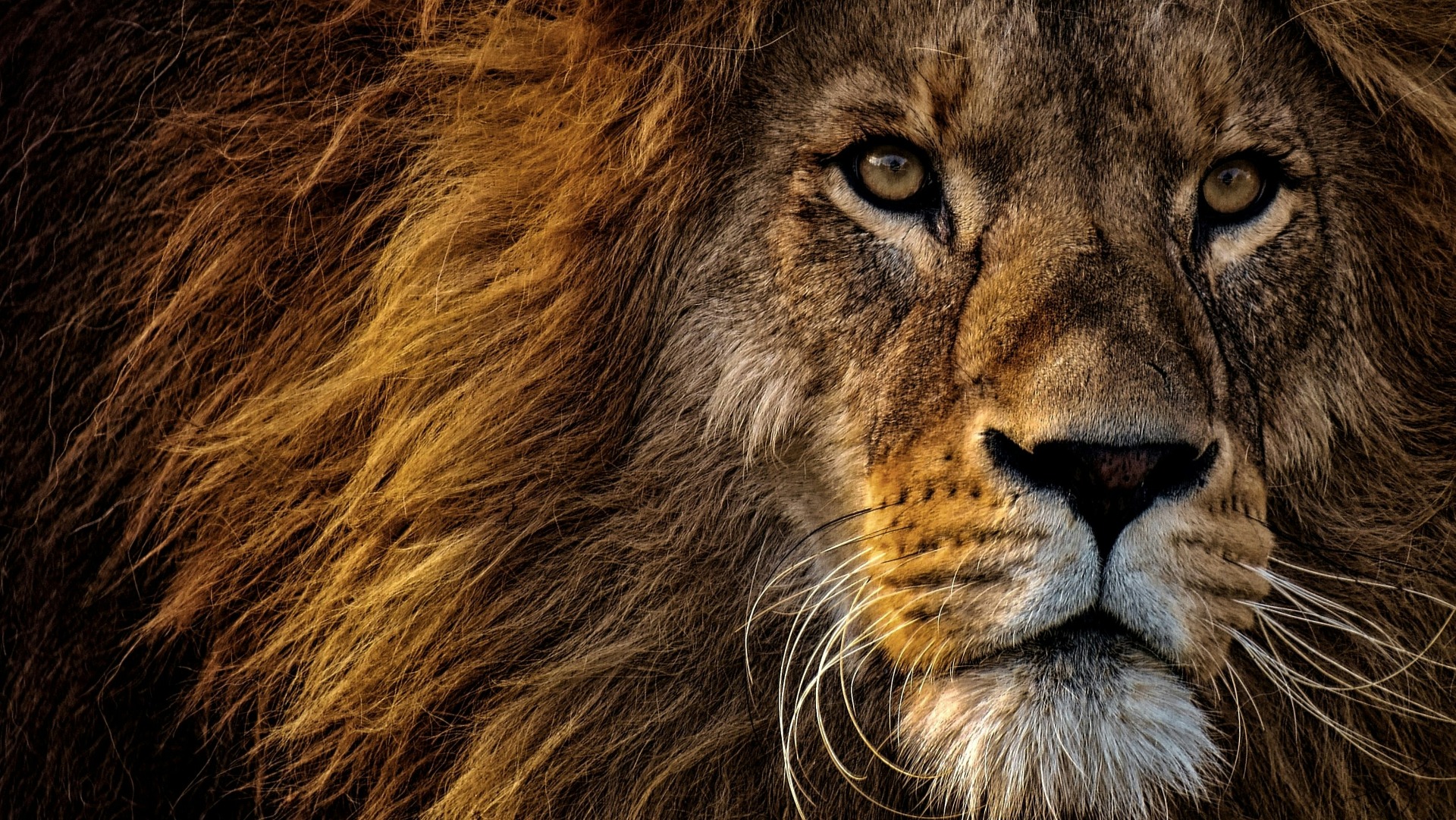
In Botswana, lion prides tend to number between four and six adults, noticeably smaller than the groups of twelve or more commonly seen in Kenya's Masai Mara. This reflects the lower density of prey species across much of the country, particularly in the drier regions where antelope and zebra are more thinly spread. The lions here have evolved remarkable stamina, often covering distances of up to 30 kilometres in a single night in search of food.
These predators also demonstrate exceptional swimming ability, regularly crossing the channels of the Okavango Delta to hunt on isolated islands. Unlike their East African counterparts who prefer open grassland ambushes, Botswana's lions frequently use dense mopane woodland or reed beds for cover, adapting their tactics to the mosaic of habitats created by seasonal flooding.
The lions of Botswana move with a quiet confidence born of necessity, their smaller coalitions teaching us that strength in the wild often lies in adaptability rather than sheer numbers.
Recent studies from the Okavango Research Institute indicate that these lions have a higher success rate when hunting at night, with over 65 percent of their kills occurring between dusk and dawn. This nocturnal preference helps them avoid the extreme daytime temperatures that can exceed 40 degrees Celsius in the Kalahari regions during the dry season.
Unique Hunting Strategies
Botswana's lions have developed specialised techniques for taking down larger prey such as buffalo in the Chobe River Front. They work in tighter coordination, using the terrain to their advantage rather than relying on overwhelming numbers. This efficiency is crucial in an environment where a failed hunt can mean several days without a substantial meal.
Elephants: Masters of the Flooded Landscape
The elephants of Botswana's Okavango Delta experience a world transformed twice yearly by the arrival of floodwaters from Angola. These floods, which typically peak between May and August, create a unique ecological calendar that influences everything from family structure to migration patterns. Unlike the more predictable seasonal movements seen in Tanzania's Serengeti, Botswana's elephants follow a complex pattern dictated by both local rainfall and distant Angolan highlands.
Family groups here tend to be smaller and more fluid, with cows and calves often splitting into subgroups of eight to twelve individuals during the flood season. This allows them to navigate the narrow channels and islands more effectively. The famous herds of Chobe, which can number over 500 during the dry season, disperse into these smaller units when the waters rise, demonstrating remarkable flexibility.
Nowhere else in Africa do elephants move through a liquid landscape with such apparent ease, their massive forms gliding between palm-fringed islands as the floodwaters reshape their world each year.
Research conducted between 2015 and 2022 by the Elephant Research Foundation documented that these elephants possess an extraordinary spatial memory, remembering the precise timing of flood patterns across decades. Some matriarchs in the region are estimated to be over 60 years old, carrying knowledge of water sources that have long since disappeared from maps.
How Seasonal Floods Shape Elephant Society
The annual inundation of the Delta forces elephants to develop advanced swimming techniques, with adults often submerging completely except for their trunks. This behaviour is rarely observed in drier parts of Southern Africa. During the peak flood months, family groups may spend up to 70 percent of their time in or around water, feeding on aquatic vegetation that provides essential minerals not found in terrestrial plants.
The Leopard: Higher Climbers in a Tree-Scarce Land
Botswana's leopards have adapted to an environment where suitable trees for resting and caching prey are relatively scarce compared to the lush forests of Uganda or the acacia-dotted plains of Kenya. As a result, they climb significantly higher, often hauling kills weighing up to 100 kilograms into the upper branches of leadwood or fig trees, sometimes 15 metres or more above the ground.
This arboreal prowess serves multiple purposes: it keeps their food safe from hyenas and lions while providing a cooler vantage point during the heat of the day. In areas like the Moremi Game Reserve, researchers have recorded leopards maintaining up to three different caches simultaneously, a behaviour less commonly observed in regions with more abundant tree cover.
The solitary nature of these cats is amplified in Botswana's vast spaces. Males maintain territories that can exceed 400 square kilometres, roughly four times larger than those documented in South Africa's Sabi Sand reserve. This reflects both lower prey density and the need to find suitable mating partners across enormous distances.
Distinctive Adaptations to Arid Conditions
During the dry season, Botswana leopards have been observed surviving for up to two weeks without drinking water, obtaining all necessary hydration from their prey. Their coats often appear slightly paler than their East African cousins, providing better camouflage against the sun-bleached grasses and Kalahari sands that dominate much of the country.

The Buffalo: Formidable Herds in a Demanding Environment
Botswana is home to some of Africa's largest buffalo herds, with the Chobe population estimated at over 30,000 individuals. These formidable animals have developed particularly strong herd cohesion as a defence against lions in an environment where escape routes can be limited by seasonal floodwaters or arid plains.
Unlike the more dispersed groups found in parts of Zambia, Botswana's buffalo move in tight formations during predator encounters, with the largest bulls forming a protective outer ring. Their daily water requirements, estimated at up to 40 litres per adult, make them dependent on permanent water sources during the dry season, leading to spectacular concentrations along the Chobe River and in the northern reaches of the Okavango.
These herds play a crucial role in shaping the landscape through their grazing patterns, creating short-grass areas that benefit other species. Studies from the early 2000s documented that areas grazed by large buffalo herds show up to 35 percent higher biodiversity in bird and smaller mammal species during the following wet season.
Social Structure and Survival Tactics
Botswana buffalo demonstrate remarkable memory of safe crossing points across floodplains, with older females leading their groups through channels that change dramatically with each season. Their ability to detect lions from over two kilometres away using scent and sound gives them a distinct advantage in the open terrain of the northern conservation areas.
The Rhinoceros: Botswana's Quiet Conservation Success
While black rhinos were once widespread across Botswana, decades of dedicated conservation have seen their numbers slowly recovering, particularly in the northern regions and private concessions. The country is now home to approximately 250 black rhinos, with white rhinos also present in smaller numbers, primarily in the southern reserves.
What sets Botswana's rhinos apart is their extreme wariness, a direct result of their history with poaching. Unlike the more habituated animals found in some South African reserves, Botswana rhinos maintain large home ranges and are predominantly nocturnal, making sightings particularly special for those fortunate enough to experience them.
The reintroduction programmes that began in earnest in 2002 have focused on creating secure breeding nuclei in areas like the Selinda Reserve, where rhinos now form an important part of the ecosystem once more. These animals demonstrate distinctive behavioural patterns, including the creation of complex dung middens that serve as communication hubs across their territories.
Current Conservation Status and Future Prospects
Botswana's approach to rhino conservation emphasises vast wilderness areas and minimal human interference. This has resulted in animals that behave in ways much closer to their wild ancestors than those in smaller, more intensively managed reserves. The country's success in protecting these critically endangered animals offers valuable lessons for conservation efforts across Africa.

What Makes a Botswana Safari with the Big Five Different?
Many travellers ask what truly distinguishes a Botswana safari focused on the Big Five from similar experiences elsewhere. The answer lies in the sheer scale of the wilderness and the way each species has adapted to the unique challenges of this environment. With over 37 percent of the country designated as protected wildlife areas, encounters feel less orchestrated and more serendipitous than in smaller reserves.
The seasonal transformation of the landscape adds another dimension. A visit during the green season (November to March) reveals lush vegetation and abundant birdlife alongside the Big Five, while the dry season (May to October) concentrates animals around water sources, creating dramatic viewing opportunities. This cyclical rhythm shapes not only animal behaviour but the entire safari experience.
At Encounters Africa, we carefully select the timing and location of each journey to maximise meaningful encounters while maintaining the highest standards of ethical wildlife viewing. Our guides, many with decades of experience in Botswana, help travellers interpret the subtle signs that reveal the presence of these magnificent animals long before they appear.
A Botswana encounter with the Big Five is not merely about checking off a list, but about understanding how each species has carved out its own elegant solution to the challenges of this ancient, resilient landscape.
Planning Your Botswana Big Five Experience
Successful observation of Botswana's distinctive Big Five requires thoughtful planning and a willingness to embrace the rhythms of the wilderness. The best months for seeing lions and leopards tend to be the drier periods from June to October, when vegetation is lower and animals congregate around water. Elephants and buffalo are most reliably viewed year-round, though their behaviour changes dramatically with the arrival of the floods.
Choosing the right location is equally important. The permanent waters of the Okavango Delta offer year-round elephant viewing and excellent leopard sightings, while the Savuti region in Chobe National Park is renowned for its large lion prides and dramatic buffalo encounters. Private concessions such as the Duba Plains Private Reserve provide exclusive access to areas where these animals exhibit their most natural behaviours.
For those seeking a private safari beyond our set itineraries, we would be delighted to hear from you directly. We specialise in creating beautifully tailored journeys for solo travellers, couples, families, and private groups of up to eight guests. Through our trusted network of carefully selected camps and lodges, we craft each safari around your individual interests, preferred pace, and budget, ensuring a seamless and deeply personal experience from beginning to end.
Whether you dream of watching a leopard descend from a towering leadwood tree at dusk or witnessing hundreds of elephants crossing the floodplains at first light, Botswana offers encounters that linger long in the memory. By choosing to travel with Encounters Africa, you become part of a tradition of responsible, insightful safari experiences that support both conservation and local communities across this remarkable country.
Contact us today through our enquiry form to begin planning your own journey into the world of Botswana's uniquely adapted Big Five. Our team of specialist safari consultants looks forward to creating an experience that respects the wild integrity of these animals while creating memories that will last a lifetime.
More like this
wildlife
What the Daily Habits of Zambian Wildlife Reveal About Survival
@-cropped.jpg)
Wildlife
What the Return of Zambia's Painted Wolves Says About Recovery
wildlife
What to Expect on a Gorilla Trek in Rwanda’s Volcanoes National Park
Wildlife
What to Expect When Snorkeling with Whale Sharks off Mozambique’s Coast
Wildlife
Why Certain African Lodges Deliver Superior Wildlife Sightings Year After Year
wildlife