wildlife
What the Daily Habits of Zambian Wildlife Reveal About Survival
Encounters Africa - 9 min read
Updated on 10 July 2026
Zambian animals and habitats showcase remarkable daily rhythms shaped by one of the continent's most diverse landscapes. From the winding waterways of the Luangwa Valley to the vast floodplains of Liuwa Plain, these patterns reveal sophisticated survival strategies honed over millennia. This article examines how wildlife and habits in Zambia reflect constant negotiation between predator and prey, resource availability and environmental pressures.
Understanding these behaviours offers travellers deeper insight into the intricate web sustaining Zambia's ecosystems. Whether watching a leopard's calculated patrol or the collective vigilance of a wildebeest herd, each observation tells part of a larger story about resilience in changing conditions.
The Dawn Patrol: Early Morning Activity Across Zambian Landscapes
As first light touches the miombo woodlands and riverine thickets, Zambian wildlife begins its most active period. In South Luangwa National Park, elephants emerge from dense cover to drink at oxbow lakes, their movements creating pathways that smaller species later follow. These early hours reveal coordinated patterns where different species share limited resources with minimal conflict.
Hippos return to water after nocturnal grazing, while leopards complete their hunts before the rising sun makes concealment difficult. The air fills with the calls of ground hornbills and the distant whooping of spotted hyenas returning to dens. These moments capture the delicate balance that defines wildlife and habits in Zambia throughout the changing seasons.
The daily cycles of Zambian animals demonstrate how each species has evolved precise timing to reduce competition and maximise survival chances in environments where resources fluctuate dramatically between wet and dry periods.
How Temperature and Light Influence Morning Foraging
The cooler morning temperatures allow herbivores like puku and impala to feed actively before the heat of the day. Their heightened alertness during these hours reflects constant assessment of surroundings, with sentinel individuals positioned to detect approaching threats from lions or African wild dogs.
In the South Luangwa region, researchers have documented how certain antelope species adjust their feeding height and location based on light levels, avoiding areas where their silhouettes would make them easy targets. These subtle adjustments highlight the sophisticated risk calculations occurring across Zambia's varied habitats.

Elephants as Landscape Architects in South Luangwa
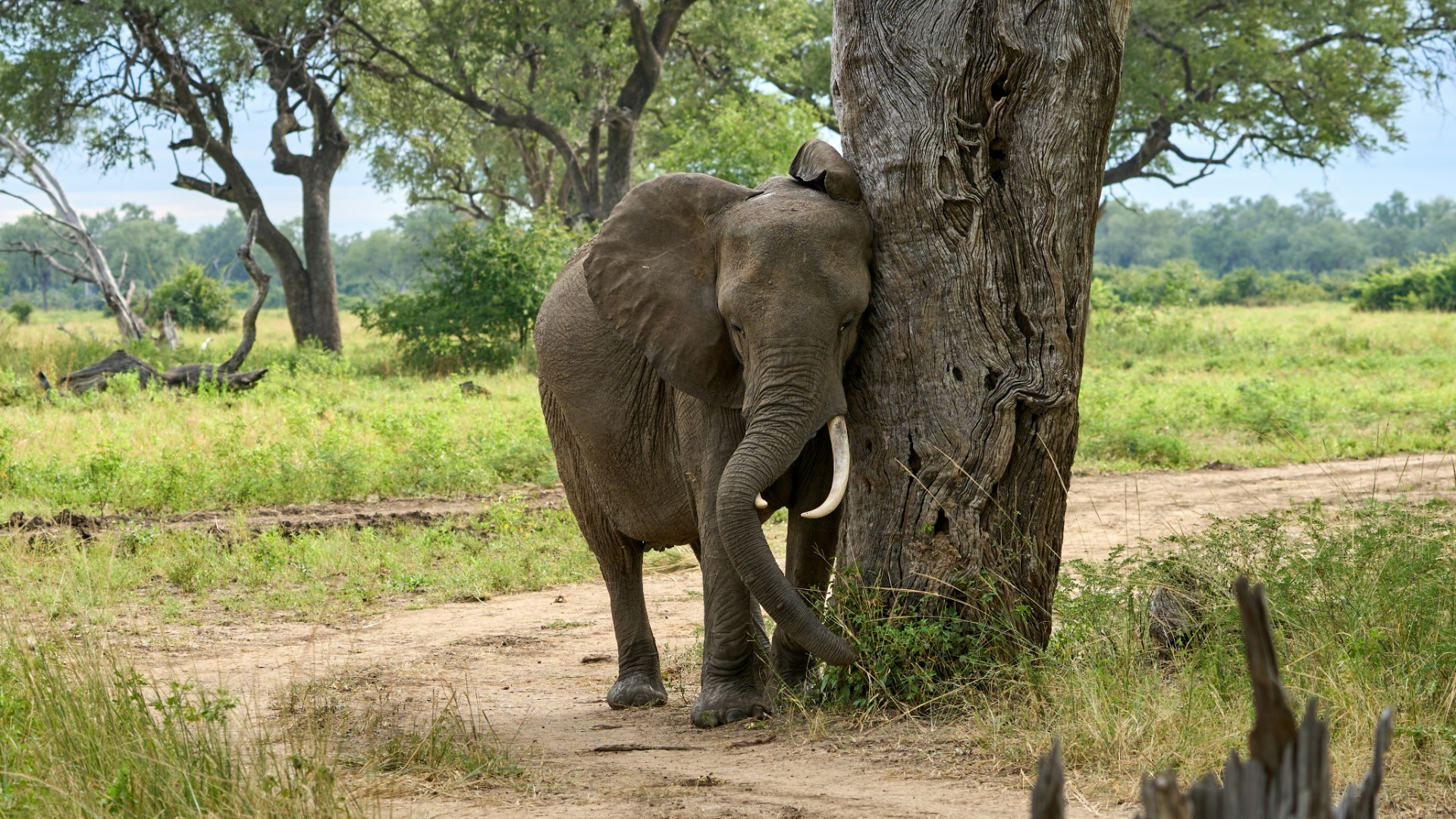
Nowhere is the engineering impact of Zambian animals more visible than in the work of African elephants in South Luangwa National Park. Their daily habits of pushing over trees, excavating waterholes and dispersing seeds fundamentally shape the ecosystem that supports hundreds of other species.
During the dry season from June to October, elephant herds methodically work their way along the Luangwa River, creating new channels as they dig for subsurface water. These modifications provide drinking access for smaller mammals and birds during the most challenging months, when surface water becomes scarce.
Observations show family groups returning to the same digging sites year after year, demonstrating remarkable spatial memory that spans generations. This consistent behaviour illustrates how deeply ingrained these survival patterns have become in Puku Ridge's elephant population.
The Social Structure Behind Resource Management
Elephant matriarchs lead their families with knowledge accumulated over decades, remembering exact locations of reliable water sources even during extreme drought years. Their decisions about when and where to move directly influence the ranging patterns of numerous other Zambian animals and habitats.
Younger elephants learn these routes through observation, ensuring the continuation of behaviours that have sustained populations through cycles of flood and drought. This transmission of ecological knowledge represents one of the most fascinating aspects of wildlife and habits in Zambia.
Coordinated Hunts: The Sophisticated Strategies of Painted Dogs
African wild dogs, often called painted dogs, demonstrate some of the most complex social hunting behaviours found among Zambian animals. In Liuwa Plain National Park, packs coordinate with precision that rivals military operations, using vocalisations and body language to execute hunts across open terrain.
These endangered predators hunt primarily during daylight hours, unlike many other large carnivores. Their morning and late afternoon activity patterns allow them to exploit the vulnerability of wildebeest and zebra calves while avoiding direct competition with lions, which prefer nocturnal hunting.
Each pack member has a specific role, from the scouts that locate prey to the chasers that maintain relentless pressure over distances sometimes exceeding five kilometres. Success rates for these coordinated efforts reach approximately 80 percent in optimal conditions, significantly higher than solitary predators.
In the vastness of Liuwa Plain, painted dogs remind us that survival often depends not on individual strength but on the intelligence of collective action and the bonds that allow seamless cooperation between pack members.
Communication Systems That Enable Complex Coordination
The vocal repertoire of African wild dogs includes over a dozen distinct calls, each conveying specific information about prey location, pack movement or potential danger. This sophisticated communication system allows split-second adjustments during hunts that can determine the difference between feast and famine.
After successful hunts, the dogs demonstrate remarkable generosity, allowing pups and injured pack members to feed first. This behaviour ensures the survival of the group's future generations and maintains the strength of the hunting unit, revealing the deeply social nature underlying their daily habits.
Seasonal Adaptations: How Zambian Wildlife Responds to Water Cycles
The annual rhythm of rainfall dramatically influences wildlife and habits in Zambia, creating distinct behavioural shifts between the wet season (November to April) and dry season (May to October). Animals have developed precise timing mechanisms that align their activities with these predictable environmental changes.
During the wet months, vast floodplains transform into productive feeding grounds where thousands of red lechwe and other water-adapted antelope gather. Their movement patterns shift as they follow receding waters, demonstrating remarkable adaptability to the changing landscape.
As the dry season intensifies, concentrations around permanent water sources increase dramatically. The Luangwa River and its tributaries become focal points where predator and prey interactions intensify, offering unparalleled opportunities for observation of natural behaviours.
Question: How Do Zambian Animals Adapt Their Daily Habits to Seasonal Changes?
Zambian animals adjust their activity patterns, ranging behaviour and social interactions according to water availability and vegetation growth. In the dry season, many species become more active during cooler hours and congregate near permanent water sources, while the wet season allows for more dispersed movement across the landscape.
Predators modify their hunting strategies based on prey vulnerability, which changes with seasonal conditions. Herbivores adjust their diets and feeding heights as different plants flourish or wither, creating a complex cascade of behavioural responses throughout the food chain.
Research from organisations like the Zambian Carnivore Programme has documented how specific populations have adapted over decades, with some groups showing behavioural flexibility that helps them cope with increasing climate variability. These observations provide valuable data for conservation planning across the region's protected areas.

The Hidden World of Nocturnal Activity in Zambian Habitats
While daytime offers obvious wildlife viewing, the hours after darkness reveal an entirely different cast of characters and behaviours. Nocturnal species like honey badgers, civets and various owl species emerge to exploit resources less contested during daylight hours.
In the woodlands surrounding Kafue National Park, aardvarks and pangolins conduct their nightly searches for termites and ants, playing crucial roles in controlling insect populations that might otherwise overwhelm the ecosystem. Their specialised digging creates microhabitats used by numerous smaller creatures.
Leopards shift from daytime rest to active hunting as darkness provides cover for their ambush tactics. Their success depends on intimate knowledge of the terrain and the predictable movement patterns of prey species that have their own nocturnal routines.
The night-time world of Zambian wildlife reveals layers of activity invisible to most visitors, reminding us that what we witness during daylight represents only a fraction of the complex interactions sustaining these remarkable ecosystems.
Technological Advances in Studying Night-time Behaviours
Modern camera traps and thermal imaging have revolutionised our understanding of after-dark activity patterns. Data collected over thousands of hours has revealed surprising interactions between species previously thought to have completely separate activity cycles.
These insights have practical applications for conservation, helping managers understand how human activities during daylight hours might indirectly affect nocturnal wildlife and habits in Zambia. The findings continue to shape how protected areas are managed to accommodate full 24-hour ecological cycles.
Conservation Through Understanding: Why Daily Habits Matter
Recognising the significance of these daily patterns has profound implications for protecting Zambian animals and habitats. When we understand how species interact throughout their full activity cycles, we can make more informed decisions about habitat protection, anti-poaching efforts and tourism management.
The Zambian Carnivore Programme and similar initiatives have contributed substantially to our knowledge of predator movements and social structures. Their long-term studies spanning more than fifteen years provide baseline data against which future changes can be measured.
Community involvement in conservation has grown as local people recognise the economic benefits of protecting the wildlife that draws international visitors. This partnership between local knowledge and scientific research creates more sustainable approaches to preserving these precious ecosystems.
By sharing our knowledge about wildlife and habits in Zambia, we hope to inspire greater appreciation for the sophisticated survival strategies at work. Each safari becomes an opportunity to witness living examples of evolutionary adaptation in action.
Discovering Zambia's Wildlife Rhythms with Encounters Africa
The daily habits of Zambian wildlife offer windows into ancient survival strategies that continue to evolve in response to environmental pressures. From the landscape-shaping movements of elephants to the precisely coordinated hunts of painted dogs, these behaviours reveal the intelligence and adaptability that characterises Africa's most resilient species.
Travellers who approach their safari with curiosity about these patterns gain far richer experiences than those seeking only dramatic sightings. The quiet moments of observation often prove most memorable, as they connect us to the deeper rhythms sustaining these extraordinary ecosystems.
For discerning travellers seeking a private safari beyond our set itineraries, we invite you to contact us directly. We specialise in designing exceptional, tailor-made journeys for individuals, couples, families, and private groups of up to eight guests. Drawing on our handpicked network of distinguished camps and lodges, we curate every detail with precision and care, creating a seamless, deeply personal safari experience shaped entirely around your preferences, pace, and budget.
Whether your interest lies in spending extended time with a specific species or exploring the full diversity of Zambia safari experiences, our team can craft an itinerary that maximises opportunities for meaningful wildlife encounters. Explore our Chichele Presidential Lodge options or discover the wonders of Liuwa Plain National Park through carefully planned daily activities.
Contact Encounters Africa today through our enquiry form to begin planning your journey into the fascinating world of Zambian wildlife and habits.
More like this
@-cropped.jpg)
Wildlife
What the Return of Zambia's Painted Wolves Says About Recovery
wildlife
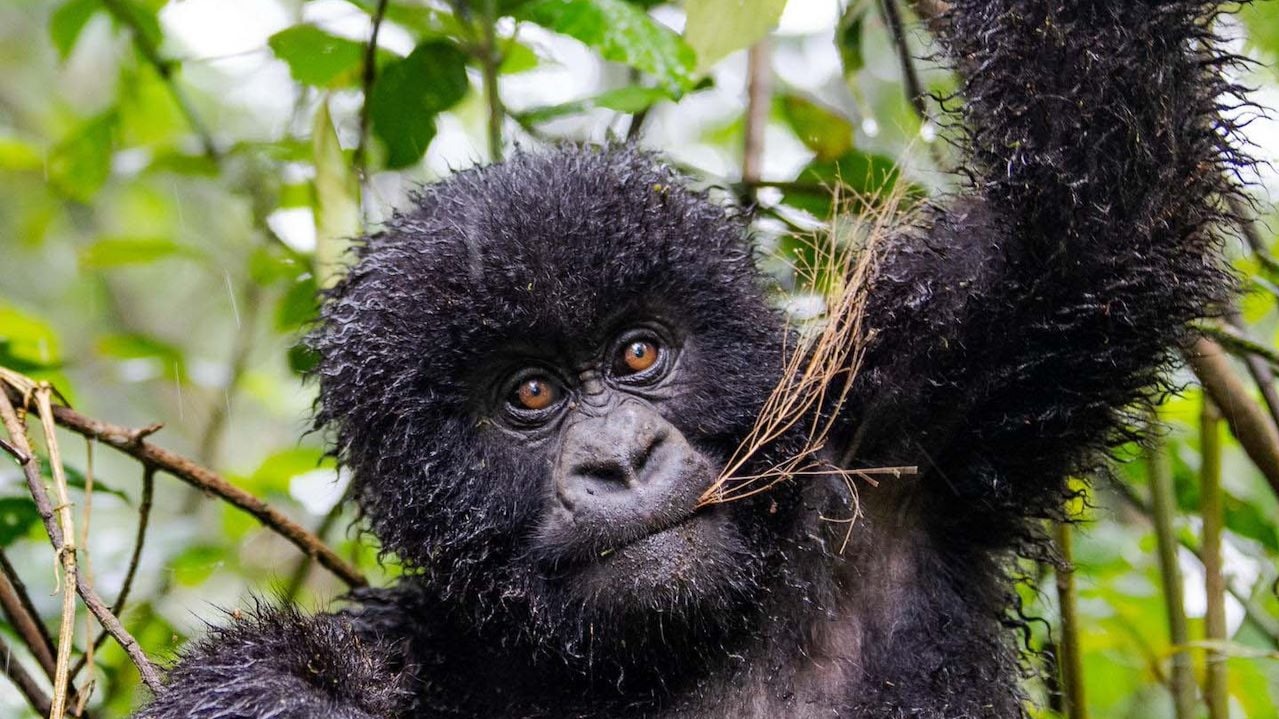
What to Expect on a Gorilla Trek in Rwanda’s Volcanoes National Park
Wildlife
What to Expect When Snorkeling with Whale Sharks off Mozambique’s Coast
Wildlife
Why Certain African Lodges Deliver Superior Wildlife Sightings Year After Year
wildlife
Why Half a Million Wildebeest Calve in Synchrony on the Southern Serengeti
wildlife