wildlife
What to Expect on a Gorilla Trek in Rwanda’s Volcanoes National Park
Encounters Africa - 7 min read
Updated on 31 August 2026
Gorilla trekking in Rwanda offers one of Africa's most intimate wildlife encounters, drawing travellers into the misty slopes of Volcanoes National Park where mountain gorillas move through dense vegetation with surprising grace. The experience blends physical challenge with profound connection, as visitors spend a carefully regulated hour observing a habituated family going about its day. This comprehensive guide explores every aspect, from permit allocation managed by the Rwanda Development Board to the realities of altitude, fitness demands and the quiet magic of that single hour in the company of these remarkable primates.
Encounters Africa, the specialist arm of the Secret Namibia group, designs tailor-made safaris across South Africa, Botswana, Kenya, Tanzania, Rwanda, Uganda, Zambia and Zimbabwe by booking directly with camps and lodges. With three decades of combined experience and 81 published itineraries that can all be reshaped, the Cape Town-based team creates seamless journeys for individuals, couples, families and private groups of up to eight guests. Read on to discover what a gorilla trek truly involves and how to prepare for this once-in-a-lifetime moment.
Understanding Gorilla Trekking Permits in Rwanda
Permits for gorilla trekking are strictly limited and released by the Rwanda Development Board, which oversees allocation to balance conservation needs with visitor access. Each year only a set number become available for the eight habituated groups in Volcanoes National Park, making advance planning essential. The cost is set by the authority and remains subject to change, so always verify current rates directly with the board or through your safari specialist.
Booking typically occurs many months ahead, often through reputable operators who coordinate with local partners. This system helps fund community projects and anti-poaching initiatives that have been instrumental in the species' recovery. Travellers should note that permits are non-transferable and tied to specific dates, though limited flexibility sometimes exists for weather-related adjustments.
The quiet dignity of a silverback observing his family from a few metres away reminds us why these encounters matter far beyond the thrill of a checklist sighting.
What is Involved in a Gorilla Trek in Rwanda?
A gorilla trek in Rwanda begins with an early morning briefing at the park headquarters in Kinigi, where rangers assess each group's location and assign trekkers accordingly. After a short drive to the trailhead, the group sets off on foot accompanied by armed rangers, trackers and a guide. The hike can last from 30 minutes to several hours depending on where the gorillas have moved overnight, often involving steep, muddy paths through thick bamboo and nettles.
Once the family is located, visitors must maintain a seven-metre distance, speak in whispers and avoid sudden movements. The permitted observation time is strictly one hour. After the encounter, the return hike follows the same demanding terrain. The entire experience from briefing to return typically spans four to eight hours, with the actual time among the gorillas limited to that precious hour to minimise disturbance.
Preparing for the Physical Demands: Fitness and Altitude Considerations
Volcanoes National Park sits at elevations between 2,400 and 4,500 metres, meaning even moderate walks can feel significantly more strenuous due to thinner air. Acclimatisation helps, yet many visitors underestimate how the combination of altitude, steep slopes and variable weather affects breathing and energy levels. A reasonable level of cardiovascular fitness is recommended, as the trek may involve scrambling over logs, pushing through dense undergrowth and navigating slippery volcanic soil.
Porters are available for hire at the park entrance, carrying daypacks and offering steadying hands on tricky sections. Wearing proper hiking boots with good ankle support, layering clothing for rapid weather shifts and carrying rain gear are non-negotiable. Those with respiratory conditions or recent injuries should consult their doctor well before travel. The reward of reaching the gorillas more than compensates for the effort, but honest self-assessment ensures everyone in the group can participate safely.
The Reality of an Hour with a Habituated Gorilla Family
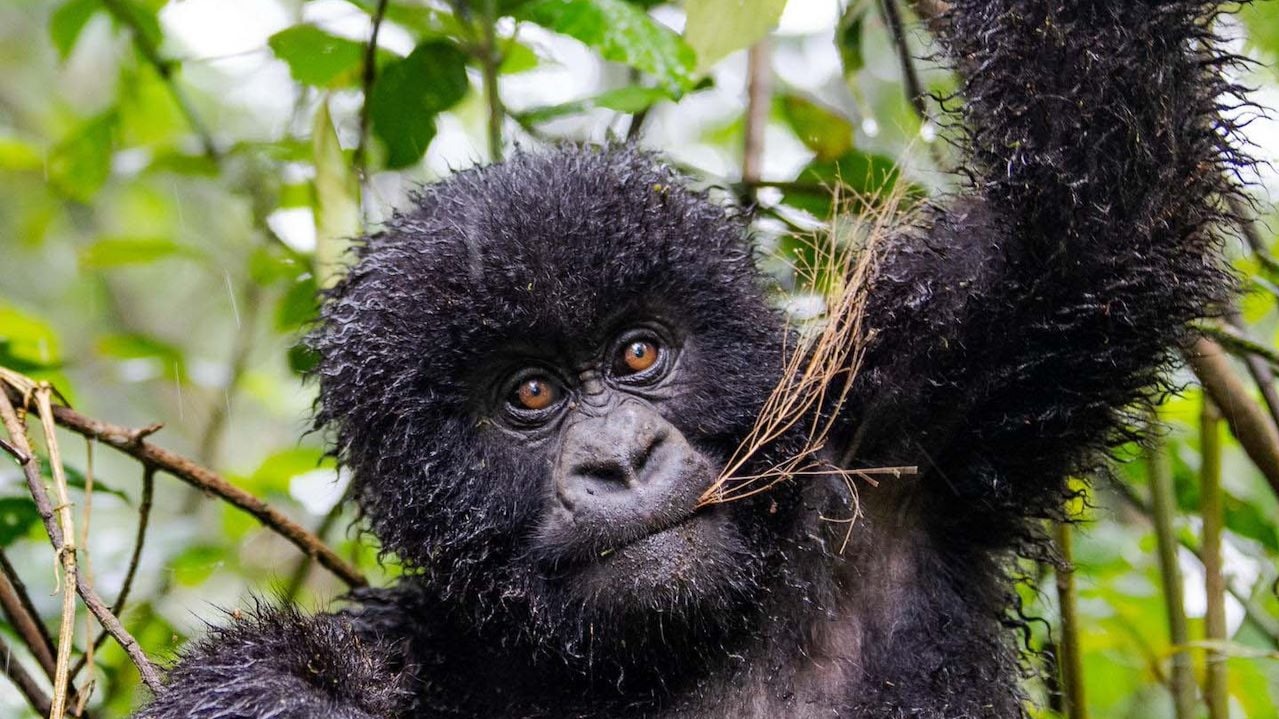
That single hour unfolds differently with each family and each day. Sometimes the gorillas rest peacefully, juveniles tumbling in play while the silverback watches with half-closed eyes. Other visits reveal them feeding intently, stripping vegetation with powerful yet precise hands, the sound of crunching stems filling the forest. Infants may peer curiously from their mothers' backs, their dark eyes bright with intelligence.
The rangers' knowledge allows the group to anticipate behaviours and position themselves for the best views without intrusion. A low grunt from the silverback can signal contentment or mild warning; visitors learn to read these subtle communications. The hour passes in a heartbeat of absorbed observation, the scent of crushed vegetation and damp earth mingling with the earthy presence of the animals themselves. Many travellers describe it as transformative rather than merely exciting, a moment when the boundary between observer and observed feels momentarily blurred.
Nothing quite prepares you for the steady gaze of a mountain gorilla that has chosen to sit just beyond the regulation distance, calmly returning your wonder with equal curiosity.
Choosing the Right Time to Visit Volcanoes National Park
The drier months from June to September and December to February generally offer easier trekking conditions, with less mud and clearer paths through the vegetation. However, the park's equatorial climate means rain remains possible year-round, and the gorillas move according to food availability rather than calendar dates. January and February often bring beautiful clear mornings, while the long rains from March to May can make trails more challenging but also bring lush greenery and fewer visitors.
Regardless of season, the early morning start means dressing for cool temperatures that can drop further at higher altitudes. Afternoon mists frequently cloak the volcanoes, creating an ethereal atmosphere that photographers particularly appreciate. The best time ultimately depends on balancing trekking comfort with personal schedule and tolerance for variable weather.
Conservation Impact and Community Benefits
Gorilla trekking revenue has played a vital role in transforming the fortunes of mountain gorillas, whose numbers have increased from critically low figures in the 1980s to over 1,000 individuals today across the Virunga massif. A significant portion of permit fees supports local communities living adjacent to the park, funding schools, health clinics and alternative livelihood programmes that reduce pressure on forest resources.
Visitors often have opportunities to learn about these initiatives during their stay. The model demonstrates how responsible tourism can align human development with wildlife protection, creating genuine incentives for conservation. This approach has become a reference point for similar programmes protecting other endangered species across Africa.
Every step taken on these volcanic slopes contributes to a future where mountain gorillas continue to raise their young in the same ancient forests that have sheltered them for millennia.
Planning Your Rwanda Gorilla Trekking Experience
Combining a gorilla trek with time in Rwanda allows travellers to explore the country's broader attractions, from the calm waters of Twin Lakes Burera & Ruhondo to cultural encounters in local villages. Thoughtful itinerary design ensures the physical demands of trekking are balanced with restful days at well-chosen accommodation. Those seeking deeper immersion might add chimpanzee tracking in Nyungwe or a visit to the memorial sites that provide essential historical context.
Encounters Africa works closely with trusted partners near Volcanoes National Park, including Clouds Mountain Gorilla Lodge and Gorilla Heights Lodge, selecting properties that enhance rather than overwhelm the core experience. Our direct relationships with these exceptional camps ensure access to the best guides and seamless logistics from arrival to departure. For those wanting to explore further, consider linking your Rwanda visit with a classic Kenya safari or time in the Uganda sector of the Virunga mountains.
Whether this will be your first African safari or a return journey to deepen existing connections with the continent's wildlife, careful preparation transforms an already memorable experience into something truly lasting. The combination of physical endeavour, natural beauty and profound connection with our closest relatives leaves an indelible impression.
For discerning travellers seeking a private safari beyond our set itineraries, we invite you to contact us directly. We specialise in designing exceptional, tailor-made journeys for individuals, couples, families, and private groups of up to eight guests. Drawing on our handpicked network of distinguished camps and lodges, we curate every detail with precision and care, creating a seamless, deeply personal safari experience shaped entirely around your preferences, pace, and budget. Visit our enquiry form to begin planning your gorilla trekking journey in Rwanda.
More like this
Wildlife
What to Expect When Snorkeling with Whale Sharks off Mozambique’s Coast
Wildlife
Why Certain African Lodges Deliver Superior Wildlife Sightings Year After Year
wildlife
Why Half a Million Wildebeest Calve in Synchrony on the Southern Serengeti
wildlife
Why Kenya’s Northern Arid Lands Host Species Unseen Further South
Wildlife
Why Kibale Forest National Park Holds One of Africa's Highest Concentrations of Primates
wildlife