wildlife
Why Half a Million Wildebeest Calve in Synchrony on the Southern Serengeti
Encounters Africa - 6 min read
Updated on 31 August 2026
Each year the southern Serengeti plains witness a brief, intense pulse of life as roughly 500,000 wildebeest give birth within weeks. This natural synchrony creates unmatched predator viewing around Ndutu, where lions, cheetahs and hyenas gather. Encounters Africa, the specialist arm for safaris beyond Namibia, draws on three decades of combined experience from its Cape Town base to shape tailor-made journeys across eight countries by booking directly with camps and lodges.
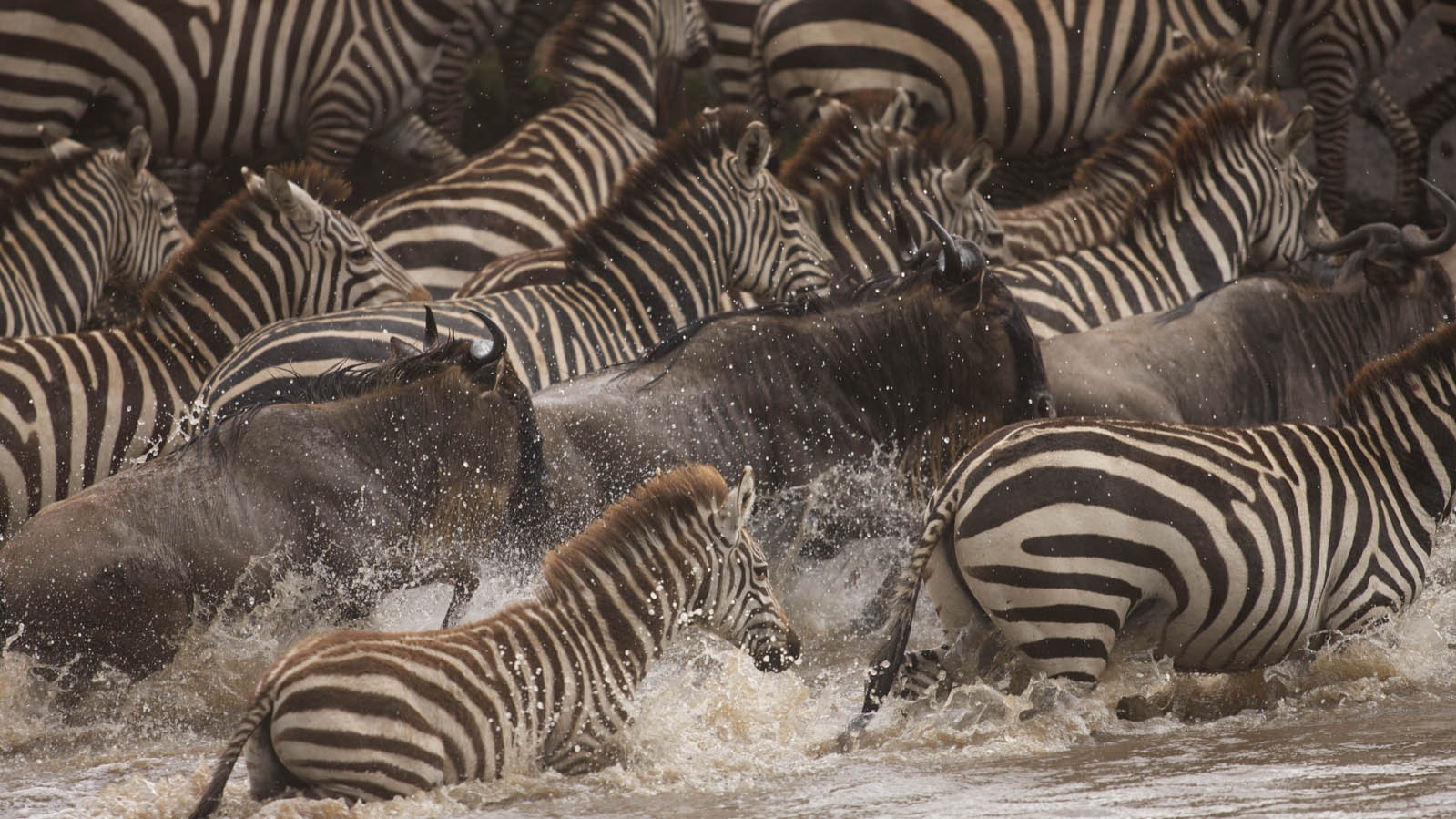
The spectacle unfolds with remarkable precision. Within a window of just three to four weeks, half a million calves enter the world on the short-grass plains near Ndutu. This concentrated birthing event draws predators from across the ecosystem, offering travellers exceptional opportunities to witness raw interactions between hunter and prey.
The Science Behind Synchronised Calving
Female wildebeest possess an extraordinary ability to delay implantation of the embryo until environmental conditions align. This ensures that nearly all pregnancies reach full term at roughly the same moment, triggered by the nutritional peak of the short rains. The result is a sudden surge of vulnerable young that overwhelms predator capacity, statistically improving survival rates for the species as a whole.
Research suggests this strategy has evolved over millennia. By concentrating births in a narrow timeframe, the wildebeest population creates a temporary abundance that predators simply cannot consume entirely. Observers often witness scenes where lions make multiple kills in a single morning, yet the broader herd continues its restless grazing.
The plains transform into a living tapestry of motion and sound, where the bleating of newborns mingles with the distant whoops of hyenas and the low grunts of protective mothers.
When is Wildebeest Calving Season in the Serengeti?
Wildebeest calving season in the Serengeti typically occurs between late January and mid-March, with the peak period usually falling in February. This timing coincides with the end of the short rains on the southern plains, when fresh, nutrient-rich grasses support the high energy demands of lactation. The exact peak can shift by a week or two depending on rainfall patterns in any given year.
During this window, approximately 500,000 calves are born within a four-week span, creating one of nature’s most dramatic wildlife concentrations. Travellers positioned in mobile camps or lodges near Ndutu stand the greatest chance of experiencing this phenomenon, particularly if they time their visit for the first half of February when birthing reaches its height.
Ndutu: The Epicentre of the Calving Drama
The Ndutu region in southern Tanzania offers the perfect stage for this annual event. Its nutrient-rich volcanic soils produce the short, sweet grasses that pregnant females crave. The landscape here consists of open plains interspersed with acacia woodlands and seasonal lakes, providing both grazing and cover for the herds.
From the vantage of a well-positioned vehicle, the sheer scale becomes apparent. Thousands upon thousands of wildebeest stretch to the horizon, their dark forms contrasting against the pale earth. The air carries the distinctive musky scent of the herd, while the constant lowing creates an unbroken soundtrack that reverberates across the plains.
Nowhere else in Africa does one witness such a concentrated expression of life’s tenacity and vulnerability in a single landscape.
Predator Viewing Opportunities During Calving
The sudden availability of easy prey draws large numbers of carnivores to the area. Lions form unusually large prides during this period, sometimes numbering over twenty individuals. Their deep roars echo through the night, while the distinctive calls of spotted hyenas create an almost constant chorus after dark.
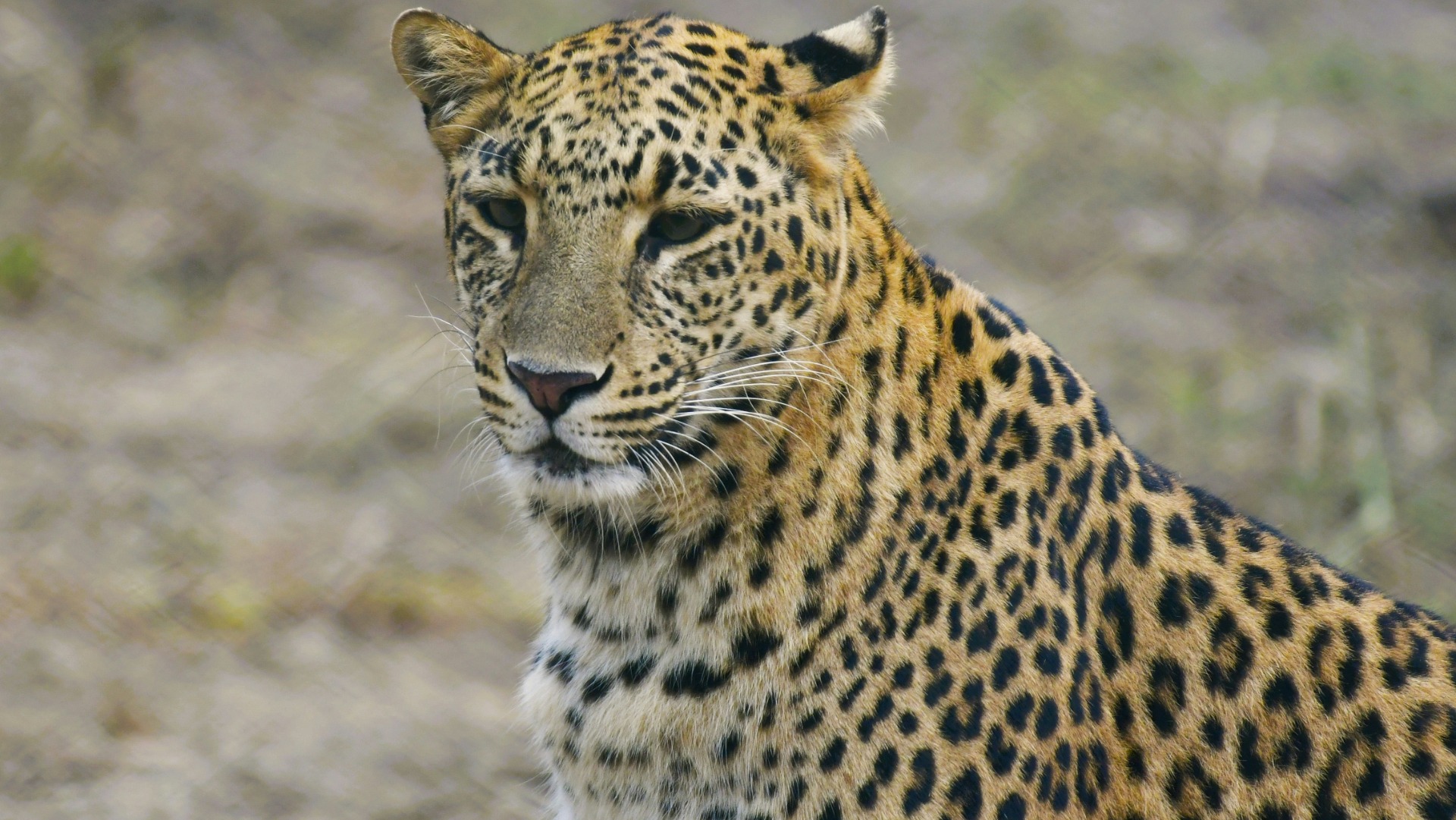
Cheetahs, normally solitary or found in small coalitions, become more visible as they hunt the inexperienced calves. Unlike lions, these sleek cats rely on blistering speed rather than power, and their hunts unfold with breathtaking clarity across the open terrain. Leopards too take advantage, though their preference for wooded areas means sightings require more patient tracking.
Experienced guides from camps like Serengeti Migration Camp and Entamanu Ngorongoro understand these patterns intimately. They position vehicles strategically at first light, when many births occur and predators are most active. The result is viewing that feels both intimate and profoundly connected to the rhythms of the wild.
Practical Considerations for Witnessing the Calving
Booking accommodation in the southern Serengeti during February requires forward planning, as prime camps fill quickly. Mobile operations that follow the herds offer particular flexibility, allowing guests to remain close to the action as it shifts across the plains. Morning and afternoon game drives become focal points, with the possibility of night drives in certain concession areas adding another dimension.
Weather during this period typically features warm days and occasional afternoon thunderstorms. The landscape remains relatively green, providing striking photographic opportunities against dramatic skies. Dust levels are lower than in the dry season, making for clearer views of distant herds.
Those considering a Tanzania safari focused on this phenomenon should allow at least four nights in the Ndutu area to account for the unpredictable movements of both prey and predators. Combining this with time in the central Serengeti or Ngorongoro Crater creates a more comprehensive understanding of the greater ecosystem.
Conservation Context and Long-term Protection
The wildebeest population of roughly 1.5 million remains one of the last great migratory systems on Earth. Their annual journey, spanning over 800 kilometres, supports not only the predators but an entire web of life including birds, smaller mammals and the grasslands themselves through natural fertilisation and grazing patterns.
Responsible operators work closely with local communities and conservation authorities to ensure that tourism revenue contributes directly to protecting these vital habitats. By choosing carefully selected lodges and mobile camps, travellers become part of the solution rather than adding pressure to an already complex ecological balance.
In the end, witnessing the calving is not merely about seeing large numbers of animals, but about understanding the delicate threads that bind predator, prey and landscape together in one of Africa’s most vital ecosystems.
Planning Your Serengeti Calving Experience
The synchronised birth of half a million wildebeest represents one of the planet’s most compelling natural phenomena. The concentration of life and the consequent predator activity create viewing opportunities found nowhere else on the continent. Yet beyond the spectacle lies a deeper story of adaptation, resilience and the intricate balance of an ecosystem that has endured for thousands of years.
Encounters Africa stands ready to translate this understanding into a seamless journey shaped around your specific interests. Whether you seek the quiet intensity of dawn on the plains or wish to combine the calving with other iconic experiences across the region, our team crafts each itinerary with precision and care.
For discerning travellers seeking a private safari beyond our set itineraries, we invite you to contact us directly. We specialise in designing exceptional, tailor-made journeys for individuals, couples, families, and private groups of up to eight guests. Drawing on our handpicked network of distinguished camps and lodges, we curate every detail with precision and care, creating a seamless, deeply personal safari experience shaped entirely around your preferences, pace, and budget.
Compare safari styles in our guide to Namibia safari versus Tanzania safari or explore our 10-day luxury fly-in safari for inspiration. To begin planning your own encounter with the Serengeti’s calving season, please visit our enquiry form.
More like this
wildlife
Why Kenya’s Northern Arid Lands Host Species Unseen Further South
Wildlife
Why Kibale Forest National Park Holds One of Africa's Highest Concentrations of Primates
wildlife
Why Serious Birders in Africa Insist on Specialist Guides Over Generalists
wildlife
Why South African Predators Depend on Unexpected Habitat Partnerships
Wildlife
Why South African Wildlife Moments Outlast Any Photograph
Wildlife