wildlife
Why Kenya’s Northern Arid Lands Host Species Unseen Further South
Encounters Africa - 9 min read
Updated on 28 August 2026
Kenya’s arid north shelters five distinctive mammals and birds rarely seen south of the equator. This editorial explores how the dry landscape shapes the lives of Grevy’s zebra, reticulated giraffe, gerenuk, Beisa oryx and Somali ostrich. The region’s unique ecology creates a specialised habitat that supports these northern species, making Samburu National Reserve and surrounding conservancies a compelling addition to any East African safari.
Encounters Africa, the specialist arm of the Secret Namibia group for safaris beyond Namibia, draws on three decades of combined experience from its Cape Town base to craft tailor-made journeys across eight countries by booking directly with camps and lodges for individuals, couples, families and private groups of up to eight. The stark beauty of Kenya’s northern frontier rewards those willing to venture beyond the more familiar southern parks, revealing an ecosystem sculpted by heat, sparse rainfall and ancient lava flows.
The arid plains and rugged hills of northern Kenya do not simply host unusual wildlife; they demand particular adaptations that have shaped these creatures over millennia, offering travellers a window into evolutionary ingenuity.
The Distinctive Ecology of Northern Kenya
Stretching across the semi-arid lands north of the equator, the landscape around Samburu receives less than 500 millimetres of rain annually. Thorny acacia scrub, doum palms lining dry riverbeds, and scattered lava outcrops define the terrain. This environment contrasts sharply with the lush grasslands of the Masai Mara further south, creating conditions that favour species evolved for water scarcity and extreme temperatures.
During the dry season from June to September, wildlife concentrates along the Uaso Nyiro River, which flows through the heart of Samburu National Reserve. The river becomes a lifeline, supporting dense vegetation that in turn sustains the specialised herbivores found here. Even during wetter months, the region retains its distinctive character, with animals dispersing across the broader conservancies that border the reserve.
These northern conservancies, often community-managed, add significant protected area to the ecosystem. Their lower visitor numbers allow for more intimate wildlife encounters compared to busier southern destinations. The combination of national reserve and private conservancy land creates a mosaic that protects migration routes and dry-season refuges essential for the survival of these unique species.
What are the Samburu Special Five?
The Samburu Special Five refers to five distinctive species primarily or exclusively found in northern Kenya’s arid zones: Grevy’s zebra, reticulated giraffe, gerenuk, Beisa oryx, and Somali ostrich. These animals have evolved specific adaptations to thrive in dry, thorny environments where water sources are limited and temperatures regularly exceed 35°C. Unlike the more widespread plains animals seen across much of East and Southern Africa, these species rarely occur south of the equator due to their specialised habitat requirements.
Each of the Samburu Special Five carries unique markings and behaviours that reflect their adaptation to this harsh yet beautiful landscape, making every sighting feel like a genuine discovery.
Grevy’s Zebra: The Elegant Striped Nomad
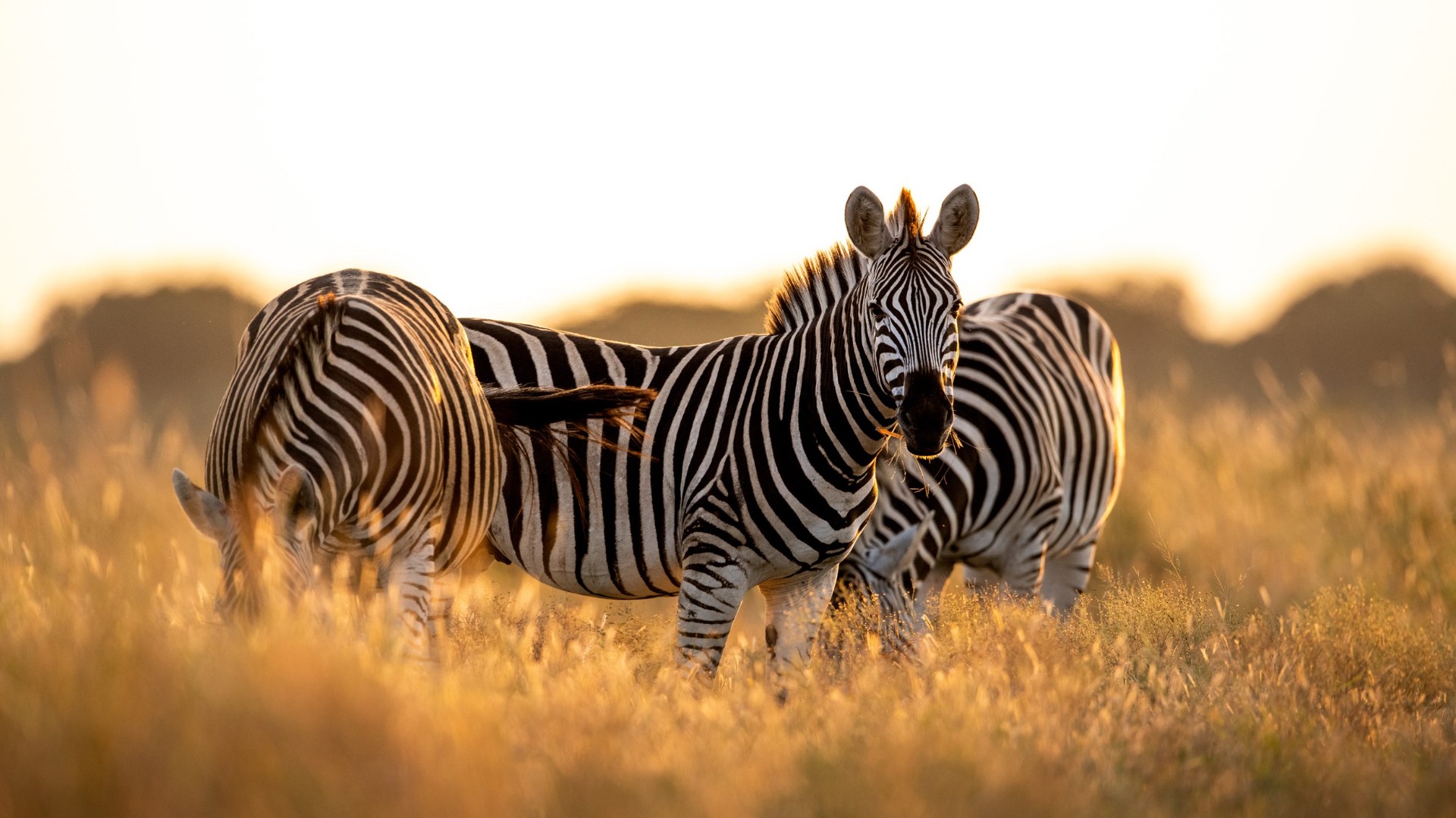
Grevy’s zebra stands taller and more narrowly striped than its plains cousin, with a white belly and rounded ears that give it a distinctly refined appearance. Named after French president Jules Grévy who received one as a gift in 1882, this species once numbered around 15,000 but has declined to roughly 2,000-2,500 individuals today, largely confined to northern Kenya and parts of Ethiopia.
Unlike plains zebra that form permanent harems, Grevy’s stallions defend large territories that females and their foals move through freely. This social structure suits the patchy resources of the arid north. Their narrower stripes may help with thermoregulation in extreme heat, while their larger size allows them to travel considerable distances between water sources. Conservation efforts in community conservancies around Samburu have been crucial to stabilising their numbers.
Travellers staying at properties within the conservancies often enjoy excellent opportunities to observe these endangered zebras, particularly in the early morning when they come to drink along the river. Their distinctive bray, which sounds more like a donkey’s call than the typical zebra bark, carries across the dry landscape.
Reticulated Giraffe and Gerenuk: Masters of the Thorny Scrub
The reticulated giraffe displays a striking pattern of narrow white lines separating polygonal chestnut patches, creating a net-like appearance that gives the subspecies its name. Standing up to 5.5 metres tall, these are the tallest of all giraffe subspecies. Their range is restricted to northern Kenya, southern Ethiopia and Somalia, making Samburu one of the most reliable places to observe them.
Complementing the giraffes in the same habitat is the gerenuk, often called the giraffe-necked antelope. This slender creature stands on its hind legs to browse high foliage that other antelope cannot reach, using its elongated neck and specialised lips to feed on thorny acacias. Its large eyes and ears give it an almost cartoonish appearance, while its ability to survive without drinking water allows it to thrive in areas too dry for most other species.
Both animals demonstrate remarkable adaptations to the same challenging environment. The giraffe’s height allows it to access vegetation above the reach of competitors, while the gerenuk’s bipedal stance achieves a similar result on a smaller scale. Their presence transforms a game drive into a lesson in evolutionary convergence.
Beisa Oryx and Somali Ostrich: Desert Survivors
The Beisa oryx moves with stately grace across the arid plains, its long straight horns and striking black-and-white facial markings creating an almost heraldic silhouette. Two subspecies exist, but the Beisa found in Kenya and northern Tanzania possesses adaptations that allow it to endure temperatures that would kill less hardy antelope. Like the gerenuk, it can survive without surface water by extracting moisture from the plants it consumes.
The Somali ostrich, the larger of the two ostrich species, differs from its more common relative in its striking blue-grey skin and brighter red thighs during breeding season. Males defend territories that may span several square kilometres in this sparse landscape. Their ability to go for long periods without water and their preference for drier habitats explains why they are seldom seen further south where different vegetation patterns prevail.
These two species complete the distinctive quintet, each perfectly suited to the challenging conditions of northern Kenya. Their survival depends on maintaining the delicate balance of this ecosystem, which faces pressures from climate change and human activity. Community conservancies play an increasingly important role in protecting both the animals and the land that sustains them.
Why These Species Occur Nowhere Further South
The distribution of these five species reflects millions of years of evolutionary history and specific climatic conditions. The semi-arid belt that stretches across northern Kenya and into the Horn of Africa created a unique ecological niche that these animals have filled. South of the equator, different rainfall patterns, soil types and vegetation communities support an entirely different cast of characters.
Geographical barriers have also played their part. The highlands of central Kenya act as something of a dividing line, creating climatic conditions on their northern side that differ markedly from those to the south. The result is a clear biogeographical boundary that explains why a safari in Kenya can feel like visiting two distinct countries in terms of wildlife.
Understanding this distribution adds depth to any northern Kenyan experience. Rather than simply ticking off species, travellers gain insight into how geography, climate and evolution interact to create the patterns we observe today. This knowledge transforms a game drive from a checklist exercise into a richer understanding of African ecology.
In the harsh beauty of northern Kenya, these five special species remind us that wildlife distribution tells a story far more compelling than any single sighting could convey.
Planning Your Northern Kenyan Safari Experience
The best time to visit Samburu and the northern conservancies is during the dry season from June to September, when wildlife concentrates along the Uaso Nyiro River. However, the green season from October to May offers its own rewards, with fewer visitors and the chance to witness dramatic storms over the arid landscape. Each period presents different photographic opportunities and levels of exclusivity.
Combining a stay in Samburu National Reserve with time in the surrounding community conservancies provides the most comprehensive experience. Properties such as Ashnil Samburu Camp offer excellent access to the reserve while supporting local conservation initiatives. The lower visitor density in the conservancies allows for night drives and walking safaris not always permitted in the national reserve.
Many travellers choose to combine their northern experience with time in the Masai Mara or Laikipia, creating a safari that showcases both the classic plains game and these unique northern specialists. Such combinations highlight the remarkable diversity within a single country and demonstrate why Kenya continues to captivate returning safari enthusiasts.
Experienced guides who understand the subtle differences between these ecosystems can transform your journey. Their knowledge helps you appreciate not just what you are seeing, but why these particular animals thrive here while being absent from seemingly similar habitats further south. This contextual understanding elevates the entire safari experience.
Discovering Kenya’s Northern Wonders
The arid landscapes of northern Kenya offer far more than an interesting collection of unusual species. They provide an opportunity to understand the intricate relationships between climate, geography and wildlife evolution. For travellers seeking to move beyond the well-trodden safari circuits, this region delivers insights and experiences that linger long after the journey ends.
Whether watching a Grevy’s zebra stallion patrolling his territory at dawn, observing a gerenuk delicately balancing on its hind legs to reach acacia leaves, or witnessing the stately progress of a Beisa oryx across the parched plains, each encounter carries the weight of evolutionary significance. These moments remind us of the remarkable diversity that still exists across Africa’s varied ecosystems.
For discerning travellers seeking a private safari beyond our set itineraries, we invite you to contact us directly. We specialise in designing exceptional, tailor-made journeys for individuals, couples, families, and private groups of up to eight guests. Drawing on our handpicked network of distinguished camps and lodges, we curate every detail with precision and care, creating a seamless, deeply personal safari experience shaped entirely around your preferences, pace, and budget.
Read more in our guide to Kenya safari options or explore how to combine northern Kenya with other destinations in our article about Kenya private conservancies versus national reserves. To begin planning your own discovery of these remarkable northern species, please visit our enquiry form.
More like this
Wildlife
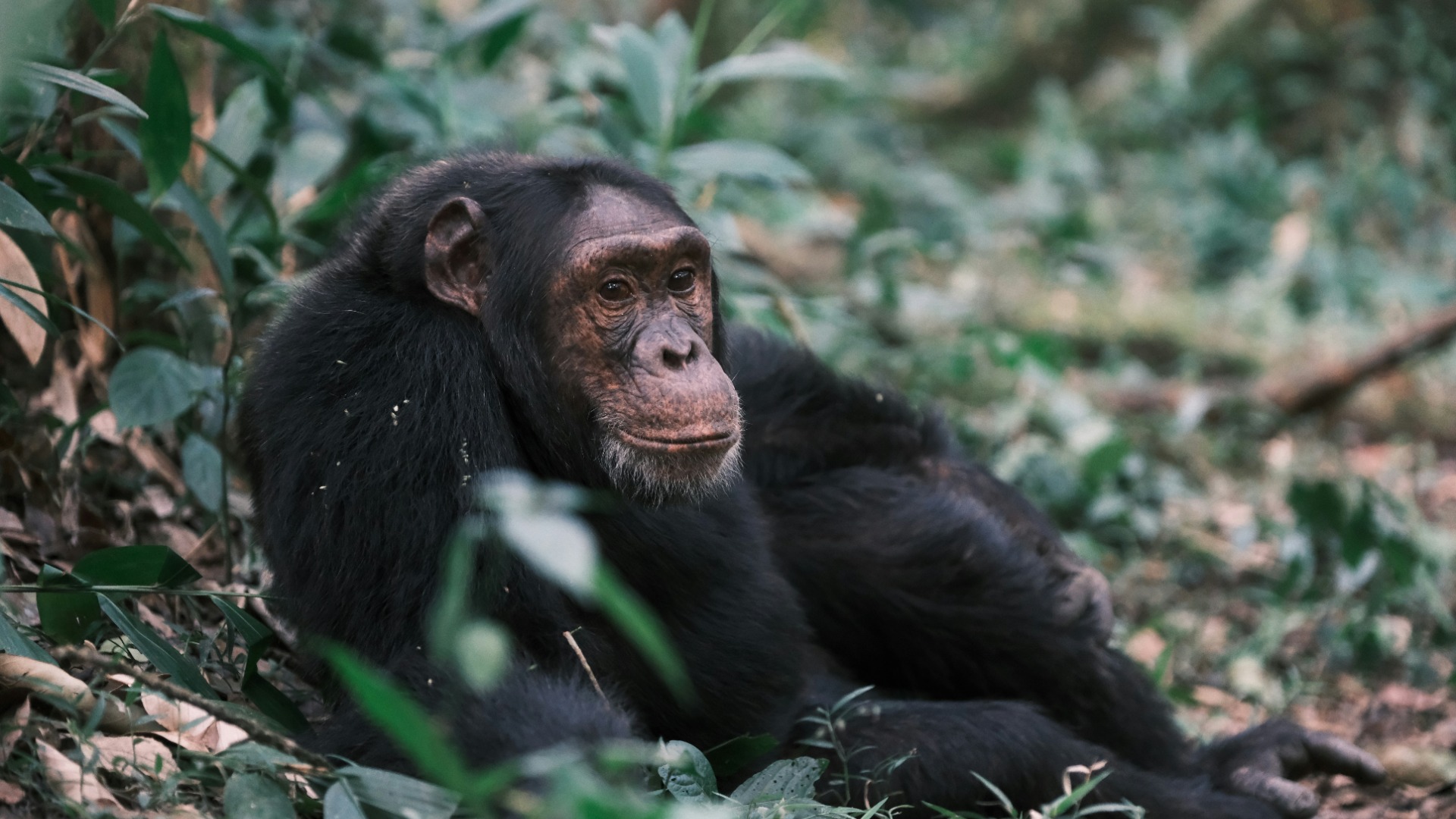
Why Kibale Forest National Park Holds One of Africa's Highest Concentrations of Primates
wildlife
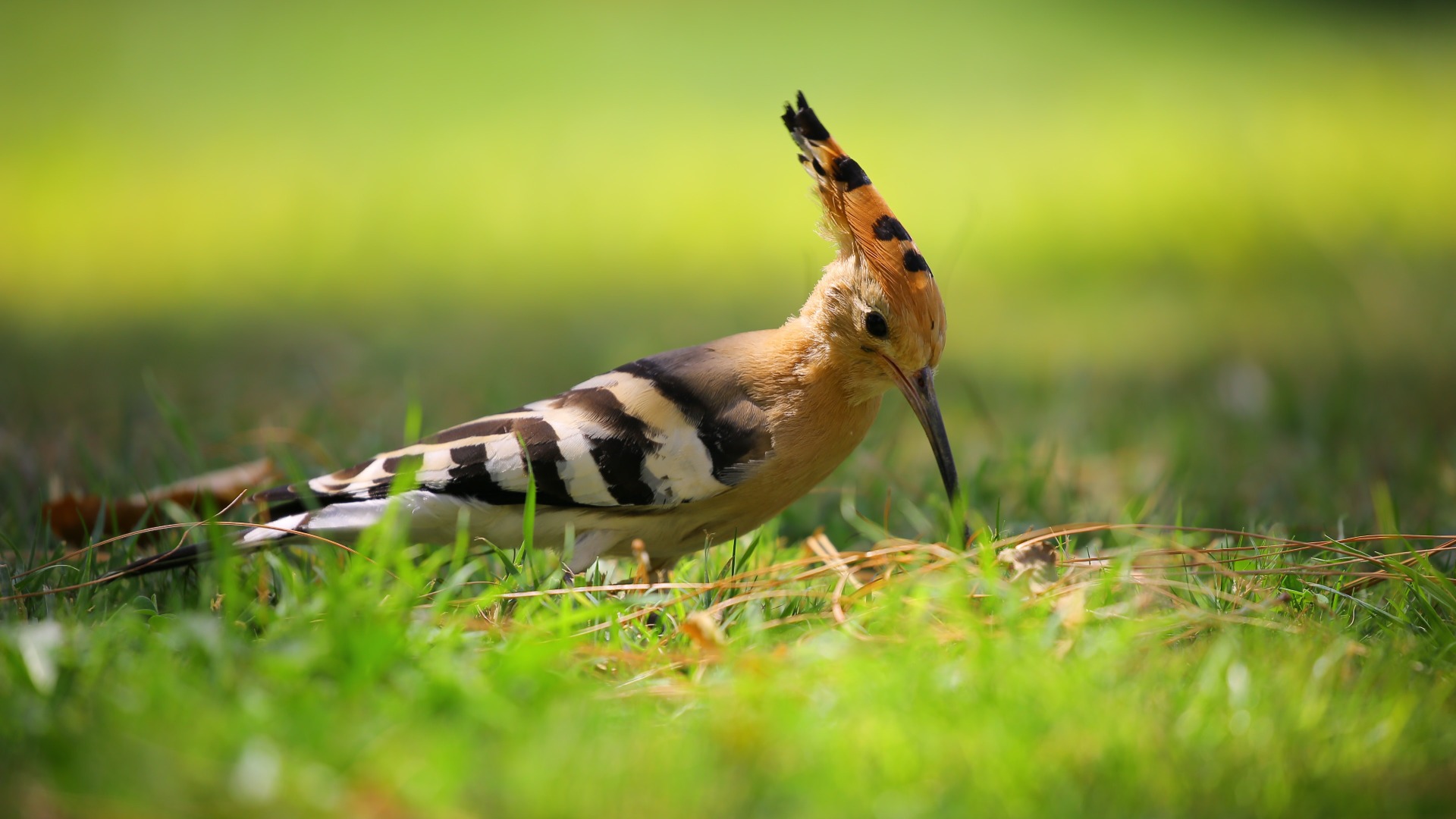
Why Serious Birders in Africa Insist on Specialist Guides Over Generalists
wildlife
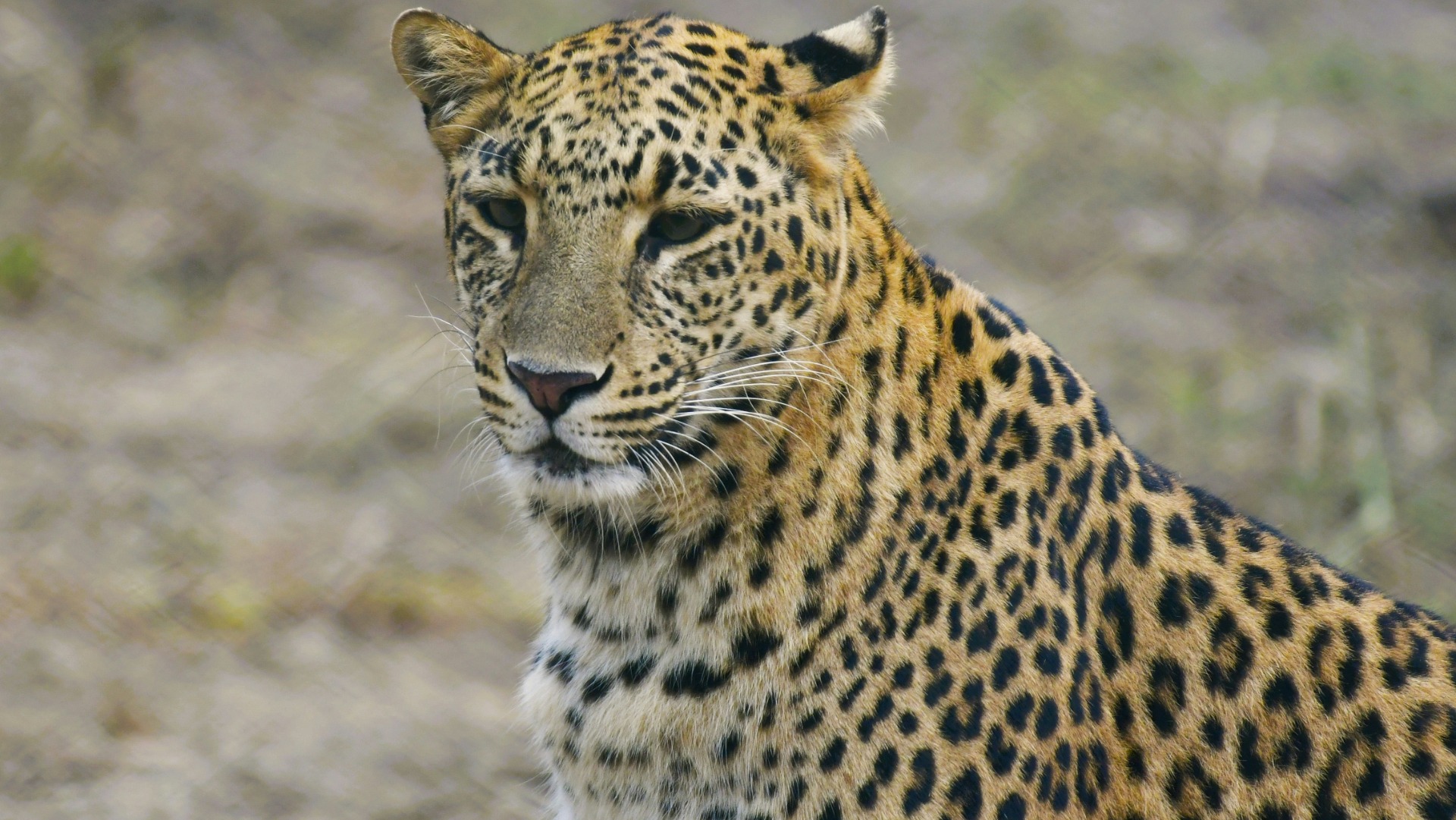
Why South African Predators Depend on Unexpected Habitat Partnerships
Wildlife
Why South African Wildlife Moments Outlast Any Photograph
Wildlife
Why Southern White Rhinos Thrive While Their Northern Cousins Face Extinction
wildlife