Wildlife
Why Kibale Forest National Park Holds One of Africa's Highest Concentrations of Primates
Encounters Africa - 10 min read
Updated on 24 June 2026
Kibale Forest National Park stands out as a premier destination for wildlife in Uganda, boasting one of the highest concentrations of primates found anywhere on the African continent. Spanning 795 square kilometres of lush rainforest, wetlands and grasslands, this protected area supports 13 different primate species alongside a remarkable diversity of other mammals, birds and reptiles. The park's varied altitude, from 1,100 to 1,600 metres, creates a rich mosaic of habitats that sustain year-round activity, making it an essential stop for travellers seeking immersive encounters with Uganda's most charismatic creatures.
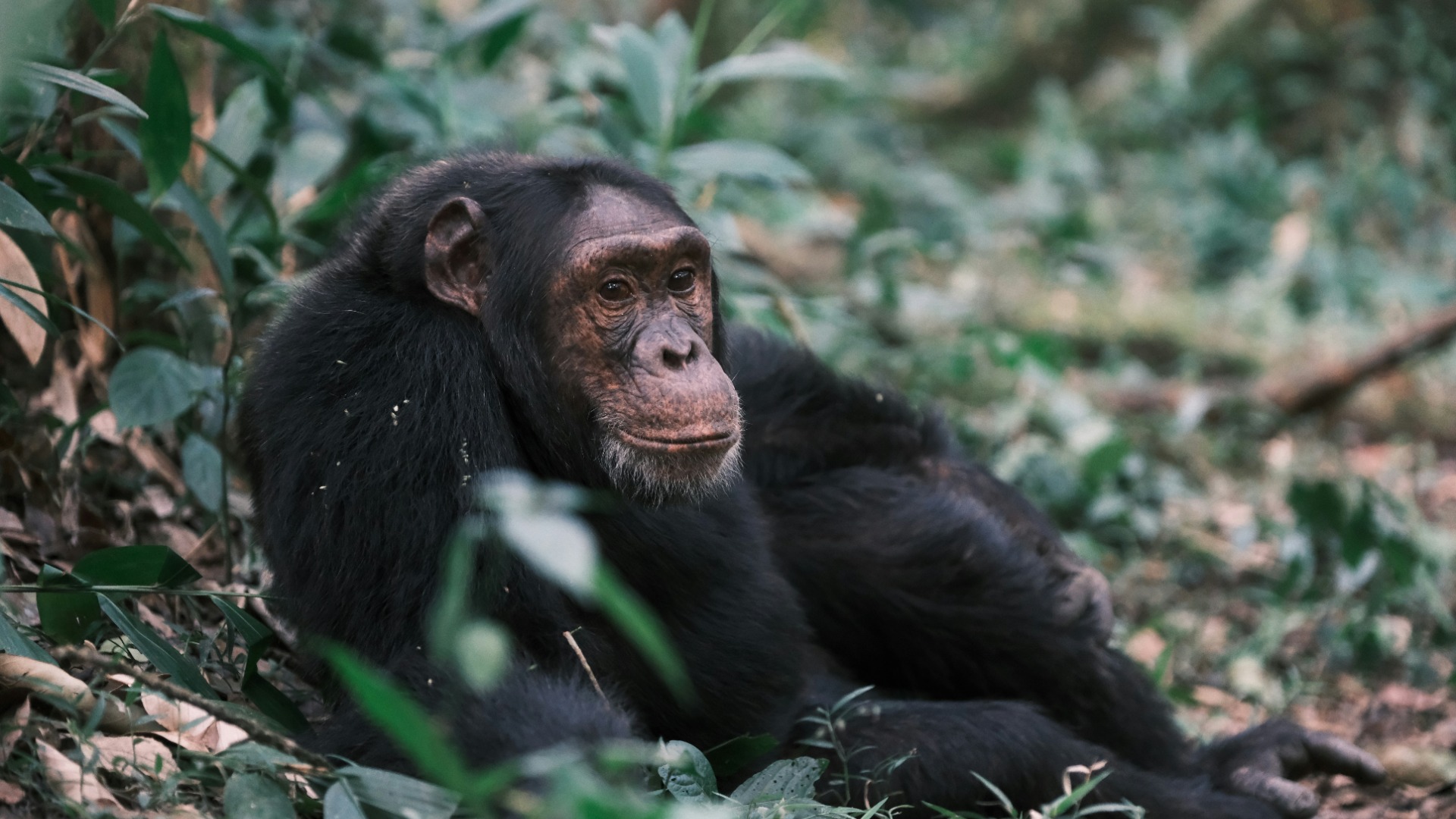
Few places match Kibale Forest National Park for daily primate density. Walks here reveal not only chimpanzees but also duikers, elephants, and over 300 bird species, illustrating how Uganda's varied terrain supports rich, year-round wildlife activity.
The Primate Capital of East Africa
Deep within the emerald canopy of Kibale Forest National Park, the air often vibrates with whoops, trills and the rustle of leaves as troops of primates move through their arboreal realm. This forest holds extraordinary significance for wildlife in Uganda, protecting roughly 1,500 chimpanzees across its boundaries alongside 12 additional primate species. The density here surpasses many other African forests, with researchers recording up to five different primate groups sharing the same hectare during peak activity periods.
Guided walks wind beneath towering fig trees and mahogany giants, where the chance of encountering habituated chimpanzee communities remains consistently high throughout much of the year. These intelligent beings, our closest living relatives, display complex social behaviours that captivate observers, from tool use to intricate grooming rituals. The park's long-term habituation programmes, ongoing since the 1990s, allow visitors unprecedented proximity without disturbing natural patterns.
The forest does not simply contain primates; it pulses with their presence from the forest floor to the highest branches, creating an orchestra of movement that rewards patient observation.
Beyond the chimpanzees, red colobus monkeys leap with astonishing agility between ancient trees, their striking rust-coloured coats flashing against the green. Blue monkeys, black-and-white colobus and grey-cheeked mangabeys add further layers to the primate tapestry, each occupying distinct ecological niches within the same forest structure. L'Hoest's monkeys, more terrestrial than their relatives, often forage along the trails, offering excellent photographic opportunities during morning excursions.
Understanding Primate Social Structures
Each species exhibits unique social dynamics shaped by the forest's resources. Chimpanzee communities in Kibale Forest National Park typically number between 40 and 150 individuals, with dominant males maintaining order through displays of strength and alliances. Visitors frequently witness boundary patrols, where males scan neighbouring territories with intense focus, highlighting the complex politics that govern their world.
Red colobus groups, by contrast, form large multi-male, multi-female troops that can exceed 80 members. Their specialised digestive systems allow them to process the toxic leaves that other primates avoid, granting access to food sources during leaner months. These behavioural adaptations demonstrate how Kibale's ecosystem supports such remarkable biodiversity within a relatively compact area.

Mammals That Call Kibale Home
While primates command much attention, the forest conceals a broader cast of characters that complete its ecological story. Forest elephants, smaller than their savanna cousins, move almost silently through the undergrowth, leaving distinctive circular pathways that guides follow with practised ease. Their presence shapes the vegetation, creating clearings that benefit numerous other species.
Duikers, those elusive small antelopes, dart across paths or freeze in perfect camouflage against the leaf litter. Blue duikers and red duikers both thrive here, their delicate features belying remarkable resilience in navigating the dense vegetation. Bushpigs, giant forest hogs and even occasional buffalo add to the mammal count, though many remain most active during nocturnal hours.
These quieter inhabitants remind us that Kibale Forest National Park offers far more than primate encounters; it presents an entire functioning ecosystem where every creature plays its part in maintaining balance.
Predators remain less visible than in open savanna landscapes, yet leopards, golden cats and servals patrol the shadows. Their presence keeps primate populations healthy by culling weaker individuals and preventing overpopulation in certain areas. The park's 795 square kilometres provide sufficient space for these secretive hunters to maintain territories without excessive competition.
Smaller Mammals and Nocturnal Life
As daylight fades, a different set of residents emerges. Pottos and galagos, often called bushbabies, begin their arboreal acrobatics, their enormous eyes perfectly adapted for navigating the darkened canopy. These small primates fill important ecological roles as seed dispersers and insect controllers, adding another dimension to the forest's complex food web.
Several species of mongoose and numerous rodents contribute to the forest floor dynamics. The African palm civet and various bat species further enrich the nocturnal symphony, creating an environment where activity continues unabated once the sun disappears behind the distant mountains.
Avian Diversity Above the Canopy
The skies above Kibale Forest National Park teem with life, boasting more than 300 documented bird species that range from tiny sunbirds to impressive hornbills. This avian abundance makes the park particularly rewarding for travellers with binoculars, as each forest layer hosts its own specialised residents. Early morning walks often reveal the vivid colours of great blue turacos gliding between trees, their distinctive calls echoing through the mist.
The park's location along the Albertine Rift, a globally recognised biodiversity hotspot, explains much of its ornithological richness. Species rarely seen elsewhere in East Africa find sanctuary here, including the endangered Nahan's francolin and the striking African grey parrot. For dedicated birdwatchers, Kibale offers the possibility of adding dozens of new species to life lists during a single visit.
Forest specialists such as the yellow-rumped tinkerbird and various flycatchers flit through the mid-canopy, while raptors like the crowned eagle patrol from above. The presence of these birds of prey serves as another indicator of the forest's overall health, as they require substantial undisturbed territory to thrive.
Seasonal Patterns in Bird Activity
Understanding when to visit enhances the experience of witnessing this winged diversity. The two rainy seasons, from March to May and September to November, bring increased insect activity that attracts numerous migrant species. During drier months, water sources within the park become focal points for bird congregations, creating spectacular viewing opportunities.
Professional guides, many of whom have spent decades studying these patterns, help visitors locate specific species based on time of day, weather conditions and fruiting cycles. Their knowledge transforms a simple forest walk into an educational journey through one of Africa's most important avian refuges.

Best Times to Experience Wildlife in Uganda's Kibale
The question of when to visit Kibale Forest National Park for optimal wildlife viewing has a nuanced answer. December through February and June through August generally offer drier conditions that make forest trails more accessible and improve visibility through less dense foliage. These periods align with peak fruiting for many trees, drawing primates into more predictable patterns.
However, the park rewards visitors during wetter months as well. The vibrant greens intensify, wildflowers bloom along forest edges, and newborn primates add charm to troop sightings. Rainfall tends to arrive in short, dramatic bursts rather than all-day downpours, leaving ample time for activities between showers.
Choosing your timing based on personal interests rather than chasing perfect weather allows for a more authentic connection with the rhythms of this ancient forest and its inhabitants.
Chimpanzee tracking permits remain available year-round, though demand peaks during the drier seasons. Booking several months in advance proves essential, particularly for the most popular habituated communities. The park limits daily visitors to protect both the animals and the quality of each experience.
What to Expect on a Forest Walk
Typical days begin before dawn, with travellers gathering at the visitor centre as first light filters through the canopy. After a briefing on etiquette and safety, small groups of up to six people head into the forest accompanied by experienced guides and trackers. The terrain varies from gentle slopes to steeper sections, requiring reasonable fitness though not extreme athletic ability.
Encounters vary widely. Some days bring prolonged observations of chimpanzees displaying, feeding and interacting at close range. Other mornings might focus on the more subtle signs of forest life, from fresh elephant tracks to the intricate webs of orb spiders glistening with dew. Each walk becomes unique, shaped by the forest's own unpredictable schedule.
Conservation Successes and Ongoing Challenges
Kibale Forest National Park represents a conservation triumph in many respects. Having transitioned from logged timber concession to national park status in 1993, it has rebounded dramatically, with primate populations showing steady increases. Community involvement programmes have reduced illegal activities while providing alternative livelihoods for neighbouring villages.
Long-term research projects, including those run by institutions like Harvard University, continue to yield valuable data about primate behaviour, forest dynamics and climate change impacts. This scientific foundation informs management decisions and contributes to global understanding of tropical forest ecosystems.
Yet challenges persist. Climate change threatens to alter fruiting patterns that primates depend upon, while human population growth around the park boundaries creates pressure for resources. Balancing the needs of local communities with strict protection of the forest requires ongoing innovation and commitment from all stakeholders.
The Role of Responsible Tourism
Thoughtful visitors play a vital part in Kibale's future. Revenue from tracking permits directly funds conservation initiatives and community projects. When travellers choose operators who prioritise ethical practices, minimal group sizes and qualified guides, they contribute to standards that protect both wildlife and cultural integrity.
Encounters Africa works exclusively with partners who demonstrate genuine commitment to these principles. Their carefully selected guides combine deep ecological knowledge with the ability to interpret the forest's subtle language for visitors from around the world.
Planning Your Journey Into the Canopy
Creating the perfect itinerary to experience Kibale Forest National Park and the broader wonders of wildlife in Uganda requires careful consideration of pace, interests and seasonal factors. Combining forest walks with time in nearby Queen Elizabeth National Park or the mountainous terrain around the Rwenzori range creates a comprehensive understanding of this region's remarkable biodiversity. Such journeys reveal how different ecosystems interlink across the landscape, from dense rainforest to open savanna.
For those seeking to explore further afield, Uganda offers numerous complementary experiences. After days immersed in Kibale's green world, the contrast of golden grasslands in Queen Elizabeth National Park provides a perfect counterpoint. Many travellers also incorporate visits to Crater Safari Lodge Kibale or similar intimate properties that enhance connection to the landscape.
Our article on planning gorilla trekking experiences in Uganda provides additional insights for those wishing to combine primate encounters across different national parks. Similarly, understanding Uganda safari options helps in crafting seamless multi-destination journeys that maximise wildlife sightings while maintaining a relaxed tempo.
Whether your focus lies with chimpanzees, forest elephants, or the countless birds that fill the canopy with song, Kibale Forest National Park delivers profound experiences that linger long after departure. The forest has a way of recalibrating perspectives, reminding us of the intricate connections binding all living things.
For discerning travellers seeking a private safari beyond our set itineraries, we invite you to contact us directly. We specialise in designing exceptional, tailor-made journeys for individuals, couples, families, and private groups of up to eight guests. Drawing on our handpicked network of distinguished camps and lodges, we curate every detail with precision and care, creating a seamless, deeply personal safari experience shaped entirely around your preferences, pace, and budget.
Begin your discovery by visiting our enquiry form to share your vision for an unforgettable encounter with the primates and wildlife of Kibale Forest National Park and beyond. The forest awaits.
More like this
wildlife
Why Serious Birders in Africa Insist on Specialist Guides Over Generalists
wildlife
Why South African Predators Depend on Unexpected Habitat Partnerships
Wildlife
Why South African Wildlife Moments Outlast Any Photograph
Wildlife
Why Southern White Rhinos Thrive While Their Northern Cousins Face Extinction
wildlife
Why Tanzania's Migratory Herds Signal Deeper Changes in African Habitats
Wildlife