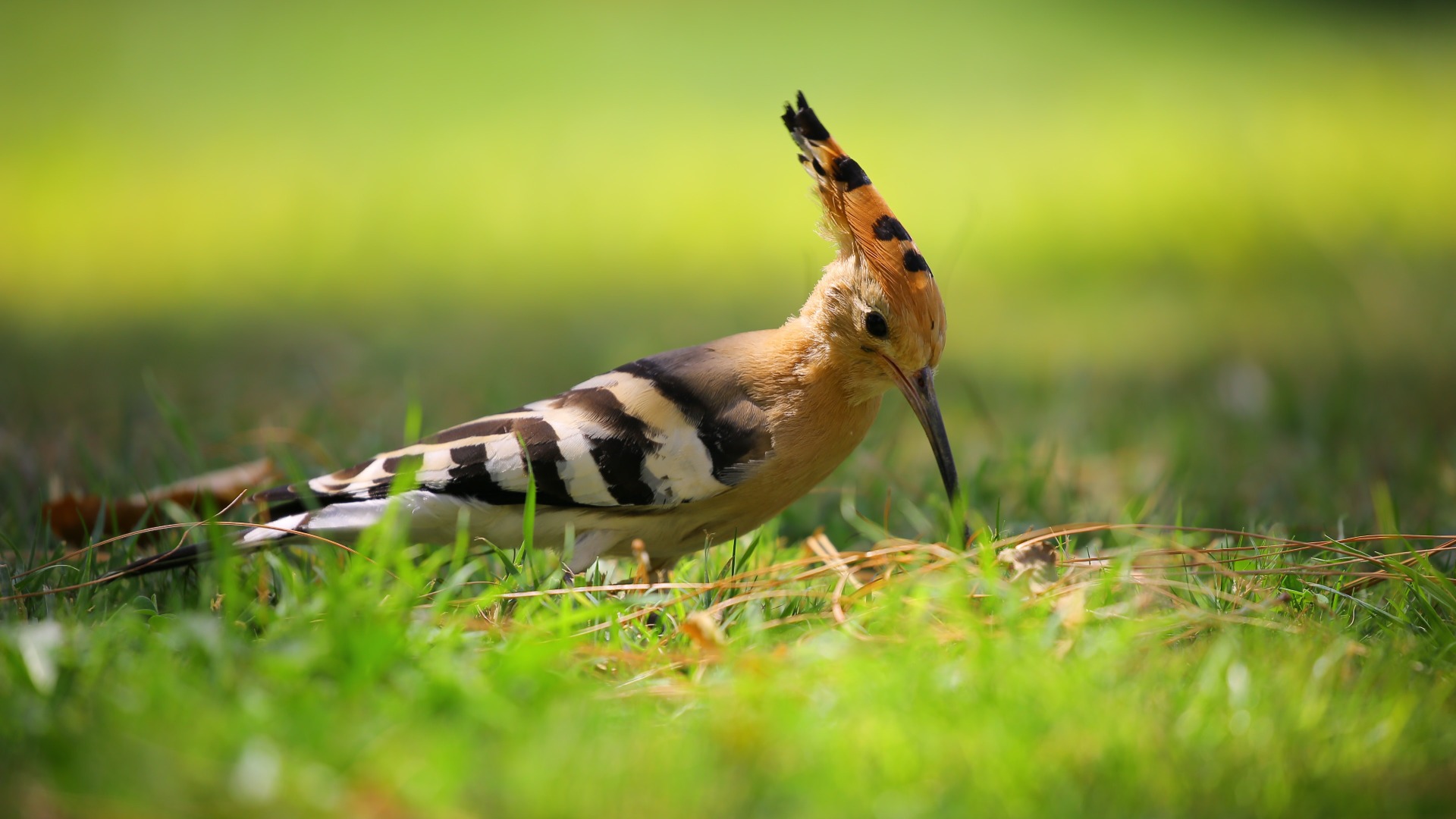
wildlife
Why Serious Birders in Africa Insist on Specialist Guides Over Generalists
Encounters Africa - 8 min read
Updated on 31 August 2026
Birding across Southern and East Africa rewards those who listen as intently as they look. From the distinctive call of the South Africa endemic Cape sugarbird vibrating through fynbos to the flash of a narina trogon in the dappled light of a Ugandan forest, these moments linger long after the vehicle engine falls silent. Serious birders understand that the difference between ticking a list and truly connecting with avian life often comes down to the expertise seated beside them.
Across eight countries, from the arid fringes of the Kalahari to the montane forests of the Eastern Arc, dedicated ornithological knowledge transforms a standard game drive into an immersive encounter. Encounters Africa is the specialist arm for safaris beyond Namibia, covering South Africa, Botswana, Kenya, Tanzania, Rwanda, Uganda, Zambia and Zimbabwe. Cape Town-based with three decades of combined experience, we book directly with camps and lodges, tailoring journeys for individuals, couples, families and private groups of up to eight using our 81 published itineraries that can all be reshaped.
Endemic Treasures That Define African Birding
The continent harbours over 2,500 bird species, with hundreds found nowhere else on earth. In South Africa, the striking Drakensberg rockjumper hops along highland ridges, its bold black and white plumage contrasting against russet grasses. Further north, Tanzania’s Eastern Arc mountains shelter the Uluguru bushshrike and a host of other range-restricted gems that reward patient observation.
In Rwanda and Uganda, the Albertine Rift delivers its own suite of endemics. The handsome regal sunbird and the peculiar Grauer’s broadbill draw enthusiasts to these misty highlands where altitude creates unique microclimates. Each country offers its signature species that serious observers travel specifically to encounter.
The quiet click of a binocular focus ring often speaks louder than any exclamation when a sought-after endemic finally appears on a branch overhead.
Why Specialist Guides Deliver Superior Birding Experiences
A general wildlife guide excels at locating lions and elephants, yet may overlook the subtle rustle that signals a diminutive apalis or misidentify a confusing pipit. Specialist birding guides possess years of dedicated study, often maintaining personal life lists exceeding 800 species within their regions. Their ears are tuned to the faintest call, and their knowledge of plumage variations by season and age proves invaluable.
These experts also understand the ecological context. They explain why certain weavers choose specific grasses for nesting or how a bateleur’s flight pattern reveals thermal currents. This depth turns each sighting into an educational revelation rather than a simple tick on a checklist. For travellers serious about avian observation, requesting a dedicated ornithologist from the outset ensures every drive maximises opportunities.
The Limitations of Generalist Knowledge
While many outstanding guides can identify common species, the finer distinctions between similar-looking cisticolas or the precise distribution patterns of scarce migrants often lie beyond their primary training. A specialist brings reference material, recording equipment, and decades of accumulated field notes that generalists simply do not carry.
Private vehicles become essential here. With a birding specialist, the vehicle can stop for twenty minutes to observe a displaying widowbird without pressure to move on to larger mammals. This patience frequently yields the most memorable observations.
When is the best time for birding on an African safari?
Peak months vary by country and target species, yet November to April consistently offers the strongest combination of resident endemics displaying and Palearctic migrants in breeding plumage across Southern and East Africa. In Kenya and Tanzania, the arrival of millions of European migrants from October onwards creates a spectacular influx, with willow warblers, barn swallows and Eurasian bee-eaters joining resident species in a frenzy of activity.
In Southern Africa, the summer months bring not only these visitors but also heightened breeding activity among local species. Botswana’s Okavango Delta becomes particularly productive as water levels attract herons, egrets and kingfishers in their finest breeding colours. South Africa’s Western Cape offers excellent summer birding from November to March when many endemics are vocal and visible.
The precise timing depends on annual rainfall patterns, which can shift by several weeks. A knowledgeable operator monitors these conditions and adjusts routing accordingly to place travellers in the most productive areas during their visit.
Migrant Months That Transform the African Skies
Between late October and early December, the skies above the Rift Valley fill with arriving migrants. Over 500 million birds make the annual journey from Europe and Asia to sub-Saharan Africa, creating one of the planet’s great natural phenomena. In Kenya’s Masai Mara and Tanzania’s Serengeti, this period coincides with the tail end of the wildebeest migration, offering a dual spectacle for those whose interests extend beyond mammals.
The birds arrive in vibrant breeding plumage that fades by the time they depart in March and April. Spotting a male Eurasian golden oriole in its brilliant yellow finery against acacia branches creates a memory that stays with observers for years. Similarly, the intricate songs of nightingales and thrush nightingales fill the nights in many woodland areas.
Listening to a nightingale’s rich, varied song drifting across an African plain under a star-filled sky connects one to a migration route that has existed for millennia.
Regional Variations in Migrant Patterns
While East Africa receives the bulk of Palearctic migrants, Southern Africa hosts its own impressive movements. Intra-African migrants such as the pennant-winged nightjar and various cuckoos arrive to breed during the summer months, adding further layers of interest. The Botswana Panhandle sees spectacular gatherings of carmine bee-eaters, whose colonies create walls of colour and constant motion.
Understanding these patterns allows for strategic planning. A well-designed itinerary might combine the arrival of migrants in Kenya with endemic-rich forests in Uganda, creating a comprehensive birding journey that captures both spectacle and subtlety.
Prime Birding Destinations Across the Region
Kenya’s Masai Mara offers more than just the famous migration. Its varied habitats support over 500 recorded species, from the tiny pygmy falcon to the massive kori bustard. Specialist guides here know exactly where to find the localised black-lored babbler and the impressive Verreaux’s eagle-owl at its daytime roost.
In Uganda, the forests of Kibale and Bwindi provide exceptional forest birding. The delicate green broadbill and striking great blue turaco reward those willing to walk quietly along forest trails. Meanwhile, Rwanda’s Volcanoes National Park offers highland specialities alongside the opportunity to combine birding with gorilla tracking.
South Africa presents perhaps the greatest variety, from the pelagic species off Cape Town to the endemics of the Drakensberg and the waterbirds of the wetlands in KwaZulu-Natal. Each region requires different approaches and knowledge that a specialist brings naturally.
A dedicated birding guide doesn’t just show you birds; they reveal the intricate web of life that makes each habitat sing with purpose.
Practical Considerations for Serious Birders
Equipment choices matter. While smartphones have their place, quality binoculars with at least 8x magnification and a field scope for distant waterbirds remain essential. Recording calls can help confirm identifications later, though many specialists carry comprehensive apps and reference libraries on tablets.
Photography enthusiasts should consider the benefits of staying in camps with dedicated photographic hides. These allow for close approaches without disturbance, particularly valuable when capturing images of shy forest species or displaying birds. Early morning and late afternoon sessions often prove most productive as birds are active and light conditions ideal.
Patience remains the birder’s greatest virtue. Some of the most rewarding sightings come after hours of quiet observation in one productive spot rather than constant movement across the landscape.
Conservation Through Observation
Serious birders contribute significantly to conservation efforts. Many lodges participate in citizen science projects, submitting records that help monitor population trends. The data collected by travelling observers has proven crucial in identifying important bird areas and supporting protection initiatives across Africa.
By choosing operators who work directly with conservation-minded camps, travellers ensure their presence supports meaningful protection. Specialist guides often have personal connections to local birding clubs and research projects, creating opportunities for deeper engagement beyond the standard safari experience.
Crafting Your Personalised Birding Safari
Every serious birder harbours a personal list of target species and preferred habitats. Whether your fascination lies with the elaborate displays of paradise whydahs or the haunting calls of ground hornbills at dawn, a thoughtfully designed itinerary can address these specific interests. The key lies in working with specialists who understand both the birds and the subtle seasonal rhythms that govern their behaviour.
Encounters Africa draws upon deep regional knowledge to create journeys that balance birding priorities with comfort and discovery. Our direct relationships with distinguished camps ensure access to the finest guiding talent and most productive locations. For discerning travellers seeking a private safari beyond our set itineraries, we invite you to contact us directly. We specialise in designing exceptional, tailor-made journeys for individuals, couples, families, and private groups of up to eight guests. Drawing on our handpicked network of distinguished camps and lodges, we curate every detail with precision and care, creating a seamless, deeply personal safari experience shaped entirely around your preferences, pace, and budget.
Read our related article exploring the best time to visit Botswana explained for additional seasonal insights, or discover how a desert, dune and wildlife safari can complement your birding interests with contrasting landscapes and species.
More like this
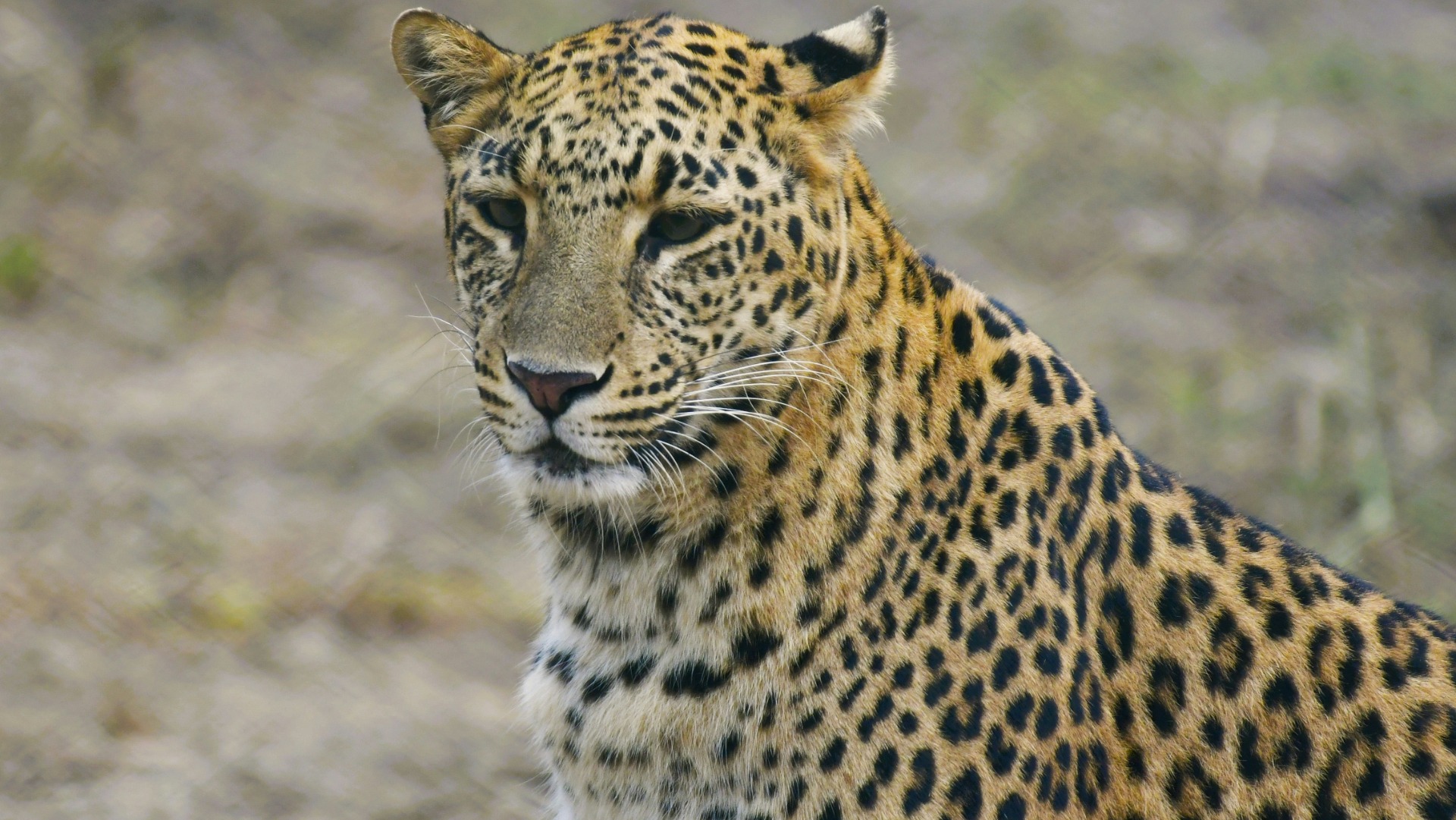
wildlife
Why South African Predators Depend on Unexpected Habitat Partnerships
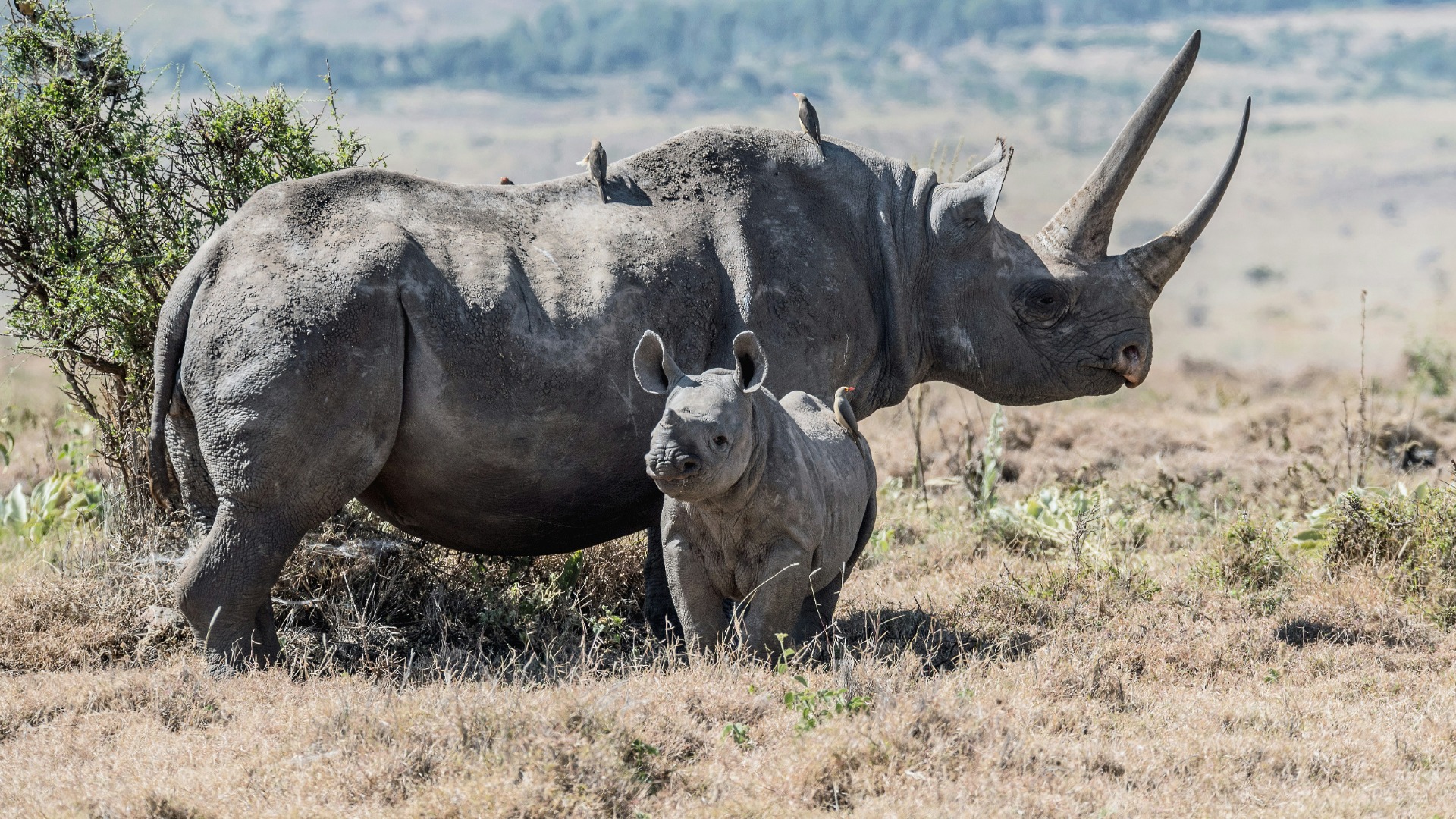
Wildlife
Why South African Wildlife Moments Outlast Any Photograph
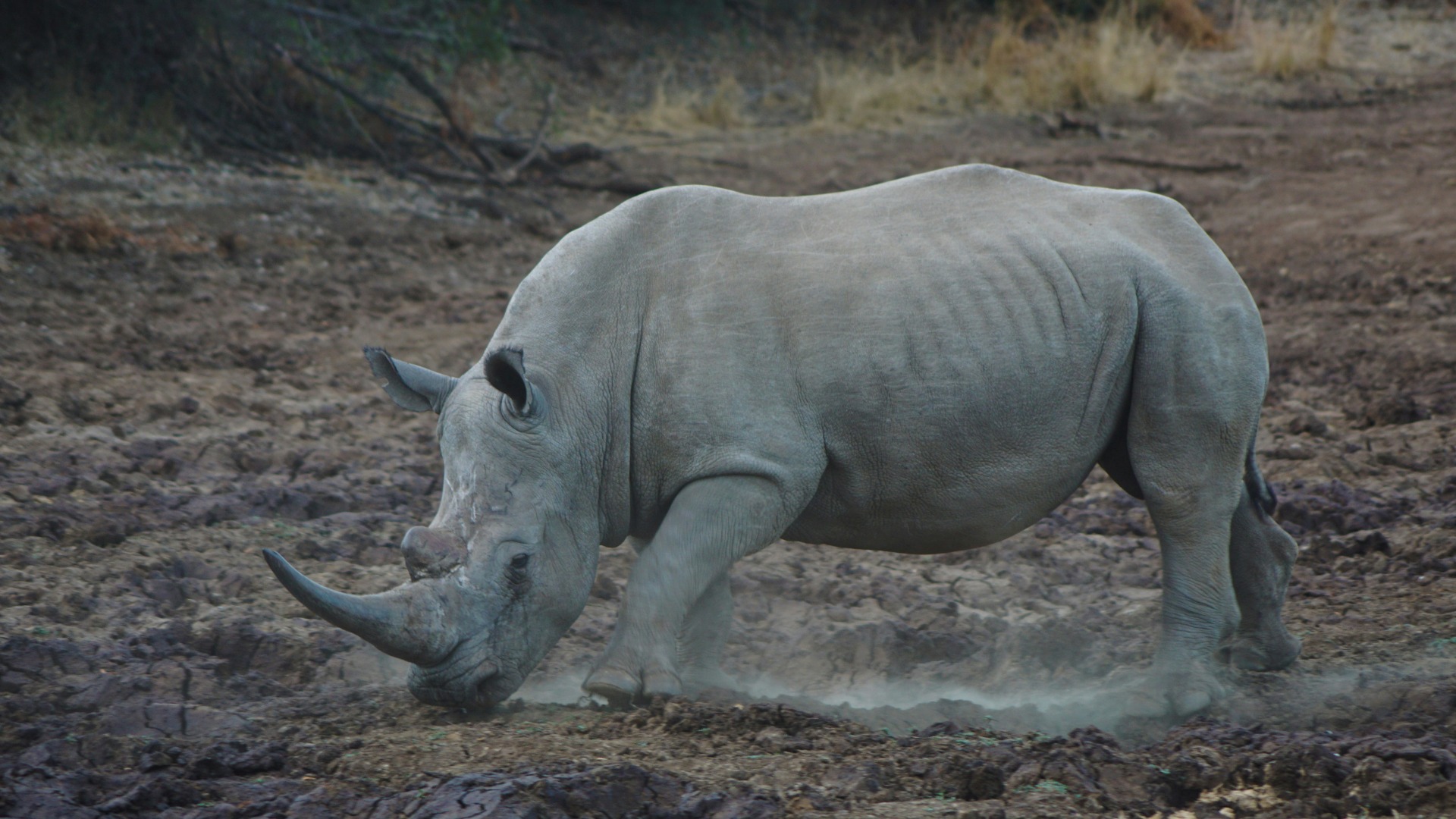
Wildlife
Why Southern White Rhinos Thrive While Their Northern Cousins Face Extinction
wildlife
Why Tanzania's Migratory Herds Signal Deeper Changes in African Habitats
Wildlife
Why Tanzania's Savannahs Still Shape Africa's Most Dramatic Animal Encounters
wildlife