Tips & Advice
Why Kenya Demands More Than a Camera and Good Intentions
Encounters Africa - 9 min read
Updated on 17 June 2026
Visiting Kenya rewards those who arrive prepared, not merely with equipment but with awareness and respect for its layered realities. Tips and advice for visiting Kenya go far beyond standard packing lists, encompassing cultural sensitivities, health measures in remote regions, and thoughtful approaches to observing its iconic wildlife. This guide distils decades of collective experience from Encounters Africa specialists who have guided thousands through these landscapes, ensuring every journey leaves both traveller and environment enriched rather than diminished.
Kenya hosts over 50 national parks and reserves protecting more than 400 mammal species and 1,000 bird varieties. From the sweeping grasslands of the Masai Mara to the volcanic highlands around Amboseli National Park, each area presents distinct conditions that demand specific preparation. The best time to visit the Masai Mara for the wildebeest migration is typically between July and October, while January to March offers clearer views of Mount Kilimanjaro from Amboseli. Understanding these seasonal patterns forms the foundation of any successful Kenyan safari.
Kenya does not perform for cameras. It reveals itself slowly to those who have taken time to understand its rhythms, its people, and the fragile balance that sustains its extraordinary wildlife.
Understanding Kenya's Cultural Landscape Before You Arrive
Kenya's human tapestry is as compelling as its animal kingdoms. With more than 40 ethnic communities, each with distinct traditions, language, and social protocols, visitors benefit enormously from basic cultural literacy. In Maasai communities particularly, knowing when to ask questions, how to accept or decline hospitality, and the significance of certain adornments demonstrates genuine interest rather than mere curiosity.
Photography of individuals should always be preceded by polite conversation and explicit permission. Many communities maintain traditional beliefs about images capturing part of one's spirit. A respectful approach often leads to far more meaningful exchanges than any hurried snapshot could provide. When visiting villages near conservancies, supporting community-led initiatives through your lodge choice contributes directly to local economies.
Religious observance varies widely across the country. In coastal regions with significant Muslim populations, modest dress is appreciated, particularly when entering places of worship. During Ramadan, public eating and drinking during daylight hours is best avoided out of respect. These considerations form essential tips and advice in Kenya that transform a standard visit into a culturally enriching experience.
Learning Basic Swahili Phrases
While English serves as an official language, a handful of Swahili greetings opens doors and hearts. "Jambo" (hello), "Asante" (thank you), and "Habari" (how are you?) are used daily. Pronunciation matters less than the willingness to try. Your guide will appreciate the effort and often expand your vocabulary during game drives.

Health Preparations for Kenya's Varied Environments
Health precautions form a non-negotiable part of responsible travel to East Africa. Malaria remains present in many areas below 1,800 metres, particularly during and after the rainy seasons. Consult your travel clinic at least eight weeks before departure for personalised advice on anti-malarial medication, as different regions of Kenya carry varying risk levels.
Yellow fever vaccination is required if arriving from an infected country, and proof of vaccination may be requested upon entry. Hepatitis A and typhoid vaccinations are strongly recommended for all travellers. For those planning extensive time in remote areas, consider rabies pre-exposure vaccination, especially if you enjoy walking safaris or have children in the party.
Altitude sickness can affect visitors ascending quickly to areas like the Laikipia plateau or the higher slopes of Mount Kenya. Symptoms typically appear above 2,500 metres. Acclimatisation, hydration, and avoiding alcohol for the first 48 hours prove effective preventatives. Reputable operators monitor their guests carefully and adjust itineraries when necessary.
The most rewarding Kenyan journeys begin with honest self-assessment of one's physical capabilities and honest conversations with your safari operator about medical history and concerns.
Water and Food Safety
Drink only bottled or properly filtered water throughout your stay. Ice should be avoided unless you are certain it was made from purified water. Fresh produce in lodges is usually washed in treated water, but exercising caution with street food and salads in urban areas remains wise. Hand sanitiser proves invaluable, particularly before meals in remote camps.
Tips and Advice on Wildlife: Responsible Safari Practices
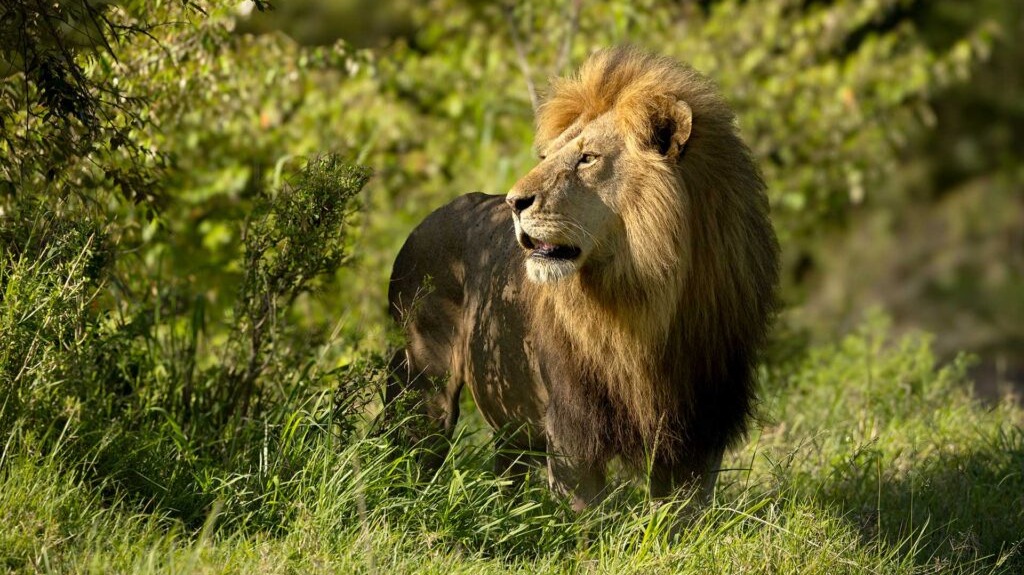
Approaching Kenya's wildlife with knowledge and restraint ensures both your safety and the animals' wellbeing. Tips and advice on wildlife begin with understanding that these are wild creatures in their natural habitats, not performers. The Masai Mara National Reserve sees over 500,000 annual visitors, making vehicle etiquette crucial for minimising stress on the animals.
Never exit vehicles in predator areas unless your guide explicitly confirms it is safe. Maintain a respectful distance from all animals, particularly during vulnerable periods such as birthing season or when young are present. Flash photography is strictly prohibited on night drives as it disorients nocturnal species and can cause permanent eye damage to certain animals.
Stay on designated tracks in national parks. Off-road driving compacts soil, damages vegetation, and creates new paths that other vehicles inevitably follow, leading to habitat degradation. During the wildebeest migration, responsible operators maintain distance from river crossings to avoid interfering with this natural spectacle that sees approximately 1.5 million wildebeest cross the Mara River each year.
Choosing Ethical Operators and Understanding Regulations
Not all safari companies operate with equal regard for conservation. Look for operators who employ local guides, support community projects, and adhere to the Kenya Professional Safari Guides Association standards. Genuine conservation-focused lodges contribute significantly to anti-poaching efforts and habitat restoration. Encounters Africa maintains rigorous selection criteria for its partner properties across Kenya.
Drone usage is heavily restricted in Kenyan parks and conservancies. Permits are required and rarely granted to private visitors. The disturbance caused to both wildlife and other guests makes this rule essential. Similarly, playing calls or sounds to attract animals is prohibited and considered deeply unethical by serious conservationists.
What to Pack: Beyond the Obvious
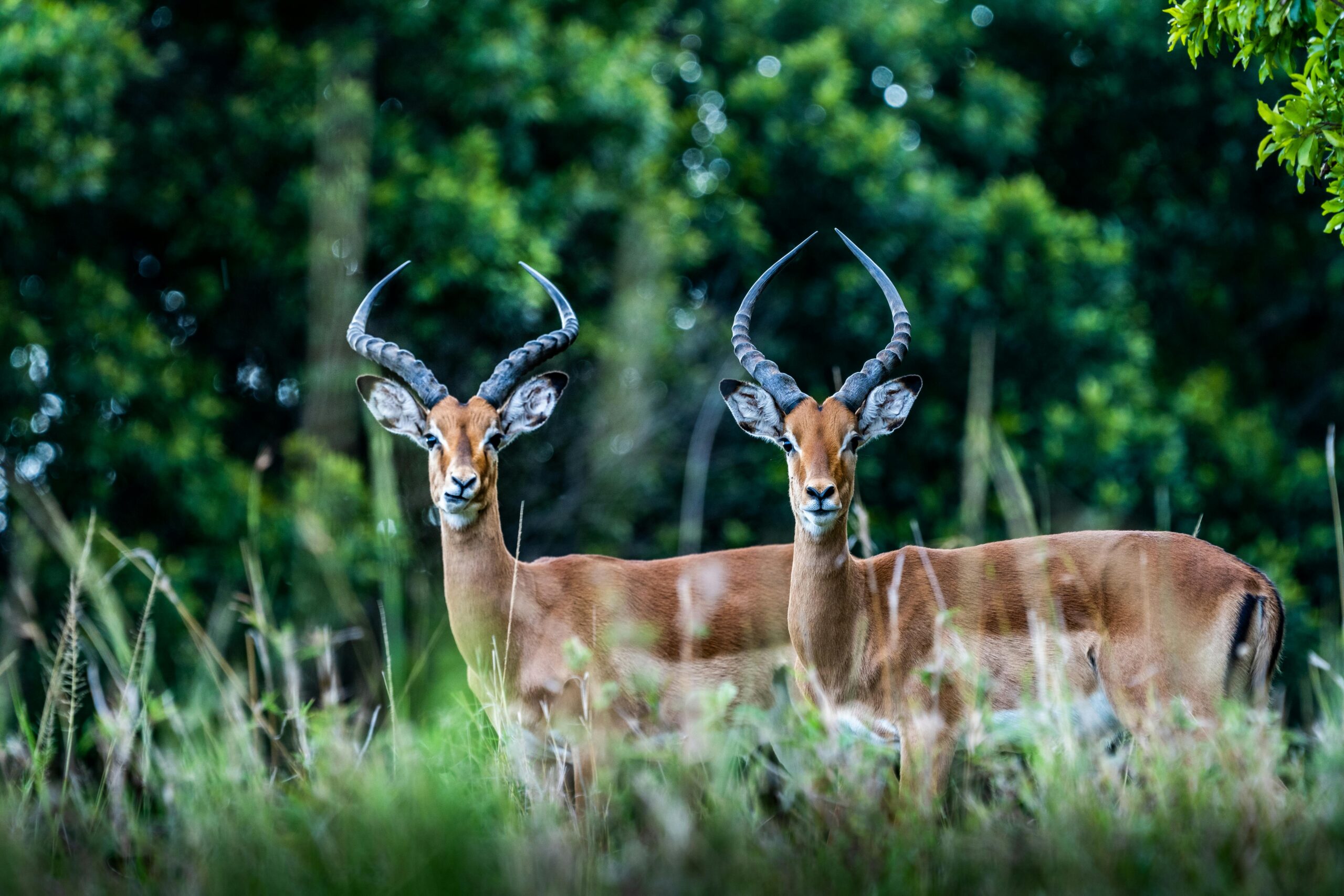
While cameras and binoculars top most lists, certain items prove surprisingly valuable. A quality pair of binoculars (8x42 or 10x42) allows intimate wildlife viewing without encroaching on animals' space. Neutral-coloured clothing in khaki, olive, and beige reduces visual impact and attracts fewer insects than bright whites or blues.
Layering is essential as temperatures can swing dramatically. Early morning game drives in July and August often begin near freezing in the highlands, while midday temperatures in the lowlands can exceed 35°C. A lightweight waterproof jacket handles the short rains of November and the long rains from April to June. Comfortable, closed walking shoes with ankle support are vital for bush walks and forest trails.
Power banks, universal adapters, and insect repellent containing at least 30% DEET complete a sensible kit. Leave expensive jewellery at home. Many lodges provide safes, but simplicity reduces worry and demonstrates respect for the environments where such luxuries seem entirely out of place.
Kenya's greatest luxury is not found in five-star tents but in the profound silence of the savannah at dawn, broken only by the sounds of animals going about their ancient routines.
Seasonal Considerations and Itinerary Planning
Kenya's dual rainy seasons dramatically reshape the safari experience. The long rains from April through June transform landscapes into vibrant greens but can make some roads impassable. Many experienced travellers choose this period for its dramatic light, fewer crowds, and lower rates at premier camps. The short rains in November bring brief afternoon showers that rarely disrupt activities.
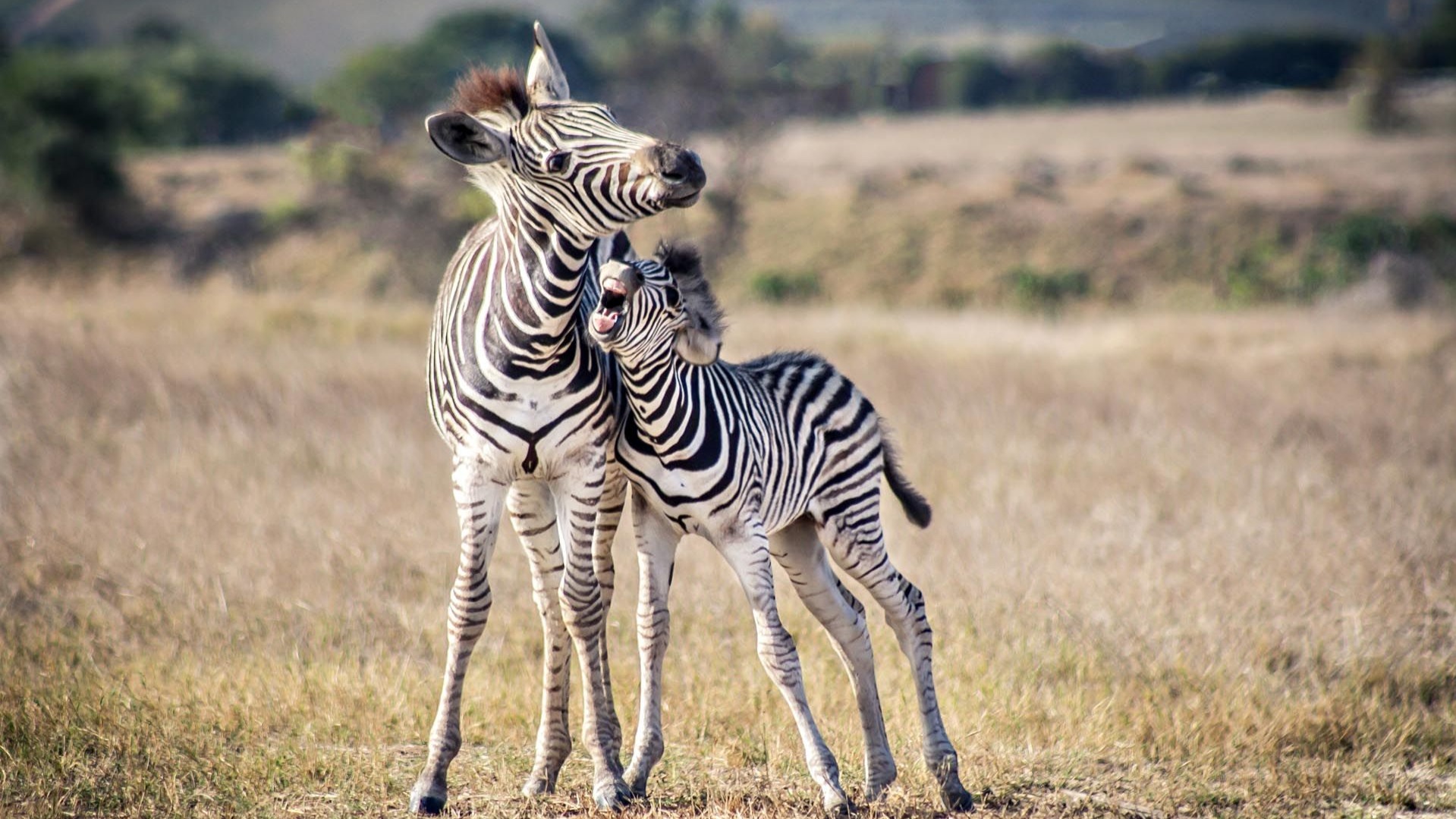
The Great Migration offers Kenya's most famous wildlife spectacle, with approximately 1.5 million wildebeest and 200,000 zebra moving in a continuous cycle between the Serengeti and the Masai Mara. While river crossings capture public imagination, the sheer scale of the herds on the open plains creates an equally profound experience. Planning your visit around specific migration stages, rather than fixed dates, yields more satisfying results.
Combining different ecosystems creates the richest Kenyan journey. A week in the Masai Mara followed by time in the Laikipia plateau and a few days on the coast offers remarkable contrast. Laikipia's private conservancies allow for walking safaris and night drives not permitted in national parks, while the coastal forests of Arabuko-Sokoke protect rare endemic species.
Photography Ethics in Kenya's Parks
Modern cameras tempt us to chase perfect images, yet the most powerful photographs often emerge from patient observation rather than pursuit. Respecting an animal's space usually results in more natural behaviour and, consequently, more authentic images. Professional guides understand animal behaviour patterns and can position vehicles for optimal viewing without causing disturbance.
Supporting Conservation Through Your Visit
Every traveller to Kenya becomes part of its conservation story, whether consciously or not. Choosing to stay in community-owned conservancies directly funds wildlife protection and provides economic alternatives to practices that might harm ecosystems. The Angama Mara and properties in the Mara North Conservancy demonstrate how tourism revenue can transform local attitudes toward wildlife.
Carbon offsetting your flights through verified projects in Kenya creates additional positive impact. Many operators now partner with reforestation initiatives in the Aberdares and Mount Kenya regions. Asking questions about a lodge's conservation contributions should form part of every booking conversation.
By following established tips and advice safaris protocols, visitors help maintain the delicate balance that allows Kenya's wildlife to thrive. Simple actions, such as refusing single-use plastics and supporting lodge initiatives to reduce waste, contribute to a growing movement toward more sustainable tourism across East Africa.
Preparing for an Authentic Kenyan Experience
Kenya offers far more than postcard moments with lions and elephants. Those who arrive with cultural awareness, health preparations, and genuine respect for its ecosystems discover a destination of remarkable depth and complexity. The country continues to evolve its approach to tourism, increasingly emphasising meaningful connection over mere observation.
Encounters Africa has spent years curating relationships with the finest operators and camps across Kenya, from intimate conservancy properties to established classics. For discerning travellers seeking a private safari beyond our set itineraries, we invite you to contact us directly. We specialise in designing exceptional, tailor-made journeys for individuals, couples, families, and private groups of up to eight guests. Drawing on our handpicked network of distinguished camps and lodges, we curate every detail with precision and care, creating a seamless, deeply personal safari experience shaped entirely around your preferences, pace, and budget.
Whether your interests lie in big cat behaviour, bird identification, cultural immersion, or photographic excellence, a well-considered approach transforms a Kenyan journey from memorable to truly life-changing. The country awaits those ready to engage with it on its own profound terms.
More like this
Tips & Advice
Why Tanzania Rewards Careful Preparation Over Spontaneity
Tips & Advice
Why Your First South African Journey Might Surprise You in the Best Ways
Tips & Advice
Why Your First Tanzanian Wildlife Encounter Demands These Specific Preparations
Tips & Advice
Deciding Between Mobile Tented Camps and Fixed Luxury Lodges in Africa
Tips & Advice
Essential Kruger National Park Wildlife Guidelines for Respectful Encounters
Tips & Advice