wildlife
Why the Big Five Still Shapes Safari Marketing Long After Its Hunting Roots
Encounters Africa - 7 min read
Updated on 31 August 2026
The phrase Big Five carries an outsized influence on how many travellers first imagine an African safari. From its colonial hunting origins to today’s lodge marketing, the Big Five label carries surprising weight. This editorial explores why the term refuses to fade, how it distorts expectations, and what happens when travellers fixate on a checklist instead of the broader bush experience. Encounters Africa is the specialist arm for safaris beyond Namibia, covering South Africa, Botswana, Kenya, Tanzania, Rwanda, Uganda, Zambia and Zimbabwe. Cape Town-based with three decades of combined experience, we book directly with camps and lodges, tailoring journeys for individuals, couples, families and private groups of up to eight using our 81 published itineraries that can all be reshaped.
What are the Big Five and where did the term come from? The phrase originated among 19th- and early 20th-century hunters as the five most dangerous animals to pursue on foot-lion, leopard, elephant, rhino and Cape buffalo-yet now serves as shorthand for charismatic species that lodges promote for their visibility and prestige.
The Colonial Roots of a Loaded Label
In the late 1800s and early decades of the 20th century, European hunters trekking through untamed landscapes classified game according to the peril each creature posed when pursued on foot with a rifle. A wounded South Africa buffalo could charge with lethal intent, a cornered leopard proved astonishingly agile, and an elephant or rhino might trample a hunter in seconds. The lion, of course, crowned the list. Together these five earned the collective name that still echoes through marketing brochures more than a century later.
The term was never about beauty or ecological importance. It spoke only of danger and the prestige attached to bringing such formidable quarry to ground. Professional hunters such as Frederick Selous and later conservation converts like Denys Finch Hatton helped cement its place in safari lore. By the time photographic tourism replaced hunting in the mid-20th century, the label had already lodged itself in the popular imagination.
The Big Five were never chosen for their grace or ecological value; they earned their name through the threat they posed to men carrying guns.
Why the Big Five Persists in Modern Safari Marketing
Lodges and operators continue to feature the Big Five because the phrase offers an instantly recognisable shorthand. Mentioning lion, leopard, elephant, buffalo and rhino allows potential guests to picture their ideal wildlife encounter before they have even packed their bags. In a world of competing destinations, this checklist reassures travellers that they will witness the animals most often pictured in coffee-table books.
Yet the persistence runs deeper than simple branding. Certain private reserves in South Africa and the private concessions bordering Botswana’s national parks deliver unusually consistent sightings of these species. Skilled trackers and the advantage of traversing land off-limits to self-drive visitors mean that Duba Plains Camp or Chobe Game Lodge can often promise multiple daily encounters. Marketing teams understandably lean on that reliability when shaping expectations.
The term also carries prestige. Guests return home able to say they saw the full set, a tangible achievement that photographs well on social media. For many first-time safari travellers, ticking the box becomes the unspoken measure of success.
Marketing the Big Five simplifies a complex ecosystem into five photogenic ambassadors, yet it risks reducing the living landscape to a checklist.
What Are the Big Five and Where Did the Term Come From?
The Big Five refers to lion, leopard, elephant, rhino and Cape buffalo. The phrase originated among 19th- and early 20th-century hunters as the five most dangerous animals to pursue on foot-lion, leopard, elephant, rhino and Cape buffalo-yet now serves as shorthand for charismatic species that lodges promote for their visibility and prestige. Read more at safari experiences beyond Namibia.
How a Checklist Mentality Can Diminish the Experience
When travellers arrive fixated on seeing every member of the Big Five, they risk missing the subtle wonders unfolding around them. A tiny pygmy falcon perched on a camel thorn, the intricate social drama inside a troop of banded mongooses, or the haunting call of a ground hornbill at dusk can slip past unnoticed while eyes scan only for lions or leopards.
Guides report that guests glued to a mental scorecard often seem restless, checking off animals with quiet satisfaction but showing little curiosity once the list is complete. The bush becomes a gallery of trophies rather than a living, breathing environment where every creature plays its part. The tension of the search can overshadow the simple pleasure of being present.
By contrast, those who release the checklist often discover richer layers. They notice how a herd of elephants subtly alters its route to avoid a territorial pride, or how the sudden alarm call of an impala reveals a hidden cheetah. These moments rarely appear on any must-see list, yet they linger longest in memory.
Beyond the Big Five: The Full Spectrum of Safari Wonders
African ecosystems support far more than five flagship species. In the Masai Mara, vast herds of plains game stretch to the horizon, while secretive aardvarks emerge after dark. The Okavango Delta offers spectacular birdlife, with over 400 recorded species, and the chance to watch painted dogs hunt across floodplains at dawn.
Smaller carnivores such as serval, caracal and honey badger display remarkable hunting techniques that rival any big-cat sighting for drama. Watching a dung beetle roll its perfectly spherical prize across red Kalahari sand reveals an engineering feat worthy of wonder. Even the trees and grasses tell stories of adaptation and survival that deepen appreciation for the whole.
Experienced guides excel at revealing these hidden narratives. At Loisaba Tented Camp in Kenya’s Laikipia region, travellers might spend an afternoon learning how local communities have reduced conflict with elephants through innovative beehive fences. Such encounters connect visitors to conservation realities in ways that simply spotting a rhino never could.
Releasing the pressure to complete a checklist opens the door to the countless smaller dramas that make every drive feel alive with possibility.
Choosing Experiences That Match Your Interests
Rather than asking whether a camp delivers the Big Five, wiser questions focus on landscape, guiding quality and the type of experience desired. Do you want to walk among wildlife at first light? Drift past basking hippos in a mokoro? Or observe predators on a private concession where vehicles can follow animals off-road?
Private conservancies often provide the flexibility that national parks cannot. Night drives reveal nocturnal creatures rarely seen elsewhere, while walking safaris bring the sounds and scents of the bush into sharp focus. Photographic hides allow intimate portraits without disturbing natural behaviour.
Encounters Africa draws on deep regional knowledge to shape each itinerary around individual priorities. Whether you hope to witness the dramatic river crossings of the Great Migration or prefer the stark beauty of arid landscapes where black-maned lions hunt gemsbok, the emphasis remains on immersion rather than mere accumulation.
Conclusion
The Big Five label retains its power because it distils something genuinely impressive about Africa’s wildlife into five unforgettable characters. Yet allowing it to dominate your expectations can narrow what should be an expansive encounter with an entire ecosystem. By approaching your safari with open curiosity rather than a predetermined scorecard, you stand to discover far more than any marketing term can promise.
For discerning travellers seeking a private safari beyond our set itineraries, we invite you to contact us directly. We specialise in designing exceptional, tailor-made journeys for individuals, couples, families, and private groups of up to eight guests. Drawing on our handpicked network of distinguished camps and lodges, we curate every detail with precision and care, creating a seamless, deeply personal safari experience shaped entirely around your preferences, pace, and budget.
Reach out to Encounters Africa today and let us craft a journey that celebrates the full wonder of the African wild.
More like this
Wildlife
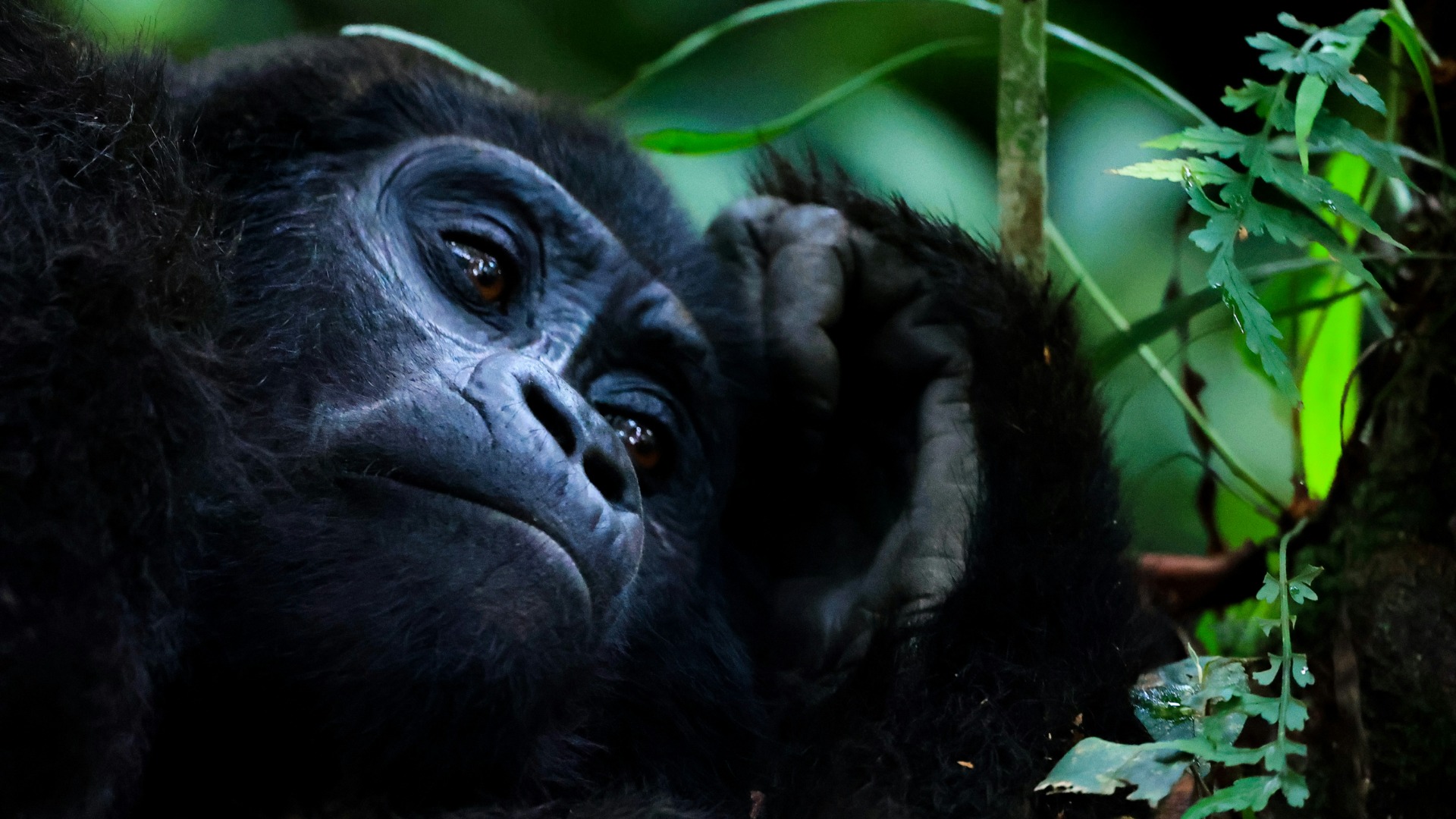
Why Thoughtful Game Lodge Selection Directly Improves Your Wildlife Sightings
Wildlife
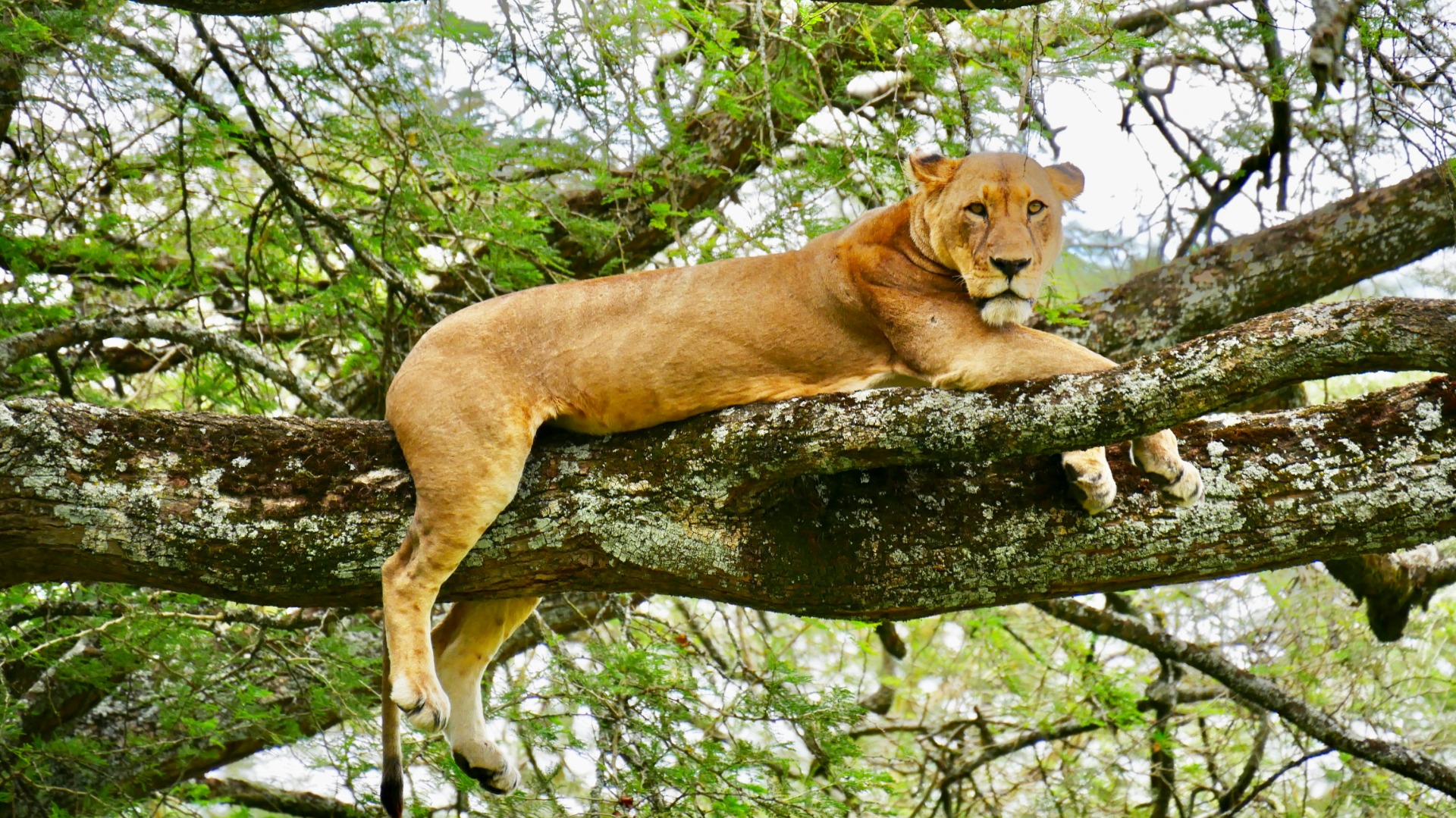
Why Tree Climbing Lions Thrive in Uganda's Ishasha Sector
Wildlife
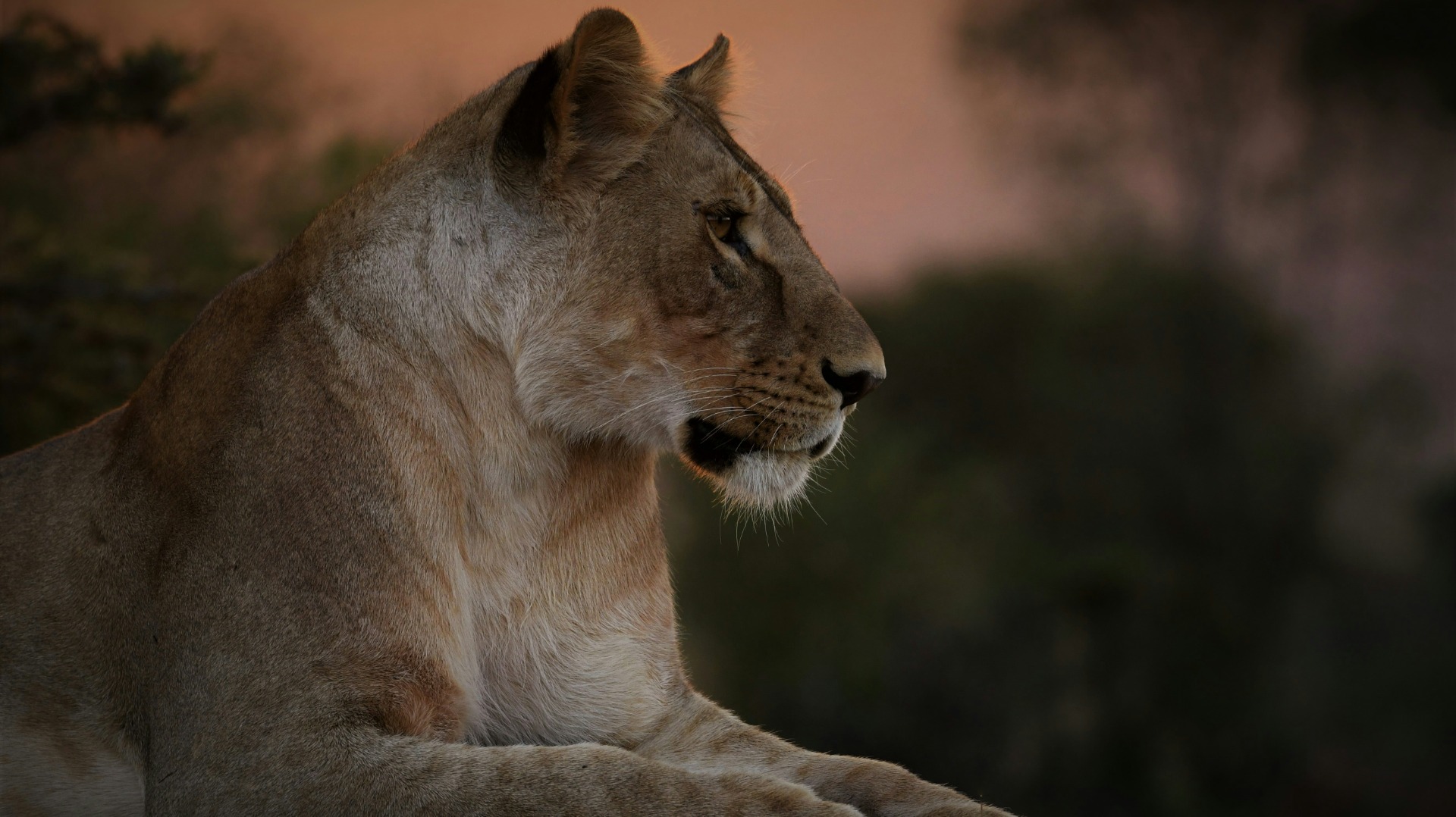
Why Zimbabwe Delivers Some of Africa's Most Photogenic Wildlife Encounters
wildlife
Why Zimbabwe Hosts Africa's Largest Elephant Concentrations
wildlife
Why Zimbabwe's Elephants Shape Every Habitat They Touch
Wildlife